
Last updated October 15, 2026
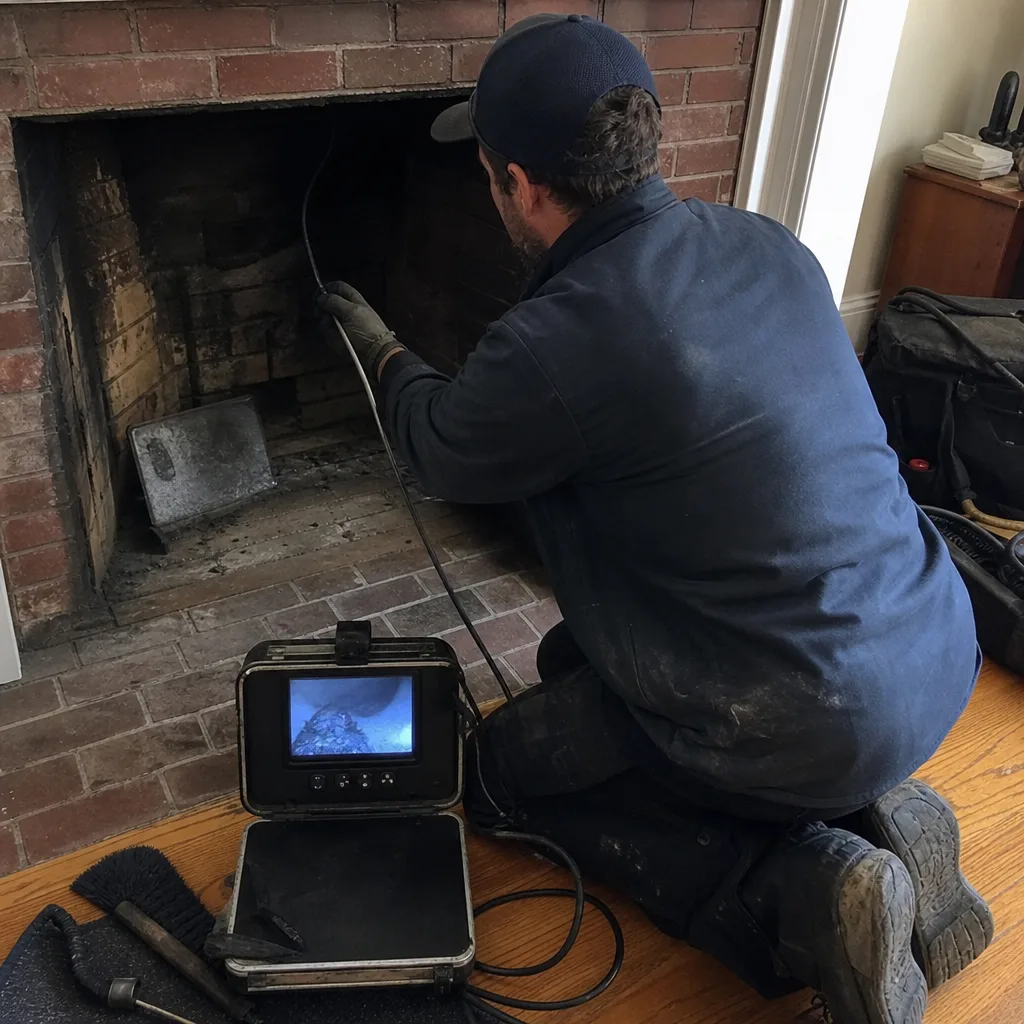
 Sweep & inspection
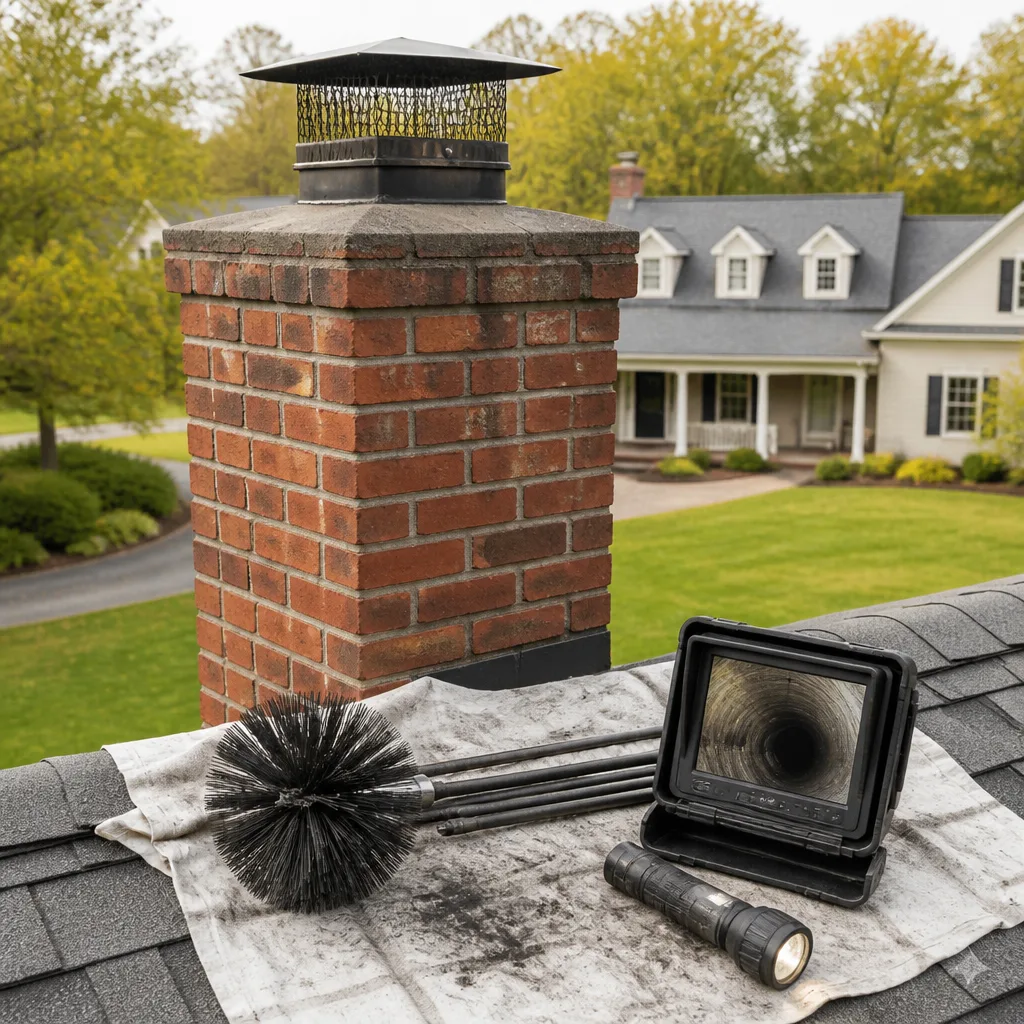
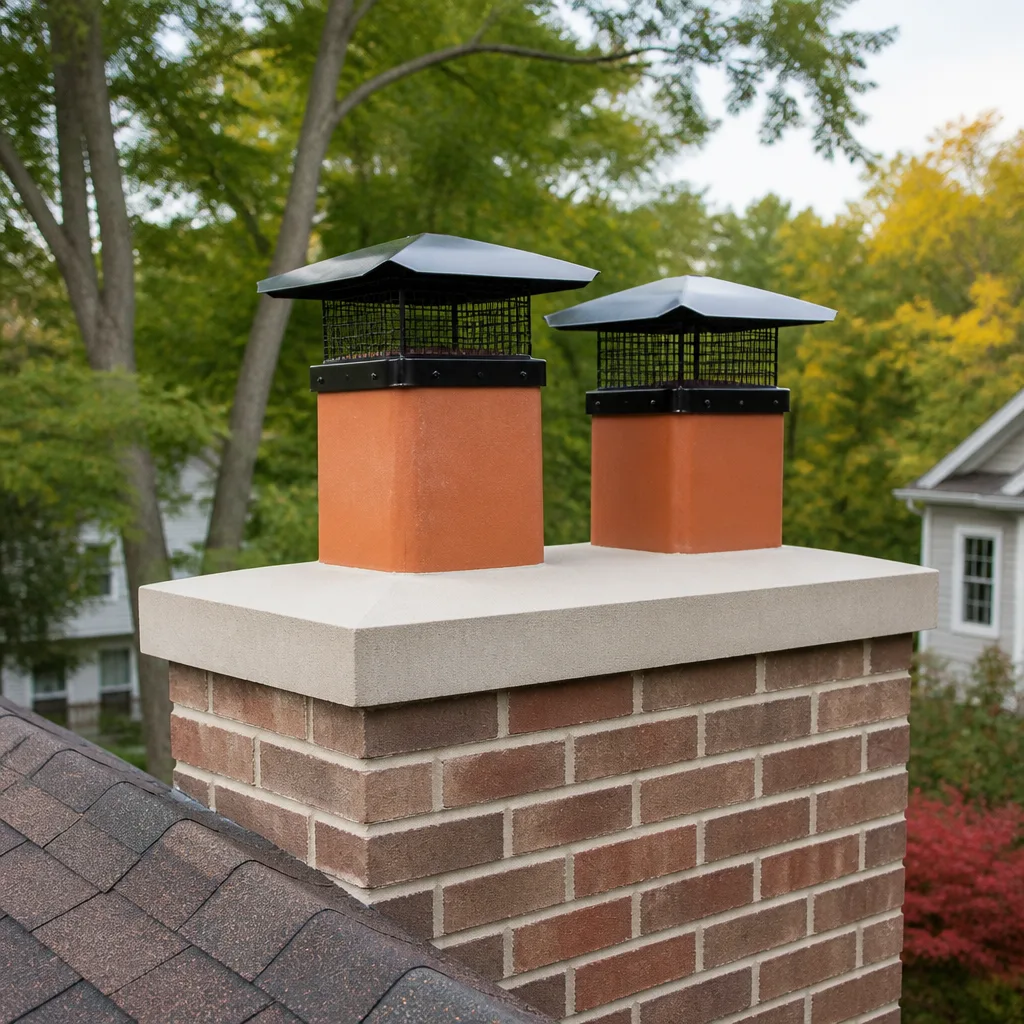 Caps & crowns
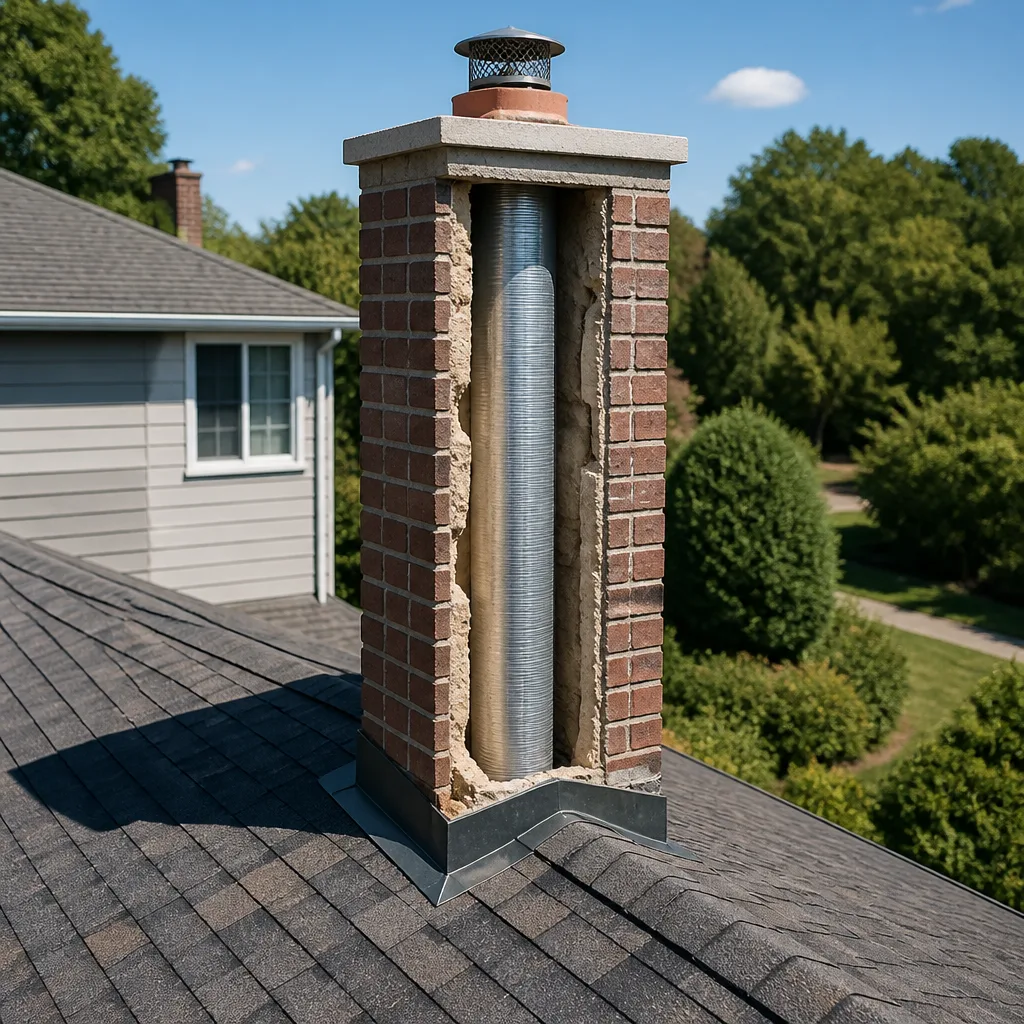 Flue relining
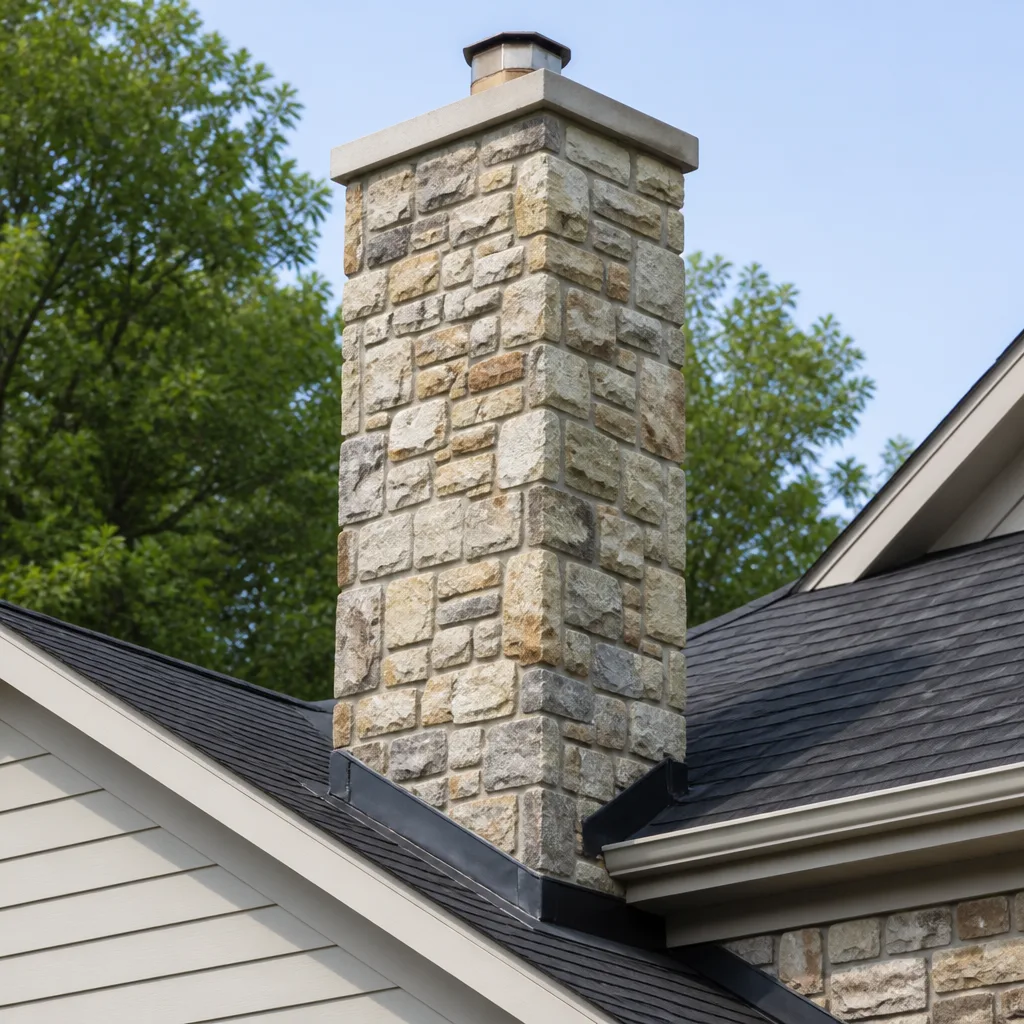 Masonry repair
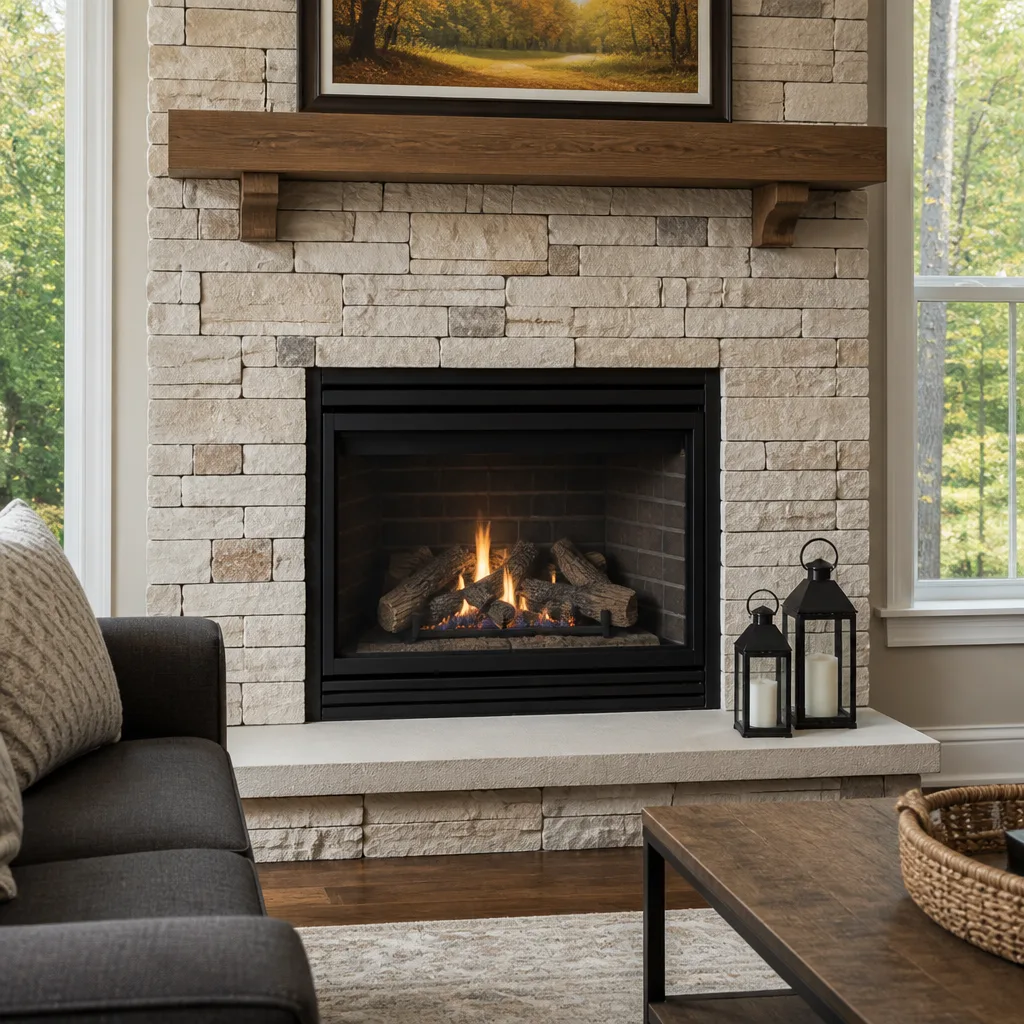 Gas fireplace service
Level 1 sweep and inspection to the NFPA 211 annual standard - flue, crown, cap, and flashing checked and photographed
Chimney sweep logs do not sweep chimneys. They loosen some creosote - which then falls where a brush and vacuum still have to collect it.
Chimney Sweep Maintenance Checklist for Brooklyn Homeowners
The single most skipped item on every generic chimney checklist, checking the smoke chamber for spalling, is also the one that most often precedes a $3,000 repair in Brooklyn’s older brick homes. Most homeowners have never heard the word spalling, let alone know that the mortar joints inside the smoke chamber can crumble silently for years while the fireplace works fine. This guide is written for the person who actually lives in a Brooklyn brownstone, limestone, or brick rowhouse and wants a maintenance routine that matches what those chimneys really go through: freeze-thaw cycles, humid summers, pigeon and squirrel nesting, and decades of deferred care. For a deeper dive, see The Complete Guide to Chimney Cleaning in Brooklyn. You’ll get a month-by-month calendar, a clear split between what you can check yourself and what belongs to a trained sweep, and the red flags that mean the fireplace should stay cold until a professional looks at it.
Quick Answer
A Brooklyn chimney needs a professional sweep and inspection once a year, ideally in late summer or early fall before burn season, plus simple owner checks every month during the months you use the fireplace and once each spring after the last fire. The owner’s job is to watch for changes: new odors, falling mortar, damper movement that feels different, water stains on the ceiling near the flue. The sweep’s job is to clean the flue, inspect the full system from firebox to cap, and document what they found so you have a written record for insurance and future home sales. If you need help, you can schedule our Chimney Sweep services. Skipping the yearly inspection is the single most expensive maintenance mistake we see in Brooklyn.
Styles & brands we work with
Table of Contents
- Why Brooklyn Chimneys Need Their Own Checklist
- The Month-by-Month Brooklyn Chimney Calendar
- Checks You Can Do Yourself, Safely, From the Ground
- What a Trained Chimney Sweep Checks That You Can’t
- What to Document After Every Sweep and Why It Matters
- Red Flags That Pause the Checklist Until a Pro Arrives
- Common Mistakes to Avoid
- When to Call a Professional
- Frequently Asked Questions
- The Bottom Line
Why Brooklyn Chimneys Need Their Own Checklist
Most chimney maintenance lists floating around the internet are written for a suburban house with a gas fireplace insert, a poured concrete cap, and a flue that never sees salt air. A Brooklyn chimney is a different animal. Most of our flues run through brick structures built between 1890 and 1940. The mortar in those chimneys was mixed with lime and sand, not Portland cement. Lime mortar breathes, which is good for the brick but weak in the face of Brooklyn’s winter freeze-thaw cycle. Water seeps into hairline cracks, freezes, expands, and pops tiny pieces of mortar loose. Repeat that sixty times in one winter and you get spalling: brick faces flaking off, joints widening, and eventually a smoke chamber or flue that is no longer sealed.
Summer brings the second stressor: humidity. Brooklyn summers run damp, and a chimney that never fully dries out grows efflorescence, that white powdery stain on interior brick. Efflorescence looks cosmetic but it is actually salt deposits being pushed out of the brick by water. Where there is salt, there is water movement. Where there is water movement, there is hidden damage. Then comes fall nesting season. Pigeons, starlings, and squirrels see an uncapped or loose-capped flue as a brownstone high-rise with excellent bones. A squirrel nest in a flue is not an inconvenience. It is a blocked exhaust pipe over a firebox, which means smoke and carbon monoxide push back into the living room instead of up and out.
So this checklist is built around what Brooklyn chimneys actually face. It is not a national list with Brooklyn pasted on top. It is a routine for brick rowhouses, lime mortar, humid summers, freeze-thaw winters, and wildlife that treats an open flue like rent-stabilized housing.
The Month-by-Month Brooklyn Chimney Calendar
Here is the full calendar we recommend for a Brooklyn homeowner. It splits into burn season, which runs roughly November through March, and the off-season, April through October. Each season asks for a different kind of attention.
November through March: Burn Season Monthly Checks
- First fire of the season: Before lighting anything, open the damper fully and look up with a flashlight. Check for visible obstruction, falling debris, or a damper that sticks or rattles. If you smell gas, do not light a match. Call the gas company and then a chimney sweep.
- Every month during burn season: Check the firebox floor for new cracks, loose brick, or a build-up of ash higher than two inches. Check the damper each time before lighting. A damper that is hard to move or won’t stay open is a repair item, not a quirk.
- After any strong nor’easter or heavy snow: Check the ceiling near the chimney for water rings or fresh stains. Snow and driven rain expose cap or crown failures quickly. Document what you see with a phone photo.
- Change the batteries in your carbon monoxide detector every fall. This is not a chimney item, but it is the single most important safety companion a working fireplace has. A chimney that looks fine can still leak carbon monoxide into a bedroom at 2 a.m.
April through May: Post-Season Shutdown
- After the last fire of the year: Let the fire die completely and close the damper. Leave a note for yourself to check for spring moisture.
- Inspect the firebox visually one more time. Look for any brick that shifted during the winter, any white powdery deposits, any new cracks. These are your baseline for next fall.
- Walk outside and photograph the chimney crown and cap from the ground. Use the phone zoom. Save the photos. You are building a year-over-year record that will show changes you would otherwise miss.
June through August: Humidity and Nesting Season
- Check the chimney once a month for signs of nesting. Birds, squirrels, and raccoons all see summer as move-in season. Listen for scratching. Look for twigs or nesting material on the roof, in the gutter below the chimney, or falling into the firebox.
- Watch for the summer smell. A chimney that smells musty or birdy in July is telling you that organic matter, moisture, or both, are sitting in the flue. Odors in summer are a reason to schedule a sweep before fall, because burnt bird nest smell is hard to get out of a living room.
- Schedule your annual professional sweep and inspection for August or early September. This is the best window in Brooklyn. The weather is dry, the nests are known, and you will have weeks to complete any recommended repair before the first cold night.
September through October: Pre-Burn Prep
- Complete the annual sweep and inspection. Do not wait until November. Every sweep in Brooklyn gets twice as hard to schedule after Thanksgiving.
- Ask for the written report. A good sweep hands you a document that says what was cleaned, what was inspected, what was found, and what was recommended. If they do not offer one, ask. If they cannot produce one, that is your answer about whether you will call them again.
- Do the floor-to-flue walk. Open the damper, shine a light up, and confirm you can see the flue opening clearly. Check that the damper moves smoothly both ways. Check the hearth, firebox, and surround one final time.
Checks You Can Do Yourself, Safely, From the Ground
Several chimney checks are safe for a homeowner to do without any ladder and without any special tools. None of these replace a professional inspection, but they catch early problems. If you’re weighing whether to DIY or hire out, read DIY vs Professional Chimney Cleaning: The Brooklyn Homeowner’s Decision Guide.
- Damper operation. Open and close the damper fully twice. It should move smoothly, stay in position, and seal when closed. If it grinds, drops, or will not move, the damper assembly needs service before burn season.
- Firebox condition. Look at the floor and side walls of the firebox. You are checking for cracks wider than a credit card, missing brick, loose mortar, or a firebox floor that has crumbled into powder. Any of these means the fireplace should stay cold until a sweep evaluates it.
- Smoke chamber visibility. From inside the house, shine a bright flashlight up past the damper. You should see a smooth transition from firebox to flue. If you see chunks of mortar hanging, significant gaps, or bricks that look recessed or hollow, that is spalling. It is the issue that most often leads to expensive repairs in Brooklyn’s older homes, and it is exactly the thing generic checklists miss.
- Odor changes. A healthy chimney does not smell like much when cold. A musty, birdy, or campfire smell in June is a moisture or blockage signal. In burn season, a strong smoke smell in the room even with the damper open suggests a draft or blockage problem.
- Cap and crown check from the ground. Stand across the street or at the back of the yard and use your phone camera zoomed all the way in. Look for a missing cap, a tilted cap, a crown with visible cracks or missing pieces, or vegetation growing out of the masonry. Save the photos. Compare next season. This is the safest way to watch a chimney top in Brooklyn without ever leaving the sidewalk.
None of these require a ladder. If you can see something from the ground, good. If you cannot, leave it to the sweep. The moment you are tempted to lean a ladder against a Brooklyn rowhouse to peek at a chimney cap, call a professional. The fall risk is not worth the view, and a phone camera from the ground captures more than most people expect.
What a Trained Chimney Sweep Checks That You Can’t
A professional sweep’s inspection goes where you cannot safely see: the full length of the flue, the smoke chamber, the cap and crown from the roof, and the clearances around the chimney’s interior structure. Here is what a proper sweep covers in a Brooklyn home.
- Flue liner condition. The sweep runs a camera or visual inspection up the flue. They look for cracks in clay tile liners, gaps at the joints, and brown staining that indicates a past chimney fire or water damage. In Brooklyn, we regularly find flue liners that are original to 1920s construction and completely shot. You will not see this from the fireplace opening.
- Smoke chamber integrity. The smoke chamber sits between the firebox and the flue. In older Brooklyn homes, its mortar was often hand-slapped and left rough. Spalling here is common and dangerous: crumbled mortar can fall into the firebox, block the flue, or let heat reach the framing of the house. This is the item generic checklists skip and the one we’d most like every Brooklyn homeowner to know about.
- Creosote build-up. The sweep measures how much creosote is lining the flue, and where. Stage one is flaky, stage two is tar-like, stage three is glazed and hardened. Stage three can require chemical treatment or mechanical removal. The amount and type of creosote tells a good sweep what was burned, how hot, and what to recommend next.
- Cap and crown condition from the roof. From the roof, the sweep checks whether the cap is secure, whether the crown is cracked or spalling, whether the flashing around the chimney is separating from the masonry, and whether the mortar joints along the chimney’s exterior need repointing. A missing cap in Brooklyn is an invitation to pigeons and rain.
- Clearance and structural issues. The sweep checks the areas where the chimney passes through floors, the attic, and the roof. They are looking for framing that is too close to the masonry, water staining, or brick that has shifted out of plane.
At Kindling Chimney Brooklyn home, every annual sweep includes a full inspection and a written report. We are part of the Cedarwell family of companies, established in 2003, and every location is independently owned and operated. Each technician is background-checked, arrives in uniform, and follows the C.A.R.E. values: shoe covers and drop cloths go down on arrival, nothing is moved without asking, and a photo of the clean-up is taken before the crew leaves.
What to Document After Every Sweep and Why It Matters
A chimney is a system inside the walls of your home. When you sell the house, file an insurance claim, or deal with a water leak, the first question is always the same: what is on paper? If you have a file folder with every chimney sweep report, invoice, and photo, you can answer that question in ten seconds. If you do not, you are relying on memory and good faith. Neither holds up well in a real estate negotiation or an insurance adjuster’s office.
Here is what to keep after every sweep and inspection:
- The written inspection report. It should state the condition of the flue liner, smoke chamber, damper, cap, crown, firebox, and flashing. It should note any recommendations with a timeline: repair now, repair before next season, monitor.
- The invoice with the service date. Insurers and buyers want to see that maintenance was not a one-time event. A dated invoice each year tells a consistent story.
- Photographs from the sweep. A good sweep will take the camera shots they use for the report and share them with you. Ask for them if they do not offer. Photos of a clean flue are as valuable as photos of a damaged one.
- Your own phone photos of the cap, crown, and firebox. The set you take from the ground each spring. A series of three or four years of photos is a powerful record of change or stability.
- Any repair quotes and the accompanying written price. If a liner replacement or repointing job is recommended, the estimate should be in writing and itemized. Keep it in the folder even if you do not proceed that season.
In our experience, a homeowner who keeps these records gets faster, more accurate responses from both insurance companies and prospective buyers. The documentation also makes the next sweep faster and sharper, because the technician walks in knowing what was seen last time. A written record is the single most underrated chimney maintenance tool a Brooklyn homeowner has.
Red Flags That Pause the Checklist Until a Pro Arrives
Some findings are not “add to the list” items. They are “stop using the fireplace and make a call” items. Here is the list of conditions that should keep the firebox cold until a professional Chimney Inspection in Brooklyn has evaluated the system.
- Falling mortar or brick fragments in the firebox. If you find chunks of mortar in the ashes, something above the firebox is spalling. This is not a clean-it-up-and-light-a-fire situation. Heat in a compromised smoke chamber is how house fires start in Brooklyn rowhouses.
- Visible cracks in the firebox floor or walls wider than a credit card. Cracks of that size let heat and gases reach the structure behind the firebox. The fireplace is no longer sealed.
- Water leaking into the firebox or staining the ceiling near the chimney. Water inside the flue is never normal. It means the cap, crown, or flashing has failed, and the moisture is working on the mortar joints every single day.
- A strong new odor that is musty, birdy, or chemical. In burn season, odor plus smoke in the room equals a blockage or draft failure. In summer, odor means organic matter or water is sitting in the flue. Either way, the chimney needs a look before it is used again.
- A damper that will not open or will not stay open. Lighting a fire under a jammed damper sends smoke and carbon monoxide into the living space. This is a one-strike item: no fire until it is fixed.
- Evidence of animal occupancy. Nesting material, droppings, scratching sounds, or an animal visible in the firebox. Blocked flues are the leading cause of chimney-related carbon monoxide issues, and a nest can catch fire inside the flue.
If any of these show up, do not finish the checklist and hope for the best. Close the damper if you safely can, keep the fireplace unused, and schedule an inspection. A Chimney Sweep in Brooklyn can tell you what is actually wrong, which in our experience is often less dramatic than the homeowner fears, and sometimes more urgent than the homeowner hopes.
Common Mistakes to Avoid
- Skipping the annual inspection because the fireplace works fine. A fireplace can feel fine and be dangerous. The issues a sweep finds are inside the flue and smoke chamber, where you cannot see. In Brooklyn’s older homes, the most expensive repairs are the ones that would have been small if caught a season earlier.
- Relying on a national checklist instead of a Brooklyn one. Freeze-thaw cycles, lime mortar, humidity, and pigeon pressure are local realities. A generic list does not ask you to check the smoke chamber for spalling, which is exactly the item that most often precedes a four-figure repair here.
- Waiting until November to schedule a sweep. By November, every reputable sweep in Brooklyn is booked solid through the holidays. The August or September visit gives you time for repairs before the first cold night, and it is a calmer, cheaper appointment than the emergency call in January.
- Not photographing the chimney from the ground each spring. Without photos, you are comparing this year’s cap to your memory of last year’s cap. That is not a comparison. Phone photos are free, safe, and they build a real record.
- Accepting a sweep without a written report. If there is no paper, there is no record. An invoice is not an inspection report. Ask for the full written report and keep it in the file.
- Burning anything other than seasoned hardwood. Wet wood, softwood, wrapping paper, pizza boxes, and pressed logs from the grocery store all produce different creosote profiles. Some of them produce heavy, sticky creosote quickly. Burn only dry, seasoned hardwood, and burn it hot enough to keep the flue clean.
- Ignoring the damper. The damper is the one chimney part you touch every time you use the fireplace. If it starts to feel different, that is information. Write it down, tell the sweep, and do not assume it will fix itself.
When to Call a Professional
Call a professional for the annual sweep and inspection even if everything seems fine. Call immediately if you see falling mortar, a cracked firebox, water intrusion, animal activity, a jammed damper, or a new odor. Call if you have never had the smoke chamber or flue liner inspected and you own a Brooklyn home built before 1950. Call if you are buying or selling a home and need documentation of the chimney’s condition. Call if you have not used the fireplace in years and want to start again. A chimney that has sat unused for five years still needs an inspection before the first fire. Kindling Chimney Brooklyn offers free estimates in Brooklyn. Call (607) 695-6218 and a live person will answer, day or night. No voicemail tree, no callback that comes three days later.
Frequently Asked Questions
A standard chimney sweep in Brooklyn typically runs between $200 and $350 for the cleaning, and a full Level 2 inspection adds another $150 to $300 depending on the home’s age and the access. Older rowhouses with multiple flues or difficult roof access can push higher. At Kindling, you get a written price before any work starts, on every job, with no on-the-spot pressure. Call (607) 695-6218 for an exact quote. Estimates are free.
Once a year, every year, even if you only burn a dozen fires a season. The National Fire Protection Association’s standard is that chimneys should be inspected annually and cleaned when creosote build-up reaches 1/8 inch. In Brooklyn’s older flues, an annual sweep is the safe default. If you burn more than three cords of wood a year, or if you burn softwood or not-quite-seasoned wood, you may need a mid-season sweep.
Not every liner recommendation is an upsell, and not every cracked liner needs replacement tomorrow. The deciding evidence is the camera footage. If the sweep shows you cracks, gaps, or spalling on the camera, and explains what that means for heat transfer to the surrounding structure, then the recommendation is based on something you can see. If the recommendation is not backed by images, get a second opinion. We use professional-grade liner materials from brands like DuraFlex and Copperfield, and we show every homeowner the camera evidence before recommending any liner work.
Usually nothing dramatic that season. But the inspection you skipped is the one that would have caught the hairline crack in the smoke chamber, the new pinhole in the cap, or the squirrel nest starting in the flue. Skipping one year is a gamble, and in a Brooklyn home with lime mortar and an older flue, the odds are not in your favor. The cumulative effect of missed inspections is that small, repairable issues become large, structural ones.
We do not recommend it. A homeowner with a brush from a hardware store cannot see the smoke chamber, cannot identify glazed creosote versus soot, and cannot safely reach the cap on a Brooklyn rowhouse roof. Chimney work looks simple, but it involves heights, dust control, and the ability to interpret what the flue condition actually means. The safest and most cost-effective choice is a professional sweep with a camera, a written report, and the training to spot problems before they become fires. Call (607) 695-6218 to book.
A professional sweep should leave the room cleaner than they found it. At Kindling, the Cedarwell Care Promise means shoe covers and drop cloths go down on arrival, nothing is moved without asking, and a photo of the clean-up is taken before the crew leaves. We use vacuum systems that pull dust directly from the flue, and we use pet-safe products where there is a choice. Your floors, your furniture placement, and your air are protected as a matter of process, not as a favor.
The Bottom Line
A Brooklyn chimney is not like a suburban chimney. It is older, it breathes differently, and it faces a specific set of seasonal pressures: freeze-thaw winters, humid summers, and aggressive nesting season every fall. The maintenance routine that actually protects your family is a yearly professional sweep and inspection, monthly owner checks during burn season, a post-season shutdown walk, and a pre-burn prep window in late summer. Document everything. Photograph the cap from the ground each spring. For seasonal tips and more guides & resources, visit our blog. Check the smoke chamber for spalling, because that is the item generic checklists miss and the one that most often precedes a four-figure repair here. And when something looks wrong, stop and call before the next fire.
Ready to Schedule a Sweep?
If you are in Brooklyn and ready to get your chimney on a real maintenance routine with a paper trail, call (607) 695-6218. Kindling Chimney Brooklyn provides chimney sweeping, chimney inspection, and fireplace repair services, with professional-grade materials from brands like DuraFlex, HeatShield, Gelco, Olympia Chimney, Famco, and Copperfield. Every job is backed by the 365-Day Done Right Promise and the Cedarwell Care Promise. A live person answers, day or night.
Written by Danny Cortes, Owner at Kindling Chimney Brooklyn, serving Brooklyn since 2003.
See the difference
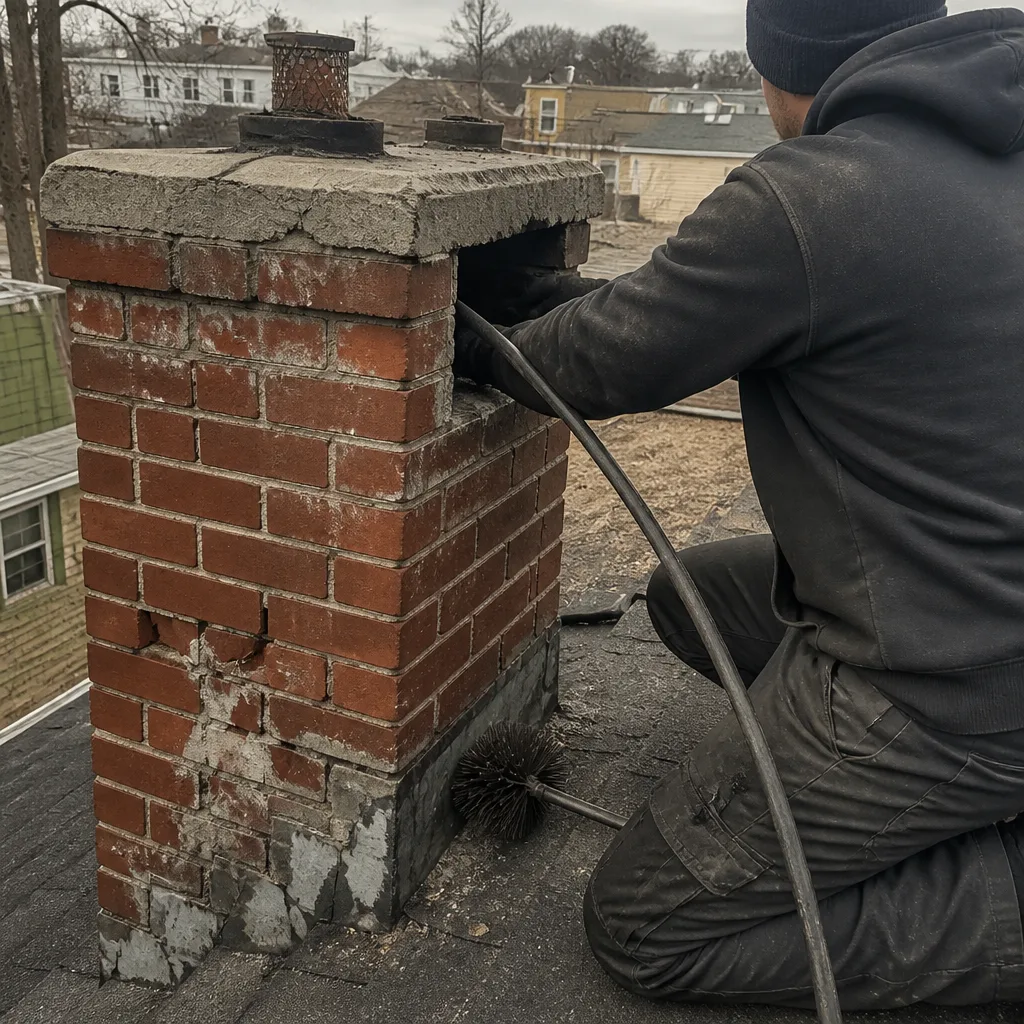 Before
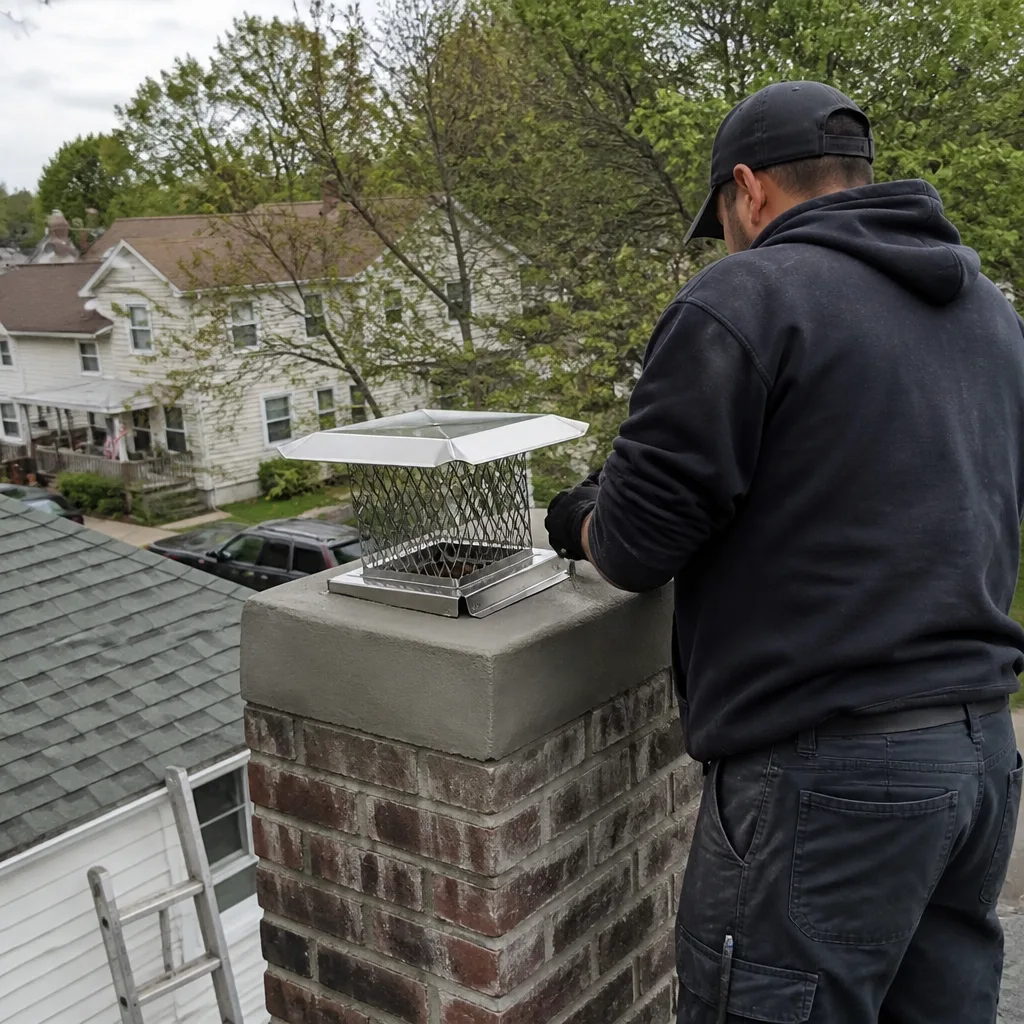 After
After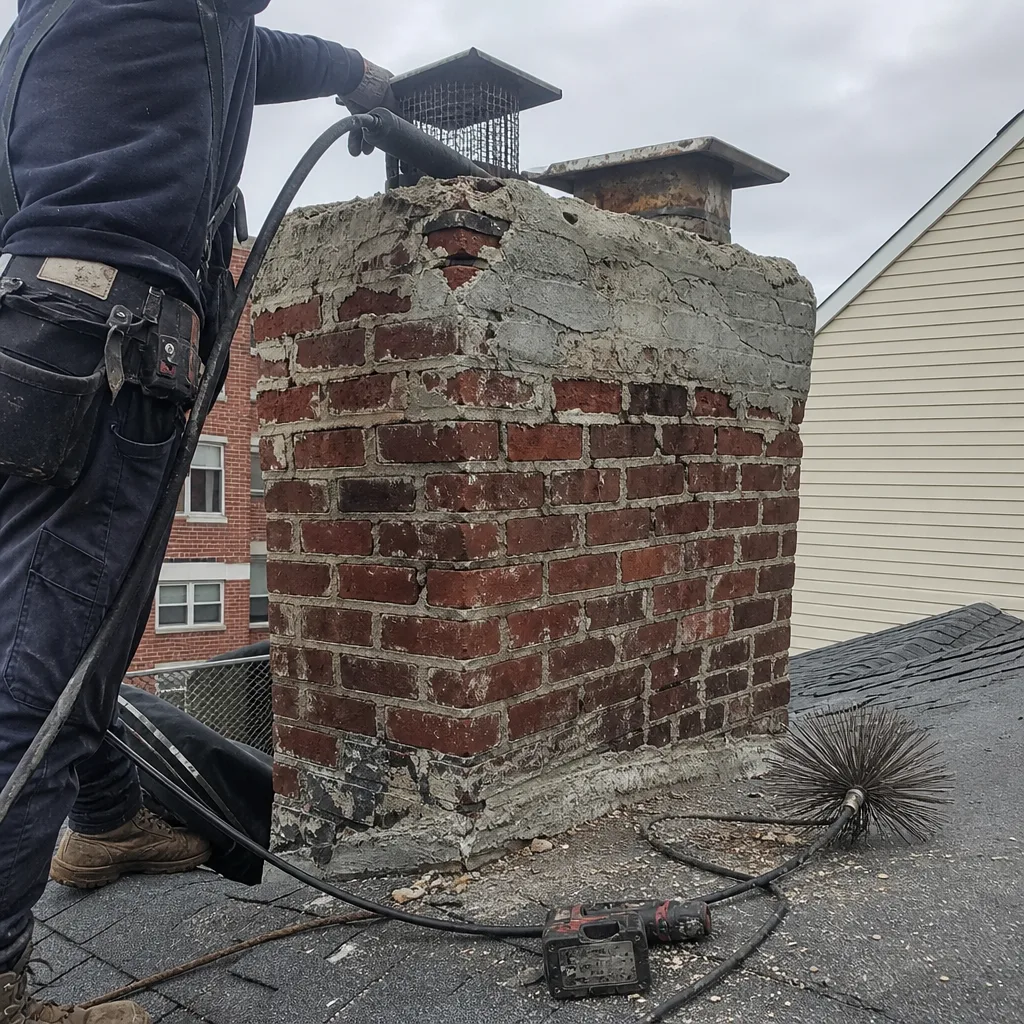 Before
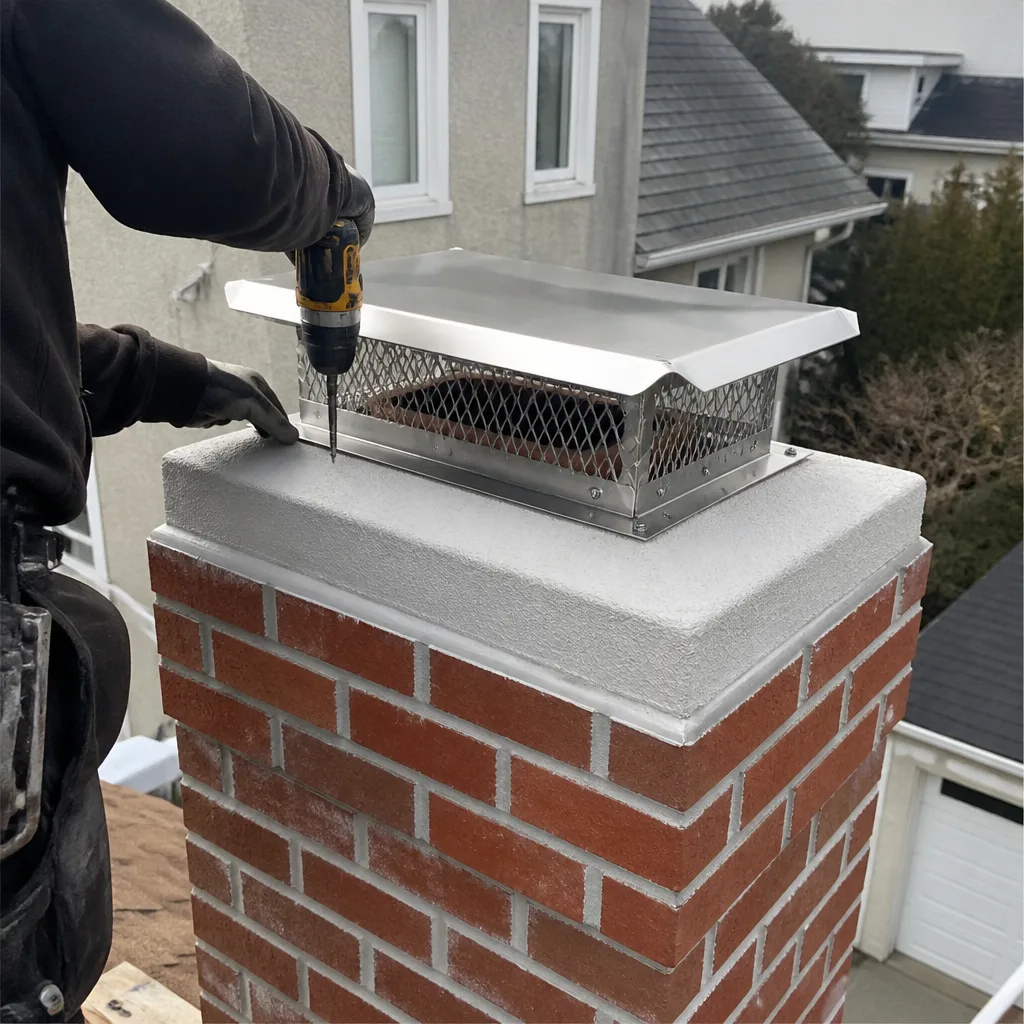 After
After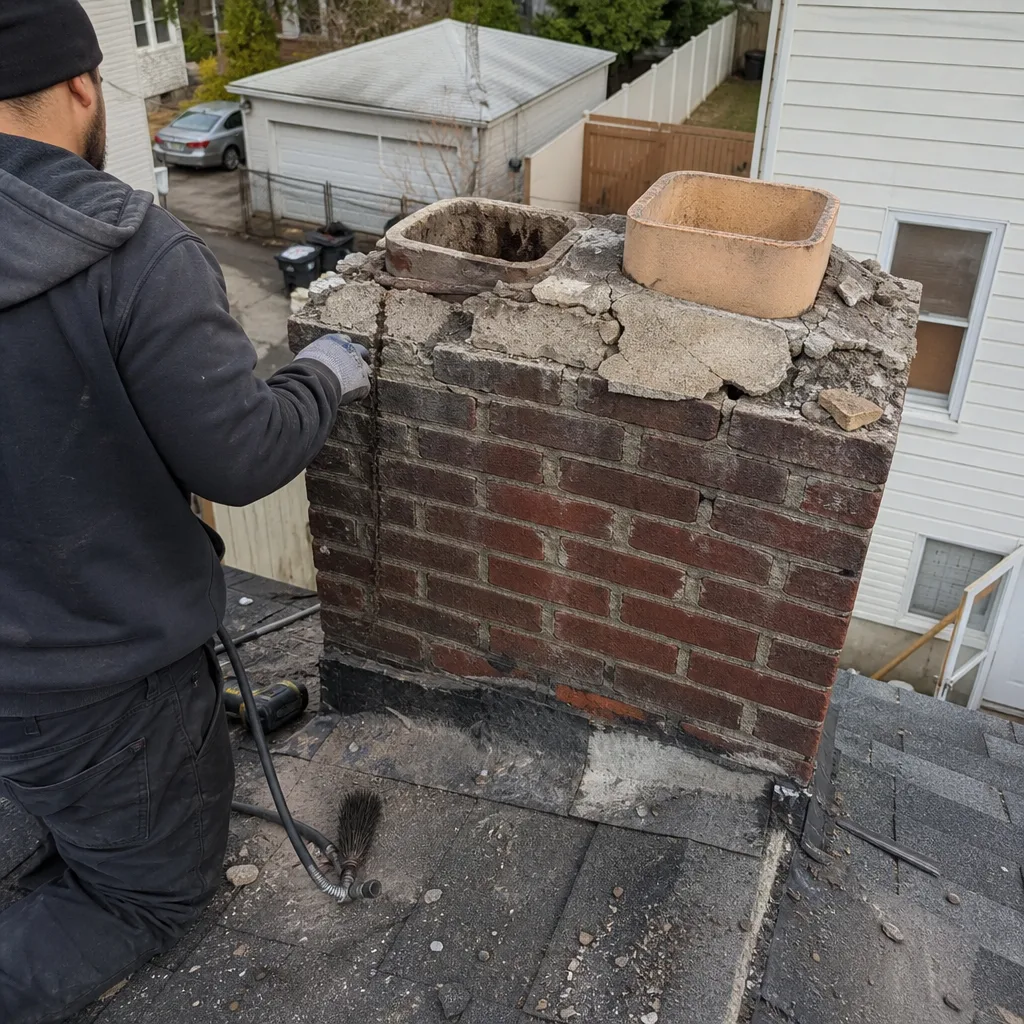 Before
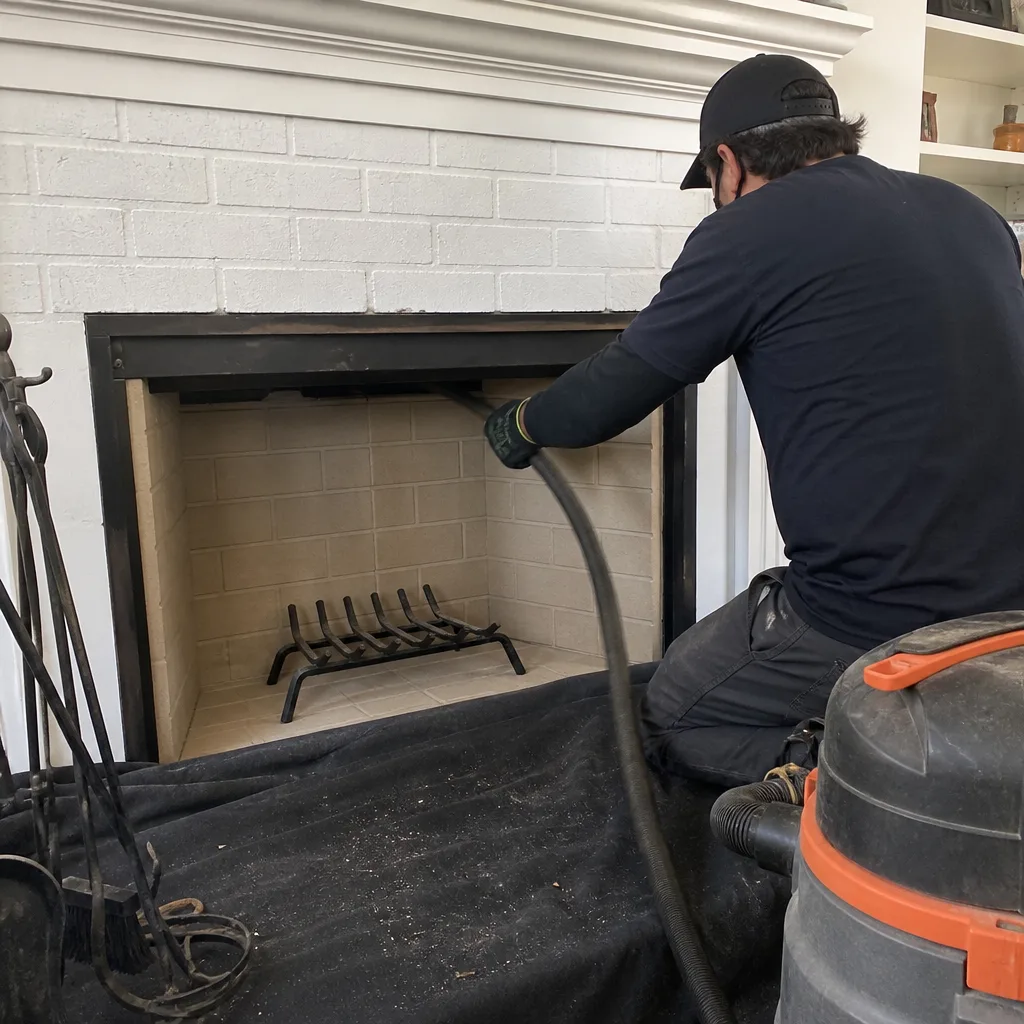 After
After