
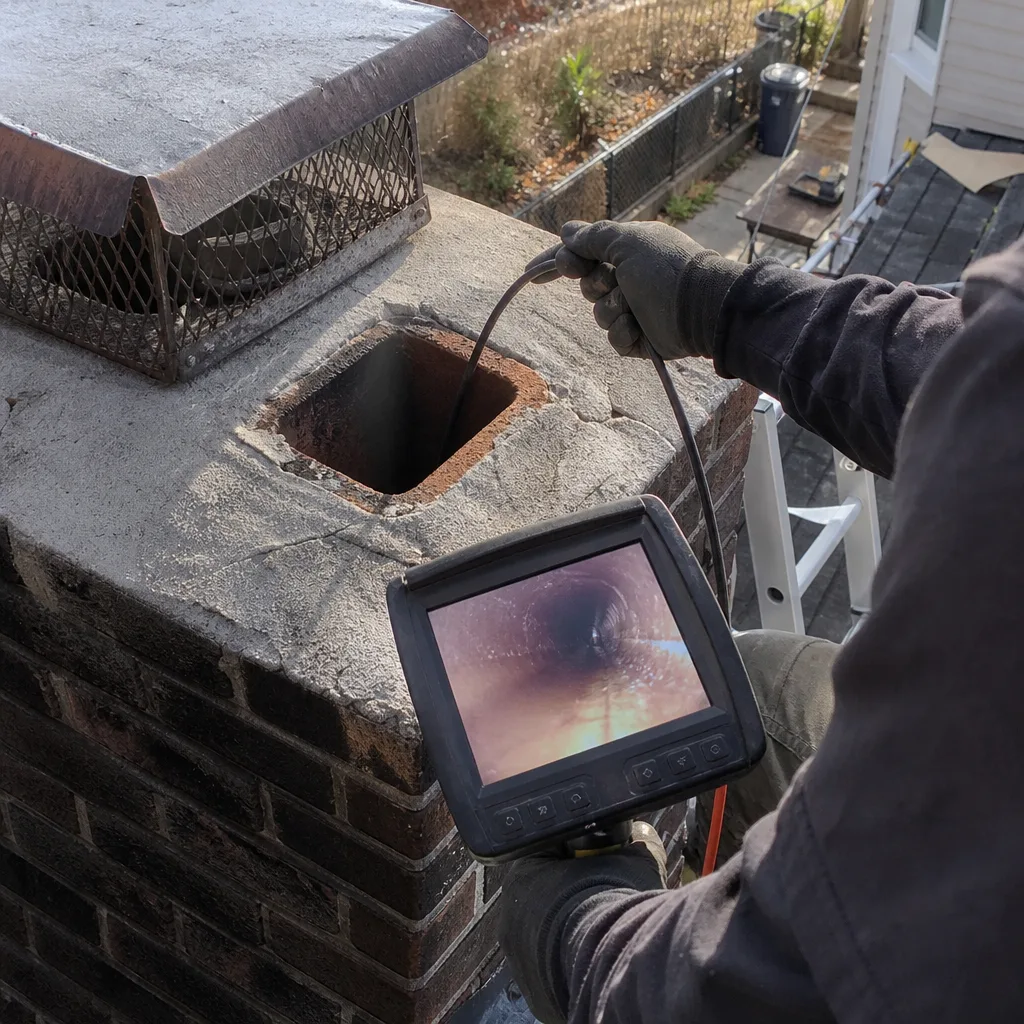
Last updated October 15, 2026
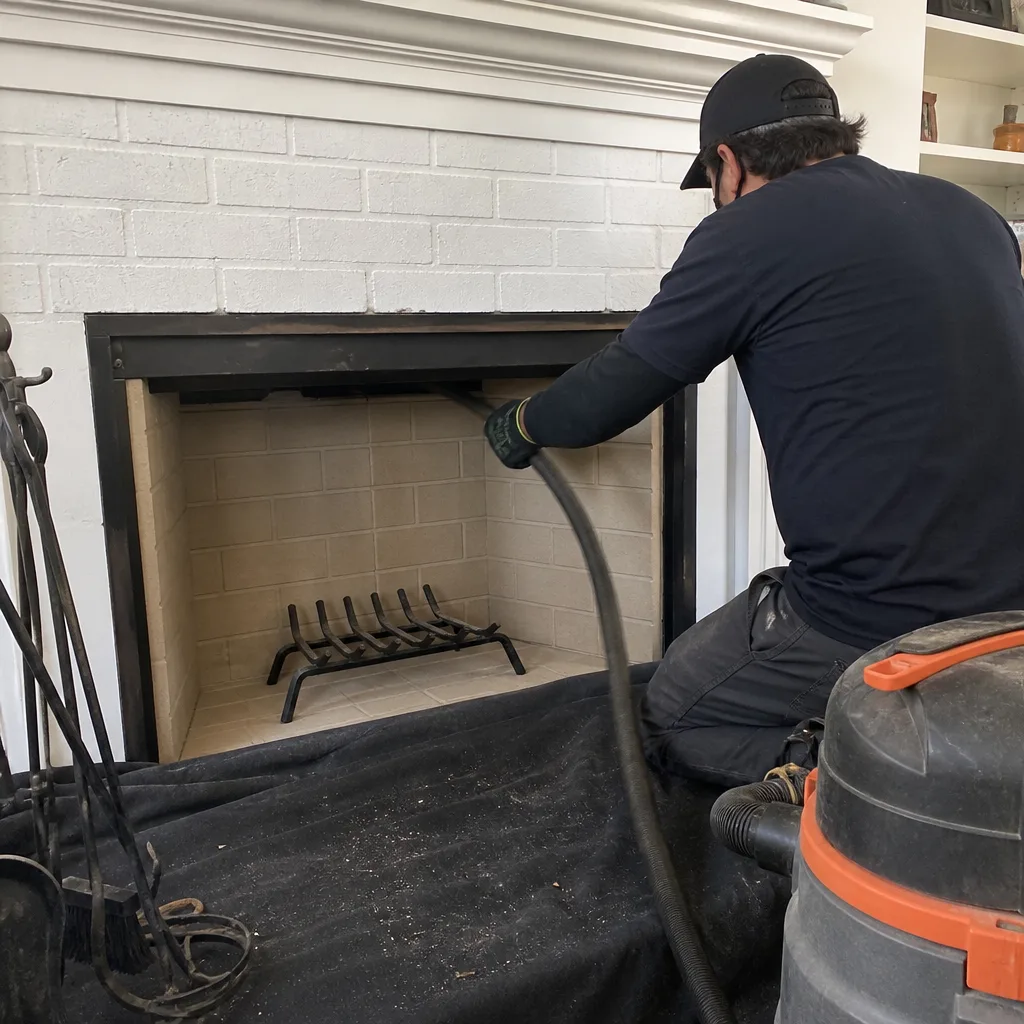
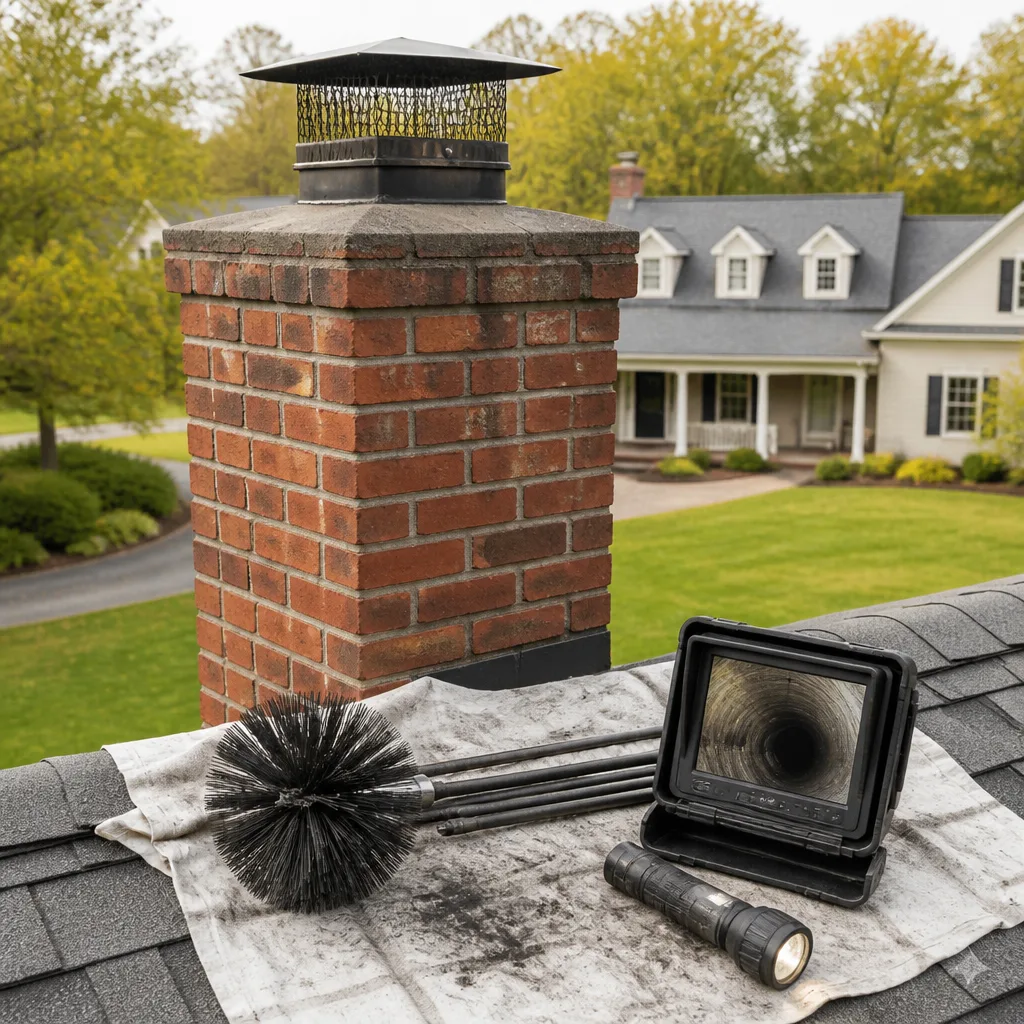 Sweep & inspection
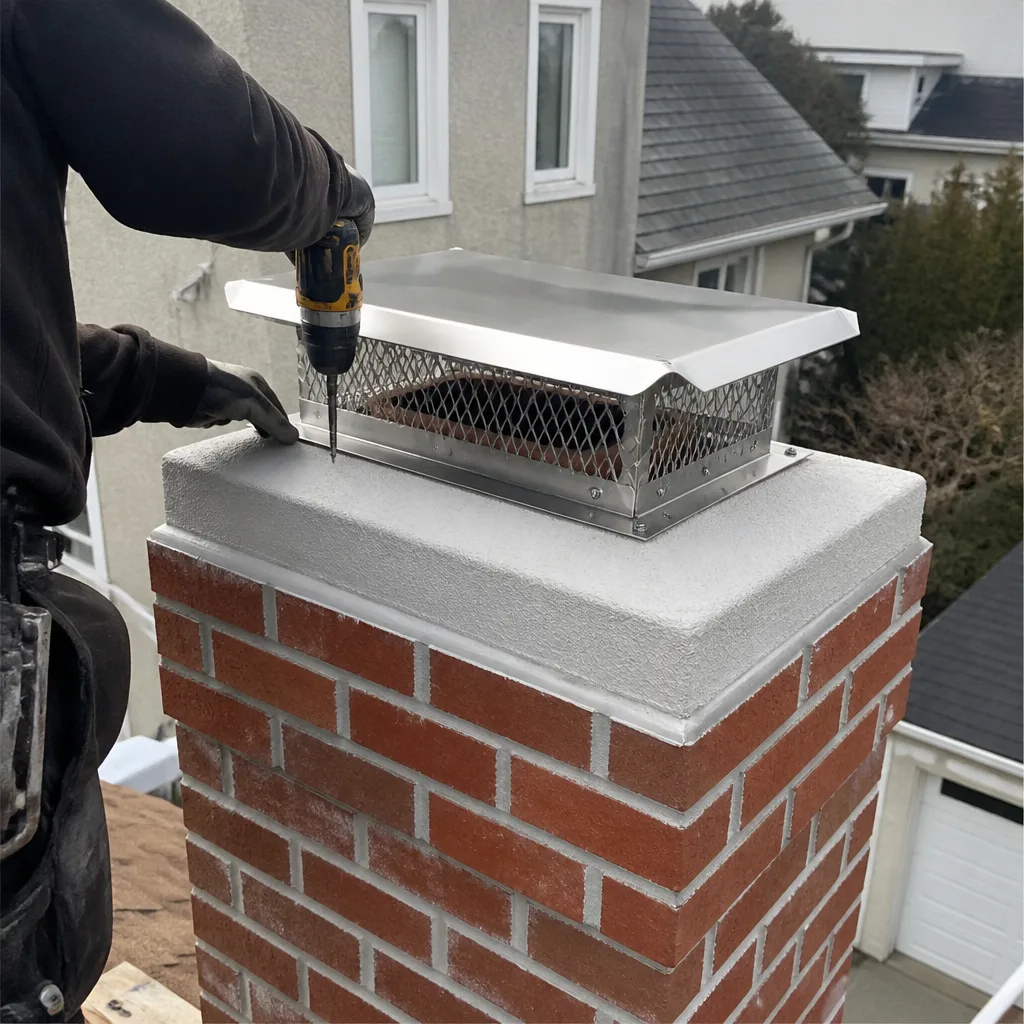
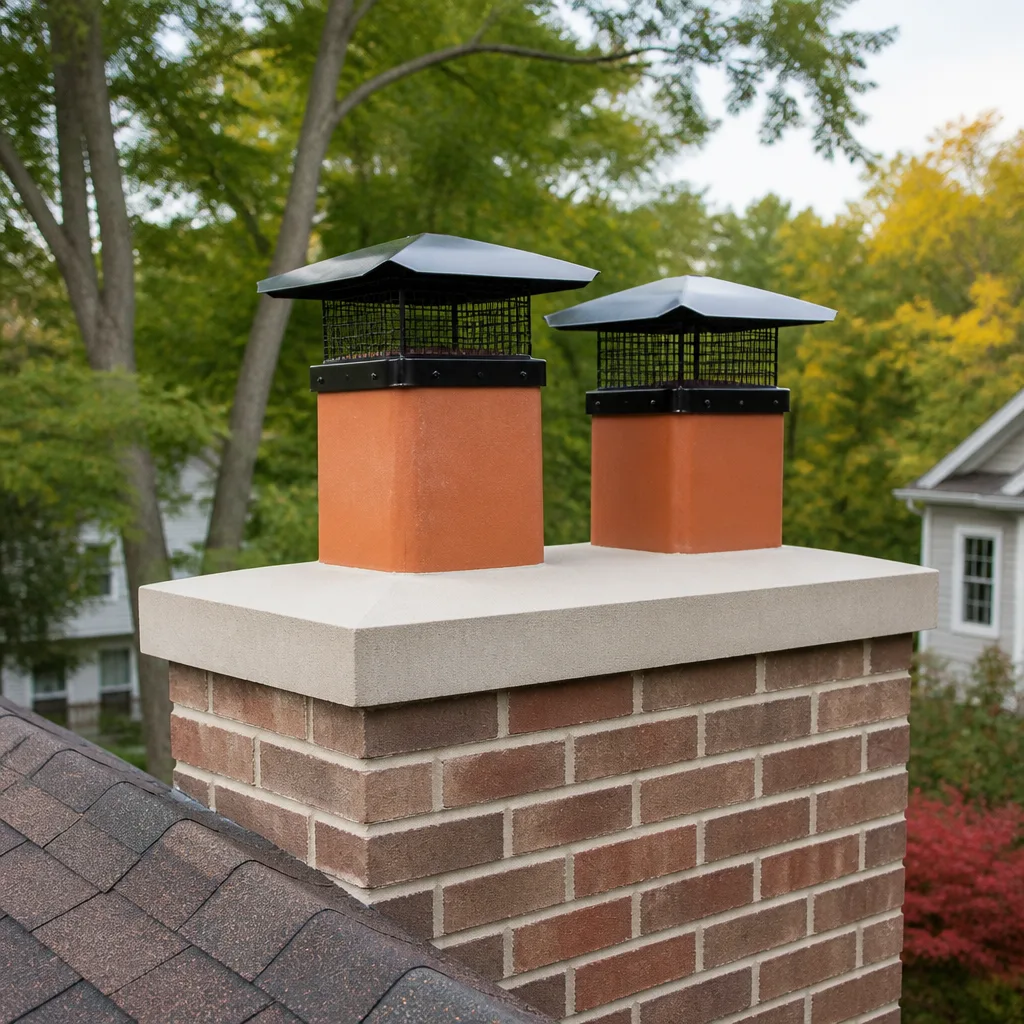 Caps & crowns
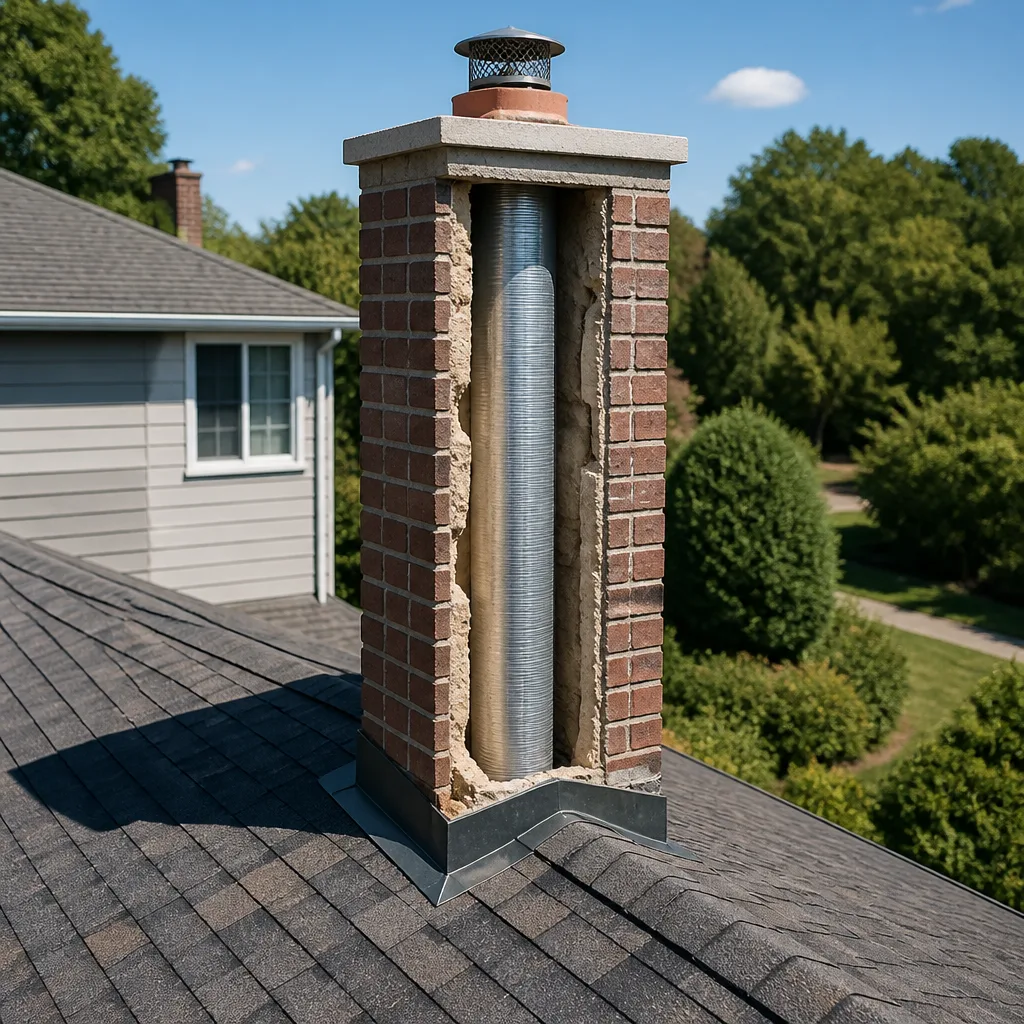 Flue relining
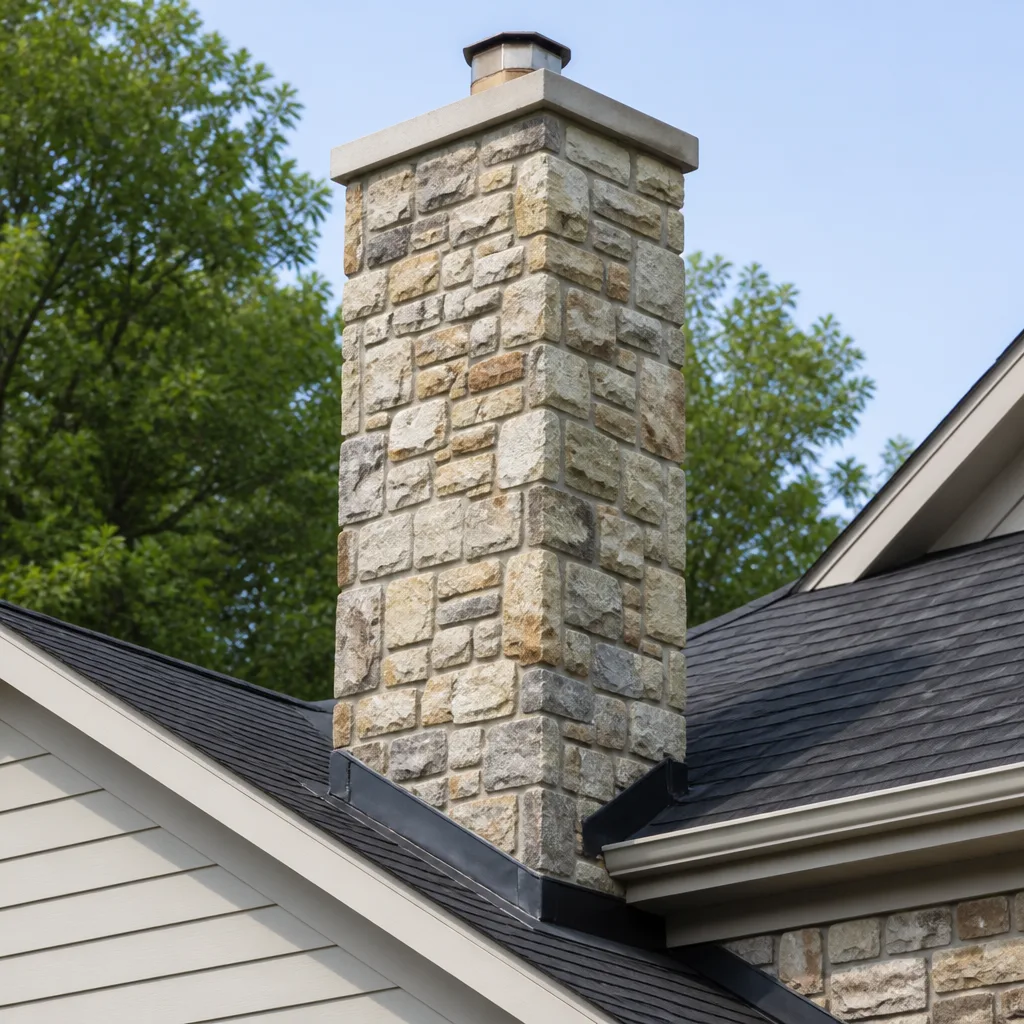 Masonry repair
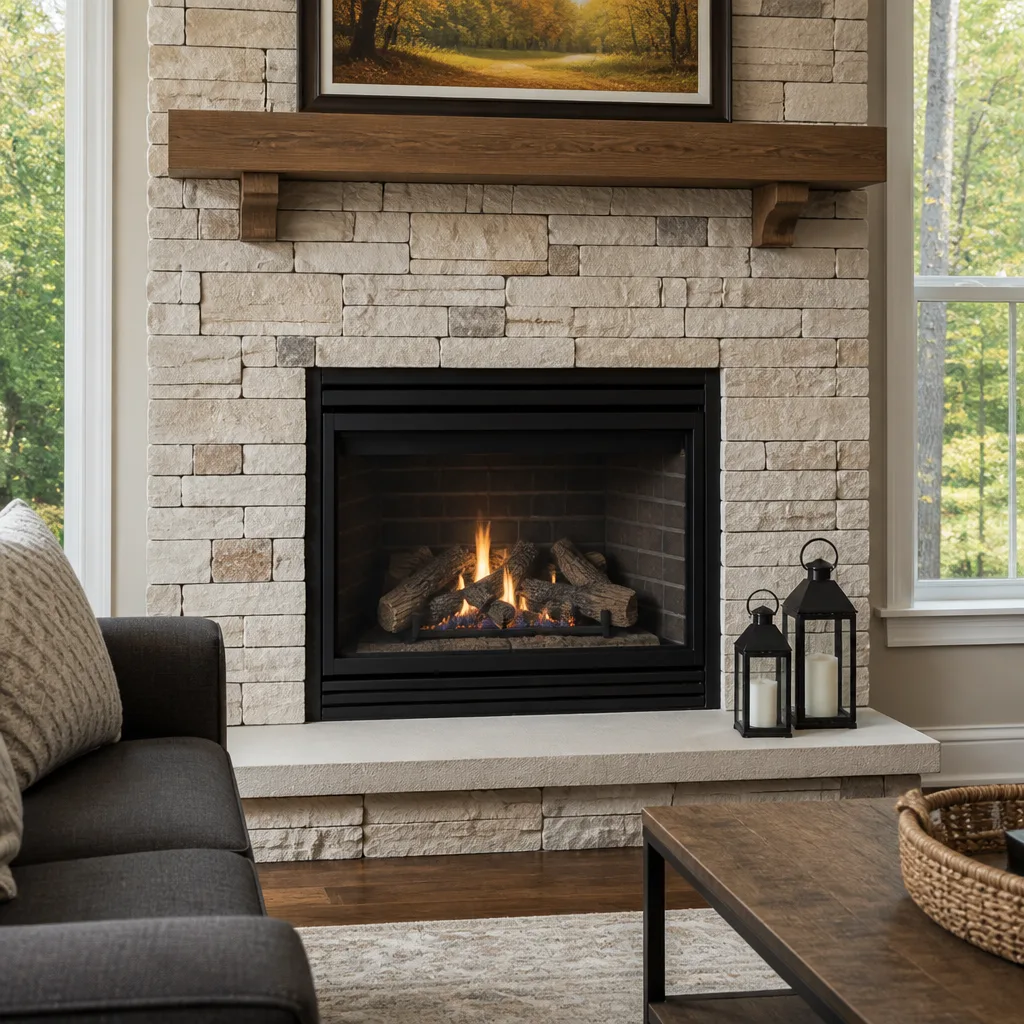 Gas fireplace service
Level 1 sweep and inspection to the NFPA 211 annual standard - flue, crown, cap, and flashing checked and photographed
Chimney sweep logs do not sweep chimneys. They loosen some creosote - which then falls where a brush and vacuum still have to collect it.
How to Hire a Chimney Cleaning Contractor in Brooklyn: A Step-by-Step Guide
The contractor who gives you a price in under 90 seconds on the phone, without asking your chimney type, fuel source, or last inspection date, has already told you everything you need to know about how they price surprises. Brooklyn is full of prewar brownstones with unlined masonry flues, 1960s-era co-ops with original terra cotta liners, and newer conversions with prefab metal chimneys, and a contractor who doesn’t know which one you have can’t possibly tell you what a cleaning will cost. This guide gives you the exact questions, in sequence, that reveal whether a chimney company in Brooklyn is transparent before the first brush goes up the flue. By the end, you’ll know how to vet credentials, read a quote line by line, and spot the gap between a low phone estimate and the real invoice.
Quick Answer
Hiring a chimney cleaning contractor in Brooklyn comes down to five diagnostic questions asked before booking: what kind of chimney do you have, what fuel do you burn, when was it last inspected, what’s included in the base price, and what’s specifically excluded. A transparent contractor answers all five without hesitation and sends a written price before any work begins. A contractor who won’t answer them, or who prices in under 90 seconds, is likely to arrive with an invoice that doesn’t match the phone quote.
Styles & brands we work with
Table of Contents
- The Five Diagnostic Questions to Ask Before Booking
- What CSIA Certification Actually Certifies (And What It Doesn’t)
- How to Read a Chimney Cleaning Quote Line by Line
- What a Written Care Promise Looks Like in Practice
- Brooklyn-Specific Licensing and Insurance to Verify
- Red Flags That Show Up Before the Crew Does
- How to Choose Between Contractors Once the Quotes Are In
- Common Mistakes to Avoid
- When to Call a Professional
- Frequently Asked Questions
The Five Diagnostic Questions to Ask Before Booking
Most Brooklyn homeowners don’t lose money to outright fraud. They lose it to the gap between a low phone quote and the real invoice, a gap that a few specific hiring questions close completely. Here are the five questions that separate transparent contractors from bait-and-switch operators in Brooklyn.
- “What type of chimney do I have, and how does that affect the price?” If the contractor can’t or won’t answer this before seeing the house, proceed with caution. Brooklyn’s housing stock includes unlined masonry flues in brownstones, clay tile liners in mid-century buildings, and factory-built metal chimneys in newer construction. Each requires different tools, different sweep techniques, and a different base price. A contractor who quotes without asking this question is guessing.
- “What fuel do I burn?” Wood, gas, and oil produce different kinds of creosote and soot. Gas flues need different inspection protocols than wood-burning fireplaces. In our experience in Brooklyn, a contractor who doesn’t ask about fuel source before quoting is likely to discover “complications” after the work begins.
- “When was the chimney last inspected?” If the answer is “never” or “more than two years ago,” a good contractor will tell you that a Level 1 inspection should happen alongside the sweep. A contractor who skips this question may be planning to upsell an inspection on site, or worse, skip it entirely and miss a liner crack or a blocked flue.
- “What’s included in the base price, and what’s billed separately?” This single question does more work than any other. A transparent contractor in Brooklyn will name the base sweep price, whether the inspection is included or separate, whether the damper check is included, and what materials are part of the job. A contractor who hedges here is likely to arrive with add-ons.
- “What will the crew do to protect my home while you work?” This isn’t a comfort question. It is a transparency test. A contractor who describes shoe covers, drop cloths, and a clean-up process in specific terms has a system. A contractor who says “don’t worry about it” has a problem waiting to happen on your floors, which in a Brooklyn brownstone often means original oak or parquet that is expensive to refinish.
Ask these questions in order, on the phone, before you book. The answers will tell you whether you’re speaking with a company that has a process or a company that has a truck and a brush.
What CSIA Certification Actually Certifies (And What It Doesn’t)
The Chimney Safety Institute of America (CSIA) is the most recognized credential in the chimney industry, and it certifies that an individual technician has passed an exam covering chimney science, inspection protocols, and safety standards. What it does not certify is a company’s pricing transparency, its clean-up practices, or its customer service. You can hire a CSIA-certified technician who still arrives with a vague verbal quote and a drop cloth that never makes it out of the truck.
Here is how to use the credential correctly when hiring in Brooklyn:
- Verify it applies to the technician, not just the company. A company can advertise CSIA certification while sending uncertified crew members to your home. Ask for the technician’s individual certification number and verify it on the CSIA website. This is a 60-second check that most homeowners in Brooklyn never make.
- Know what the certification tests. The CSIA exam covers fire science, chimney physics, inspection methods, and current codes. It does not test pricing ethics, clean-up habits, or how politely the crew treats your kids’ toys in the living room. Those things come from a company’s written promises, not from a credential.
- Pair the credential with a written care promise. A CSIA certification tells you the technician knows how a chimney works. A written care promise tells you what happens if the work is sloppy, what the price includes, and how the home will be left. Both matter. In Brooklyn, where many homes have prewar chimneys that have been patched and relined over decades, the combination of technical knowledge and process transparency is the real bar.
The takeaway: CSIA certification is a strong baseline for technical competence. It is not a substitute for a written price, a stated clean-up process, or a guarantee that stands behind the work. When we hire technicians at Kindling Chimney Brooklyn, all of them are background-checked and trained on the C.A.R.E. values, because the credential proves knowledge but the process proves respect for the home.
How to Read a Chimney Cleaning Quote Line by Line
A chimney cleaning quote should read like a clear sentence, not a mystery novel. Here is what should be itemized, what should be flat-rate, and what should never appear as an “if needed” add-on when you’re hiring in Brooklyn.
What Should Be Itemized
- The sweep itself. A standard chimney sweep in Brooklyn typically runs between $200 and $450 for a single flue, depending on chimney type and accessibility. This should be a specific number on the quote, not a range spoken over the phone.
- The inspection. A Level 1 inspection is often bundled with the sweep, but if it’s separate, it should say so. A separate Level 1 inspection in Brooklyn generally adds $75 to $200. Ask whether the inspection includes a written report and photos.
- Materials. If the quote includes a chimney cap, a new damper, or a waterproofing treatment, each item should have its own line with a specific price. Professional-grade materials from brands like Gelco or Olympia Chimney cost more than generic hardware-store equivalents, and the quote should say which one you’re getting.
What Should Be Flat-Rate
- The clean-up. Protecting floors, furniture, and air quality is part of the job, not an upsell. A flat-rate quote should say something like “drop cloths and shoe covers included, clean-up photo provided.” In Brooklyn apartments and brownstones with narrow stairwells and original flooring, this is non-negotiable.
- The base sweep, once quoted. If a contractor gives you a written price of $325 for the sweep, that price should hold unless the inspection reveals something genuinely unexpected. The “unexpected” part should be documented with photos before you’re asked for a change order.
What Should Never Appear as an “If Needed” Add-On
- The liner inspection. Checking the liner is part of the job. A contractor who lists “camera inspection: additional charge” for a fireplace that hasn’t been swept in years is charging you for something that any thorough sweep includes. At Kindling Chimney Brooklyn, we include a camera inspection and photo report on every Chimney Inspection in Brooklyn so you can see exactly what the chimney looks like before any repair is discussed.
- The damper check. Opening and closing the damper to confirm it works is basic. It should never be a separate line item.
- Creosote disposal. A contractor who charges a separate “disposal fee” for the creosote removed from your chimney is nickel-and-diming you. Disposal is part of the sweep.
- Vague “repairs as needed.” If the quote includes a category called “repairs as needed” without a cap or a defined process, cross it out. Nothing should be recommended without camera evidence you can see. If a contractor says you need a new liner after a visual-only check, ask for the camera images. If none exist, get a second opinion.
What a Written Care Promise Looks Like in Practice
Marketing language promises a lot. A written care promise is different: it names specific protections and specific outcomes, in writing, before the crew arrives. Here is what it looks like when you’re hiring a chimney cleaner in Brooklyn.
A real care promise covers three things. First, price: a written price before any work starts, not a verbal estimate. Second, clean-up: specific protections for floors and furniture, and proof of the clean-up afterward. Third, craftsmanship: a stated guarantee that the work will be done right, with a process for making it right if it isn’t.
In practice, that means the company hands you a document that says something close to this: shoe covers and drop cloths go down on arrival, nothing is moved without asking, a photo of the clean-up is taken before the crew leaves, and if the work isn’t right, the company returns to fix it at no charge within a defined window. At Kindling Chimney Brooklyn, that guarantee is the 365-Day Done Right Promise: if it’s not done right, we make it right. No fine print, no runaround. And every visit follows the Cedarwell Care Promise, which names the specific protections: shoe covers and drop cloths on arrival, a written price before work begins, and a photo of the clean-up before the crew leaves.
Ask to see the promise before you book. If the company doesn’t have one, or if the promise is vague (“we always treat your home with respect”), that’s a sign the protections are ad hoc, not systematic. In Brooklyn, where many families live in older homes with original floors and radiators that make a mess all their own, a written clean-up process is the difference between a service call and a restoration bill.
Brooklyn-Specific Licensing and Insurance to Verify
Before a crew enters your Brooklyn home, there are two things to confirm: licensing and insurance. Here is what to check and how.
Licensing
New York City requires home improvement contractors to be licensed by the NYC Department of Consumer and Worker Protection (DCWP). This applies to chimney cleaning and repair work performed in Brooklyn; for a deeper look at requirements, see Chimney Cleaning Permits, Codes & Inspections in NY: What You Need to Know. Ask for the license number and verify it on the DCWP website. The license confirms the company has registered with the city and is authorized to perform home improvement work. It does not confirm the quality of the work, but it confirms the company is legitimate and trackable.
Insurance
A chimney cleaning company in Brooklyn should carry general liability insurance and workers’ compensation. General liability protects your home if the crew damages it. Workers’ compensation protects you from liability if a technician is injured on your property. Ask for certificates of insurance and call the carrier to confirm the policy is active. A company that hesitates to provide proof is not one you want working above your fireplace in a prewar Brooklyn brownstone.
One More Thing: The C.A.R.E. Values
Licensing and insurance are the legal floor. The behavioral ceiling is whether the company has a defined process for how its technicians act inside your home. At Kindling Chimney Brooklyn, every tech follows the C.A.R.E. values: shoe covers and drop cloths go down on arrival, nothing is moved without asking, and a photo of the clean-up is taken before the crew leaves. That is a process, not a hope. Ask any contractor you’re considering: “What exactly will your crew do when they walk through my front door?” The answer tells you whether the company has a system or just a truck.
Red Flags That Show Up Before the Crew Does
Some red flags announce themselves on the phone, before you’ve even booked. Here are the ones to watch for when hiring a chimney cleaner in Brooklyn.
- The 90-second quote. If the contractor gives you a firm price before asking about chimney type, fuel source, or last inspection date, that price is fiction. It will change when the crew arrives.
- The “we were just in your neighborhood” call. Unsolicited calls offering a chimney cleaning “special” are almost always bait. Legitimate chimney companies in Brooklyn don’t cold-call to fill empty slots.
- The price that’s dramatically below average. If a Brooklyn contractor quotes $79 for a full chimney sweep, the number is a loss leader. The real money will be extracted through “repairs” discovered on site. A standard sweep in Brooklyn costs between $200 and $450 for a reason: it takes time to do correctly, with proper drop cloths, proper brushes, and proper inspection.
- The refusal to provide a written quote. If the contractor will only quote verbally, or says “we’ll figure it out on site,” that’s a signal the final price is negotiable upward. A written quote should be standard, and at Kindling Chimney Brooklyn, a written price is delivered before any work starts, every time, with no on-the-spot pressure.
- The missing insurance certificate. If the company says “we’re insured” but won’t produce a certificate, assume they’re not. In New York City, where property values are high and liability claims are higher, uninsured work is a risk you don’t take.
- The pressure to “act now.” A legitimate chimney company in Brooklyn does not use countdown language or urgency tactics. If someone is pushing you to book today because the price expires tomorrow, the pressure is the business model.
How to Choose Between Contractors Once the Quotes Are In
You’ve called three companies, asked the five diagnostic questions, and received three quotes. Now what? Here is the sequence for choosing, based on what matters in Brooklyn specifically.
- Compare the written quotes line by line. Put them next to each other. Does one include the inspection and another bill it separately? Does one specify the materials and another just say “materials”? The line items reveal what each company considers part of the job.
- Ask about the guarantee in writing. Every company says they’ll “make it right.” Only a few put it in writing with a defined window. Ask: “What is your guarantee, and where is it written?” A written 365-day promise is worth more than a verbal “we stand behind our work.”
- Check how the phone was answered. This sounds small, but it tells you about the company’s operations. Did a live person answer? Was there a voicemail tree? At Kindling Chimney Brooklyn, a live person answers every call, 24 hours a day, 7 days a week. If the other company sent you to voicemail and called back two days later, that’s a signal about responsiveness when something goes wrong.
- Look for the clean-up process in writing. In a Brooklyn brownstone with original floors, the clean-up process matters as much as the sweep. A company that won’t put its clean-up process in writing doesn’t have one.
- Trust the quote that names specific materials. If you’re getting a new chimney cap or a liner repair, the quote should name the brand. Professional-grade materials from brands like Famco or Copperfield cost more than generic hardware and last longer. A quote that names the material is a quote from a company that knows what it’s ordering.
Once you’ve run this sequence, the choice usually makes itself. The contractor with a written price, a written clean-up process, a written guarantee, and a live person on the phone is the one treating your Brooklyn home like a home, not a job site.
Common Mistakes to Avoid
- Hiring the cheapest quote without comparing line items. The $79 sweep becomes a $900 “repair” call by noon. Compare what’s included, not just the bottom line.
- Assuming CSIA certification covers everything. The credential proves technical knowledge. It doesn’t prove the company will protect your floors or honor a written price. Verify both.
- Skipping the licensing check. In Brooklyn, a DCWP license is required for home improvement work, including chimney cleaning. It takes two minutes to verify online, and unlicensed work has no city recourse.
- Accepting a verbal quote as final. If it’s not in writing, it didn’t happen. A written price before work begins is the single most important protection a Brooklyn homeowner has against surprise invoices.
- Letting a technician recommend a liner replacement without camera evidence. Liners are expensive. Photos are free. Never approve a liner or masonry recommendation you haven’t seen with your own eyes. We include a camera inspection and photo report on every Chimney Sweep in Brooklyn so there’s no guesswork.
- Ignoring the clean-up process until the crew arrives. By then it’s too late. Ask before you book what will be placed on the floors, what will be moved, and how the crew will confirm the clean-up happened. If there’s no defined process, choose another contractor.
- Booking a sweep during peak season without asking about scheduling. Brooklyn’s fall and early winter are the busiest time for chimney companies. The contractor who can squeeze you in tomorrow may be cutting corners. A company with a defined schedule and a live person on the phone is worth the wait.
When to Call a Professional
Some situations are not DIY-friendly and should trigger a call to a professional chimney cleaner. If you smell smoke in the house when the fireplace is not in use, if you see visible creosote buildup that looks like dark, shiny, or flaky tar inside the flue, if you hear animals in the chimney, or if it has been more than two years since your last inspection, call a professional. If you just bought a Brooklyn home with a fireplace and don’t know its service history, that’s another clear trigger. Finally, if water is staining the walls or ceiling near the chimney, the issue may be flashing or masonry, not just soot. For year-round maintenance tips, read our Seasonal Chimney Cleaning Care for Brooklyn: Year-Round Homeowner’s Guide. Kindling Chimney Brooklyn offers free estimates in Brooklyn – call (607) 695-6218.
Frequently Asked Questions
A standard chimney sweep in Brooklyn typically costs between $200 and $450 for a single flue, depending on the chimney type and accessibility-see our Chimney Cleaning Cost Breakdown: The Brooklyn Homeowner’s Reference for 2026 for full pricing details. A Level 1 inspection adds $75 to $200 if it isn’t already bundled. The biggest variable is what’s included: a written quote that names the sweep, the inspection, and the clean-up process protects you from add-ons. Call (607) 695-6218 and a live person at Kindling Chimney Brooklyn will give you a written price before any work starts.
CSIA certification is a solid baseline that confirms the technician passed a comprehensive exam on chimney science and inspection protocols, and it’s worth asking for. But it doesn’t certify pricing transparency or clean-up habits, so pair it with a written care promise that names the protections in writing. Ask for the individual technician’s certification number, not just the company’s, and verify it on the CSIA website.
The National Fire Protection Association recommends a chimney inspection at least once a year, and a sweep whenever creosote buildup reaches 1/8 inch or more. In Brooklyn, where many fireplaces are in older homes with unlined or clay-tile flues, an annual sweep and inspection is a practical baseline, especially if you burn wood more than a couple of evenings a month during the heating season. Call (607) 695-6218 to schedule a Kindling Chimney Brooklyn home consultation and we’ll tell you what your specific chimney needs.
Ask for the camera evidence. Any legitimate chimney company can show you photos of the liner damage, and in Brooklyn’s older housing stock, liner cracks do happen, sometimes after decades of service. But no repair should ever be recommended on a visual check alone. If photos aren’t available, get a second opinion from a company that includes camera inspection in the sweep. A liner replacement is a real investment and should be documented, not sold over the phone.
Yes, because a written guarantee tells you what happens when something goes wrong, and houses in Brooklyn don’t wait for verbal reassurance. Look for a guarantee with a defined window: for example, a 365-day promise that says the company will return and fix the work at no charge if it wasn’t done right. A guarantee with no defined window is not a guarantee, it’s a sentiment. Ask to see the promise in writing before you book.
Set the rule in the initial phone call: no repair recommendations without camera evidence, and any change to the written price requires a written change order with a photo attached. Tell them you will not approve work on a verbal recommendation. A transparent contractor in Brooklyn accepts this without hesitation, and at Fireplace Repair in Brooklyn, our techs follow exactly this process: show the photos, explain the recommendation, and let the homeowner decide without pressure.
The Bottom Line
Hiring a chimney cleaning contractor in Brooklyn is not about finding the lowest price. It is about finding the company whose words match its invoice. The five diagnostic questions close the gap between phone quote and final bill. The line-by-line quote review catches the “if needed” add-ons before the crew arrives. The written care promise tells you how the home will be protected and what happens if the work isn’t right. Verify the license, check the insurance, and ask for the clean-up process in writing. If a company gives you a written price before work begins, shows you camera evidence before recommending repairs, and stands behind the work with a defined promise, you’ve found the right one. In Brooklyn, where so many homes carry a century of chimney history, that’s worth more than a discount. Explore more guides & resources to protect your home.
Written by Danny Cortes, Owner at Kindling Chimney Brooklyn, serving Brooklyn since 2003.
See the difference
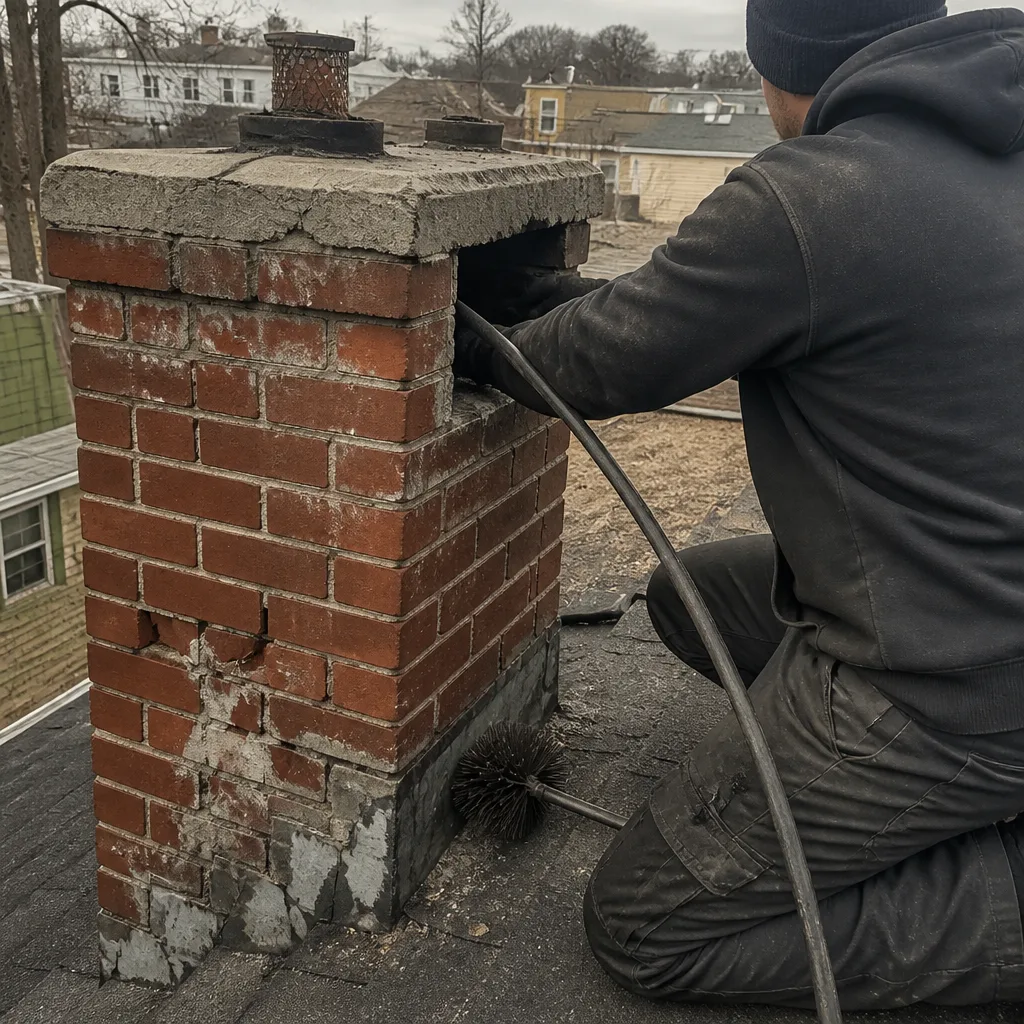 Before
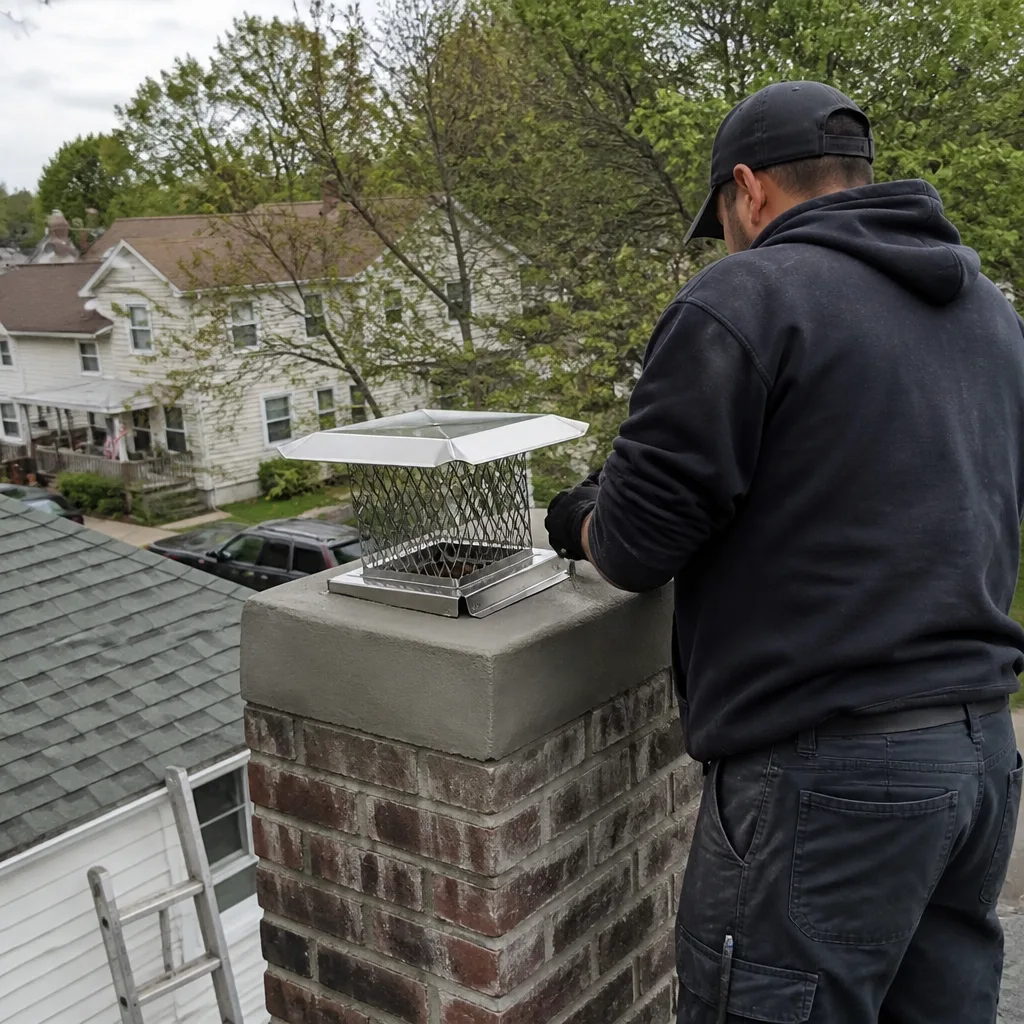 After
After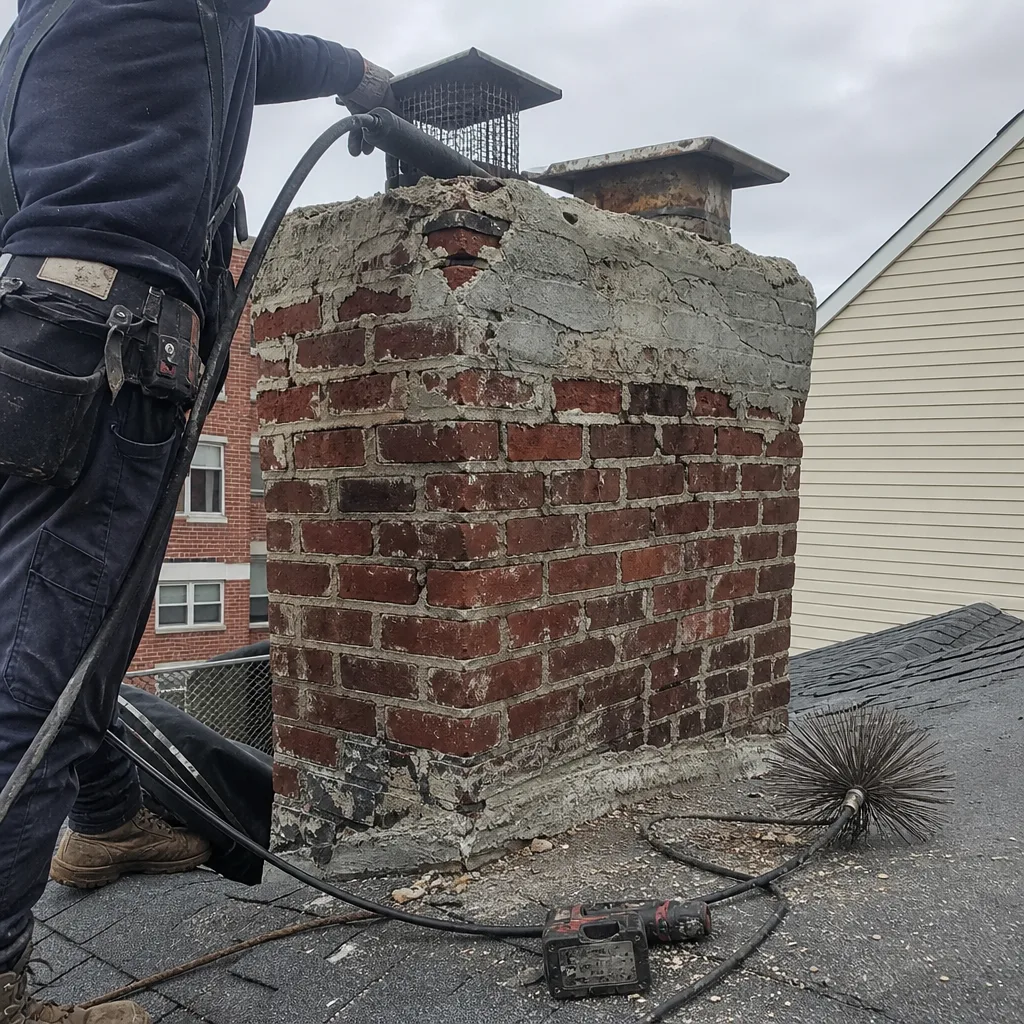 Before
 After
After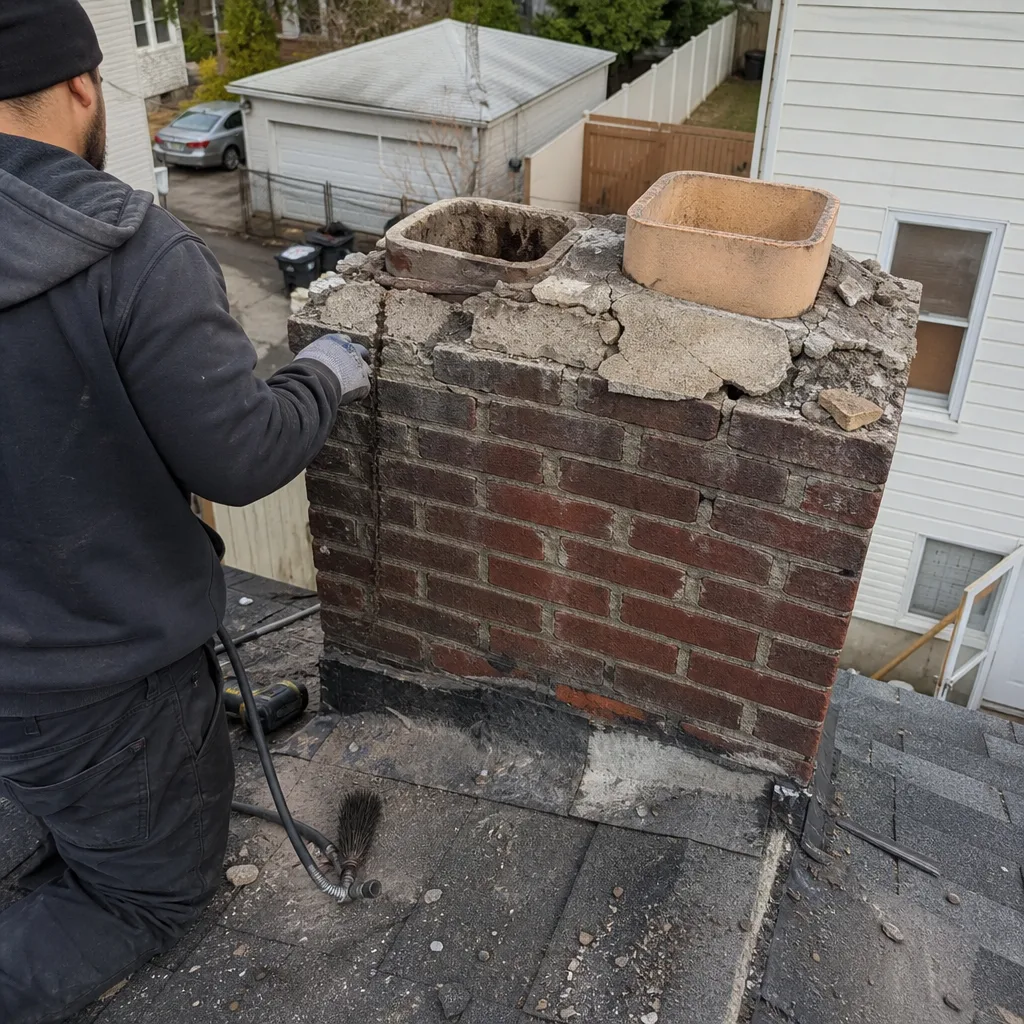 Before
 After
After