
Last updated October 15, 2026
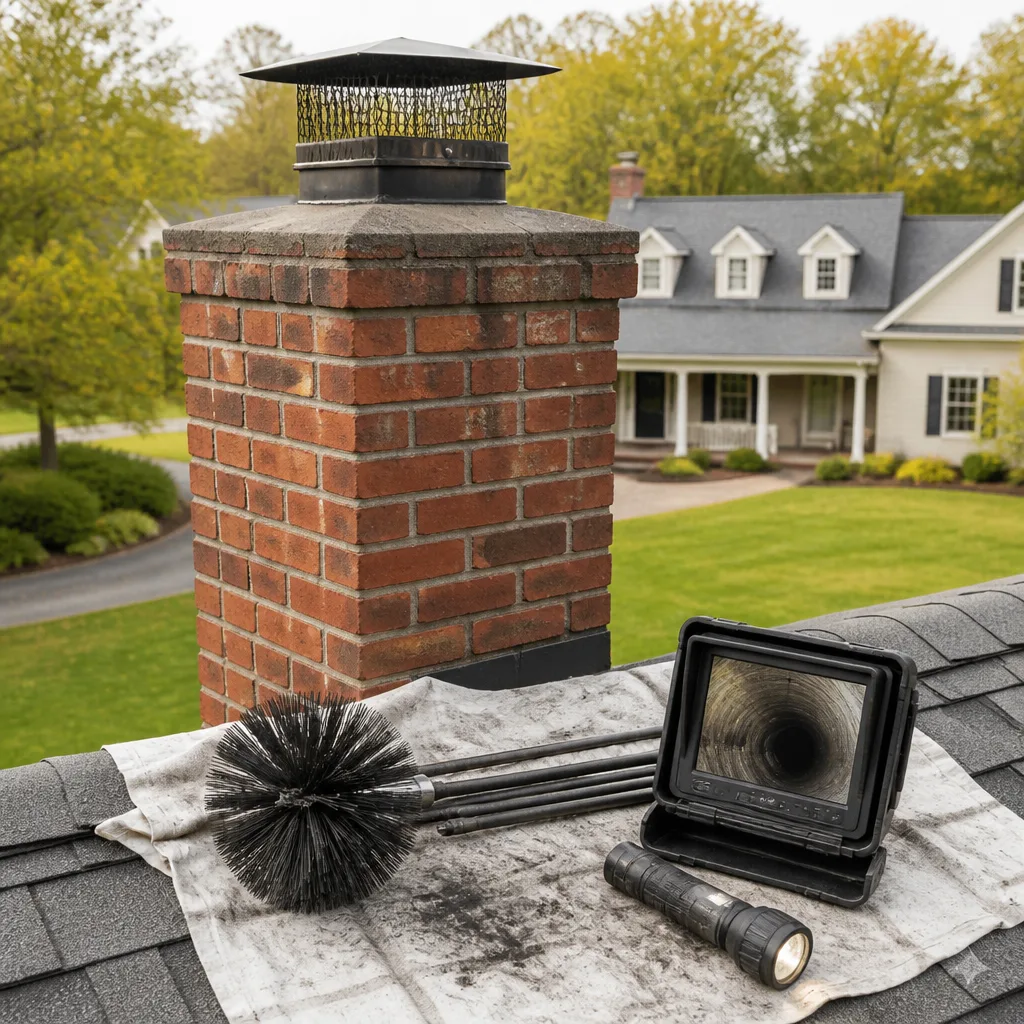 Sweep & inspection
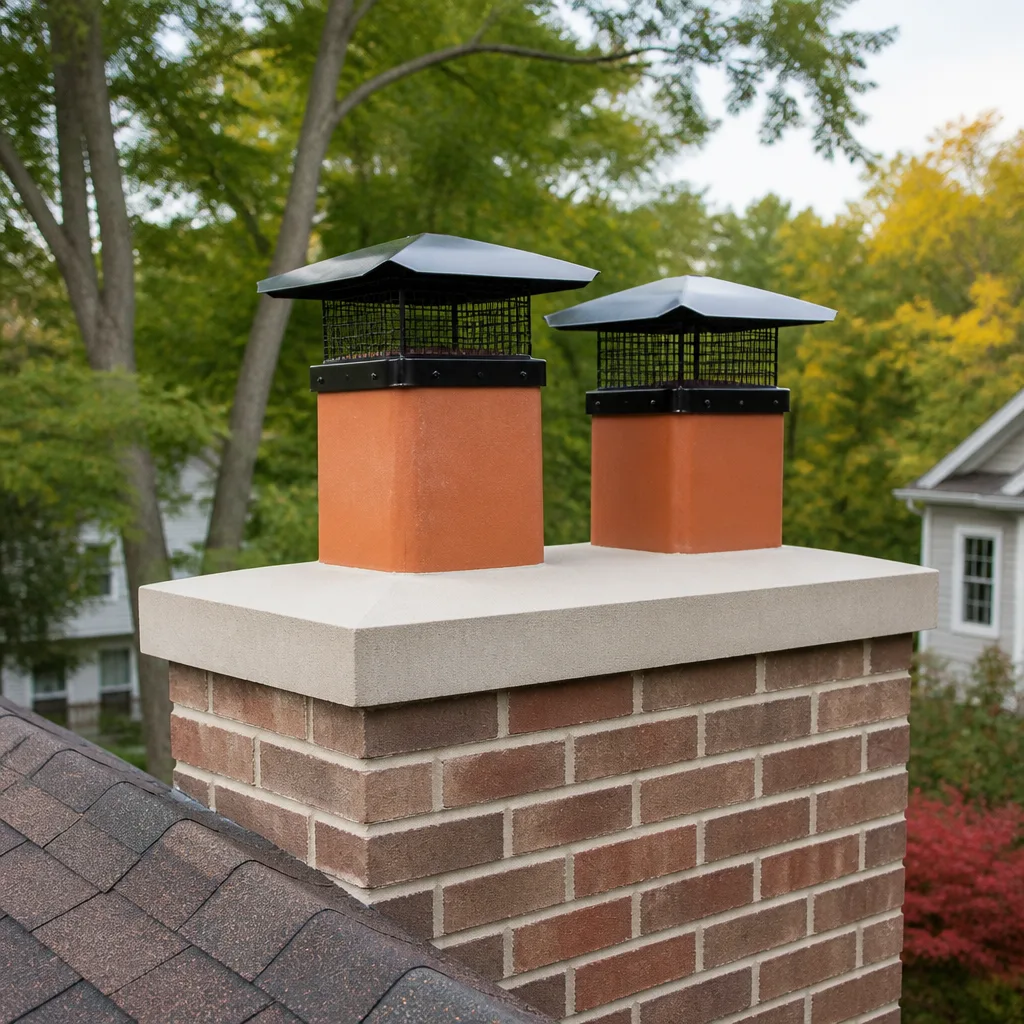 Caps & crowns
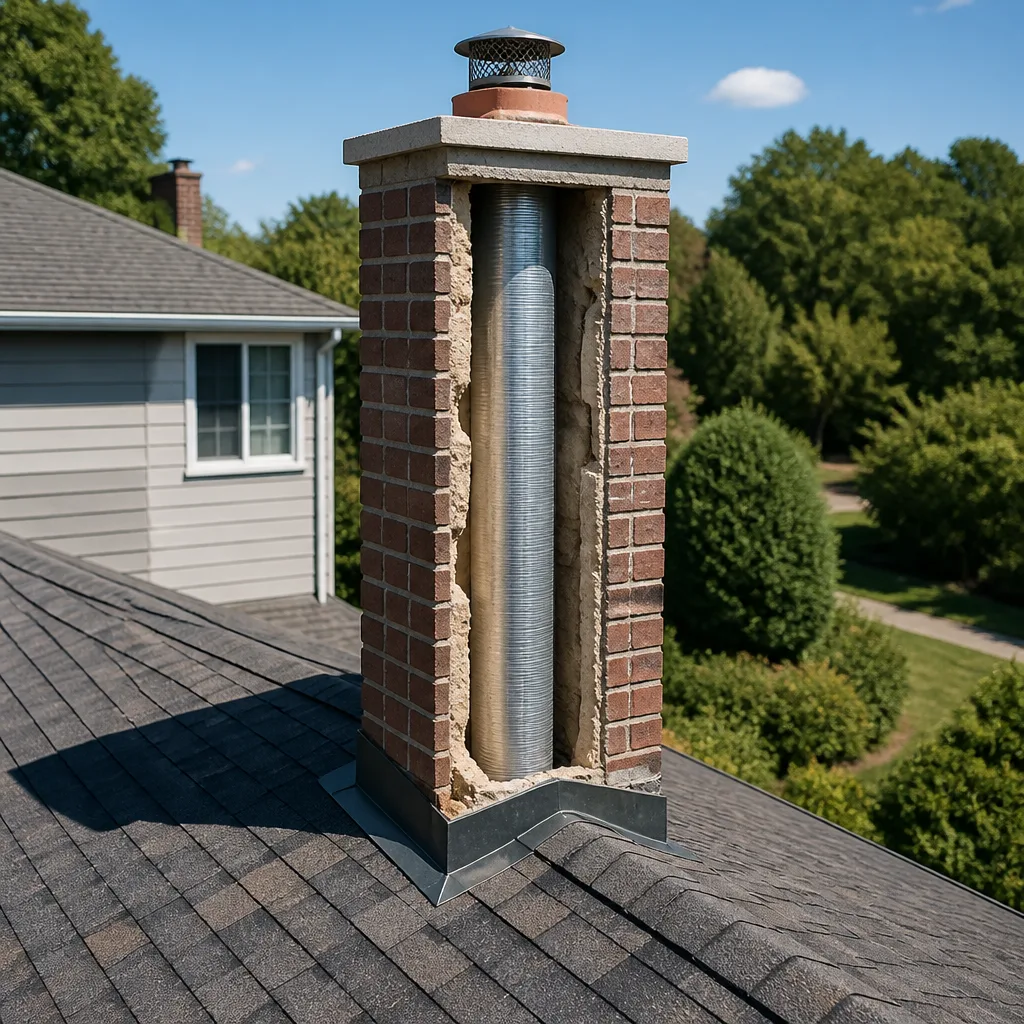 Flue relining
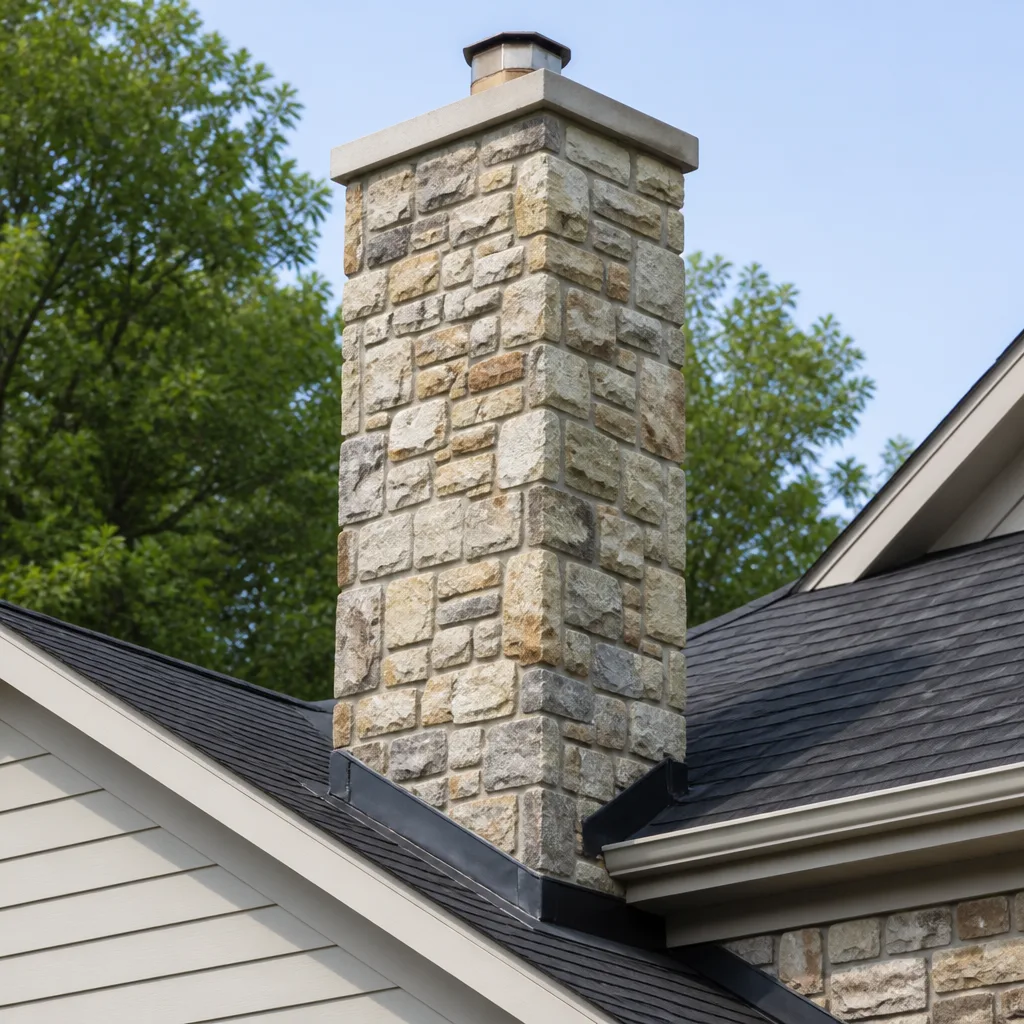 Masonry repair
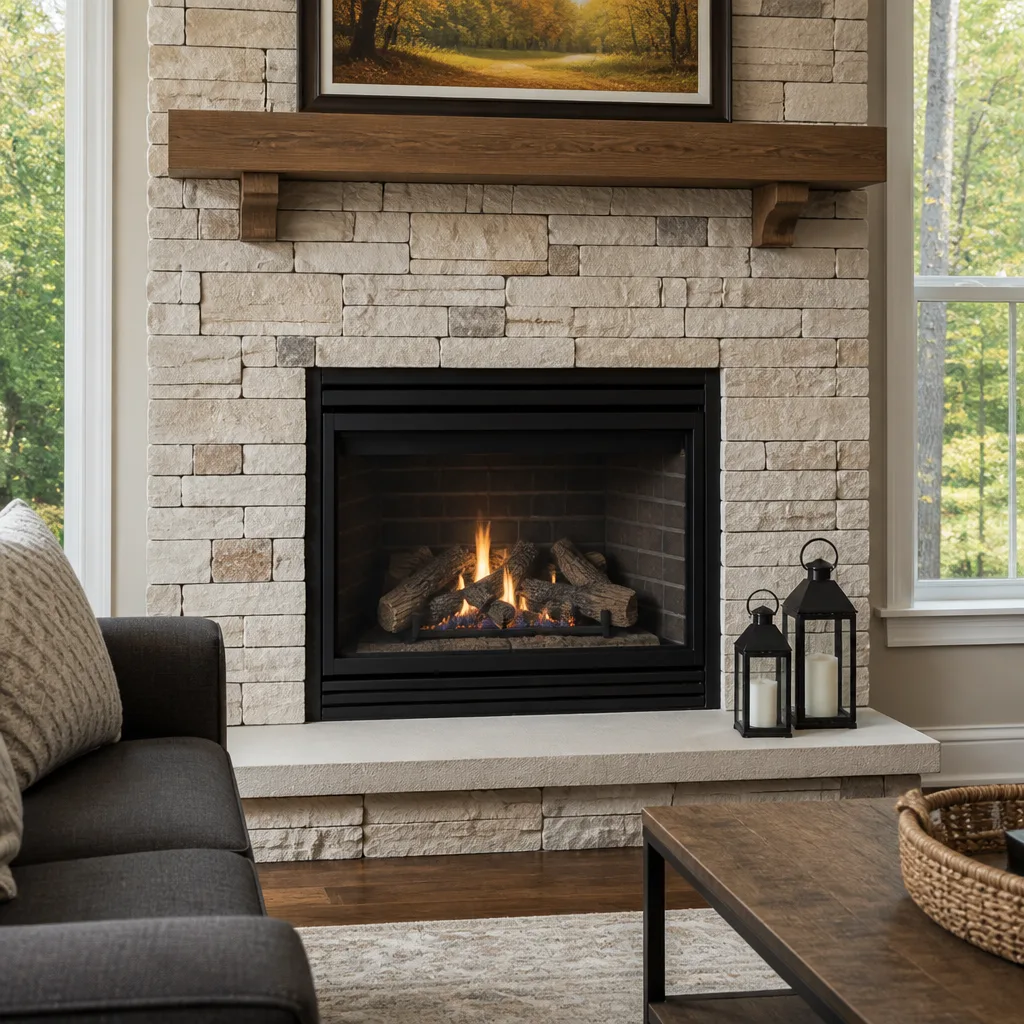 Gas fireplace service
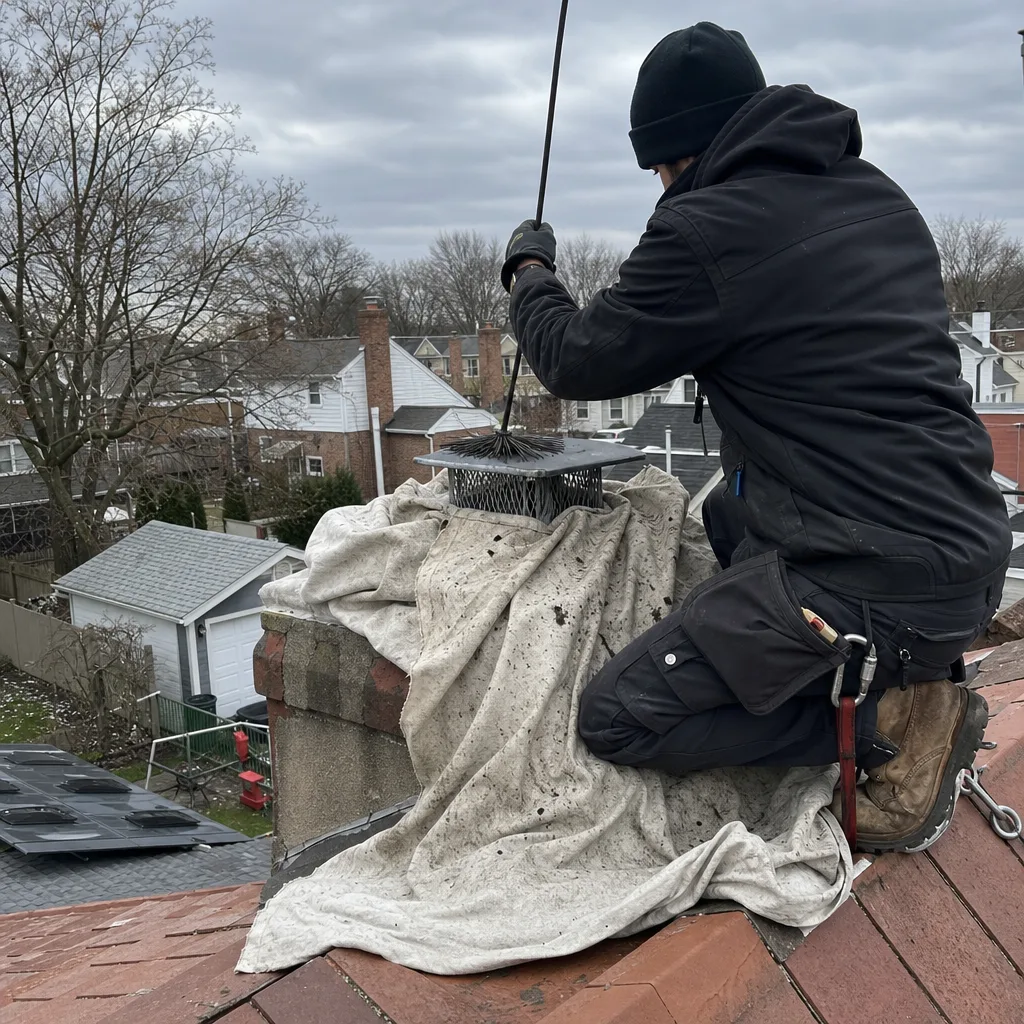
Level 1 sweep and inspection to the NFPA 211 annual standard - flue, crown, cap, and flashing checked and photographed
Chimney sweep logs do not sweep chimneys. They loosen some creosote - which then falls where a brush and vacuum still have to collect it.
The Complete Guide to Chimney Cleaning in Brooklyn
More than 60% of Brooklyn’s residential housing stock was built before 1960, which means most families lighting a fire tonight are relying on a flue designed for a fuel their home no longer burns. A brownstone fireplace built for coal in 1910, later converted to oil, then gas, then back to wood, carries a layered history inside its flue that no generic sweeping approach can safely address. This guide walks through exactly which chimney type you likely have in Brooklyn, what “clean” actually means for each one, and how to know when a sweep is enough versus when the flue needs deeper work. For more on deciding between DIY and professional care, see our Brooklyn homeowner’s comparison. By the end, you’ll know what to ask any chimney company before they step through your front door.
Quick Answer
Chimney cleaning in Brooklyn typically costs between $189 and $349 for a standard open-flue sweep, depending on the chimney type, accessibility from the roof, and how much creosote or soot has accumulated. A Brooklyn brownstone with a pre-war flue should almost always start with a Level 2 inspection before any cleaning, because the flue’s age and multiple fuel conversions create hidden risks a basic sweep won’t catch. The cleaning itself takes 45 to 90 minutes, but the inspection, setup, and clean-up protection for your floors and furniture make the full visit run about two hours.
Styles & brands we work with
Table of Contents
- How to Identify Your Brooklyn Chimney Type
- Level 1 vs Level 2 Inspection: What Brooklyn Homeowners Actually Need
- The Three Creosote Stages and Why Stage 2 Is the Quiet Threshold
- How Urban Soot from Neighboring Buildings Affects Brooklyn Flues
- What a Proper Chimney Cleaning Should Include in Brooklyn
- What a Written Care Promise Should Include Before Any Sweep Begins
- How to Choose a Chimney Company in Brooklyn Without Getting Burned
- Common Mistakes to Avoid
- When to Call a Professional
- Frequently Asked Questions
How to Identify Your Brooklyn Chimney Type
Brooklyn chimneys fall into four broad categories, and each one demands a different cleaning protocol. Treating a converted gas flue like a wood-burning masonry chimney is how damage quietly begins, because the tools, chemicals, and even the inspection points differ. Here’s how to figure out what you’re working with.
1. Pre-War Clay Tile Flues (Most Common in Brownstones and Rowhouses)
If your home was built between roughly 1880 and 1940, your chimney almost certainly has a terra cotta clay tile liner. These flues were designed for coal, which burns cooler and produces a fine, powdery soot rather than the sticky creosote that wood creates. The clay tiles are brittle, and after a century of freeze-thaw cycles on Brooklyn rooftops, many have developed hairline cracks that let heat and gases escape into the wall cavity. Cleaning these flues requires gentler brushes and a patient pace, because aggressive mechanical sweeping can accelerate tile deterioration. Before we sweep a pre-war flue, we always check for signs of spalling, the flaking or crumbling of clay tile surfaces that signals the liner has reached the end of its useful life.
2. Converted Oil-to-Gas Flues
A huge number of Brooklyn homes converted from oil heat to natural gas between the 1950s and 1980s, often without updating the chimney. Gas burns cleaner than oil, but it produces water vapor as a byproduct. When that vapor hits the old oil-soaked bricks and mortar, it creates a mildly acidic slurry that eats away at the masonry from the inside. A gas flue that has never been properly relined will show flaking mortar joints, white efflorescence stains on the exterior brick, and sometimes a musty smell in the room below. Cleaning a converted flue is not about removing creosote; it’s about removing the degraded mortar and soot that restricts draft and accelerates corrosion. This is also where a Level 2 inspection matters most, because the old oil residue can hide cracks that only a camera scan will reveal.
3. Masonry Fireplaces with Modern Stainless Liners
Many Brooklyn families have upgraded their old masonry flues with stainless steel liners, often from brands like Olympia Chimney or Copperfield. These liners are typically 316L or 904L stainless steel, and they’re dramatically safer than bare clay tile because they contain heat and gases even if the surrounding masonry is compromised. Cleaning a stainless liner uses a poly brush rather than a wire brush, because steel-on-steel contact scratches the liner and creates sites where creosote can grip. If your liner was installed after a chimney fire or as part of a fireplace conversion, you need a sweep who knows what diameter and alloy your liner is before choosing the brush size.
4. Unlined Masonry Flues (Pre-1920s Buildings)
A small but meaningful number of Brooklyn’s oldest buildings still have unlined chimneys, meaning the flue is just raw brick and mortar with no clay tile, no metal liner, nothing between the fire and the wall structure. These are the most dangerous chimneys in the borough, and they should never be used for wood burning without a professional assessment. Cleaning an unlined flue is about triage: we document the condition, recommend the appropriate liner (DuraFlex and Gelco are two we use regularly), and make sure the homeowner understands what can wait and what can’t. We have yet to meet an unlined Brooklyn flue that didn’t need at least some attention.
If you’re not sure which type you have, the fastest way to find out is a camera inspection. For a deeper look at what that involves, see our Chimney Inspection in Brooklyn page.
Level 1 vs Level 2 Inspection: What Brooklyn Homeowners Actually Need
The National Fire Protection Association (NFPA) defines three levels of chimney inspection, and the difference between Level 1 and Level 2 is the single most misunderstood concept in the chimney industry. Level 1 is a visual check of the accessible portions of the chimney with a flashlight, done during a routine sweep when nothing has changed about the system. Level 2 adds a video camera scan of the entire flue interior, plus inspection of accessible attic, crawlspace, and basement areas around the chimney. The third level, Level 3, involves opening up walls or removing masonry and is only done when a Level 2 reveals serious damage.
Here’s the honest truth for Brooklyn homeowners: almost every brownstone and pre-war rowhouse should get a Level 2 inspection on the first visit, not a Level 1. The reason is simple. A Level 1 assumes the chimney has been maintained continuously and nothing about its use has changed. In Brooklyn, that assumption almost never holds. Between 1910 and 2025, most of these chimneys have been through at least two fuel conversions, at least one roof replacement, and decades of exposure to brutal rooftop conditions. A Level 1 inspection cannot see the interior mid-flue cracks that develop from these stresses. A Level 2 camera scan can.
We recommend Level 1 for homeowners who have a documented sweep history and no changes to the system in the past year. We recommend Level 2 for anyone in Brooklyn who has just purchased the home, has not swept the chimney in over two years, has switched fuels, has experienced a chimney fire, or has noticed any change in fireplace performance: smoke entering the room, an odd smell, white staining on the brick, or difficulty starting a fire.
Think of it this way: a Level 1 inspection tells you what’s visible. A Level 2 tells you what’s actually there. For a century-old flue, that difference matters.
The Three Creosote Stages and Why Stage 2 Is the Quiet Threshold
Creosote is the tar-like residue that condenses on flue walls when wood smoke cools below 250°F. It accumulates in three distinct stages, and understanding which stage you’re at is the difference between a routine sweep and a significant repair.
Stage 1: The Dusty Layer
Stage 1 creosote is a fine, flaky, dark-brown powder that brushes off easily with a standard poly or wire brush. It’s what you get from burning dry, seasoned hardwood with good draft. A routine sweep removes Stage 1 creosote in one pass, and as long as you’re burning dry wood, you’ll likely stay in Stage 1 for most of the burning season. Most Brooklyn fireplaces that burn occasional evening fires never progress past this stage.
Stage 2: The Crunchy Crust
Stage 2 is where things get quiet. The creosote becomes a crunchy, granular crust that looks like dark cornflakes or coffee grounds stuck to the flue wall. It is no longer easily brushed; it requires more aggressive rotary cleaning with specialized chains or chemical treatments to break up. Stage 2 creosote forms when fires burn cooler than optimal, which happens often in Brooklyn because our fireplaces are frequently oversized for the small rooms in brownstones and pre-war apartments. When a fireplace is too big for the space, the fire smolders more, the flue stays cooler, and creosote condenses faster. Most homeowners have no idea they’re in Stage 2 because the fireplace still works fine, but Stage 2 is the quiet threshold where fire risk starts compounding. It’s also the stage where a standard sweep may need to be repeated or supplemented with a chemical follow-up.
Stage 3: The Glazed Tar
Stage 3 creosote is a hardened, shiny, tar-like glaze that can be an inch thick in places. It looks like black glass. Stage 3 cannot be brushed away with standard sweeping; it requires chemical removal or, in severe cases, removal of the liner section entirely. Stage 3 almost always follows a chimney fire that has baked lower-stage creosote into a hard shell, though it can also form over many seasons of wet wood or restricted airflow. If you see shiny black deposits inside your fireplace or around the damper, or if the fireplace suddenly smells intensely smoky even when not in use, you may be in Stage 3 territory.
The practical takeaway: every chimney that has been swept regularly should stay at Stage 1 or easy Stage 2. If you’re at Stage 2, you’ve already crossed the line where a standard sweep may not be enough, and a deeper cleaning protocol from a Chimney Sweep in Brooklyn is warranted. If you’re at Stage 3, you need a full inspection and likely liner work, not just a sweep.
How Urban Soot from Neighboring Buildings Affects Brooklyn Flues
Brooklyn chimneys accumulate a second pollutant that suburban and rural chimneys do not: urban particulate. Soot from neighboring buildings’ oil burners, restaurant exhaust, bus and truck traffic, and construction dust all settle on rooftop surfaces and get drawn into chimneys. This particulate mixes with creosote to form a heavier, stickier deposit than wood smoke alone would create. In neighborhoods like Williamsburg, Bushwick, Red Hook, and Gowanus, where industry and residential buildings sit side by side, we routinely sweep flues that look like they belong to a home that burned twice as much wood as it actually did, because the urban soot layer is compounding on top of the creosote layer.
This matters for a few reasons. First, urban soot is finer and more acidic than creosote, which means it accelerates corrosion of metal dampers, smoke shelves, and stainless liners. Second, it reduces draft efficiency faster, meaning your fireplace starts drawing poorly after fewer fires than an equivalent fireplace in rural Connecticut. Third, and most importantly for Brooklyn families, urban soot contains trace hydrocarbons and heavy metals that you do not want circulating back into the living space through a leaking flue. A chimney that would pass a visual inspection in the suburbs might need cleaning in Brooklyn because the deposit composition is different and more hazardous.
If you live near the BQE, a commercial corridor, or any area with steady bus and truck traffic, expect your chimney to need cleaning more frequently than the generic “once a year” advice suggests. Six to nine months is often the right interval for active burners in high-traffic Brooklyn neighborhoods.
What a Proper Chimney Cleaning Should Include in Brooklyn
A chimney cleaning is more than running a brush up the flue. A complete sweep in Brooklyn should include several specific steps, and if a company tries to sell you a sweep without all of them, you’re not getting a clean chimney.
Step 1: Floor and Furniture Protection Before Any Work Begins
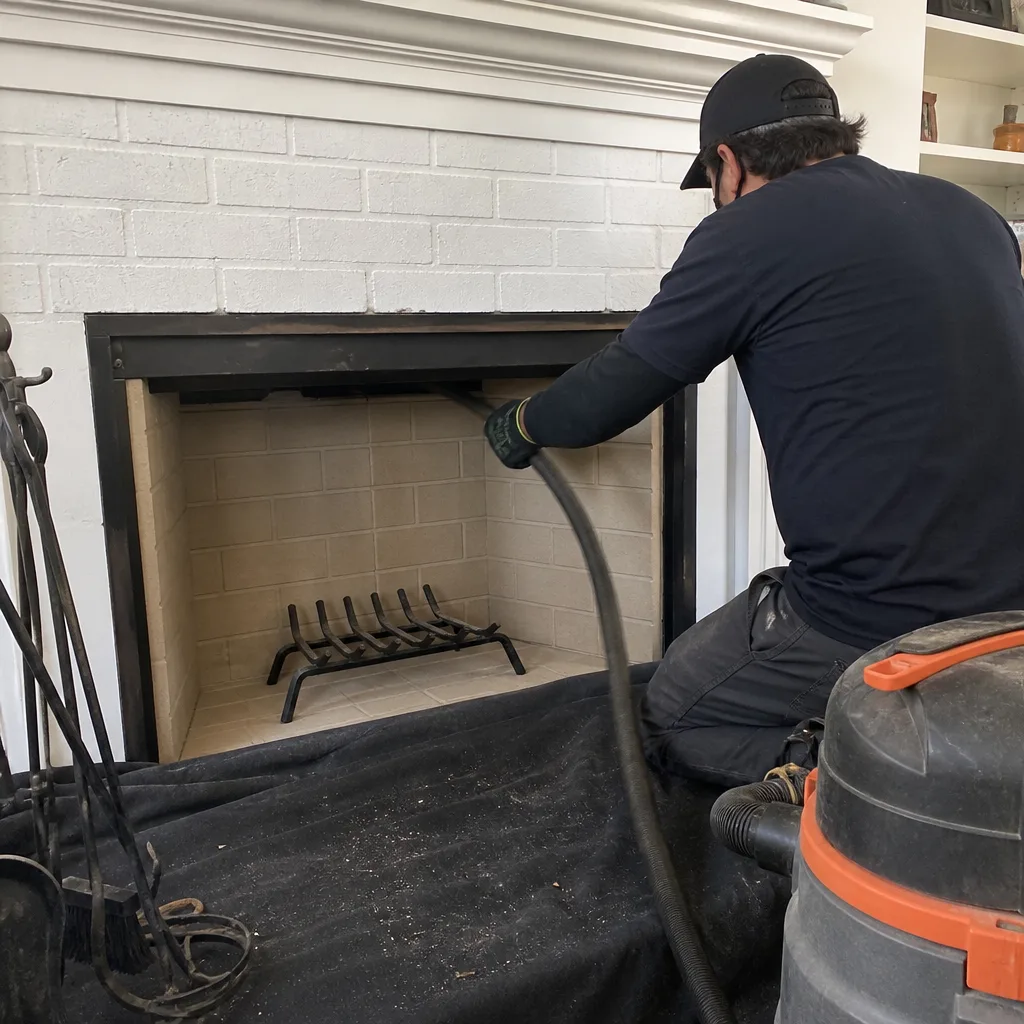
Every Kindling Chimney Brooklyn technician puts down shoe covers and drop cloths on arrival, before any tools come out of the truck. In a Brooklyn townhouse with original wood floors and a family with crawling kids and curious pets, this is non-negotiable. We also ask before moving any furniture or décor, and we don’t touch anything that hasn’t been approved.
Step 2: Firebox and Hearth Sealing
The fireplace opening is sealed with a high-temp plastic barrier and an industrial vacuum is run continuously during the sweep. This creates negative pressure so soot and dust don’t escape into the living room. If a company tells you a little dust is normal, walk away. It’s not.
Step 3: Mechanical Flue Brushing
The flue is brushed from the top down using a brush sized to your specific flue diameter and liner type: poly brushes for stainless liners, wire or poly brushes for clay tile, and never steel-on-steel contact. The brush removes the creosote and soot buildup, dropping it into the firebox where the vacuum captures it.
Step 4: Smoke Shelf and Damper Cleaning
The smoke shelf, the flat area just above the damper, is where the most dangerous creosote accumulates because it’s inaccessible and frequently overlooked. A proper sweep includes excavation of this area, either by hand or with a specialized vacuum attachment. In Brooklyn’s pre-war chimneys, the smoke shelf is often deeper and more irregular than in newer construction, which means more surface area for deposits to hide.
Step 5: Visual and Camera Inspection
After the sweep, the flue should be inspected. At minimum, a visual check of the accessible areas. For our Brooklyn customers, we recommend the camera scan on the first visit or if anything looks off during the sweep. This is the step that tells you whether the chimney is clean but damaged, which is a very different situation from clean and healthy.
Step 6: Clean-Up Verification
Before we leave, we take a photo of the cleaned fireplace and the surrounding floor. This is part of the Cedarwell Care Promise, and it means you never have to wonder whether the crew left the house the way they found it. The photo is your record. The chimney is clean, the floor is clean, and the air in your home hasn’t been polluted with fine soot.
For more detail on the full sweep process, visit our Chimney Sweep in Brooklyn page.
What a Written Care Promise Should Include Before Any Sweep Begins
Most chimney companies in Brooklyn will give you a verbal price and then start working. That’s a red flag. Before any sweep begins, you should have a written care promise that covers at least three things: the price, the clean-up, and the craftsmanship guarantee.
The price should be a fixed number, not a range, and it should be delivered before any work starts. The clean-up promise should specify that drop cloths and shoe covers will be used, that a vacuum will run during the sweep, and that a photo of the finished clean-up will be provided. The craftsmanship promise should state exactly what happens if something goes wrong: does the company return to fix it? Is there a time limit? What does the guarantee actually cover?
Here’s what our written care promise includes on every Brooklyn chimney cleaning:
- A written price before any work begins, every time, with no on-the-spot pressure to add services.
- Shoe covers and drop cloths put down on arrival, and a photo of the clean-up taken before the crew leaves.
- The C.A.R.E. values followed by every technician: Courtesy, Accountability, Respect, and Expertise.
- Background-checked, uniformed technicians on every call.
- The 365-Day Done Right Promise: if the work isn’t right, we make it right, no fine print, no runaround.
- Pet-safe products used wherever there is a choice, because Brooklyn families with kids and animals shouldn’t have to choose between a clean chimney and a safe home.
When a chimney company can’t or won’t put these protections in writing, that absence signals something. It signals that the price might change at the door, that the crew might not protect your floors, and that if the work isn’t right, you’ll be fighting to get it fixed. In our experience, the companies that refuse to write down their promises are the ones that have something to hide.
How to Choose a Chimney Company in Brooklyn Without Getting Burned
Brooklyn has dozens of chimney companies listed in local directories, and they are not all the same. Some are one-person operations without insurance or formal training. Some are subcontractors working under a larger name. Some are legitimate, but they use generic equipment that isn’t sized for Brooklyn’s older flues. Here’s how to separate the pros from the pretenders.
- Ask if the technicians are background-checked and uniformed. You’re inviting someone into your home, often when your family is present. The answer matters.
- Ask what brush they’ll use on your flue. A technician who can’t tell you whether they’ll use a poly brush or a wire brush, and why, doesn’t know your chimney. Brooklyn’s pre-war clay tile flues and stainless liners need different tools.
- Ask if the price is written before work starts. If the answer is anything other than “yes, always,” keep moving.
- Ask what brands they use for repairs and liners. Professional-grade materials like DuraFlex, Gelco, Olympia Chimney, Famco, and Copperfield are the standard for a reason. If a company can’t name their materials, they’re likely using whatever is cheapest at the supply house.
- Ask about the guarantee. A one-year guarantee on labor and materials is the floor, not the ceiling. Our 365-Day Done Right Promise means if the work isn’t right, we make it right.
- Ask if a live person answers the phone. We staff our phones with a live person 24 hours a day, 7 days a week. No voicemail trees, no callbacks that come days later. In an industry where most companies route calls to an answering service, that’s a meaningful differentiator.
You’re not buying a chimney sweep. You’re buying certainty about what will happen in your home and what it will cost. The right company makes that certainty available in writing, before a single brush goes up the flue.
Common Mistakes to Avoid
- Treating a converted gas flue like a wood-burning flue. Brooklyn homes that converted from oil to gas often have flues that need masonry attention, not just a brush. Cleaning a gas flue without checking for condensation damage misses the whole point.
- Skipping the camera inspection on an older home. A visual sweep on a pre-war Brooklyn flue tells you almost nothing about the middle third of the chimney. The camera is the only way to see what’s actually there.
- Burning wet or unseasoned wood. Brooklyn doesn’t have endless wood lots; we buy our firewood from local suppliers, and quality varies. Wet wood creates Stage 2 creosote fast. Wood should be seasoned at least six months and stored under cover.
- Ignoring smoke spillage or backdraft. If smoke enters the room instead of going up the flue, the chimney is telling you something. Don’t live with it. In townhouses with shared party walls, backdraft can also indicate a neighbor’s chimney issue affecting your draft.
- Hiring a chimney company that won’t put the price in writing. Verbal estimates are not estimates. A written price before any work begins is the single best predictor of how the entire visit will go.
- Using the fireplace as a trash incinerator. Burning cardboard, wrapping paper, or construction scraps in a Brooklyn fireplace creates intense heat spikes and toxic smoke. Only burn seasoned firewood. Never burn treated lumber, which releases arsenic and other preservatives into your flue and your home.
- Assuming a stainless liner means the chimney never needs cleaning. Even a perfect liner accumulates creosote and urban soot. A lined chimney needs less frequent cleaning than a bare masonry flue, but it still needs cleaning.
When to Call a Professional
Call a chimney professional any time you notice smoke entering the room, a strong smoky smell even when the fireplace is cold, white staining on exterior brick, crumbling mortar in the firebox, or a fireplace that suddenly won’t draw the way it used to. These are not quirks; they’re symptoms. Also call if it has been more than one full year since your last sweep, or if you’ve purchased a Brooklyn home with a fireplace and have no documentation of its maintenance history. And if you’ve had a chimney fire, even a small one that went out on its own, call immediately: the structural damage from a chimney fire is almost always worse than it looks from the outside. Kindling Chimney Brooklyn offers free estimates in Brooklyn, call (607) 695-6218. For fireplace repairs specifically, see our Fireplace Repair in Brooklyn page.
Frequently Asked Questions
A standard chimney cleaning in Brooklyn typically costs between $189 and $349. The price varies based on the chimney type (pre-war clay tile, converted gas flue, stainless liner, or unlined masonry), roof accessibility, and the amount of creosote or soot that has accumulated. A Level 2 camera inspection, which we recommend for most Brooklyn brownstones on the first visit, is typically priced separately and runs in the same range. Call (607) 695-6218 for an exact quote for your specific chimney, estimates are free.
You need a new liner if your current flue has cracks, spalling tiles, or missing mortar joints that allow heat and gases to escape into the wall structure. In Brooklyn’s pre-war homes, liner damage is common because the original clay tiles were designed for coal, not for the hotter, stickier byproducts of wood burning. The only way to know for sure is a camera inspection; we’ll show you the footage so you can see the damage yourself before deciding.
Most Brooklyn chimneys should be swept every 12 months at minimum, but homes in high-traffic neighborhoods near the BQE or commercial corridors often need sweeping every 6 to 9 months because urban soot compounds on top of creosote. For a full schedule tailored to each season, see our seasonal chimney cleaning care guide for Brooklyn. If you burn more than two fires per week during the winter, lean closer to 6 months. A Level 2 inspection is recommended every 3 to 5 years even if sweeps are current.
Skipping chimney cleaning allows creosote to build from Stage 1 to Stage 2, and eventually Stage 3, where it becomes a glazed tar that requires chemical removal or liner replacement. A dirty chimney draws less efficiently, meaning more smoke and carbon monoxide risk in the living space, and the accumulated creosote is the fuel source for chimney fires. In Brooklyn’s attached townhouses, a chimney fire in one home puts the party wall and neighboring homes at risk. It’s not worth it. Call (607) 695-6218 to schedule a sweep.
Not without an inspection. A chimney that hasn’t been used in years may have hidden damage from water infiltration, animal nesting, or the freeze-thaw cycles that break down mortar on Brooklyn rooftops. We’ve opened up flues in Park Slope and Bed-Stuy that looked fine from the rooftop but had collapsed clay tiles at the midpoint. A camera inspection before the first fire is the only responsible approach.
Not if it’s done right. Every Kindling Chimney Brooklyn technician puts down shoe covers and drop cloths before starting, runs a continuous vacuum during the sweep, and takes a photo of the clean-up before leaving. No soot on the floors, no dust in the air, no chemical odors. This is covered in writing under the Cedarwell Care Promise, so you know what to expect before we arrive.
The Bottom Line
Chimney cleaning in Brooklyn is not a generic service, because Brooklyn chimneys are not generic chimneys. A pre-war clay tile flue, a converted oil-to-gas system, a modern stainless liner, and an unlined masonry chimney each require different tools, different techniques, and different inspection protocols. The right approach starts with identifying what you have, gets the right level of inspection, and protects your home with a written care promise before any work begins. If you want a clean, safe fireplace and a crew that treats your floors, air quality, and family the way you’d treat them yourself, call (607) 695-6218. For more guides & resources on keeping your Brooklyn home safe, explore our blog. We’ll give you a straight answer and a straight price, and we’ll stand behind the work with our 365-Day Done Right Promise.
Written by Danny Cortes, Owner at Kindling Chimney Brooklyn, serving Brooklyn since 2003.
See the difference
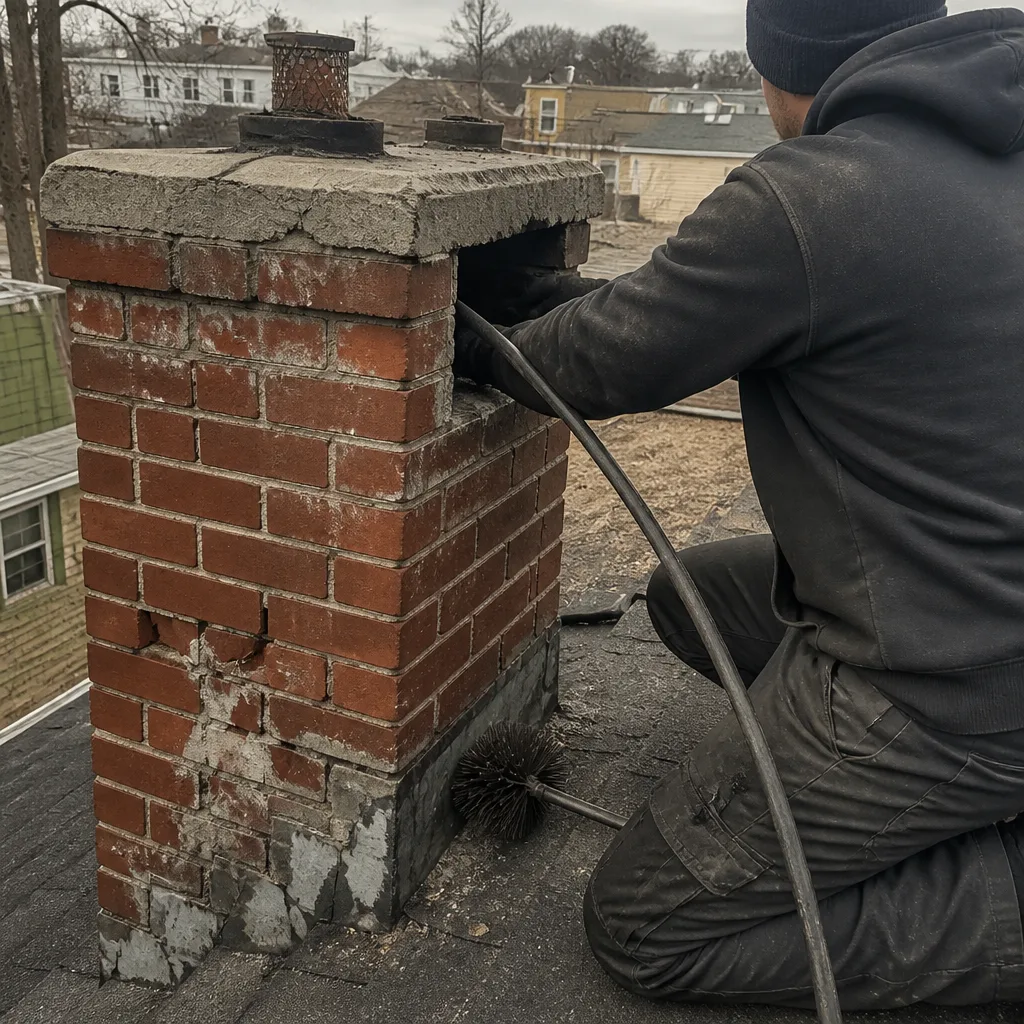 Before
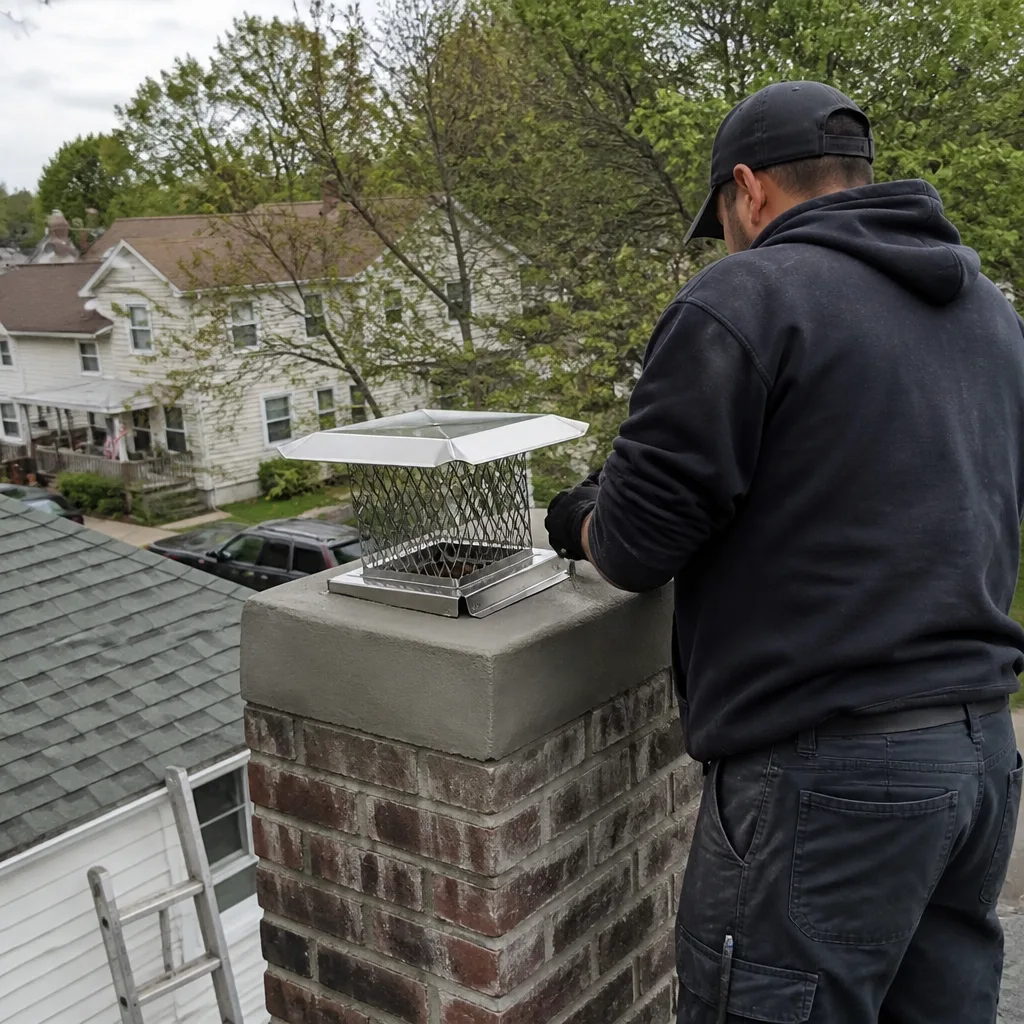 After
After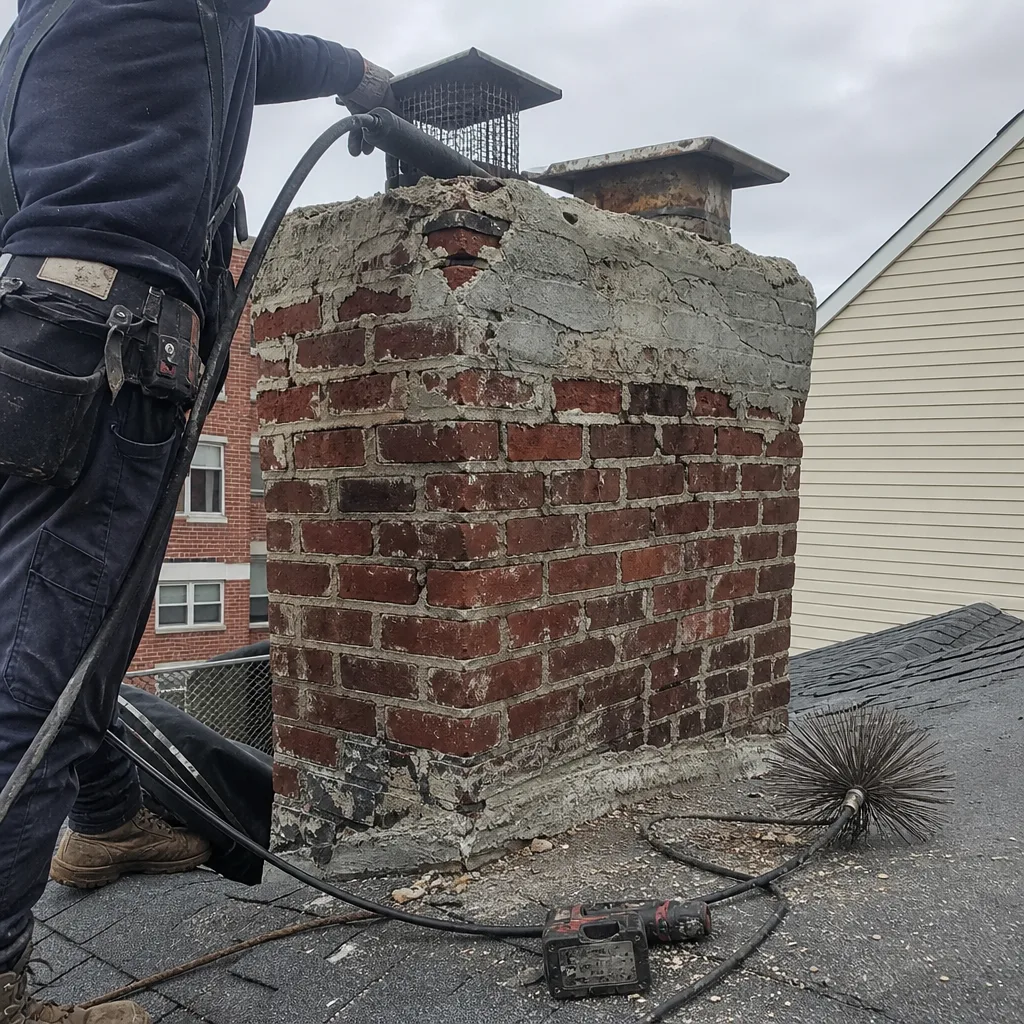 Before
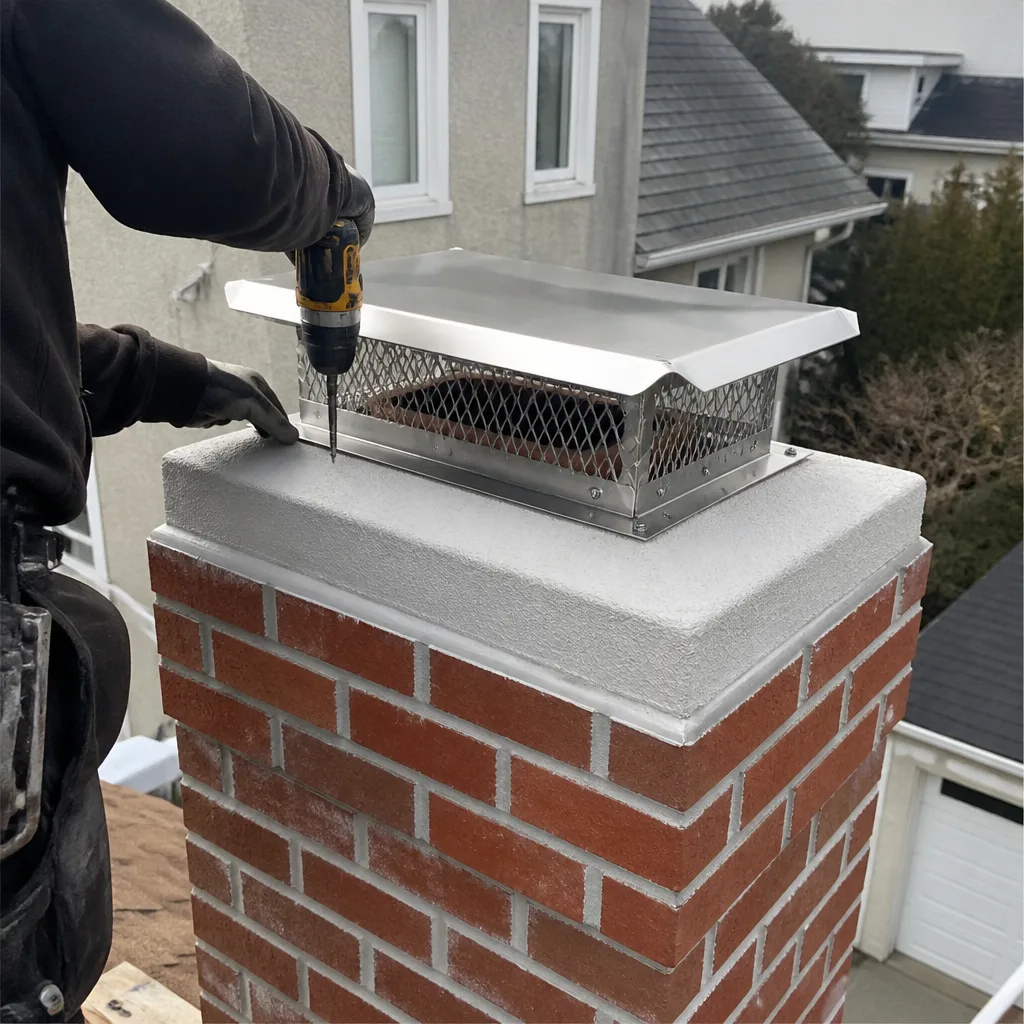 After
After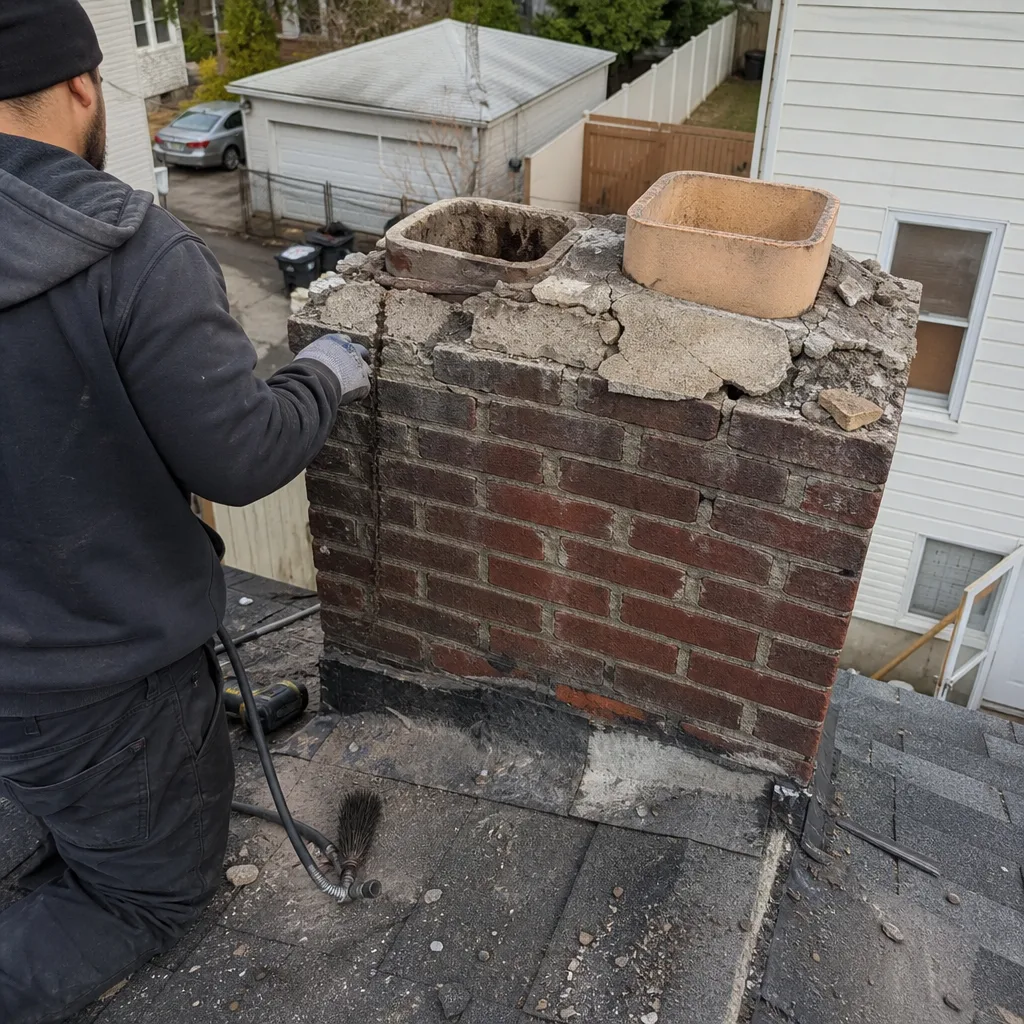 Before
 After
After