
Last updated October 15, 2026
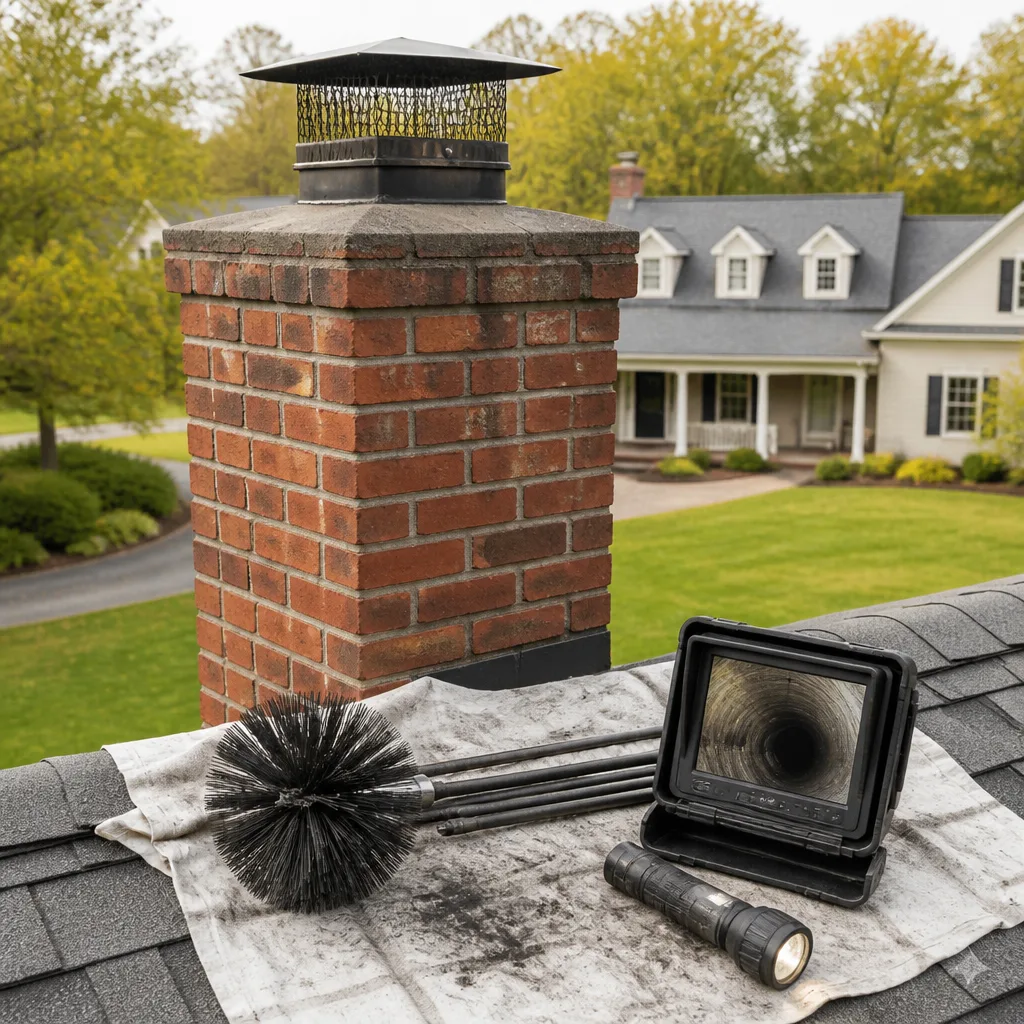 Sweep & inspection
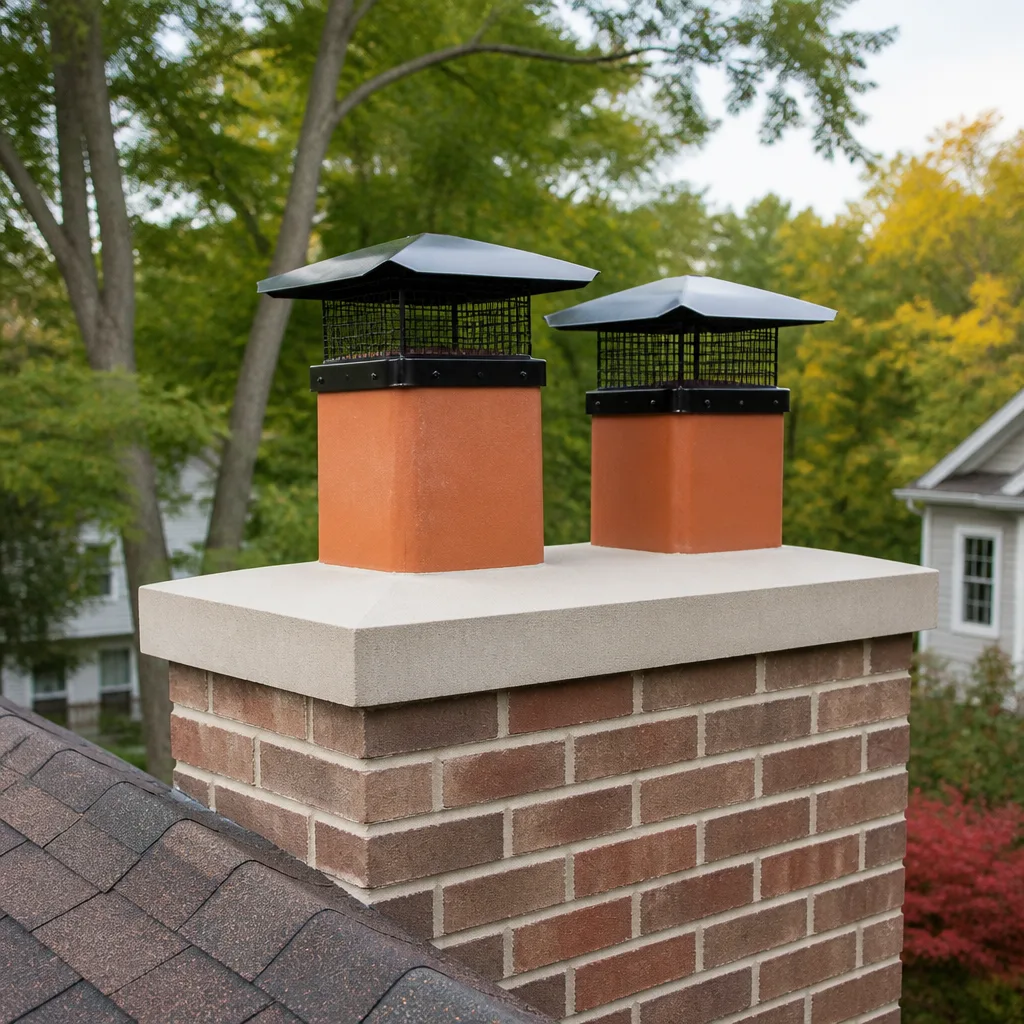 Caps & crowns
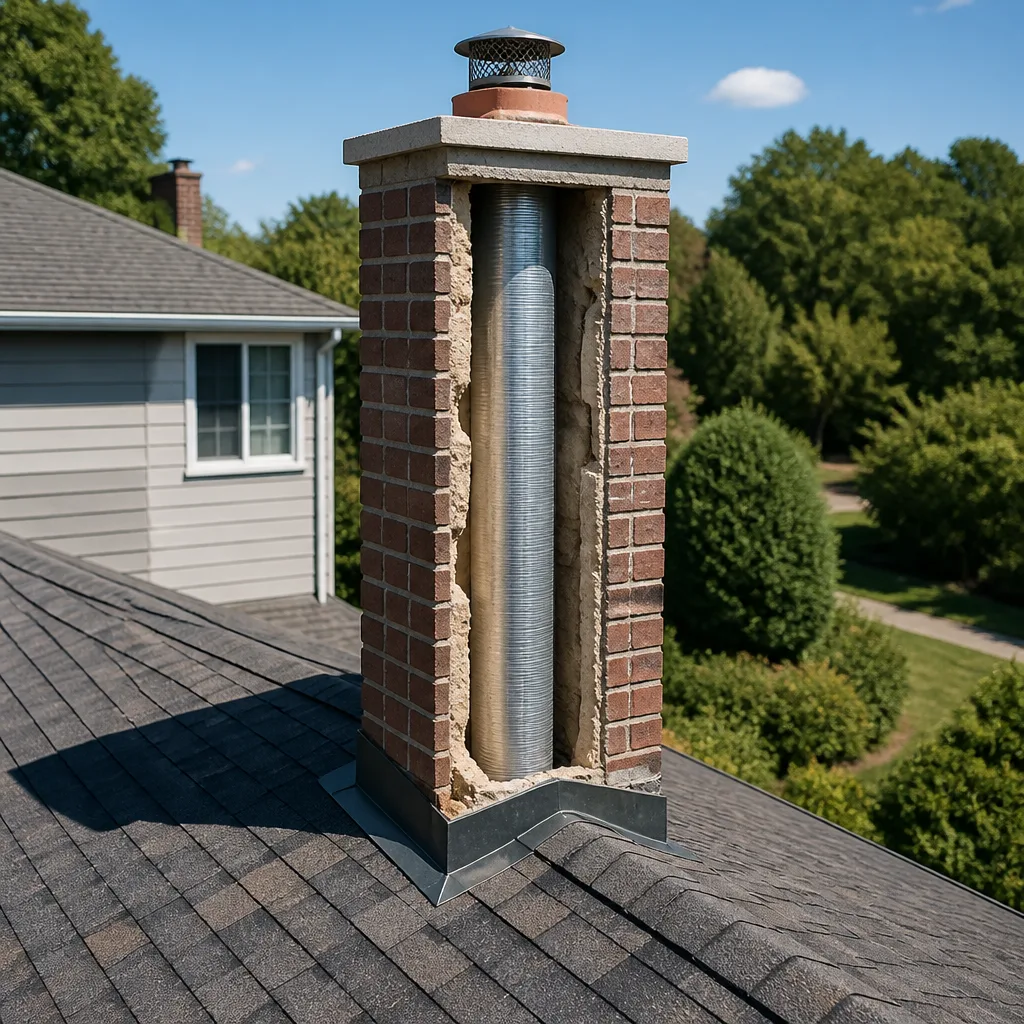 Flue relining
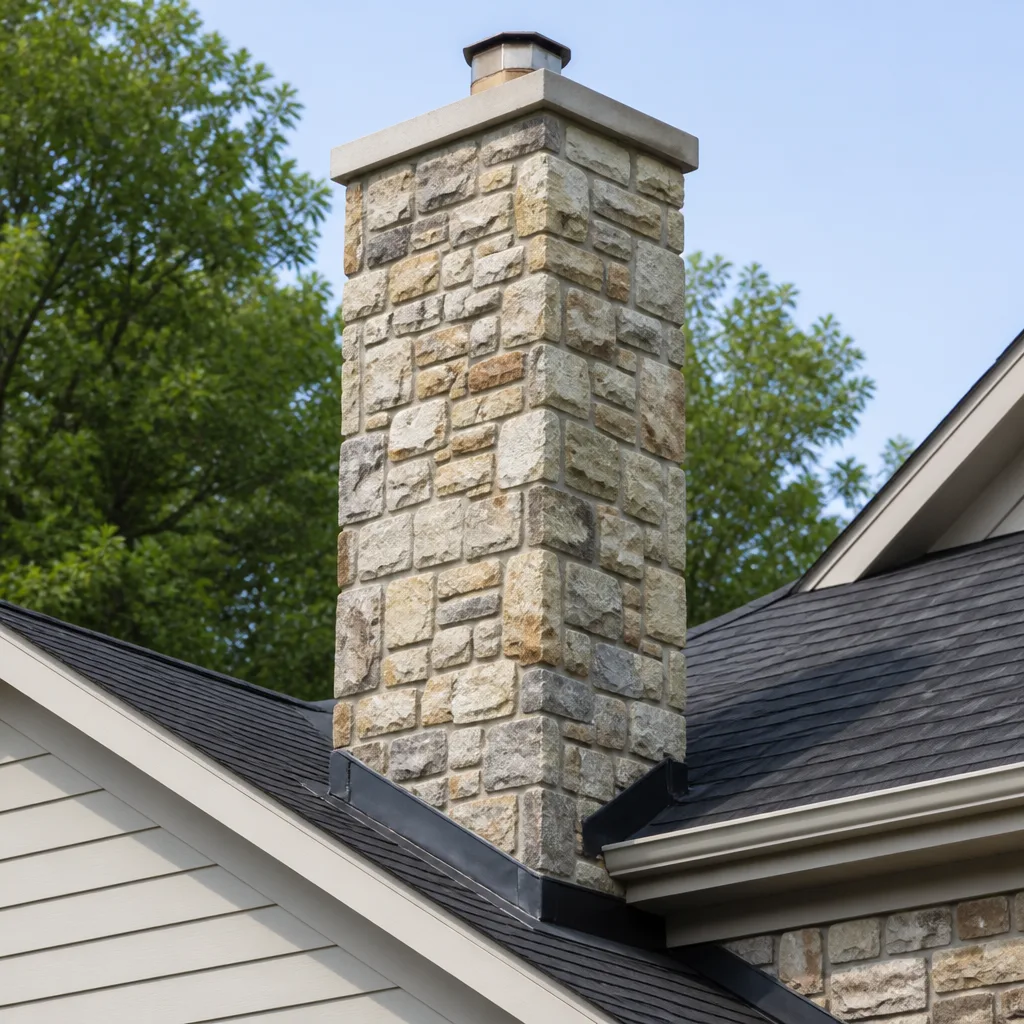 Masonry repair
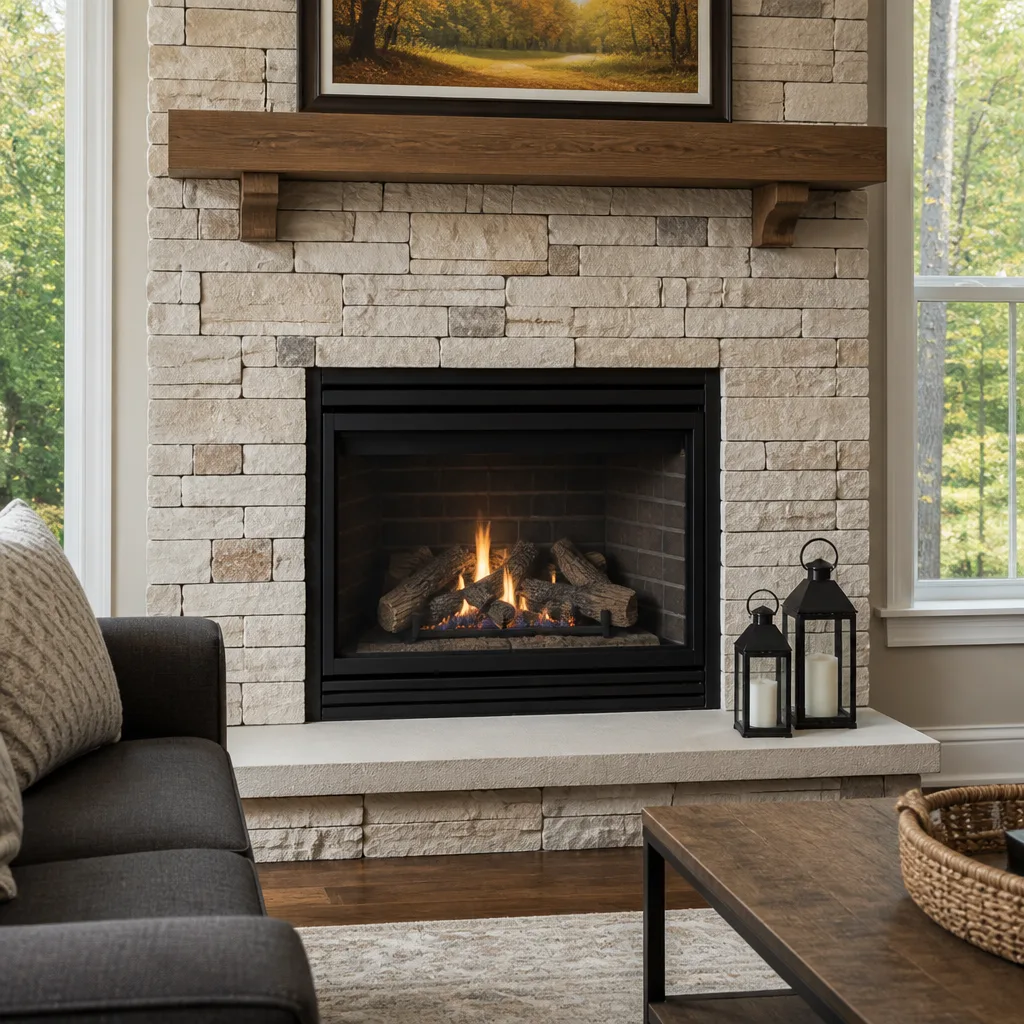 Gas fireplace service
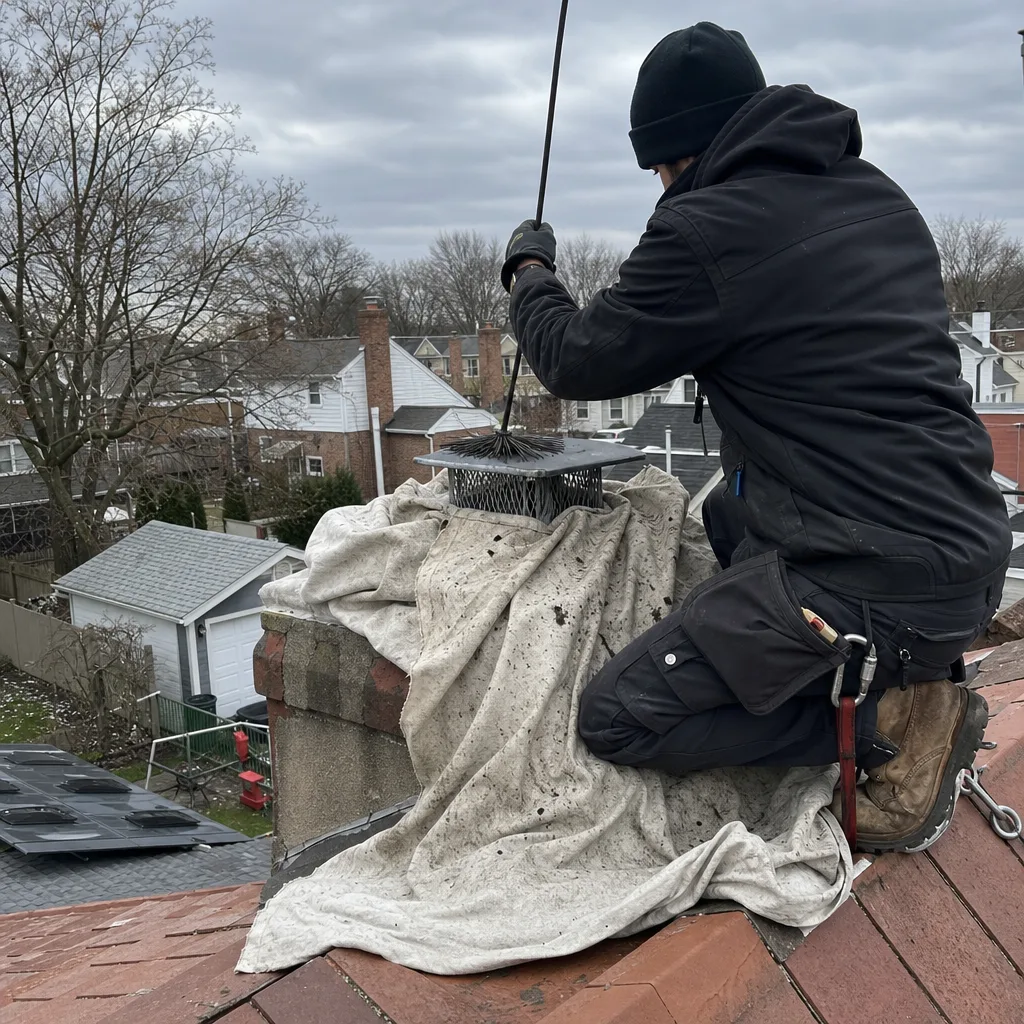
Level 1 sweep and inspection to the NFPA 211 annual standard - flue, crown, cap, and flashing checked and photographed
Chimney sweep logs do not sweep chimneys. They loosen some creosote - which then falls where a brush and vacuum still have to collect it.
Chimney Cleaning Warning Signs: A Brooklyn Homeowner’s Reference Guide
Here’s something most Brooklyn homeowners don’t realize: the chimney problems that cause real damage rarely announce themselves with drama. There’s no smoke alarm, no crash, no sudden plume of soot into the living room. What actually happens is slower. A white stain appears above the firebox. The fireplace smells faintly like a wet basement even when it hasn’t rained in days. The fire has always drawn fine, and now it needs three attempts and a cracked window to catch. In our experience across Brooklyn’s brownstones, converted rowhouses, and newer condo builds, the warning signs are sensory and specific, and they show up room by room long before a chimney sweep’s camera confirms them. This guide maps those signs: what to smell, see, and hear at the firebox, in the room, and from the sidewalk looking up. By the end, you’ll know which signs mean “schedule a sweep this season” and which mean “do not light this fireplace until a technician visits.”
Quick Answer
Chimney cleaning warning signs in Brooklyn include a campfire or damp-basement smell when the fireplace is not in use, white staining (efflorescence) on the brick or drywall above the firebox, flakes of creosote or mortar in the firebox, a fire that struggles to establish draft, visible dark staining at the chimney cap from the street, and sounds of debris falling inside the flue on windy days. Any damp smell, white staining, or sudden draft problem means a professional chimney inspection in Brooklyn should happen before the next fire, since these point to moisture entry or flue obstruction rather than simple soot buildup. For a full breakdown of what to watch for, see our Chimney Sweep Maintenance Checklist for Brooklyn Homeowners.
Styles & brands we work with
Table of Contents
- The Smell Test: Odors That Mean Something Is Wrong Behind the Brick
- What to See at the Firebox: Creosote, Efflorescence, and the Flakes That Tell a Story
- What to See in the Room: Walls, Windows, and the Space Around the Hearth
- The Roofline Check: What to Look For From the Sidewalk in Brooklyn
- What to Hear: Settling Sounds vs. Structural Warning Noises
- The Draft Test: Why a Struggling Fire Is Rarely Operator Error
- Converted Chimneys: Warning Signs Specific to Oil-to-Gas and Wood-to-Gas Inserts
- Schedule Soon vs. Do Not Light: How to Rate What You’ve Found
The Smell Test: Odors That Mean Something Is Wrong Behind the Brick
Your nose is often the first instrument to detect a chimney problem, and the smell is usually strongest when the fireplace is cold, not when a fire has just gone out. Here’s what each odor means in Brooklyn homes specifically, where clay-tile liners in prewar buildings react differently to moisture than the stainless liners in newer or relined flues.
The damp basement smell (when there’s no basement moisture problem)
A musty, wet-stone odor coming from the fireplace opening usually means water is entering the flue from above. The most common source in Brooklyn is a failed or missing chimney cap, followed by cracked crown mortar where the flue tile meets the clay or concrete cap. Water enters, soaks into the creosote and old mortar inside the flue, and the smell travels down into the room. What makes this sign easy to ignore is that the smell is intermittent: strong after a rain, fainter during dry weeks, and often stronger in summer when humidity drives trapped moisture out of the masonry. If you catch it, look at the firebox walls with a flashlight, which we’ll cover below. A damp odor alone is not a “do not light” emergency. It is a “schedule an inspection before burning season” sign.
The campfire smell that never leaves
Creosote has a sharp, tarry, almost pork-smoked smell. After a fireplace has been used regularly for two or three seasons in a Brooklyn home, creosote builds on the flue walls. If that smell drifts into the room when the fireplace is cold, it usually means creosote buildup is thick enough to be the dominant surface inside the flue, and air pressure shifts in the house are pulling that air down into the room. This is the smell that tells you a Chimney Sweep in Brooklyn is overdue. It’s also more noticeable in tightly sealed Brooklyn apartments and rowhouses where windows stay closed through winter. The smell itself is not dangerous, but the buildup behind it is what makes chimney fires possible, not just dirty air.
The sulfur or gas smell (converted fireplaces only)
If you have a gas insert or gas logs in a converted wood fireplace and you smell sulfur, rotten eggs, or exhaust when the unit runs, turn it off and do not use it until a technician checks the venting. This is one of the few chimney smells that means “do not light.” It points to venting that is no longer carrying combustion gases out of the house, which can be a liner failure, a blockage, or an improperly installed conversion kit. We’ll return to converted chimneys later in this guide.
What the smell test does not tell you
Odors are directional, not diagnostic. They tell you something has changed inside the flue, but they do not tell you whether the issue is a cracked tile, a bird’s nest, a failed cap, or a crown that needs resealing. In our work, we’ll always pair what the homeowner smells with what a camera inspection shows. Smell alone is enough to book the sweep; it is not enough to quote the repair. Any honest Brooklyn chimney service should tell you the same thing.
What to See at the Firebox: Creosote, Efflorescence, and the Flakes That Tell a Story
You do not need to climb on the roof to gather useful information. Most of the best evidence is visible from a kneeling position in front of the firebox with a flashlight. Here’s what Brooklyn homeowners should look for, and what each sign actually indicates.
White staining on the brick face above the opening
Efflorescence is a white, chalky or crystalline deposit that appears on masonry, and above a fireplace opening it is almost always from water moving through the chimney’s masonry from the inside out. Water dissolves minerals inside the mortar and brick, and as that water evaporates at the surface, the minerals stay behind as a white stain. In Brooklyn, this shows up most often on brownstone and brick rowhouse chimneys where the exposed stack is old and the crown has cracked. The stain above the firebox means the water source is above the firebox, usually at the roofline. Painting over it or scrubbing it off does nothing to address the water path, and it will return after the next rainy season.
Black, shiny, or flaky deposits on the firebox walls and damper
Creosote comes in three stages, and each one tells you something different. Stage one is a light, dusty, gray-brown soot. Stage two is flaky and dark, like coffee grounds baked onto the surface. Stage three is shiny and tar-like, and it’s the form that burns hottest if ignited. If you run a fireplace poker or the edge of a butter knife lightly across the damper or firebox wall and it comes away with dark flakes, you are looking at stage two creosote. That’s a sweep-now situation, not a clean-it-yourself one, and in a Brooklyn home with a clay tile liner, stage two and three creosote can be baked into the tile pores, which is why sweeping alone sometimes isn’t a complete fix. If you’re weighing whether to tackle this yourself, read our DIY vs Professional Chimney Cleaning: The Brooklyn Homeowner’s Decision Guide first.
Mortar flakes, tile chips, or sand at the bottom of the firebox
After sweeping the firebox clean of ash, take a look at what is underneath. Small crumbs of tan mortar, gray clay tile chips, or a sandy grit that was not there last season mean the flue lining or mortar joints are degrading. These particles fall from above, so they collect at the base. In older Brooklyn chimneys with original clay tile liners, this is a common finding and it matters: a cracked or missing tile exposes the brick behind it to heat and creosote, and in many cases a stainless liner replacement is the real fix rather than another sweep. We use DuraFlex stainless liners in relining work because they hold up to Brooklyn’s freeze-thaw cycles and the corrosive byproducts of gas and wood combustion better than patch materials.
What you should never see: daylight where there shouldn’t be any
With the damper closed and the room lights off, look up into the flue. You should see black. If you see a sliver of daylight that is not the damper opening, there is a breach somewhere, a cracked tile, a separated joint, or a missing mortar section. This is a structural finding, not a housekeeping one, and it moves the visit from a standard sweep to a more thorough chimney inspection in Brooklyn, which we cover section by section later.
What to See in the Room: Walls, Windows, and the Space Around the Hearth
Chimney problems do not confine themselves to the chimney. Moisture and draft issues move into the rooms the chimney passes through, and Brooklyn homes, where the chimney often rises through a bedroom closet, a hallway wall, or a kitchen ceiling, show particular patterns.
Staining or bubbling drywall on the wall or ceiling around the chimney chase
If the chimney runs through an interior wall and you notice a yellow-brown stain, a soft spot, or peeling paint on the surface of that wall, water is getting into the chase from above. In rowhouses this often appears on the top floor first, since the water travels down from the exposed stack at the roof. By the time the stain is visible, the drywall has been absorbing moisture for weeks. Keep in mind that this can also come from roofing failure around the chimney flashing, so the fix may involve roofing work, chimney crown work, or both. Either way, the chimney is the path the water is taking, and the area around it needs a professional look.
Windows fogging or a persistent chill in the fireplace room
Single-pane windows in older Brooklyn homes fog from interior humidity, and that’s unrelated to the chimney. But when a room with a fireplace is always colder than the rest of the house in winter, even with the damper closed, the fireplace is often acting as an open air channel. A damper that doesn’t seat properly, a missing chimney cap, or a flue without a top-sealing damper lets heated interior air escape up the flue all winter. You’re not only paying to heat the room, you’re paying to heat the chimney chase. The fix is usually a combination of sweep, damper repair or replacement, and a fitted cap. This is also one of the more common reasons Brooklyn clients call us thinking they need new windows when the real problem is a chimney that’s been huffing conditioned air for years.
Black dust or soot streaking on the mantel, nearby walls, or furniture
If you see black, dusty streaks on the wall around the fireplace or on the underside of the mantel, even when you burn clean, well-seasoned wood, the flue is likely too large for the firebox or the damper is set wrong, pulling smoke into the room in small amounts you barely notice. It can also be the early sign of a downdraft problem. This is a firebox and flue sizing issue, and it’s exactly the kind of thing a camera inspection clarifies. The smoke is not escaping in volume; it’s spilling at a low level, and over a season the evidence accumulates as a fine black film.
What to look for on the hearth itself
Check the space where the hearth meets the floor and the fireplace meets the wall. A crack in the hearth slab that has widened since last year, a gap opening between the firebox and the floor, or loose bricks in the firebox wall can indicate the chimney stack has shifted or that the foundation beneath the hearth is uneven. Brownstone masonry moves differently than modern construction, and we see this in Park Slope, Bed-Stuy, and Fort Greene brownstones more often than in newer tower units. A settling crack by itself is often benign. A crack paired with any of the draft or odor signs above is not.
The Roofline Check: What to Look For From the Sidewalk in Brooklyn
You can gather a great deal from the sidewalk or back garden without a ladder or a drone. In Brooklyn, most chimneys are visible from the street or the rear lot, and what you’re looking for can be seen with the naked eye on a clear day.
The cap: missing, tilted, or gone entirely
A chimney cap is the metal cover with mesh sides that sits on top of the flue. Its job is rain exclusion, animal exclusion, and spark control. From the sidewalk, you should see a metal cap sitting level on the crown. If the cap is missing, tilted, rusted through, or the mesh is torn, rain is entering the flue directly, and birds, squirrels, and raccoons will use the opening. Brooklyn has a healthy squirrel population, and an uncapped flue is an open invitation. In our experience, a missing cap is the single most common cause of the rainy-day smell and the slow water damage that follows.
The crown: cracks, spalling, or vegetation
The crown is the concrete or clay slab at the very top of the chimney that surrounds the flue tile. From the sidewalk or the roof deck, look for cracks that run from the flue to the edge, chunks of concrete missing at the corners, or green growth coming out of the mortar. Water enters those cracks, freezes in winter (Brooklyn gets enough freeze-thaw cycles every winter to widen a hairline crack into a visible gap within two or three seasons), and works its way into the brick below. This is the source of much of the efflorescence and drywall staining we described above, and it’s why we say most chimney water problems begin at the top.
The brick itself: spalling, especially on the upper third of the stack
Spalling is brick face loss, where the flat face of the brick flakes away and leaves a rough, recessed surface. It’s most common on the top few feet of a Brooklyn chimney, where the masonry is exposed to the most weather. If you see red grit or brick chips on the roof or on the sidewalk directly below the chimney after a wind storm, that’s spalled brick coming down. It means water has entered the brick, frozen, and expanded inside the brick body. This is structural: it weakens the masonry column itself, and it progresses over years. A chimney in this condition should be assessed before burning season, even if the fireplace below has been working fine.
Dark staining or streaks at the top of the flue
Black streaks on the outside of the flue tile or the cap can mean the chimney has been backdrafting, where exhaust cools too quickly and condenses on the exterior masonry, leaving a black residue. It can also mean a past chimney fire deposited creosote on the exterior by forcing it out through gaps. You cannot interpret this from the sidewalk, but you should make a note of it and mention it when you call. It changes what a technician expects to find inside.
What to Hear: Settling Sounds vs. Structural Warning Noises
Brooklyn buildings talk. Brownstones and rowhouses creak and settle through the seasons, and most of it is normal. But there are specific sounds from inside a chimney flue that should not be written off as the house settling.
Falling debris or scratching inside the flue
If you hear small pieces of debris falling down into the firebox, especially on windy days or when a heavy truck passes, that is almost always mortar flakes, tile chips, or loosened creosote coming off the flue walls. It does not sound like much, a light patter or a single tap, but on a damaged liner it recurs. And if the scratching is periodic and you have no cap, you’re hearing an animal in the flue, which has its own set of urgent reasons to resolve before lighting anything.
A low, hollow whooshing or a rattling damper
On windy nights, a damper that rattles or a flue that produces a low, hollow sound means air is moving through the chimney. That is all it means. It tells you the damper isn’t sealing fully or the cap is open enough that wind blows through. It’s a comfort and efficiency issue, not a structural one, and it usually resolves with a top-sealing damper or a properly fitted cap. What it should not be confused with is the next sound.
The difference: a chimney stack shifting
A chimney stack that is truly moving makes noise through the house differently. You might hear a dull crack from the interior wall on a cold night, a pop that sounds like it came from behind the plaster, not from the roof. Or you might notice a door on the top floor that used to close cleanly now catches at the header, a sign the structure around the chimney chase has moved a fraction. These are not chimney cleaning signs per se, but when they appear alongside any of the water signs above, they mean the chimney stack should be part of the structural assessment. In our work in Brooklyn, we see this on the oldest brownstones, particularly where the chimney runs up the party wall and has carried decades of freeze-thaw without a cap or crown repair.
What we do not hear, and why that matters
The most common dangerous chimney condition, creosote buildup thick enough to fuel a chimney fire, makes no sound at all. It sits there quietly. This is why the sensory checklist works best as a whole: the sounds tell you about air movement, structure, and animals, while the sight and smell checks tell you about the fuel that’s loading the flue. No single sense catches everything, and every sense misses the buildup that only a camera sees.
The Draft Test: Why a Struggling Fire Is Rarely Operator Error
We hear some version of this every season: “The fireplace used to draw fine, and now it’s lazy, but maybe it’s the wood.” It’s almost never the wood. Draft is a physical system, and when it changes, the cause is physical, not behavioral.
What normal draft feels like in Brooklyn
After the flue is warmed (which takes a few minutes of kindling), a properly functioning fireplace pulls smoke up with visible motion and no spillage into the room. You should feel cold air coming down the chimney when you first open the damper, not warm air. The fire should not smoke when you add a log, and smoke should not hang at the top of the firebox opening. In a rowhouse on a still day, draft can be weaker than in a freestanding home because there’s less exposed stack above the roof, but it should still work.
When a struggling draft points to a liner problem
A chimney that used to draw and now needs a cracked window, a preheated flue, and careful log placement is often a chimney suffering from reduced effective flue size. A clay tile liner with a cracked section, a deteriorated mortar joint with a piece missing, or a partial blockage from a nest leaves the flue narrower in one section, which slows the entire column of rising air. The homeowner experiences it as a lazy fire, but the flue is telling you it has lost its designed cross-section. Another common cause in Brooklyn: a neighbor’s new addition, taller building, or rooftop mechanical unit changes the wind pressure at the flue top, creating a downdraft that was not there before. The chimney cap and crown matter more as the neighborhood gets taller.
The match or incense test (safe, useful, and cheap)
On a day when the fireplace has been cold for at least 24 hours, open the damper, light a match or a stick of incense, hold it at the firebox opening, and watch the smoke. It should move slowly and steadily up into the flue. If it wavers, hangs, or moves into the room, the flue is not drafting, and the cause needs to be found before the wood goes in. This is a demo, not a repair, and on a Brooklyn winter day with the heat on and windows closed, a house’s negative pressure can overpower a weak chimney, which is why the test is best done when the heating system has been off for a bit.
What we check in a draft complaint
When a homeowner calls with a draft problem in Brooklyn, we check the cap first (blocked mesh, fallen debris, a nest), then the top of the flue with a camera, then the interior for tile spalling or a breach, then the firebox-to-flue relationship. Finding the blockage early keeps a sweep from becoming a liner replacement. Finding it late means the firebox may have been backdrafting carbon monoxide into the room in small amounts for an entire season, and that is not a household issue to gamble on. If you’ve noticed a change in how your fireplace draws, schedule a chimney inspection in Brooklyn before the next fire. The inspection is less expensive than the false confidence.
Converted Chimneys: Warning Signs Specific to Oil-to-Gas and Wood-to-Gas Inserts
Brooklyn has thousands of converted chimneys, wood fireplaces switched to gas logs or gas inserts decades ago, and oil furnaces that have long since been replaced by gas systems venting through the original masonry flue. These conversions create their own warning signs, and generic chimney guides almost never cover them.
The water heater and furnace sharing a flue
In older Brooklyn buildings, the furnace and the water heater often share one flue through a common breeching. When the furnace was oil and the flue was sized for hot, buoyant oil exhaust, the system worked, until the gas conversion happened. Gas exhaust is cooler and wetter, and in an oversized, unlined masonry flue, it cools too fast and condenses on the tile walls. That condensate is acidic. It eats mortar, softens brick, and shows up as staining at the flue interior, spalling on the exterior stack, and a persistent sour smell near the mechanical room. If you’ve had a furnace conversion and the chimney has not been relined for gas, this is the warning sign to catch early. The fix is a stainless liner sized for the new appliance, and in our work we spec Olympia Chimney and Copperfield components for these relines because they are built for condensing gas exhaust.
Gas logs in a wood firebox: the smell of exhaust in the house
Ventless gas logs in a converted wood fireplace are common in Brooklyn, and they work by burning clean enough to vent into the room, which the manufacturer designs for. But many homeowners install vented gas logs, which are meant to use the chimney, into a flue that is partly blocked, and then they smell the exhaust inside the house. That is not normal. It means the flue is not moving the combustion gases out, and running the logs makes the air quality worse for everyone in the room. The test is the smell: if the fireplace room smells like a gas burn or like exhaust when the logs are on, stop using them and get the venting assessed. Kids and pets breathe closer to the floor than adults, and the lower air is where combustion products linger.
Oil-to-gas furnace conversions and the flue they left behind
When a Brooklyn homeowner converts from oil to gas, the old oil flue often gets reused without inspection. The flue may already be damaged from decades of oil heat, and the cooler gas exhaust accelerates the corrosion. The warning sign on the inside is a rust-colored staining on the flue tile visible at the base, or a grainy rust powder collecting below the cleanout door. On the outside, you may see efflorescence appearing on the upper stack for the first time. This is a case where the chimney itself is the weak point, not the appliance, and a liner assessment is the only way to know if the venting is safe.
The converted chimney that was never relined: signs from the roofline
From the sidewalk, a converted chimney that needs a liner may show a dark, damp-looking crown, a rusty or stained cap, or streaks on the exterior brick that run down from the flue. It will not look like the clean, dry chimney next door. These streaks are condensate, not rain, and they tell a specific story: the exhaust is condensing before it exits. The fix is typically a properly sized stainless liner with the right cap, and in Brooklyn’s humid winters, that liner fixes both the safety issue and the slow masonry decay.
Schedule Soon vs. Do Not Light: How to Rate What You’ve Found
Homeowners will spot these warning signs in different combinations, and the practical question is always the same: can I light one more fire, or should the fireplace stay cold until a technician comes? For a deeper look at how to read these signs, see The Complete Guide to Chimney Cleaning in Brooklyn. Here is a simple rating system based on what you found.
Schedule a sweep soon (the fireplace may be used carefully until then)
- A campfire smell when the fireplace is cold, with no other water or draft signs.
- Stage two creosote flakes visible in the firebox or on the damper.
- A slow but present draft, where smoke still rises and spills occur only on windy days.
- Mortar flakes at the firebox base with no visible daylight through the flue.
- A missing or tilted chimney cap (schedule before the next rain, but a fire is still possible on a dry day).
Do not light until a technician visits
- A sulfur, rotten-egg, or exhaust smell from a gas fireplace or gas log set.
- Visible daylight through the flue that is not the damper opening.
- White efflorescence actively growing above the firebox, paired with a damp smell after rain.
- A fire that would not draw even with a window cracked and a preheated flue.
- Scratching from an animal in the flue, or a partial blockage seen with a flashlight.
- Black, shiny stage three creosote on the flue walls.
If you’re unsure which category your finding falls into, err toward the cold fireplace and book the visit. We’d rather assess a fireplace you chose not to use for a week than hear that a family pushed through a warning sign and the smoke spilled badly enough to alarm everyone in the house. In Brooklyn, where so many flues are older and shared, the cost of the sweep is small compared to the cost of replacing a liner or repairing smoke damage.
Common Mistakes to Avoid
- Scrubbing off efflorescence and calling it fixed. The white stain will come back, because it’s a symptom of water moving through the masonry, and the water is still entering above the roofline. The stain is the only clue until the water damages something more expensive.
- Using a chimney cleaning log as a substitute for sweeping. These logs loosen some creosote but do not remove it, and in a Brooklyn flue with years of buildup, they can create more problems than they solve by dropping loosened material into a partially blocked passage.
- Lighting a fire to “burn off” a smell. If the fireplace smells damp, burning a fire does not dry out the flue in any useful way, and if the issue is a partially blocked flue, it risks bringing smoke into the room. The smell is information; do not destroy it with heat.
- Ignoring a draft change because it happens gradually. A flue that narrows over two or three seasons masks its own decline. By the time the fire clearly won’t draw, the blockage or liner damage is often advanced. The first season you notice a change is the season to book the inspection.
- Assuming a gas fireplace needs no chimney maintenance. Ventless gas logs still produce moisture that affects the firebox, and vented gas logs with a damaged flue can put combustion gases into the brownstone’s living space. Converted chimneys need more attention, not less, in our experience.
- Waiting until fall and finding every chimney company in Brooklyn booked. Sweep season in Brooklyn runs from September to December, and the good crews fill up early. A summer inspection sees better weather, a shorter wait, and a fireplace that is ready on the first cold night.
See the difference
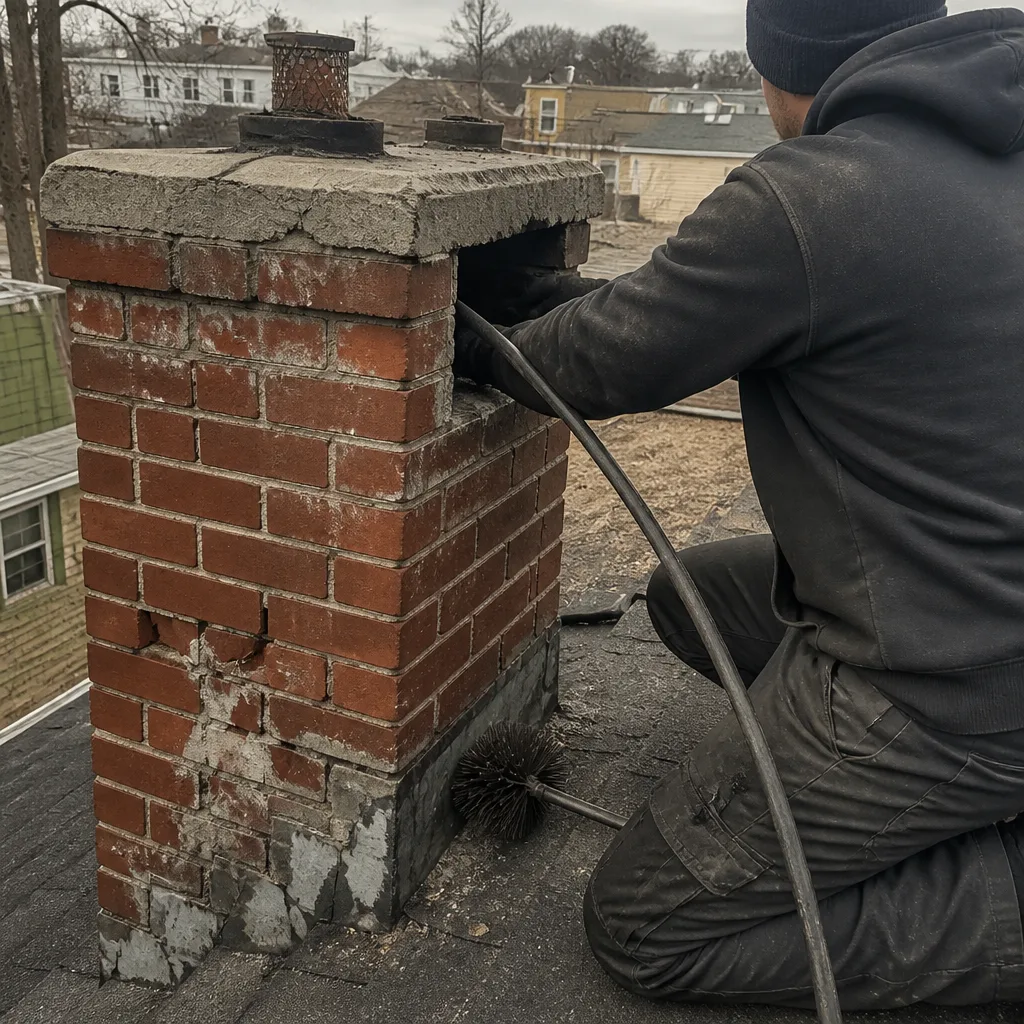 Before
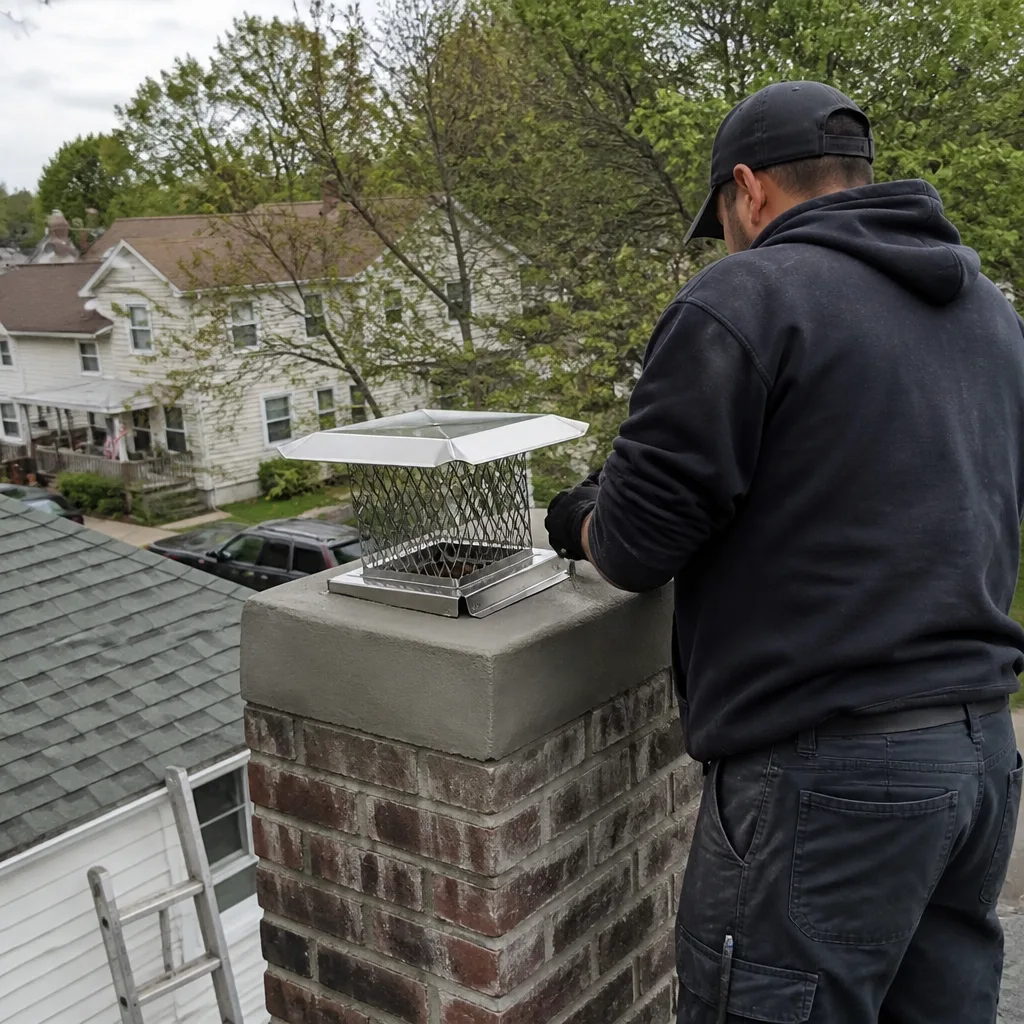 After
After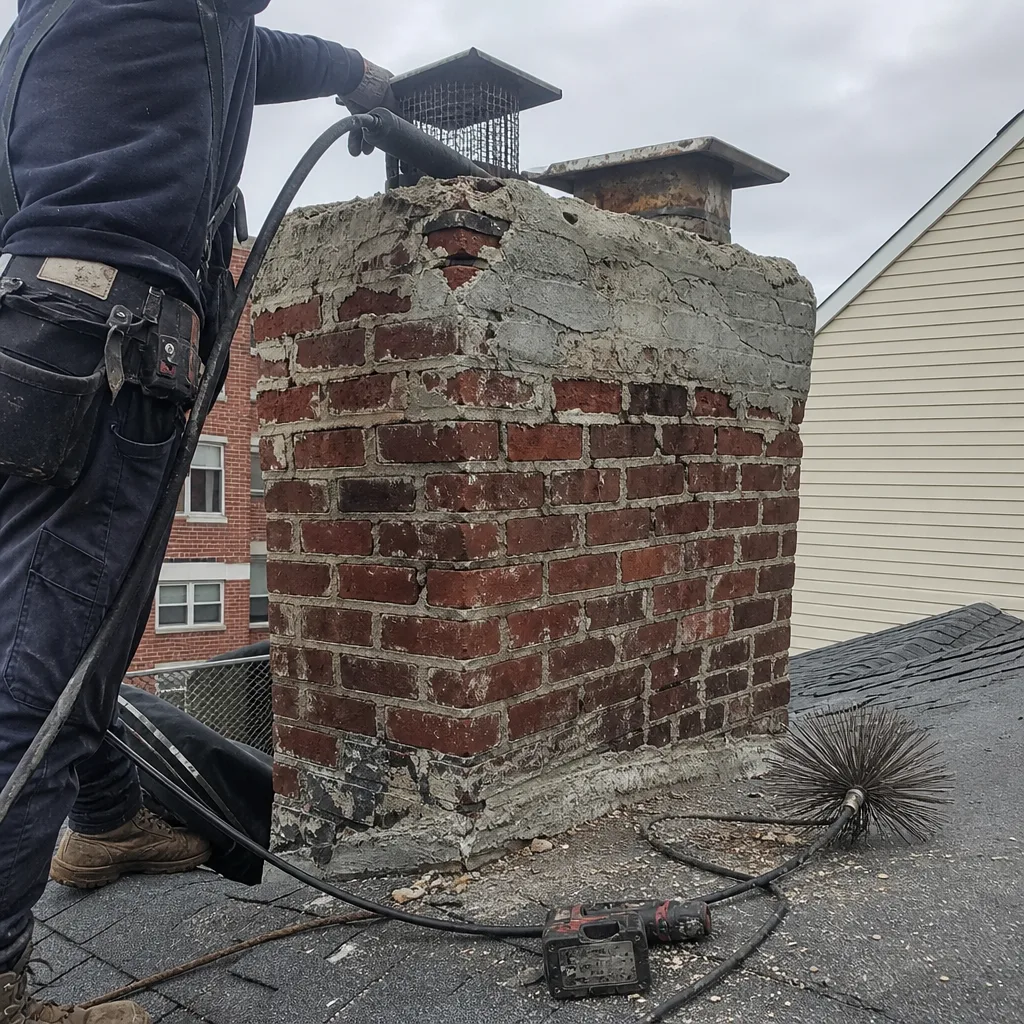 Before
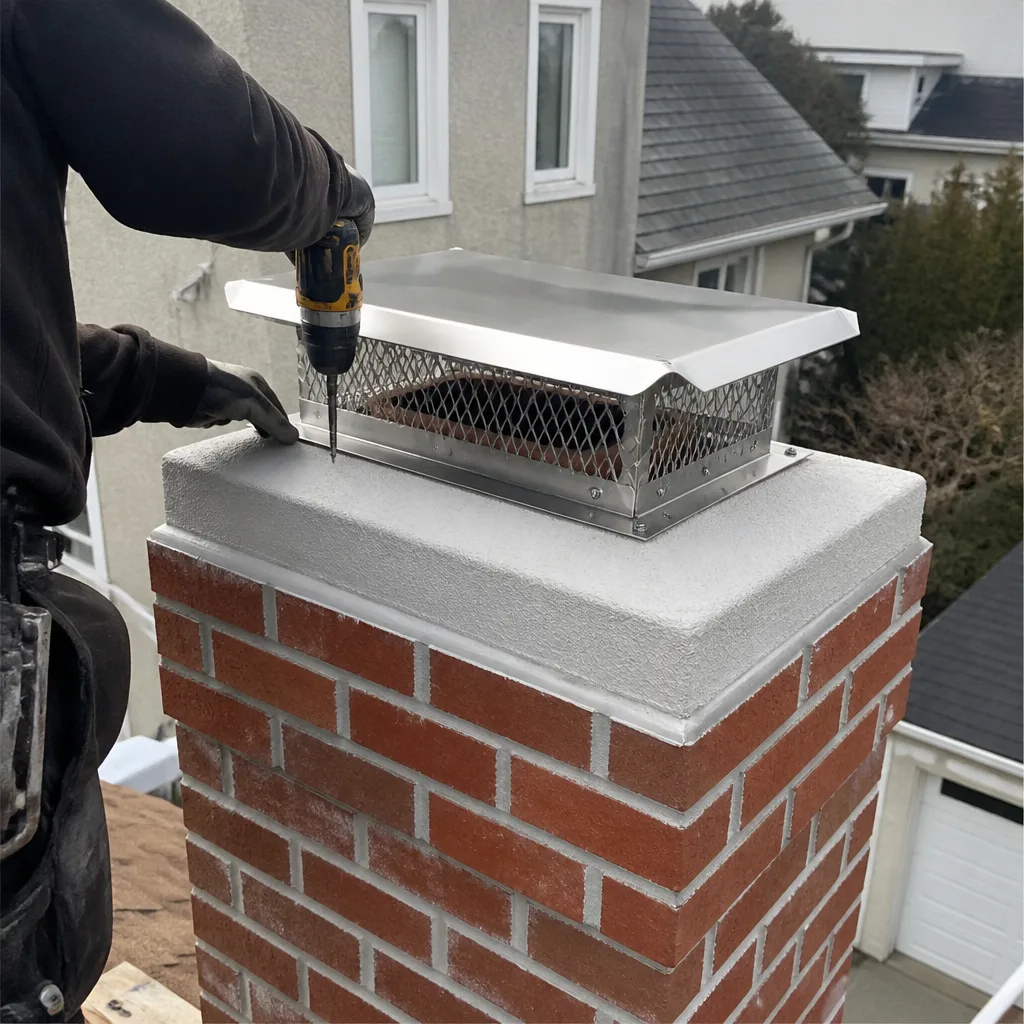 After
After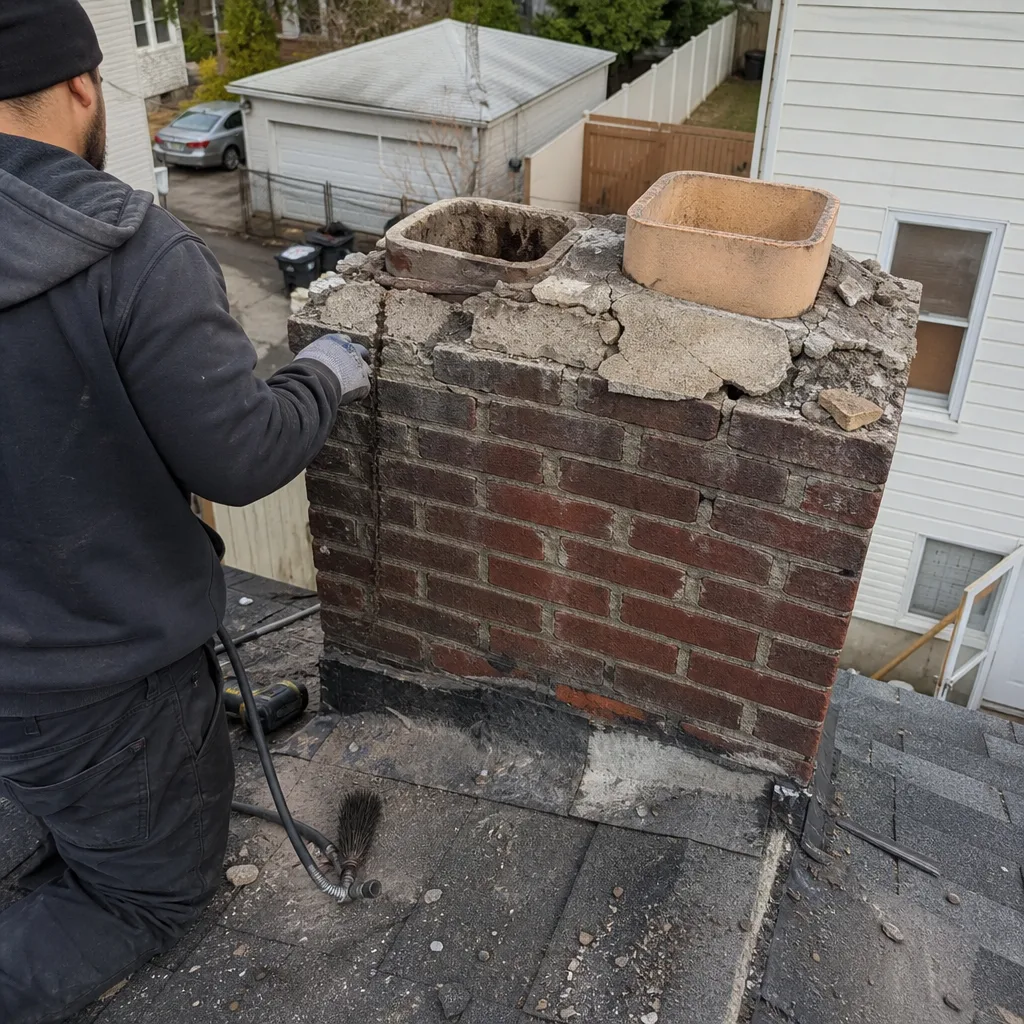 Before
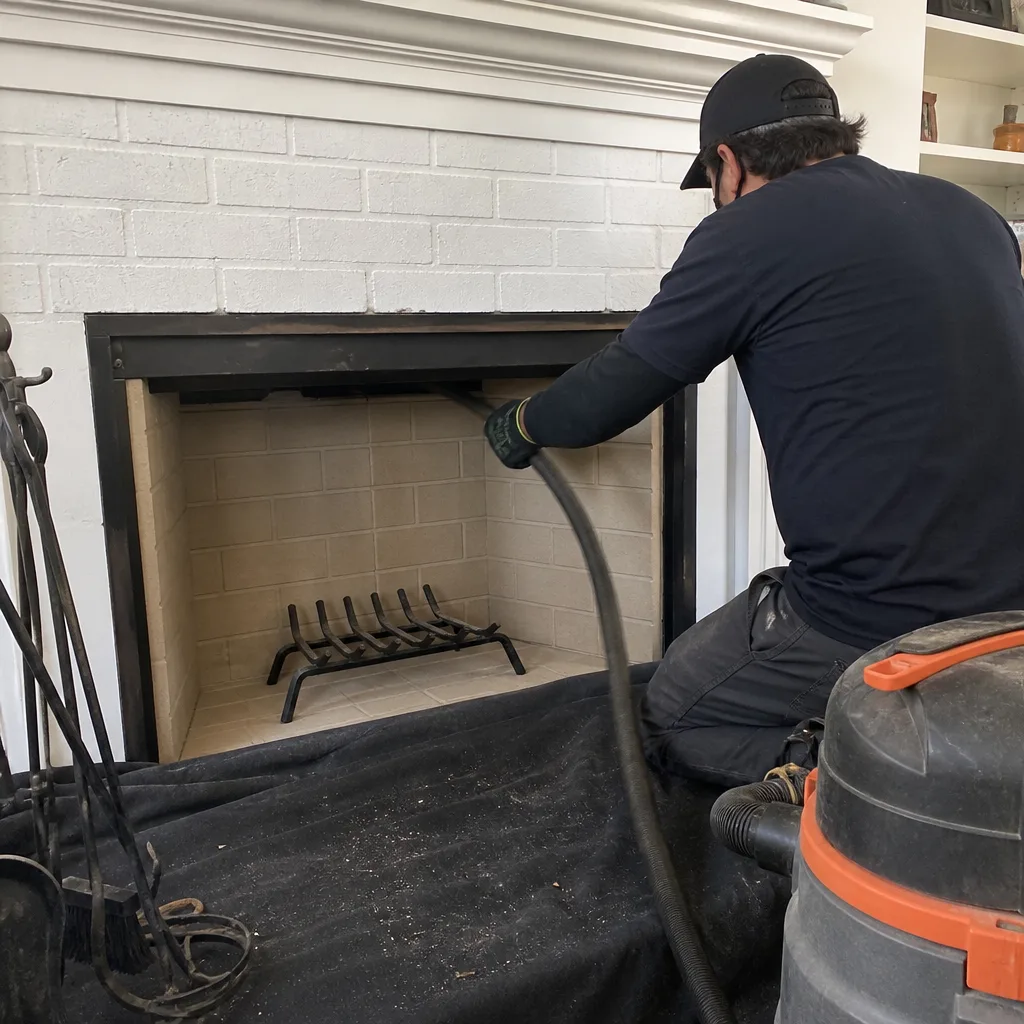 After
AfterWhen to Call a Professional
Call a chimney professional when you’ve found any sign in the “do not light” list above, when a smell or draft change has persisted for more than a few days, or when you simply cannot remember the last time the flue was swept. Call also if it’s your first winter in a Brooklyn home and you have no history on the chimney, which is the case for a lot of new homeowners in Bed-Stuy, Crown Heights, and Ditmas Park. A chimney with no known service history is a blank slate, and a camera inspection is the fastest way to know what you’re working with. Kindling Chimney Brooklyn offers free estimates throughout Brooklyn, and you’ll get a written price before any work starts, including a photo of the clean-up before the crew leaves. Call (607) 695-6218 to schedule.
Frequently Asked Questions
A standard chimney sweep in Brooklyn typically runs between $180 and $350 depending on the flue type, accessibility, and whether the chimney has been maintained recently. For more guides & resources on chimney care and seasonal maintenance, visit our blog. If the sweep turns up liner damage or masonry issues, the repair quote is always separate and always written before work begins. Call (607) 695-6218 for an exact quote on your fireplace, estimates are free.
Every fireplace should be swept at least once per burning season, or roughly every 40 to 60 fires, whichever comes first. In Brooklyn, where many chimneys are older and a lot of homes burn wood through the winter months, an annual sweep is the right rhythm for most households. Converted gas fireplaces should still be inspected annually even when they don’t need sweeping in the traditional sense.
You need a new liner when the existing one shows cracks, missing sections, or deteriorating mortar that a camera inspection confirms. A sweep alone cannot repair a cracked clay tile, and continuing to use a fireplace with a breached liner puts heat and creosote against the brick structure. If you’re told you need a liner, ask to see the camera footage, a reputable Brooklyn chimney service will show it to you.
Creosote builds up in stages, and after two or three years of regular use the flue is often carrying stage two or stage three creosote, which is flammable and can fuel a chimney fire. Water and animal damage also go unseen without a sweep, so smaller issues become liner replacements. The safest course is to keep the annual sweep routine, even in mild winters.
You can, but it’s not recommended, especially in Brooklyn where rain and wildlife are both consistent. Every rain is entering the flue, and every cold night is pulling conditioned air out. A new cap is one of the least expensive chimney repairs, and installing one sooner rather than later protects everything below it. Call (607) 695-6218 and we’ll give you a written price before the work begins.
Yes, we handle chimney sweeping, inspections, and fireplace repair throughout Brooklyn, including liner work with DuraFlex, Olympia Chimney, and Copperfield materials. Every visit is backed by the 365-Day Done Right Promise, and our technicians follow the Cedarwell Care Promise on shoe covers, drop cloths, and clean-up photos before they leave.
The Bottom Line
Chimney problems in Brooklyn homes reveal themselves slowly, through smell, sight, sound, and the way the fire behaves. A damp odor, white staining above the firebox, creosote flakes, a lazy draft, and sounds of debris in the flue are not separate issues; they are pieces of one condition developing inside the chimney, and each one has a different urgency. Some mean a sweep this season. A few mean the fireplace stays cold until a technician visits. The good news is that every one of these signs can be checked quickly with a professional inspection, and early findings are almost always less expensive than late ones. If you’ve noticed any of the signs in this guide, or if it’s simply been a while since the flue was looked at, call (607) 695-6218 for a free estimate. We’ll give you the written price before any work starts, and we’ll leave your home as clean as we found it. Explore our Kindling Chimney Brooklyn home page or review our Fireplace Repair in Brooklyn services for more detail.
Written by Danny Cortes, Owner at Kindling Chimney Brooklyn, serving Brooklyn since 2003.