
Last updated October 15, 2026
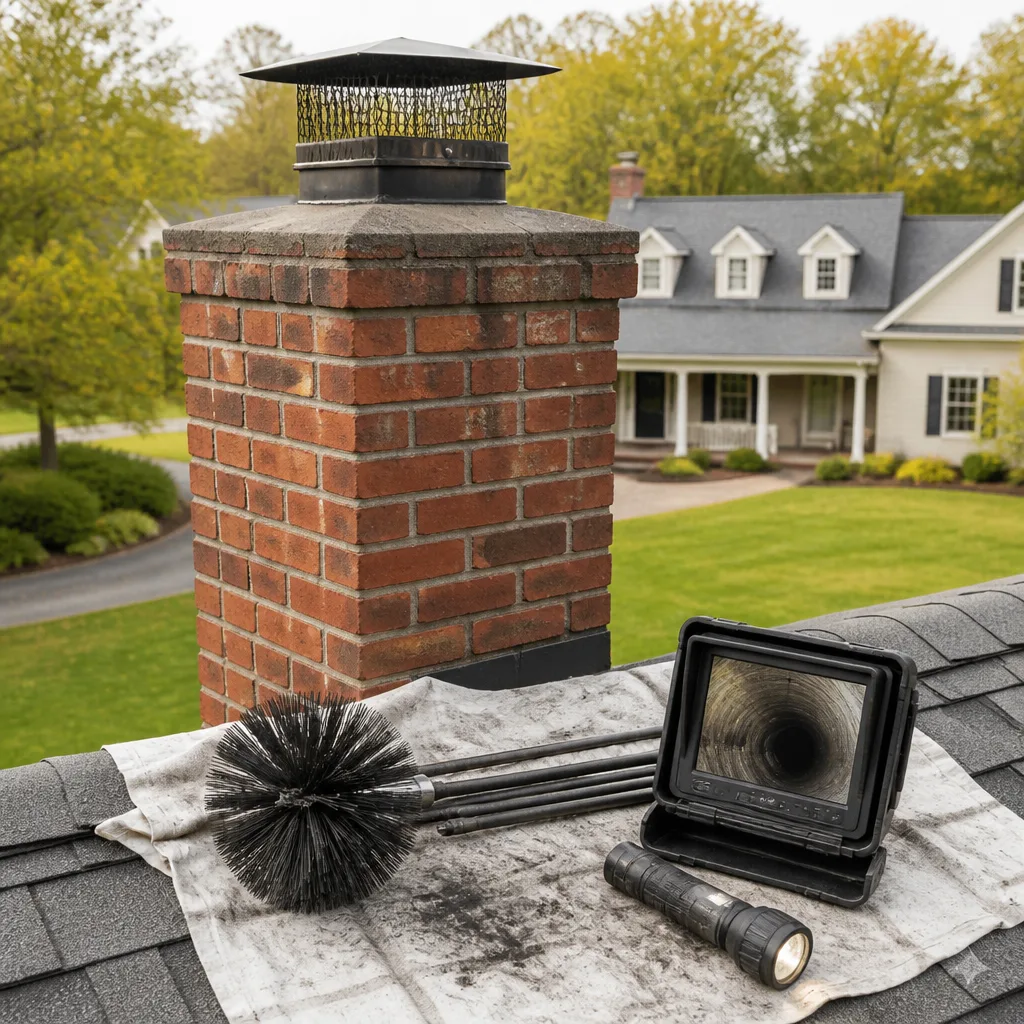 Sweep & inspection
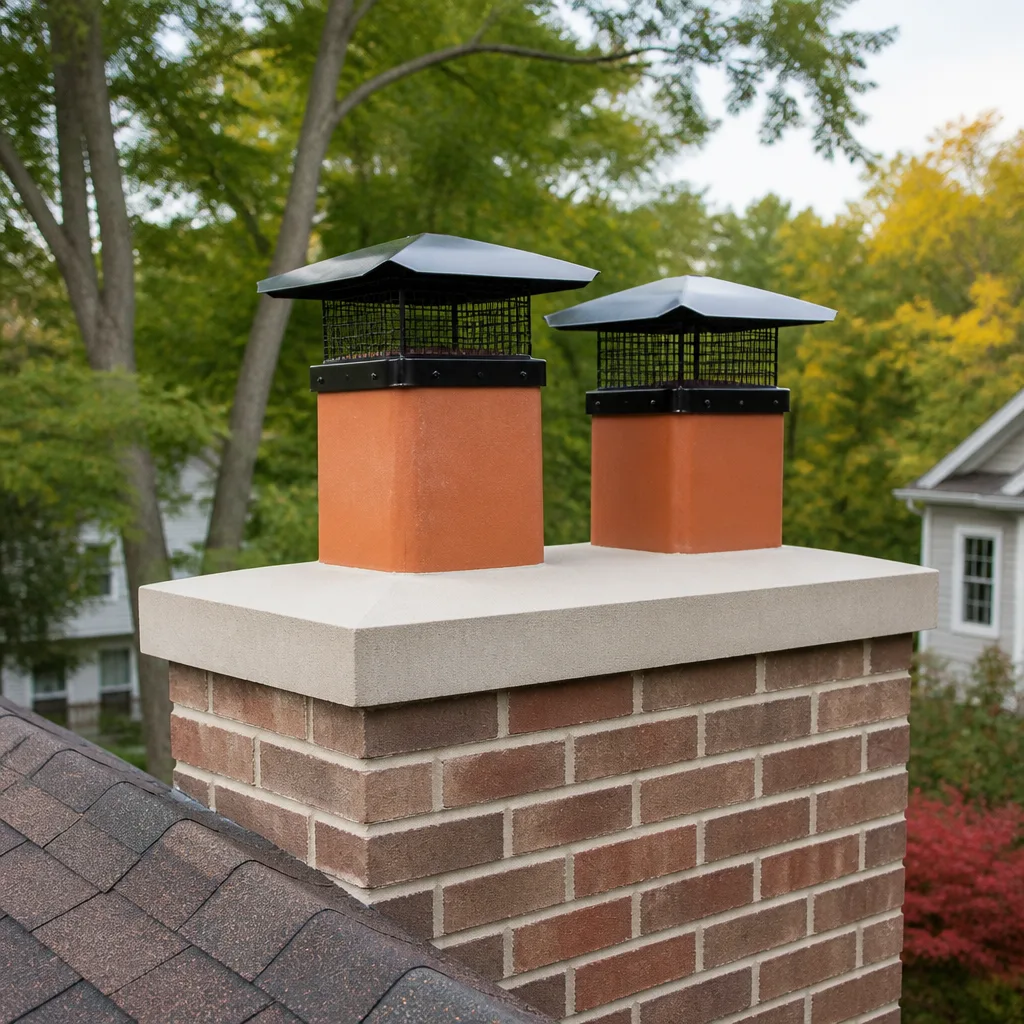 Caps & crowns
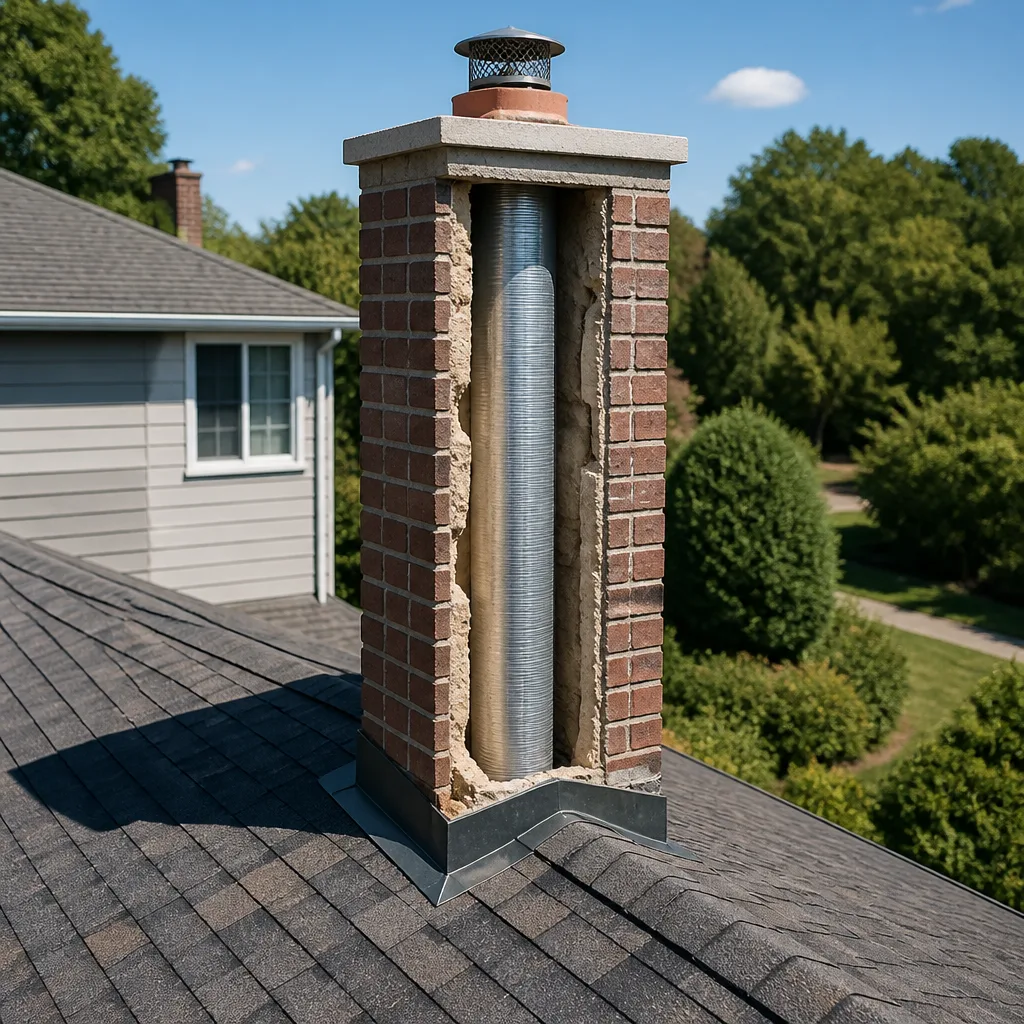 Flue relining
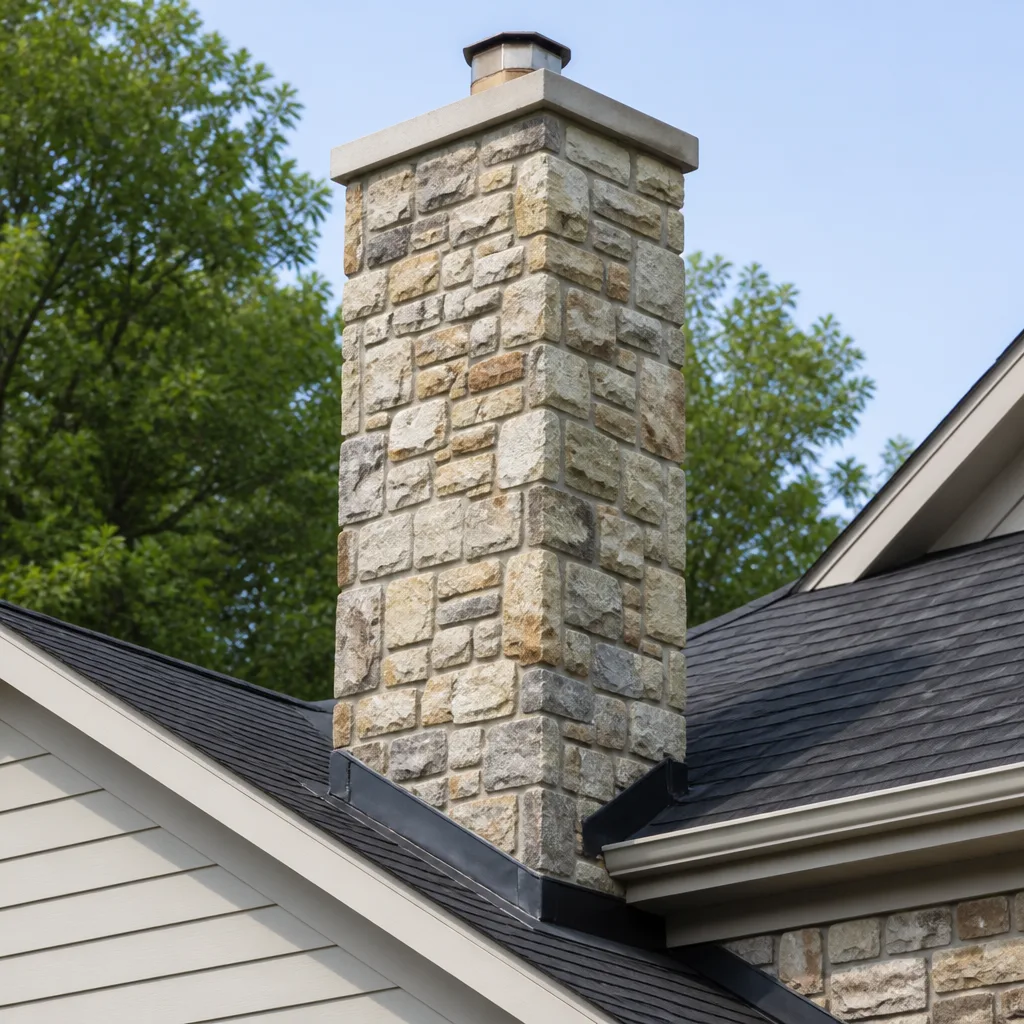 Masonry repair
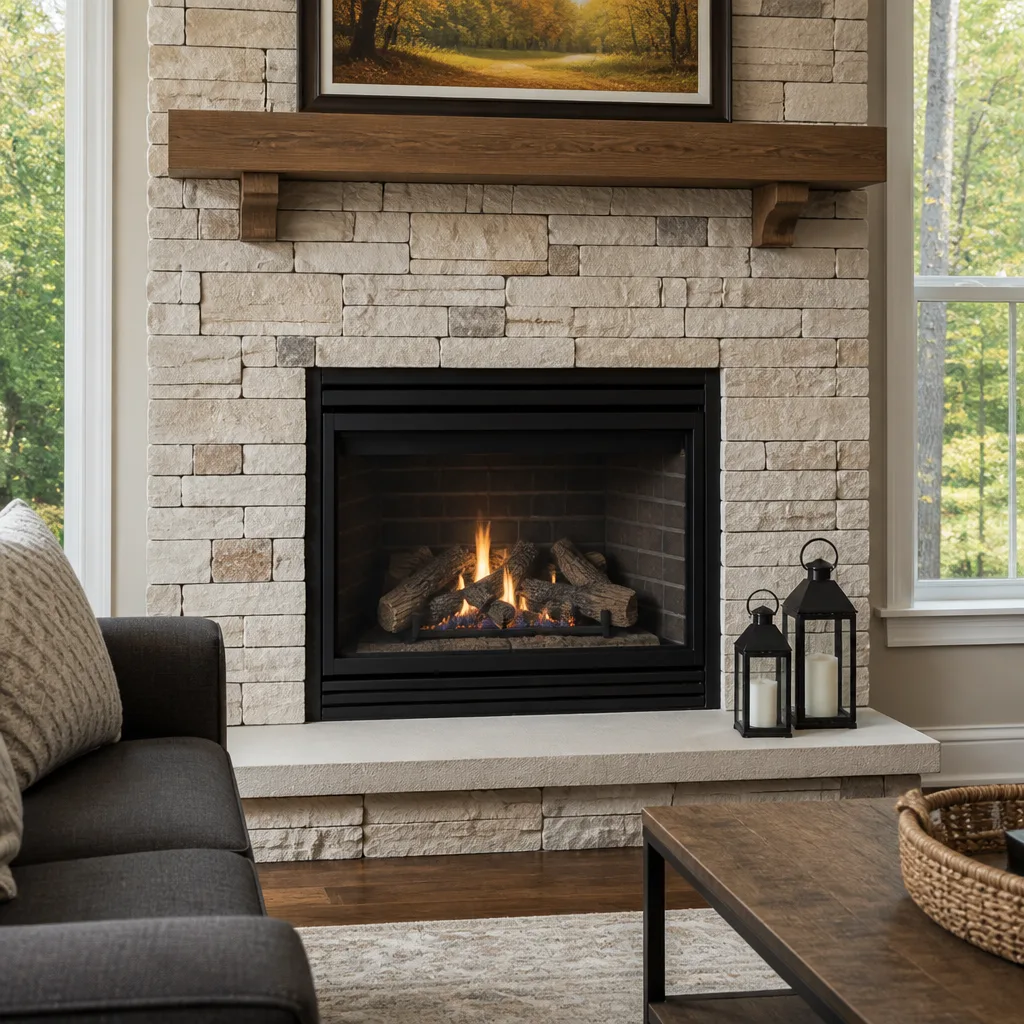 Gas fireplace service
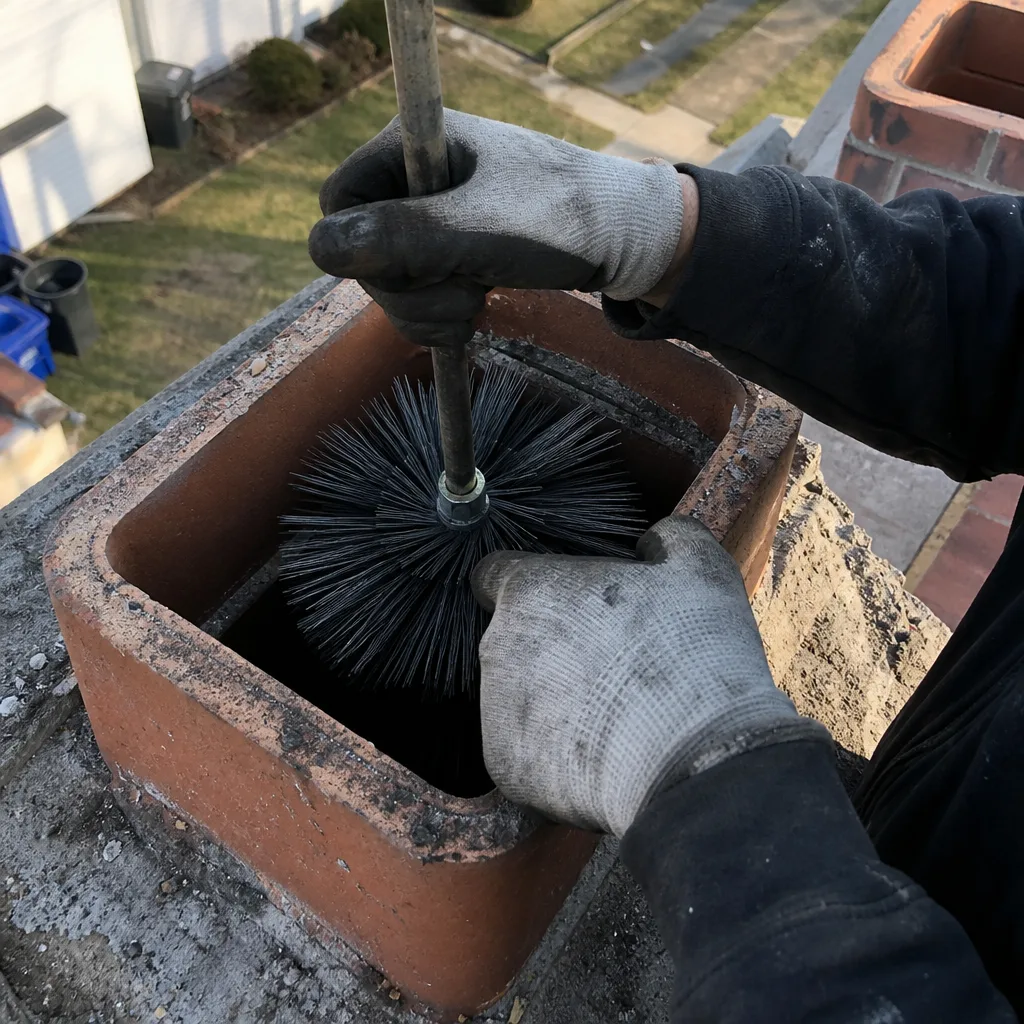
Level 1 sweep and inspection to the NFPA 211 annual standard - flue, crown, cap, and flashing checked and photographed
Chimney sweep logs do not sweep chimneys. They loosen some creosote - which then falls where a brush and vacuum still have to collect it.
Chimney Cleaning Permits, Codes & Inspections in NY: What You Need to Know
A Brooklyn homeowner who replaces a flue liner without a NYC DOB permit isn’t just risking a fine – they’re creating an undisclosed defect that can unravel a real estate transaction years later. Here’s the thing most people don’t realize: the chimney cleaning itself rarely triggers paperwork, but the repairs that cleaning uncovers often do, and the line between them is where things get expensive. In Brooklyn, with our mix of 19th-century brownstones, mid-century brick apartment buildings, and newer condo conversions, that line shifts depending on building height, occupancy class, and what exactly the chimney serves. This guide walks through the actual rules: what needs a permit, what doesn’t, what inspectors look for, and the paper trail you’ll want to keep. For a deeper dive, see The Complete Guide to Chimney Cleaning in Brooklyn.
Styles & brands we work with
Quick Answer
Chimney cleaning in New York State and Brooklyn does not require a permit. Chimney repairs may require a permit depending on what’s being done – relining, rebuilding, or structural changes usually do, while basic repointing or crown sealing typically falls under ordinary repair and does not. Annual chimney inspections are strongly recommended by the NYC Fire Code but are not legally mandated for most single-family homes; multi-unit buildings face additional filing obligations under Local Law 11.
Table of Contents
- Does Chimney Cleaning Require a Permit in NY?
- Ordinary Repair vs. Alteration: The NYC DOB Distinction
- What NYC Fire Code Says About Chimney Inspections
- Local Law 11 and FISP: When Filing Is Required
- How to Verify a Contractor’s Permit Was Actually Closed
- The Paper Trail for Home Sale Inspections in NY
- Common Mistakes to Avoid
- When to Call a Professional
- Frequently Asked Questions
- The Bottom Line
Does Chimney Cleaning Require a Permit in NY?
No permit is required to clean a chimney in New York State, including all five boroughs. Sweeping removes soot, creosote, and debris from an existing flue – it doesn’t alter the structure, change its dimensions, or affect how the chimney performs. The NYC Department of Buildings treats routine chimney cleaning the same way it treats gutter cleaning or window washing: maintenance of an existing condition, not a modification.
That said, what a sweep finds during the cleaning can trigger permit obligations. If our technicians at Kindling Chimney Brooklyn discover a cracked flue tile, a deteriorating mortar joint that’s more than surface-level, or a chimney cap that’s rusted through to the point where it’s allowing water into the masonry, the follow-up repair may need filing. The cleaning remains permit-free; the repair does not.
One nuance worth knowing: even though cleaning doesn’t require a permit, you should still keep your service receipt. In Brooklyn co-ops and condos, board packages frequently ask whether chimneys have been maintained. A dated invoice from a certified chimney sweep satisfies that requirement and creates a paper trail if you ever sell. It also matters for insurance claims – if a chimney fire occurs, documentation of regular cleaning supports your position that you maintained the system properly.
Ordinary Repair vs. Alteration: The NYC DOB Distinction
New York City’s Administrative Code draws a specific line between ordinary repair and alteration, and it’s the single most important distinction in chimney work. Ordinary repairs do not require a permit. Alterations do. The code defines ordinary repair as work that replaces or restores existing components with like materials, doesn’t change the structure, and doesn’t affect safety. An alteration changes the building’s configuration, capacity, or performance.
Here’s how that applies to common chimney jobs in Brooklyn:
- Chimney repointing (no permit): Removing old, crumbling mortar from between bricks and tucking in new mortar restores the existing structure. It doesn’t change dimensions or capacity. This is ordinary repair.
- Chimney crown resealing (no permit): Applying a new cement crown over the existing chimney top maintains the current condition. No structural change.
- Chimney cap replacement (no permit): Swapping a damaged cap for a new one of similar size and function is a maintenance item.
- Partial brick replacement (no permit, usually): Replacing individual spalled bricks or small sections of the outer wythe typically counts as ordinary repair, as long as you’re not altering the chimney’s structural capacity.
- Flue relining with a stainless steel liner (permit usually required): Installing a new liner changes the flue’s performance characteristics and can affect draft, clearance, and fire safety. NYC DOB generally treats this as an alteration, especially if the chimney serves a fuel-burning appliance.
- Full or partial chimney rebuild (permit required): Taking down and rebuilding any portion of a chimney alters the structure. This always requires filing.
- Adding a flue or changing flue size (permit required): Modifying the number or dimensions of flues is an alteration, no question.
- Adding a chimney liner for a new appliance (permit required): If you’re switching from a gas fireplace to a wood stove or adding a second heating appliance, the flue requirement changes. That’s an alteration.
The gray zone in Brooklyn is often a partial rebuild. A contractor might take down eight courses of brick in Park Slope and rebuild them, calling it ordinary repair. But if those eight courses include the smoke chamber or the point where the flue connects to the masonry, DOB inspectors may disagree and issue a stop-work order. When we do this work at Kindling Chimney Brooklyn, we err toward the stricter interpretation – it’s cheaper to pull a permit up front than to fight a violation later. Our Chimney Inspection in Brooklyn process always identifies which category the work falls into before we start.
What NYC Fire Code Says About Chimney Inspections
The NYC Fire Code requires that chimneys serving fuel-burning appliances be inspected at least once a year, though enforcement for single-family homes is minimal. The code is more active in multi-unit buildings, where the Fire Department can issue violations for blocked or unsafe chimneys. The specific language appears in Chapter 9 of the NYC Fire Code, which references NFPA 211, the national standard for chimneys and venting systems.
Here’s what NFPA 211 says, and what we actually see inspectors expect in Brooklyn:
- Wood-burning fireplaces and stoves: Inspect annually, and sweep when the creosote layer reaches 1/8 inch. In practice, if you burn more than two cords of wood per winter in a Brooklyn townhouse, you should sweep twice a season. The cold March and April burns that stretch the heating season here deposit more creosote than mid-winter fires do, because the flue never gets fully hot.
- Oil-fired heating flues: Inspect annually and sweep as needed. Oil soot is acidic and attacks mortar joints. Brownstone and brick rowhouse flues that have seen decades of oil heat are often the ones with the most internal deterioration.
- Gas fireplace vents: Inspect annually. These don’t produce creosote, but they do get blocked by bird nests, leaves, and in Brooklyn especially, construction debris from adjoining rooftop work.
- Masonry chimneys: Examine the exterior annually for spalling, cracked crowns, and deteriorated flashing. This matters more in Brooklyn than in drier climates, because our freeze-thaw cycles chew through old brick fast. Water gets into a hairline crack, freezes, expands, and widens the crack. Repeat for forty winters and you have a leaning chimney on a Bed-Stuy rowhouse.
One code provision that surprises Brooklyn homeowners: if your chimney serves a solid-fuel appliance (wood or coal) and hasn’t been used in more than two years, NYC Fire Code says it should be inspected before you light your first fire. The reasoning is simple – animals nest, mortar crumbles, and a flue that sat dormant isn’t necessarily a safe flue. We recommend a Level 2 inspection for any chimney that’s been out of service that long. The cost is modest, and it’s the difference between a cozy first fire and a smoke-filled living room in Carroll Gardens on a Sunday night.
Local Law 11 and FISP: When Filing Is Required
Brooklyn buildings that are six stories or taller, or that fall under Local Law 11’s facade inspection requirements, have a separate set of rules. The Facade Inspection and Safety Program (FISP) mandates that exterior walls and appurtenances – including chimneys – be inspected every five years by a licensed engineer or architect, who then files a report with the DOB. If your chimney is part of a qualifying building and the engineer flags deterioration, the clock starts on a filing obligation.
Here’s how it plays out for a multi-unit Brooklyn building, say a six-story elevator building in Sheepshead Bay or a prewar co-op in Kensington:
- The building’s FISP cycle comes due, and the engineer inspects all exterior elements, including chimney stacks.
- If the chimney is deemed “Safe,” no further action is needed for that cycle.
- If it’s classified as “Safe with a Repair and Maintenance Program” (SWARMP), the building has a set period – typically 30 days to several months depending on severity – to file and complete the specified work.
- If it’s classified as “Unsafe,” the DOB requires immediate protection, usually sidewalk sheds, and the chimney work becomes an emergency filing.
- After the work is done, the engineer re-inspects and files an amended report closing out the condition. Failure to close the item keeps the violation open, and open violations block refinancing, sales, and sometimes insurance renewals.
A chimney inspection by a sweep company like Kindling Chimney Brooklyn does not replace the FISP engineer’s inspection – they’re different scopes. But our inspection can catch the same conditions early, giving the building board a heads-up before the engineer files. In Brooklyn, that early warning often saves a co-op tens of thousands of dollars, because you’re fixing a $2,500 crown issue before it becomes a $25,000 chimney rebuild with DOB oversight. If you’re not sure whether your building falls under Local Law 11, a quick check of the DOB Building Information System (BIS) will tell you. Our Chimney Sweep Maintenance Checklist for Brooklyn Homeowners covers what to track between inspections. Or call us – we’re happy to point you in the right direction.
How to Verify a Contractor’s Permit Was Actually Closed
Here’s a scenario we see in Brooklyn regularly: a homeowner hires a contractor to reline a chimney, the contractor opens a permit with the DOB, does the work, and the homeowner assumes everything is settled. Then three years later, when they go to refinance or sell, their title search turns up an open permit. The contractor never filed the sign-off. Now the homeowner is stuck chasing someone who may have changed phone numbers, and the bank won’t close until the permit is resolved.
This is avoidable if you verify closure yourself. The process takes ten minutes:
- Go to the NYC DOB Building Information System (BIS) online portal.
- Enter your Brooklyn address in the property search field.
- Look for the “Permits” or “Job Filings” section for your building.
- Find the permit number for the chimney work in question.
- Check the permit status. It should read “SIGNED OFF” or “CLOSED.” If it shows “OPEN” or “ISSUED,” the work hasn’t been properly closed.
- If a violation or stop-work order exists, it will appear in the “Violations” or “Actions” section.
For work done under a direct DOB permit, the sign-off comes from the inspecting agency. For work done under a Limited Alteration Application (LAA), the final inspection and sign-off may be performed by the filing architect or engineer and then submitted to the DOB. Ask the contractor for a copy of the final sign-off document, and keep it with your house records. In Brooklyn, where buildings routinely change hands through generations of the same family, that paper trail matters. It’s the kind of thing that makes a closing go smoothly or turn into a three-month headache.
The Paper Trail for Home Sale Inspections in NY
New York State does not require a chimney inspection before a home sale, but your buyer’s inspector will climb onto the roof or send a camera up the flue. What they find can become a negotiation point. If they flag a chimney condition – and in Brooklyn’s older housing stock, they frequently do – the burden falls on you to prove the condition is either recent, cosmetic, or already addressed.
The documents that protect you:
- Service history from a certified chimney sweep: Regular sweeping and inspection records show maintenance, which helps push back on claims that the chimney has been neglected. Keep every invoice. A home inspector who says “no evidence of cleaning” is very different from one who says “cleaned annually per attached records.”
- Permit closure documents: If you’ve had relining, rebuilding, or other permitted work done, the closed permit is your strongest defense. It says the work passed DOB review and inspection.
- Photos of recent work: Before-and-after photos from a sweep or repair give the buyer’s inspector context. If they see a photo of a clean flue from last month, a minor soot stain becomes less alarming.
- Manufacturer documentation for installed components: If you installed a HeatShield resurfacing system or a Famco chimney cap, keep the manufacturer’s spec sheet. It establishes what the component is, how it performs, and how long it should last. This is especially useful if the buyer’s inspector isn’t familiar with modern chimney technologies.
- Engineer’s report for older buildings: If your Brooklyn building is subject to Local Law 11 and the chimney was addressed in a prior cycle, the engineer’s report makes a strong case that the condition was professionally evaluated.
One specific scenario worth preparing for: the buyer’s inspector flags “spalling brick” on the chimney. Their attorney raises it as a repair credit. Your response is stronger if you can point to a recent chimney inspection from a certified company documenting that the spalling is minor and isolated to the crown area. That’s not a guess – it’s an evidence-backed position. When we do a Chimney Sweep in Brooklyn visit, we photograph the interior flue, the crown, the exterior masonry, and the flashing as a matter of course. You walk away with exactly the documentation you’ll want in a negotiation.
Common Mistakes to Avoid
- Assuming all chimney work is permit-free. Cleaning and basic repointing are permit-free. Relining, rebuilding, and flue modification are not. In Brooklyn, the DOB is stricter about this than many out-of-state contractors realize. If a contractor tells you “we don’t need a permit for this” and it’s a reline, get a second opinion.
- Hiring an unlicensed contractor for permit-required work. In NYC, chimney work that requires a permit must be done by a licensed contractor who files the job. An unlicensed handyman doing a flue reline in a Brooklyn rowhouse is not just a code issue – it creates an undisclosed defect that will surface whenever you sell.
- Forgetting to verify permit closure. An open permit is a title defect. It blocks refinancing and sales. Always check the DOB BIS portal after permitted work is done, and don’t accept “we’ll take care of it” in place of a closed permit.
- Skipping annual inspections because “we barely use the fireplace.” Light use doesn’t prevent deterioration. Brooklyn’s freeze-thaw cycles damage chimneys regardless of how often you burn. An inspection is cheap insurance against a $15,000 rebuild.
- Confusing a sweep with an inspection. A sweep removes debris. An inspection evaluates condition. They’re often done together, but they’re not the same thing. If your chimney hasn’t been inspected in years, ask for a Level 2 inspection, not just a sweep.
- Ignoring a chimney issue flagged at sale and hoping it goes away. It won’t. The buyer’s attorney will make it a closing condition, and you’ll either pay to fix it on their timeline or lose the deal. Either way, you pay. Fix it before listing.
- Letting a small crown crack turn into a full rebuild. A cracked chimney crown is a $400-700 fix in Brooklyn. A chimney that’s been absorbing water through that crack for five years is a multi-thousand-dollar rebuild. The crown is your chimney’s umbrella – replace it before it fails.
When to Call a Professional
If you’re not sure whether a chimney issue is a maintenance item or a permit-triggering alteration, that’s exactly when to get a professional look. A certified chimney sweep can usually tell you in one visit whether the work is ordinary repair, whether a permit is needed, and whether it’s urgent. Specific situations that warrant a call: you see water staining on the ceiling near the chimney; you smell smoke or soot after the fireplace has been off for hours; you hear animals in the flue; or your building received a Local Law 11 report with a chimney condition. Kindling Chimney Brooklyn offers free estimates in Brooklyn – call (607) 695-6218 and we’ll help you figure out what you’re dealing with, including whether paperwork is part of the job. Browse more guides & resources on keeping your chimney safe and compliant.
Frequently Asked Questions
Most standard chimney sweeps in Brooklyn run between $150 and $300 for a single flue, with multi-flue jobs and heavier creosote buildup priced higher. A Level 2 inspection with a camera typically adds $100-250. Our prices are always written down and delivered before work starts, so you never get a surprise at the door. Call (607) 695-6218 for an exact quote – estimates are free.
No, chimney cleaning does not require a permit in New York City or anywhere in New York State. Cleaning is maintenance of an existing flue, not a structural alteration. If the cleaning uncovers damage that needs repair, that repair may require a permit depending on scope.
Generally, flue relining, any partial or full chimney rebuild, changes to flue size or number, and structural modifications require a DOB permit. Repointing, crown resealing, cap replacement, and other ordinary repairs typically do not. When in doubt, have a qualified inspector evaluate the work and classify it before you start.
Yes. Enter your Brooklyn address in the NYC DOB’s Building Information System online and review the permit status. It should read “CLOSED” or “SIGNED OFF.” If it’s still open, contact the contractor immediately and hold back final payment until you receive confirmation of closure. A closed permit protects you at sale and refinance.
New York State does not require a chimney inspection as part of a standard home sale, but buyer’s inspectors routinely examine chimneys and flag conditions. Having service records, photos, and closed permits from any prior chimney work gives you leverage in negotiations and keeps minor issues from becoming deal-breakers.
A chimney liner channels heat and combustion gases up the flue and protects the surrounding masonry from heat and corrosion. A cracked clay tile liner in a Brooklyn chimney that’s actively used for fires or heating is a safety issue and should be addressed, typically with a stainless steel reline using a quality product like DuraFlex. The reline may require a DOB permit, and the liner’s manufacturer documentation should be kept with your house records. Call (607) 695-6218 to have one of our inspectors evaluate your liner condition – we’ll tell you honestly whether it needs work now or can wait.
The Bottom Line
The rule that matters in Brooklyn is simple: cleaning never needs a permit, but the repairs cleaning uncovers sometimes do. Know the difference between ordinary repair and alteration, keep your service records, verify any permit is closed before you consider the job done, and don’t let a small crown crack become a structural rebuild. For a chimney company that tells you exactly what you need, what it costs, and what paperwork is required – before any work starts – call Kindling Chimney Brooklyn at (607) 695-6218. We’ve been serving Brooklyn since 2003, and we’ll treat your home the way we’d treat our own.
Written by Danny Cortes, Owner at Kindling Chimney Brooklyn, serving Brooklyn since 2003.
See the difference
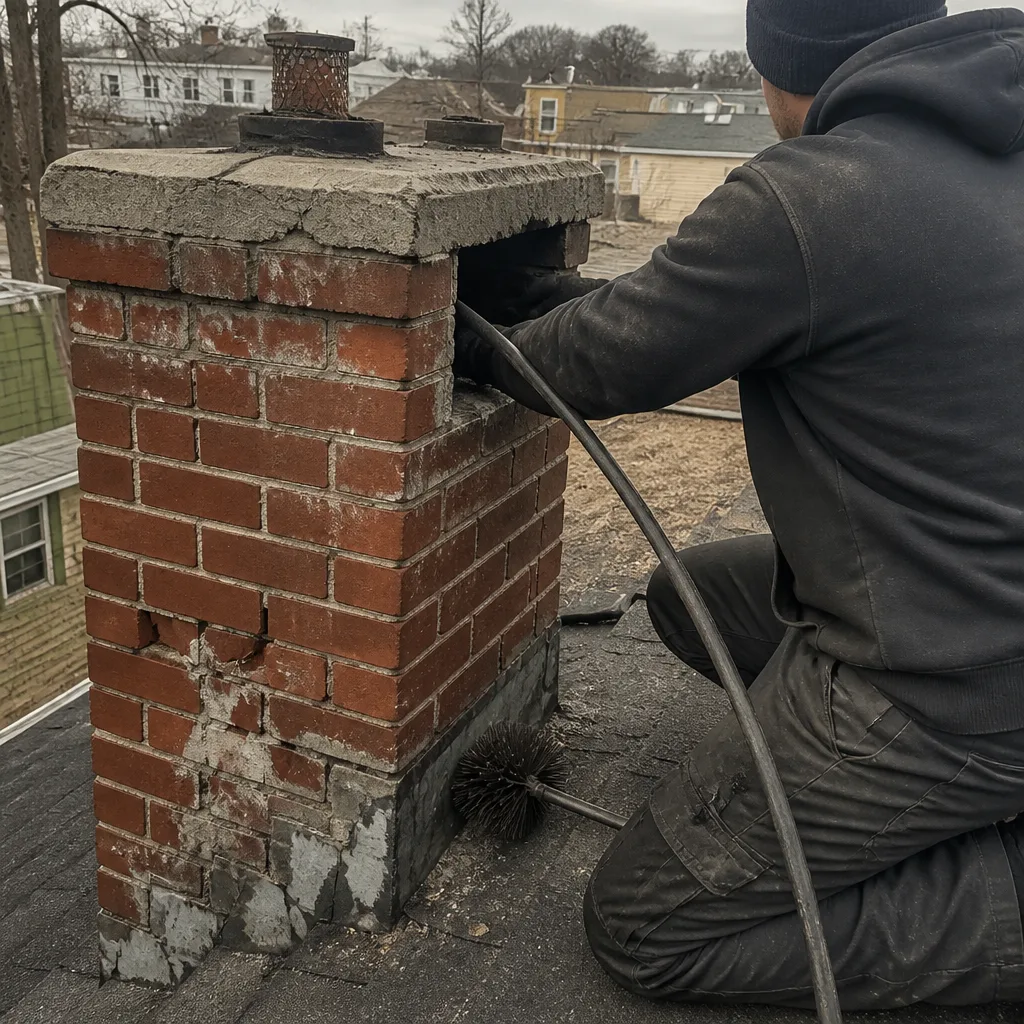 Before
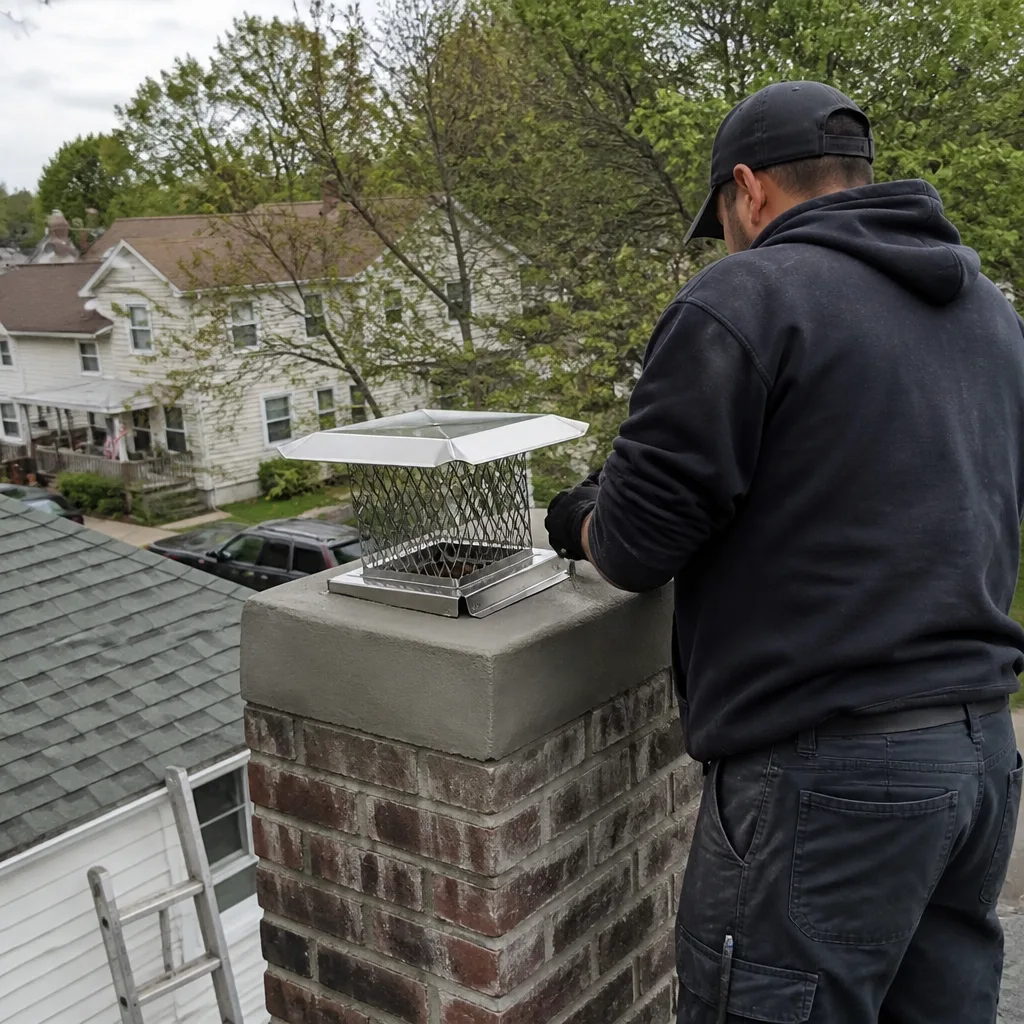 After
After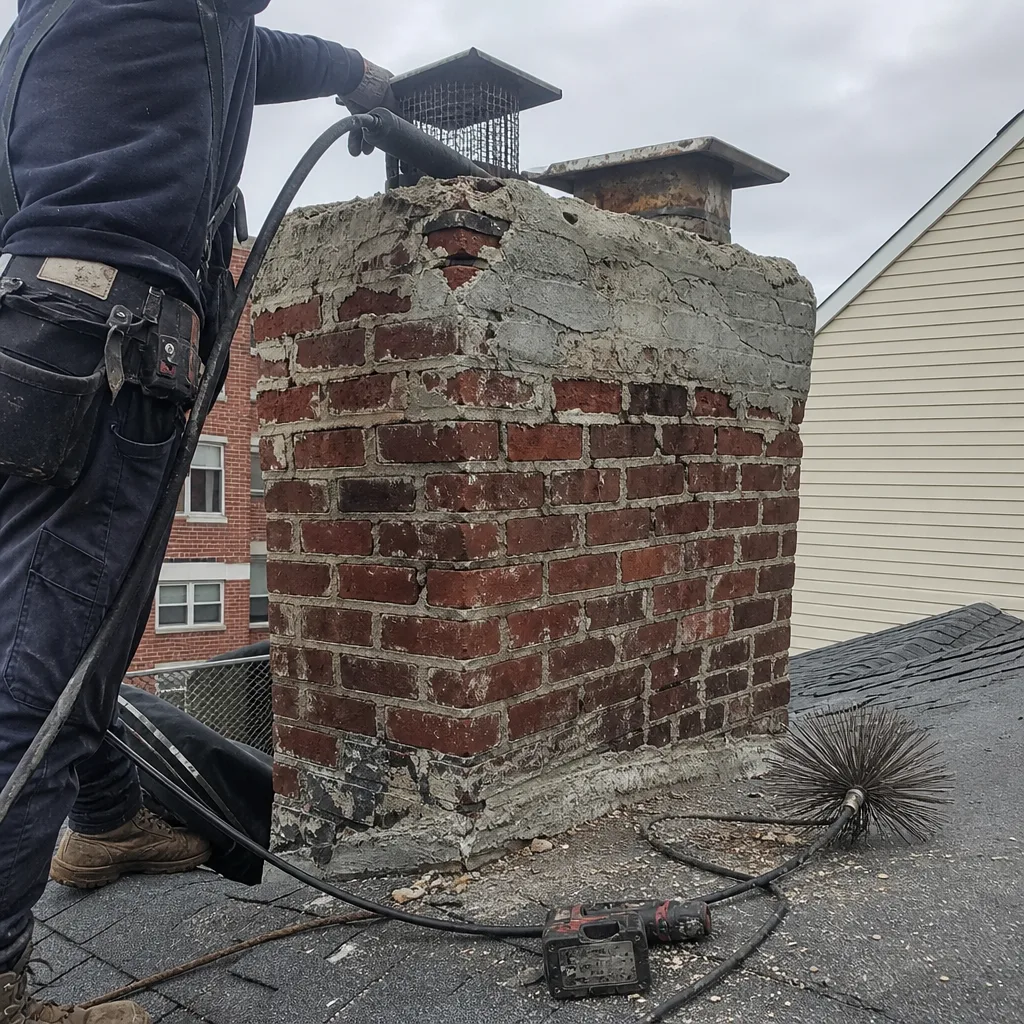 Before
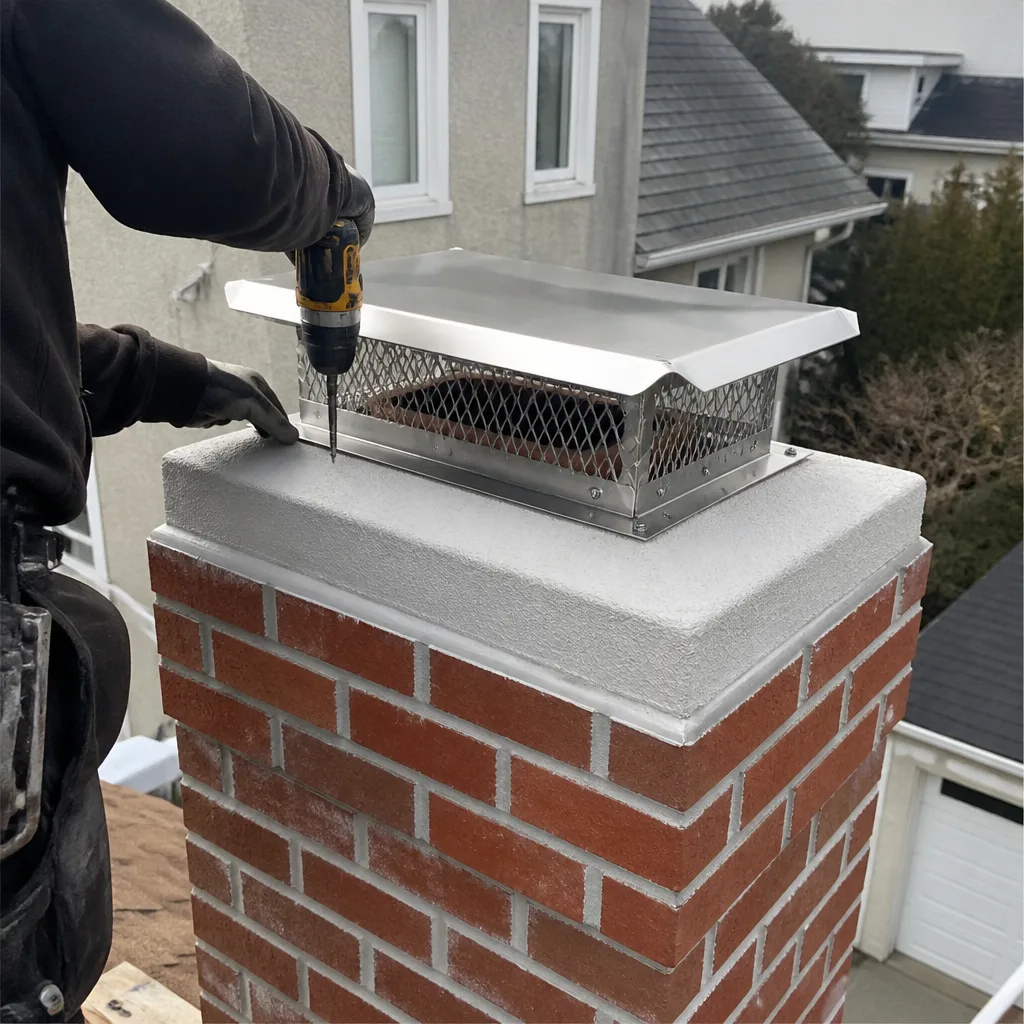 After
After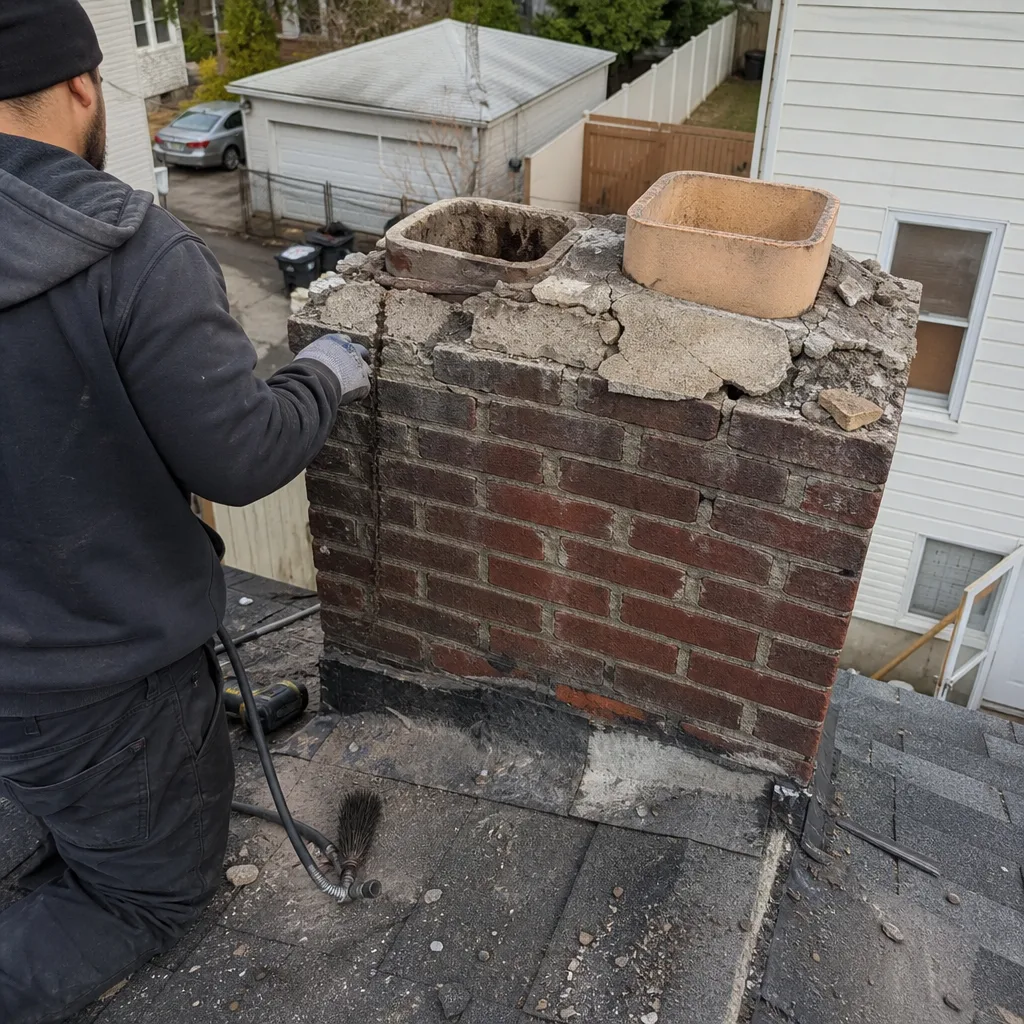 Before
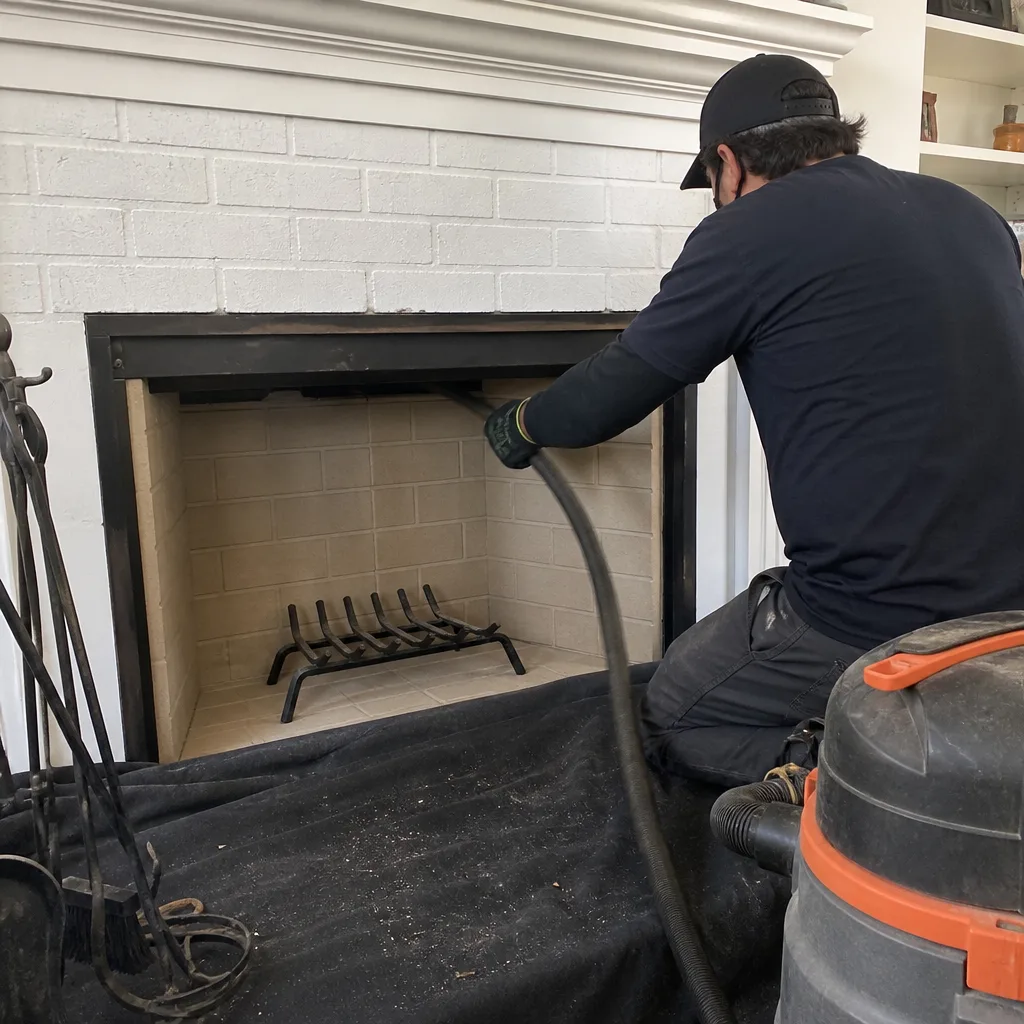 After
After