
Last updated October 15, 2026
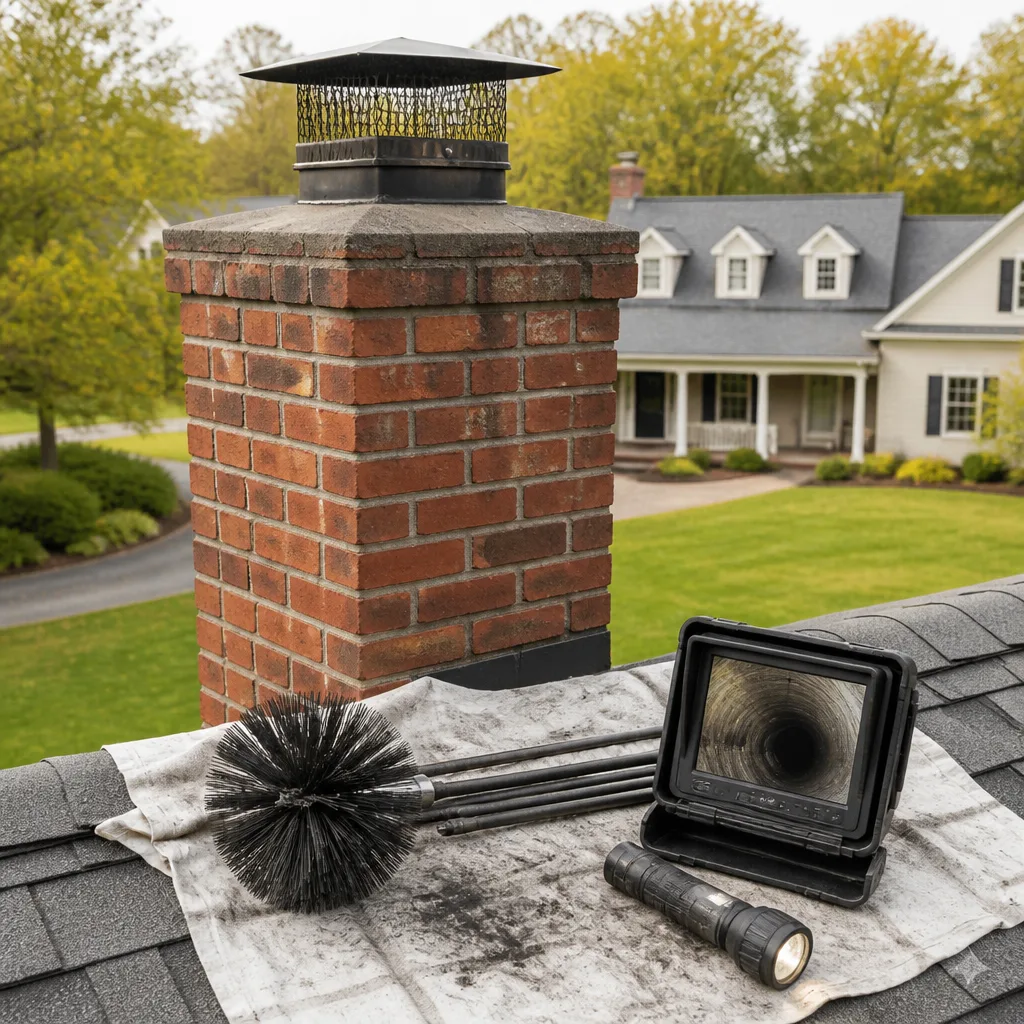 Sweep & inspection
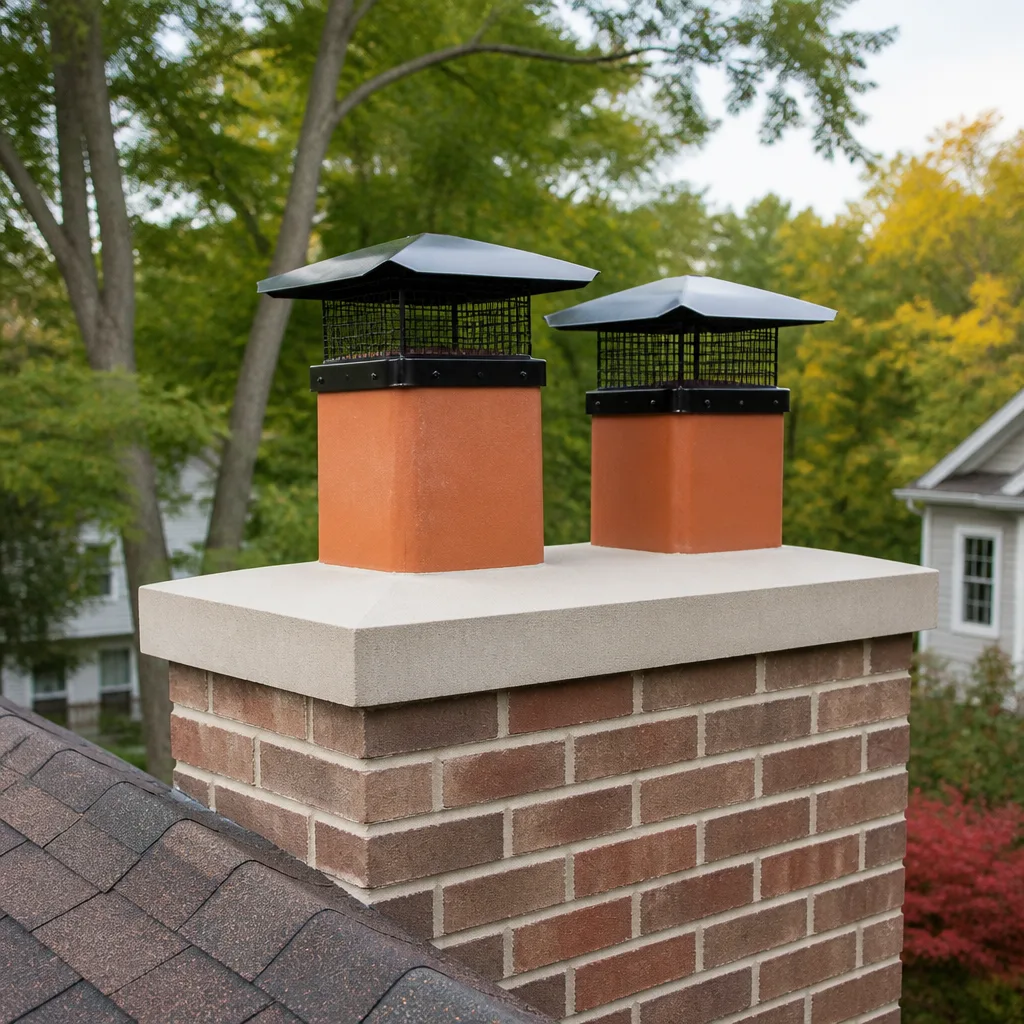 Caps & crowns
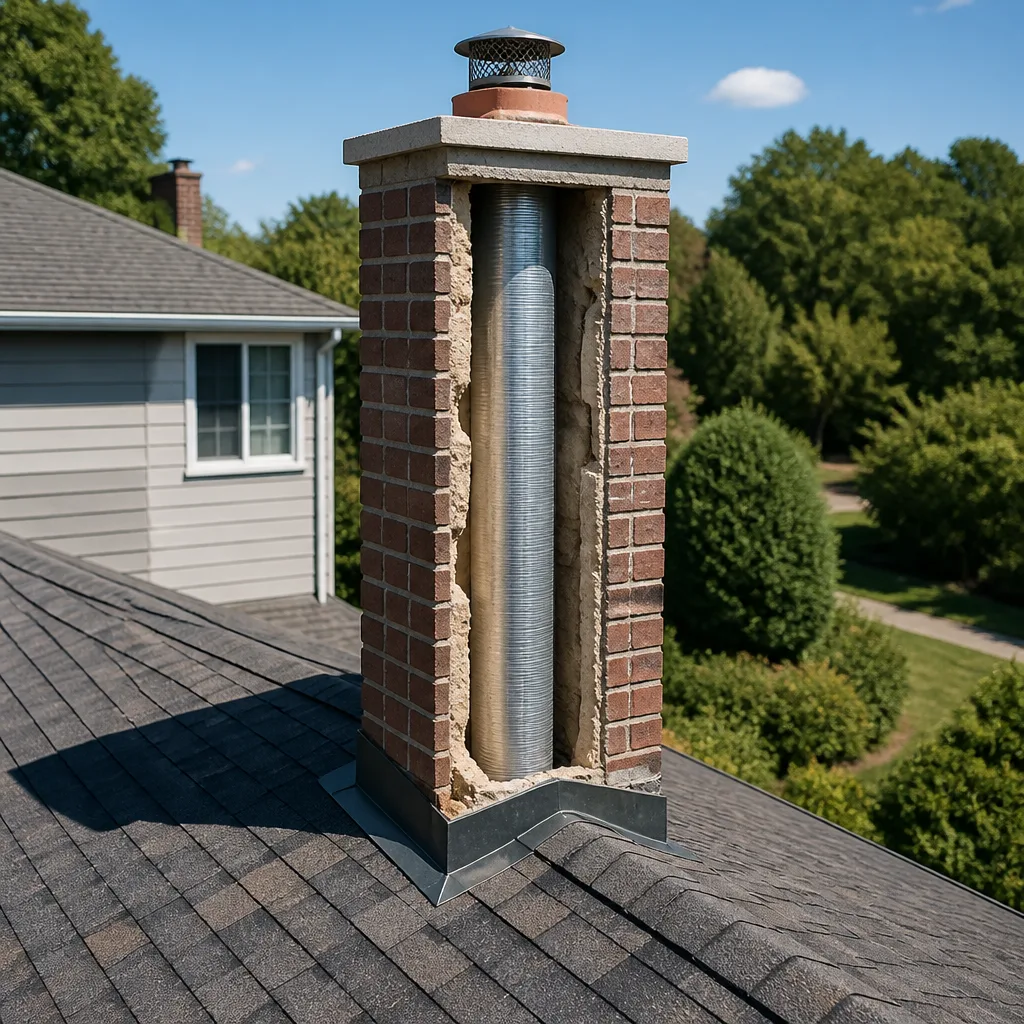 Flue relining
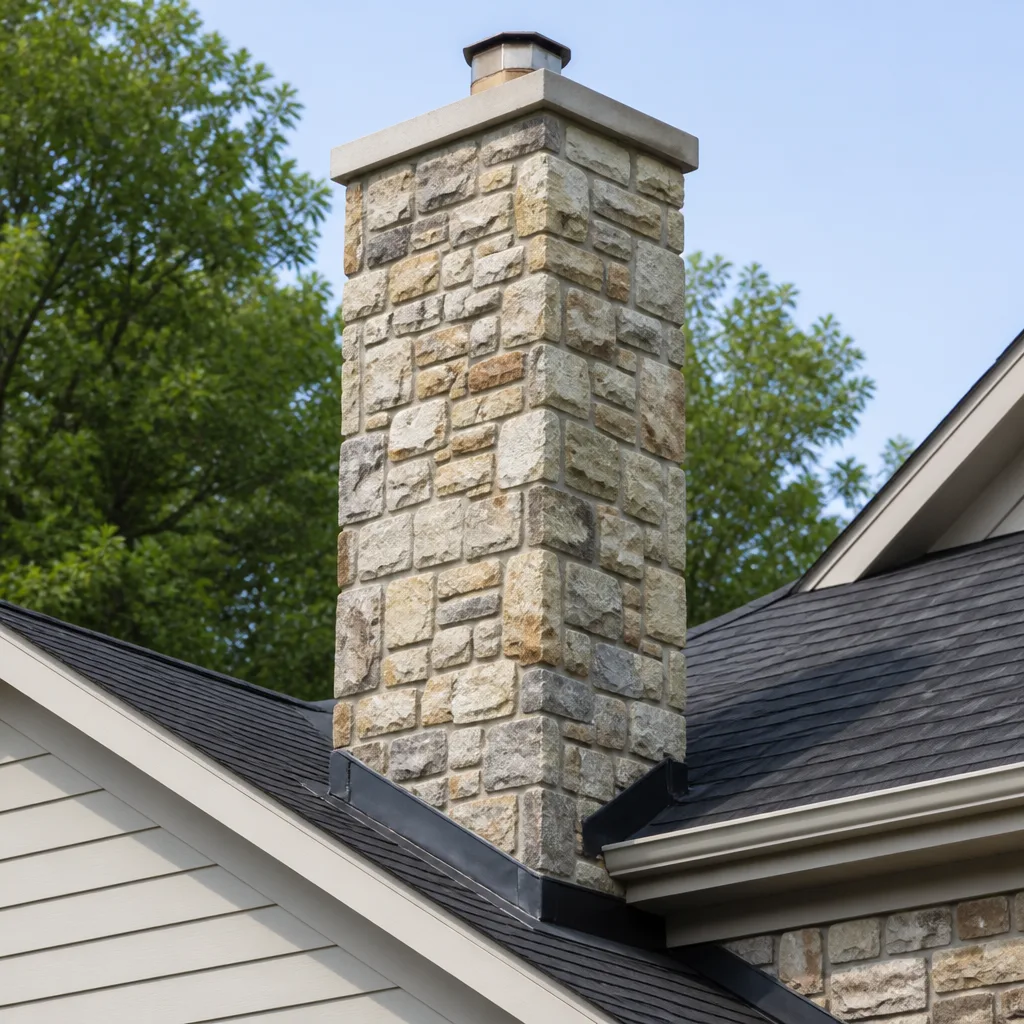 Masonry repair
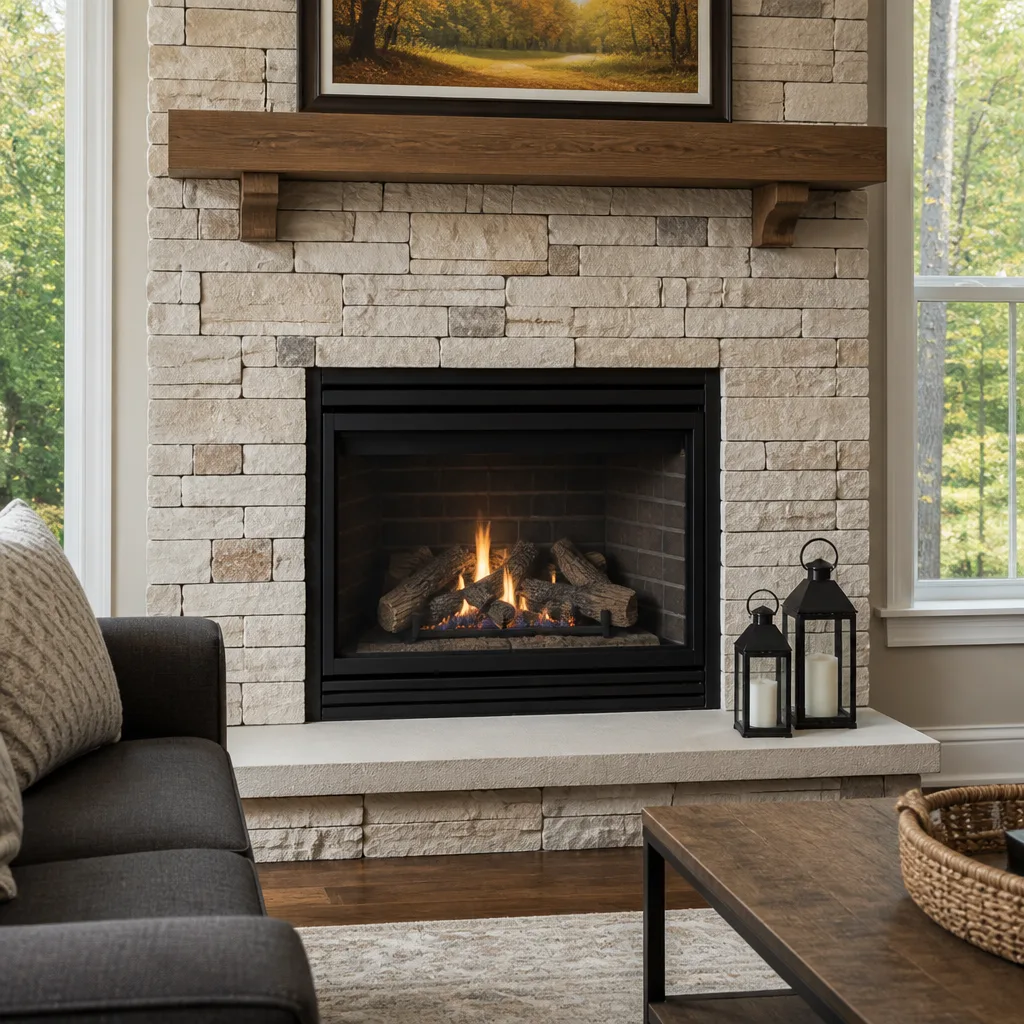 Gas fireplace service
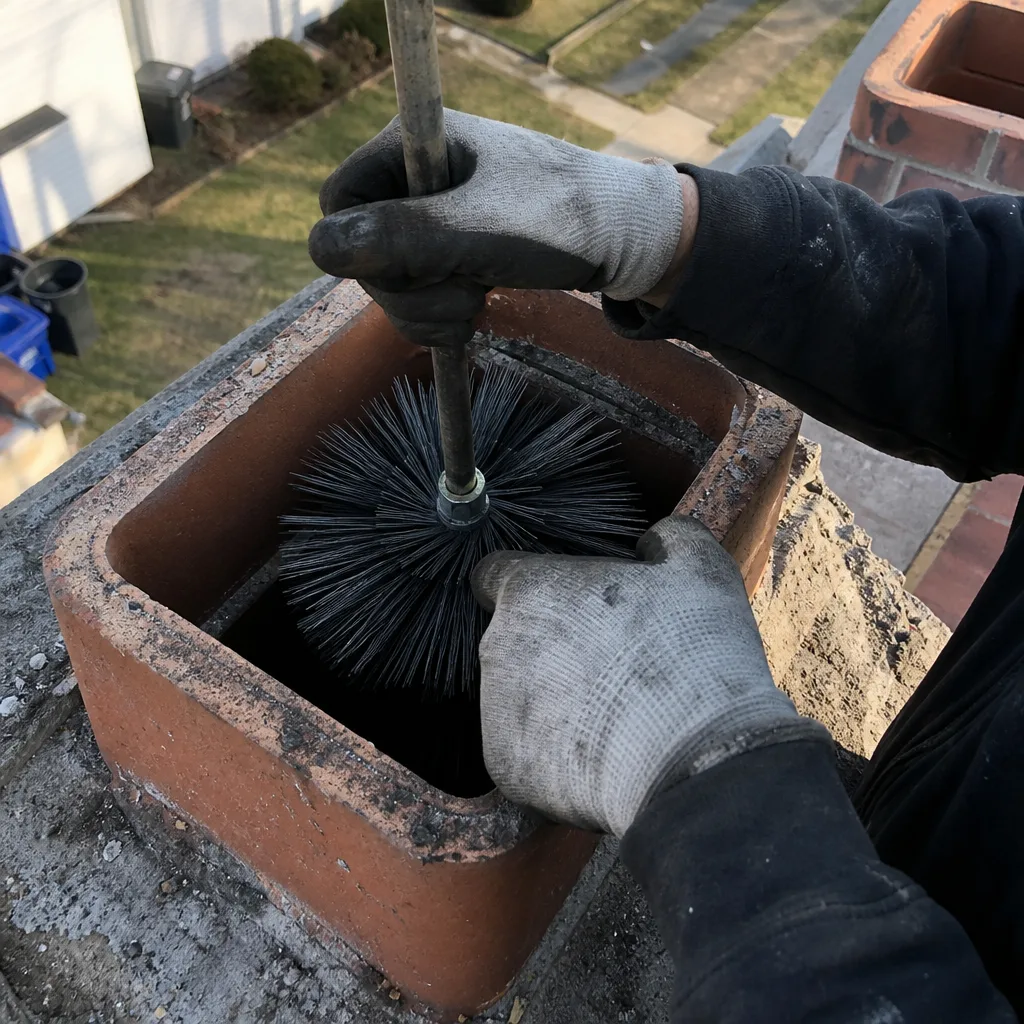
Level 1 sweep and inspection to the NFPA 211 annual standard - flue, crown, cap, and flashing checked and photographed
Chimney sweep logs do not sweep chimneys. They loosen some creosote - which then falls where a brush and vacuum still have to collect it.
Chimney Cleaning Cost Breakdown: The Brooklyn Homeowner’s Reference for 2026
The $89 chimney sweep special that shows up in Brooklyn search ads has a business model: it gets a technician inside your home, where the average upsell in the industry runs between $300 and $900 per visit. The real cost of chimney cleaning in Brooklyn isn’t the sweep fee. It’s the sweep fee plus whatever the technician “discovers” once they’re in your living room. Understanding exactly which line items are predictable versus genuinely variable puts the price control back in your hands before you ever book. This guide walks through every cost component so you can evaluate any quote honestly, whether you live in a Park Slope brownstone or a Brighton Beach co-op, and for chimney cleaning warning signs every Brooklyn homeowner should know, see our dedicated reference.
Styles & brands we work with
Quick Answer
A standard chimney sweep in Brooklyn costs between $189 and $349 for a single-flue, wood-burning fireplace with normal creosote buildup. If you add a Level 2 video inspection (which we recommend for any home that hasn’t been inspected in 5+ years), expect $150 to $275 more. Most Brooklyn homeowners will pay $250 to $450 all-in for a sweep plus inspection in 2026.
Table of Contents
- What a Legitimate Brooklyn Chimney Invoice Should Include: The Line-Item Breakdown
- Which Cost Variables Are Real (and Which Are Sales Pressure)
- Written Flat-Rate Quotes vs. “Pending Inspection” Estimates: What Protects You
- How Brooklyn Itself Affects Your Chimney Cleaning Cost
- The Real Cost of Ownership: Annual Cleaning vs. Deferred Maintenance
- Six Price Factors Every Homeowner Should Understand Before Booking
- What to Expect During a Professional Chimney Cleaning in Brooklyn
- Common Mistakes to Avoid
- When to Call a Professional
- Frequently Asked Questions
- The Bottom Line
What a Legitimate Brooklyn Chimney Invoice Should Include: The Line-Item Breakdown
Most Brooklyn homeowners have never seen an itemized chimney invoice, and that’s a problem. It means you can’t tell the difference between a technician who’s charging you for real work and one who’s padding the bill. Here’s what an honest invoice from a Chimney Sweep in Brooklyn should actually show:
| Line Item | What It Actually Reflects | Typical Brooklyn Range |
|---|---|---|
| Chimney sweep (single flue, standard access) | Labor, rotary brushing, HEPA vacuum, drop cloths, clean-up time | $189 – $279 |
| Level 1 inspection (included with most sweeps) | Visual check of accessible chimney interior and exterior components | Usually included with sweep |
| Level 2 video inspection | Camera scan of entire flue interior, looking for cracks, gaps, blockages | $150 – $275 |
| Creosote treatment (if glaze or stage 2 – 3 buildup) | Chemical application to break down hardened creosote so it can be removed | $50 – $120 |
| Roof access fee (steep pitch, high roof, difficult ladder set-up) | Additional labor and safety equipment for hard-to-reach chimneys | $35 – $100 |
| Chimney cap replacement (if damaged or missing) | Materials and installation to keep rain, birds, and debris out | $120 – $350 installed |
| Drop cloths and floor protection | Should be included in base price; any charge for this is a red flag | $0 (included) |
A few things jump out. First, the basic sweep should never exceed $349 for a single flue in Brooklyn, even with roof access factored in. Second, any line item labeled “miscellaneous” or “service fee” without a concrete explanation is worth questioning on the spot. Third, if the technician recommends a repair, you have every right to see the evidence. At Kindling Chimney Brooklyn home, we don’t recommend anything without camera footage you can see yourself, and we write the price down before any work starts.
Which Cost Variables Are Real (and Which Are Sales Pressure)
Here’s the uncomfortable truth about chimney pricing in Brooklyn: some cost differences are completely legitimate, and some are manufactured at the point of sale. Knowing which is which changes the conversation entirely.
Real Variables That Honestly Change Your Price
- Flue length and diameter. A two-story Park Slope limestone with a 30-foot flue takes longer to sweep than a one-story Gravesend bungalow with a 15-foot flue. More surface area means more time with the brush.
- Fuel type. Wood-burning fireplaces produce creosote that hardens into difficult-to-remove glaze. Gas fireplaces produce far less buildup, so gas sweeps often run cheaper. Oil flues have their own chemistry.
- Creosote stage. Stage 1 creosote is flaky and brushes off easily. Stage 2 is tar-like and sticky. Stage 3 is shiny, rock-hard glaze that requires chemical treatment and extra passes with specialized tools. Each stage adds time.
- Chimney height and roof pitch. A chimney on a steep slate roof with no roof hatch or parapet access requires different equipment and safety rigging than one reached from a flat tar roof.
- Liner material. Clay tile liners, stainless steel liners (like DuraFlex systems), and cast-in-place liners all respond differently to cleaning methods. Stainless liners need gentler brushing to avoid scratching.
Common Upsell Pressure Points to Watch For
- Immediate “safety hazard” findings. A legitimate concern will be backed by video footage you can see. Vague warnings about “dangerous conditions” without visual proof are a pressure tactic.
- Waterproofing packages. Chimney waterproofing is sometimes needed, but it’s also a frequent add-on pushed on homeowners who don’t actually need it. Ask to see the porous brick or masonry cracks that justify it.
- Liner replacement recommendations. This is sometimes genuinely necessary. But we’ve seen Brooklyn homeowners told their liner needed replacement when the actual issue was surface creosote or a minor crack that HeatShield or a similar certified repair system could address for a fraction of the cost.
- “While we’re here” repairs. Anything recommended casually during a sweep deserves the same scrutiny as a standalone proposal. Get it in writing. Get a second opinion if the number exceeds $500.
Our technicians at Kindling follow the C.A.R.E. values, and the “C” stands for Clarity. That means when we recommend something, we show you exactly what we’re seeing and explain why it matters. If you don’t understand it, we haven’t done our job.
Written Flat-Rate Quotes vs. “Pending Inspection” Quotes: What Protects You
Brooklyn chimney companies generally operate one of two ways: they quote you a flat rate over the phone and honor it in writing, or they quote a low number to get in the door and then “adjust” the price once they’ve inspected. Both approaches have a place, but you need to understand what each one means.
Written Flat-Rate Quotes
A flat-rate quote is a number that doesn’t change, regardless of what the technician finds during routine sweeping. This works when the company has clear pricing for standard conditions and only escalates if something unusual is discovered (and documented). The advantage: you know the worst case before the crew ever arrives. At Kindling, the written price is delivered before any work starts on every single visit. No on-the-spot negotiation. No “while we’re here” additions. If we find something during the sweep that requires additional work, we show you the camera footage, write a separate proposal, and leave you to think about it.
“Pending Inspection” Quotes
These are legitimate when the inspection level exceeds what can be seen from the ground or initial setup. A Level 2 camera inspection, for example, can’t be accurately quoted until the camera is in the flue. But the problem is when companies use this as a fishing expedition. They quote $99 to get in the door, then find $600 worth of “necessary” work that may or may not actually be necessary.
The key distinction: a legitimate pending-inspection quote has a defined scope and a defined ceiling. A vague quote with no upper limit is a blank check to the company.
How Brooklyn Itself Affects Your Chimney Cleaning Cost
Brooklyn isn’t one housing stock. It’s a patchwork of architectural eras and building types, and each one has its own chimney reality.
Row Houses and Brownstones (Park Slope, Bed-Stuy, Cobble Hill)
Brooklyn row houses often share party walls, which means chimneys are frequently built in parallel or even share a central masonry stack with separate flues. In some multi-unit rowhouses, two or three fireplaces vent through a single chimney structure. That can mean multiple flue liners in one stack, and judging access requires roof work on pitched slate or membrane roofs. Pitch and parapet details can make ladder setup more involved, which is an honest price driver.
Multi-Unit and Co-op Buildings (Williamsburg, Downtown Brooklyn, Brighton Beach)
Shared flues in multi-unit buildings create legal and practical complexity. The sweep must be coordinated with building management or co-op boards, and the technician needs to know which flue services which unit. Some Brooklyn co-ops require contractors to provide proof of insurance naming the building as additionally insured. That paperwork takes time, and time is a legitimate cost.
Detached Frame Homes (Marine Park, Mill Basin, Gerritsen Beach)
Single-family homes with their own chimneys are the simplest sweeps in Brooklyn. Costs here run closest to the industry baseline, with the main variable being chimney height and the condition of the cap and crown.
None of these factors should double your price. But they explain why a quote for a one-story home in Marine Park might come in $50 lower than a four-story brownstone in Fort Greene, and that difference is legitimate rather than suspicious.
The Real Cost of Ownership: Annual Cleaning vs. Deferred Maintenance
Here’s the math most Brooklyn homeowners never do. An annual chimney sweep costs between $189 and $349. Let’s call it $250 as a fair midpoint. Over ten years, that’s $2,500 in preventive maintenance.
Now compare that to what happens when you skip it.
- Creosote ignition. A chimney fire driven by stage 3 creosote can crack flue liners, damage the masonry, and warp the damper. Repairs after a chimney fire commonly run $3,000 to $11,000 in Brooklyn, depending on the extent of the damage.
- Water intrusion through a failed crown or missing cap. Water freezes in Brooklyn winters, and freeze-thaw cycles crack mortar joints. A full crown rebuild and repointing can cost $1,200 to $3,800.
- Liner replacement. If cracks or gaps develop and go undetected, a new stainless steel liner (often DuraFlex in our work) runs $2,800 to $6,500 installed for a typical Brooklyn rowhouse flue.
One deferred maintenance repair cancels out ten to twenty years of sweeping costs. The annual sweep is also the moment when small problems get caught before they become structural ones. A $75 damper adjustment now prevents a $900 replacement later. A $200 crown seal now prevents a $3,000 masonry rebuild in five years.
We recommend annual sweeps for wood-burning fireplaces and annual Chimney Inspection in Brooklyn for gas units, which don’t need as much brushing but do need regular checks for liner integrity and venting. If you only burn fires once a month from November to March, you can sometimes stretch to 18 months, but the savings are modest, and the inspection value alone justifies the visit.
Six Price Factors Every Homeowner Should Understand Before Booking
If you want to evaluate a Brooklyn chimney quote like a professional, here are the six factors that actually move the number, and our Chimney Sweep Maintenance Checklist for Brooklyn Homeowners covers what to expect at each step.
- Access difficulty. Steep pitch, high roof, skylights or solar panels near the chimney, no roof hatch, parapet walls, or cramped backyards all add labor time.
- Flue condition. Stage 1 creosote brushes off in one pass. Stage 2 takes multiple passes and possibly chemical treatment. Stage 3 requires aggressive mechanical removal and follow-up treatment.
- Flue dimensions. Longer flues and larger diameters mean more surface area, more brush passes, and more time on the roof.
- Fuel type. Wood burns dirtier than gas. Oil flues carry sulfur residue that requires specialized cleaning. Coal and pellet stoves have their own requirements.
- Inspection level. Level 1 is visual and usually included. Level 2 adds the camera and is the one that catches hidden damage. Level 3 is invasive and only needed when Level 2 reveals something that requires partial demolition to assess.
- Clean-up standards. This is where companies differentiate themselves and where cheap quotes quietly cut corners. A proper clean-up means drop cloths before the brush comes out, HEPA vacuuming during and after, and a final visual check. At Kindling, our technicians follow the C.A.R.E. values, and the “E” stands for Environment: shoe covers and drop cloths go down on arrival, nothing is moved without asking, and a photo of the clean-up is taken before the crew leaves. That’s what the Cedarwell Care Promise looks like in practice, and it’s factored into our price, not sold as an add-on.
What to Expect During a Professional Chimney Cleaning in Brooklyn
If you’ve never booked a sweep before, here’s the sequence a professional crew should follow. This is what it looks like when it’s done right.
- Initial walkthrough. The technician looks at the fireplace, the hearth, the surrounding floor, and the access route from the door to the work area. They note furniture that might be in the way and anything fragile nearby.
- Floor protection. Drop cloths go down from the entry point to the hearth. Shoe covers go on before the technician steps onto your floors. At Kindling, this happens on every job, not as a premium tier.
- Equipment setup. A professional-grade rotary brush system with a HEPA vacuum running continuously. The vacuum captures soot and creosote dust before it can become airborne. Brooklyn homes with kids and pets benefit most here, because fine soot settles into upholstery and carpet and is hard to remove.
- The sweep. The technician brushes from the top down (or bottom up, depending on the system) until the flue walls are clear of creosote. They check the damper, the firebox, the smoke shelf, and the chimney cap.
- Inspection. If a Level 2 is part of the visit, the camera goes in and the technician shows you what they’re seeing in real time. This is your opportunity to ask questions and see evidence.
- Clean-up and final check. The drop cloths come up, the area is vacuumed, and you should receive a photo of the clean-up before the crew leaves. If anything was moved, it gets put back where it was found.
- Written findings. A professional will hand you or email you a written summary of what was done and what (if anything) they recommend for the future.
Total time for a standard single-flue sweep in a Brooklyn rowhouse: 60 to 90 minutes. For a multi-flue building with roof access complications: 2 to 3 hours.
Common Mistakes to Avoid
- Booking the cheapest sweep you can find. In Brooklyn, the $79 or $89 special is almost always a loss leader designed to generate repair upsells. The sweep itself may be rushed or incomplete, and the real cost shows up in the “findings.”
- Skipping the inspection. A sweep without a Level 2 inspection every 4 to 5 years misses the cracks and gaps that lead to water damage and liner failure. The inspection is where the serious problems get caught early.
- Ignoring the chimney cap. A missing or damaged cap in Brooklyn means rain, snow, and the occasional pigeon entering your flue. A new cap is under $350 installed in most cases. It’s the cheapest insurance you can buy for your chimney.
- Burning unseasoned wood. Wet or green wood creates creosote at two to three times the rate of seasoned hardwood. If you’re burning wood that hisses or sizzles, you’re building up stage 2 residue on every burn.
- Letting a technician work without seeing the quote in writing first. A verbal price is not a price. In Brooklyn, the legitimate companies write it down. The ones that don’t are giving themselves room to move the number.
- Scheduling your sweep in October without realizing everyone else did too. Fall is peak season. Book in late summer when crews have more availability, and you’ll have your fireplace ready before the first cold snap.
When to Call a Professional
If you haven’t had your chimney swept in over a year and you’re using the fireplace regularly, call now. If you smell something acrid or smoky when the fireplace is lit, that’s a sign of draft problems or creosote buildup. If you see black, tar-like residue on the damper or firebox walls, that’s stage 2 or 3 creosote and it will not brush off without proper equipment. If your chimney cap is visibly rusted, bent, or missing entirely, birds and water are getting in. And if you just bought a Brooklyn home with a fireplace and have no record of the last sweep, schedule one before your first fire, keeping in mind Chimney Cleaning Permits, Codes & Inspections in NY: What You Need to Know for any major work. Kindling Chimney Brooklyn offers free estimates in Brooklyn, and a live person answers calls 24/7 at (607) 695-6218.
Frequently Asked Questions
A standard chimney sweep in Brooklyn costs $189 to $349 for a single-flue wood-burning fireplace, with most homeowners paying around $250. Multi-flue buildings, steep roofs, and stage 2 or 3 creosote can push the price toward the top of that range or slightly above. Call (607) 695-6218 for an exact quote for your building, and we’ll put the price in writing before any work starts.
Chimneys serving wood-burning fireplaces should be swept once per year, or once per cord of wood burned, whichever comes first. Gas fireplaces and inserts need annual inspections but can often go 12 to 24 months between full sweeps. In Brooklyn, where many homes burn wood primarily from November through March, an annual sweep in late summer or early fall is the most practical schedule.
Sometimes, but you should demand evidence before saying yes. A legitimate liner recommendation is backed by camera footage showing cracks, gaps, spalling, or deterioration in the existing liner. If the technician can’t show you the damage on video, get a second opinion. When a liner does need work, systems like HeatShield can often repair localized damage without a full replacement, and stainless steel systems like DuraFlex are the standard for full relining. At Kindling, we show you the camera footage before we recommend anything, and we write the price down before any work begins.
Creosote builds up layer by layer. Stage 1 becomes stage 2, which becomes stage 3, a hardened glaze that’s difficult and expensive to remove. The risk of a chimney fire increases with every uncapped burn season, and water intrusion through a small crack can turn into structural damage over repeated Brooklyn freeze-thaw cycles. A few years of skipped cleanings can turn a $250 annual expense into a $3,000 to $8,000 repair. Call (607) 695-6218 to get caught up before the next heating season.
With a professional crew using HEPA vacuuming and proper containment, yes. The concern is fine particulate soot settling into carpets, upholstery, and the air your family breathes. At Kindling, we follow the C.A.R.E. values: shoe covers and drop cloths go down on arrival, a HEPA vacuum runs continuously during the sweep, pet-safe products are used where there is a choice, and a photo of the clean-up is taken before we leave. We treat your home like the place your kids and animals live, because it is.
A Level 1 inspection is typically included with a standard sweep at no additional charge. A Level 2 video inspection runs $150 to $275 as a standalone service, or $100 to $200 when bundled with a sweep. Level 3 inspections are rare and only recommended when Level 2 reveals conditions that require partial removal of chimney components to fully assess. For a full breakdown of what each inspection level covers, see our Chimney Inspection in Brooklyn page.
The Bottom Line
A chimney sweep in Brooklyn costs between $189 and $349 for most homes, and the single biggest variable isn’t the sweep itself. It’s what happens after the sweep, when the technician does or doesn’t find something they can document and explain. The difference between a good experience and a bad one comes down to transparency: written prices, visible evidence, and a crew that treats your floors and air quality like they matter. Annual cleaning is cheap insurance compared to the repairs that follow from neglect. And when you book with Fireplace Repair in Brooklyn experts who work to a written care promise, you never have to guess what the bill will be or how the house will look when they leave.
Written by Danny Cortes, Owner at Kindling Chimney Brooklyn, serving Brooklyn since 2003. Explore more guides & resources on chimney care and home safety.
See the difference
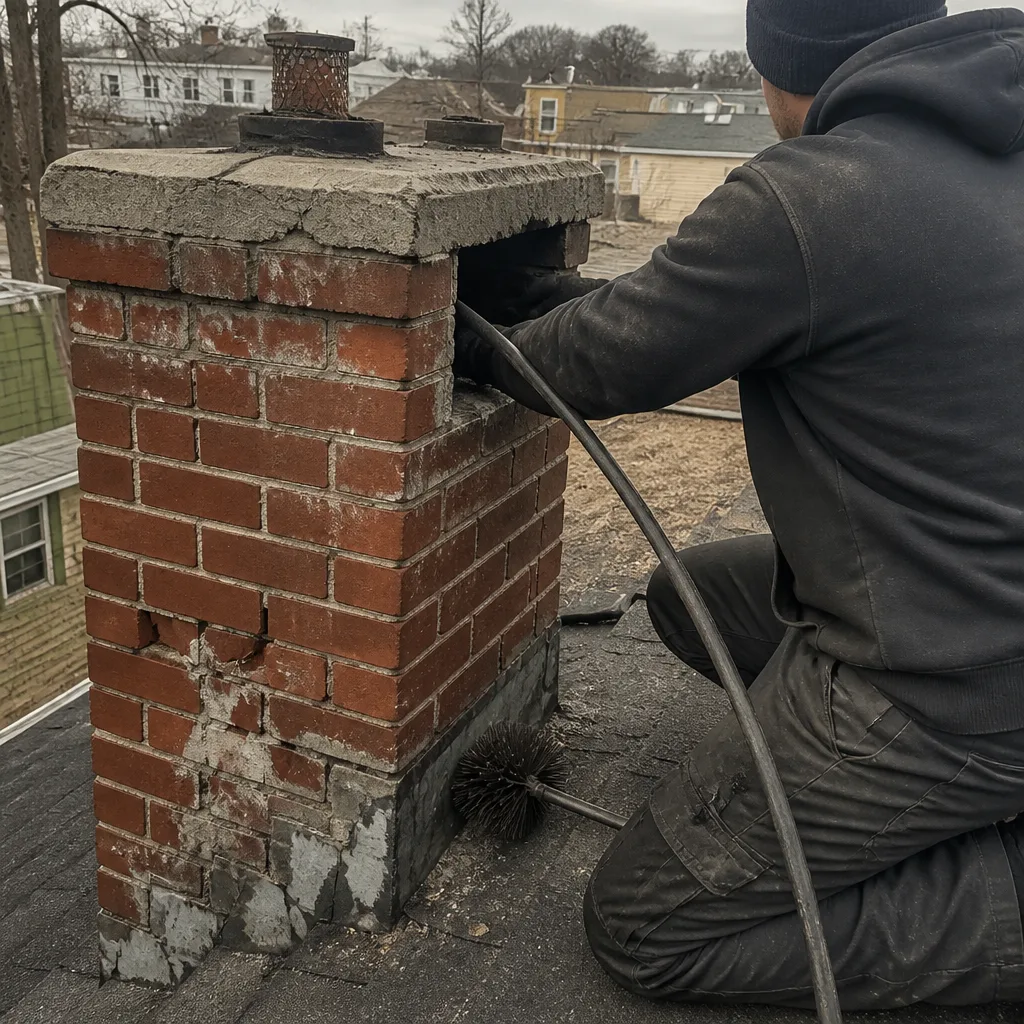 Before
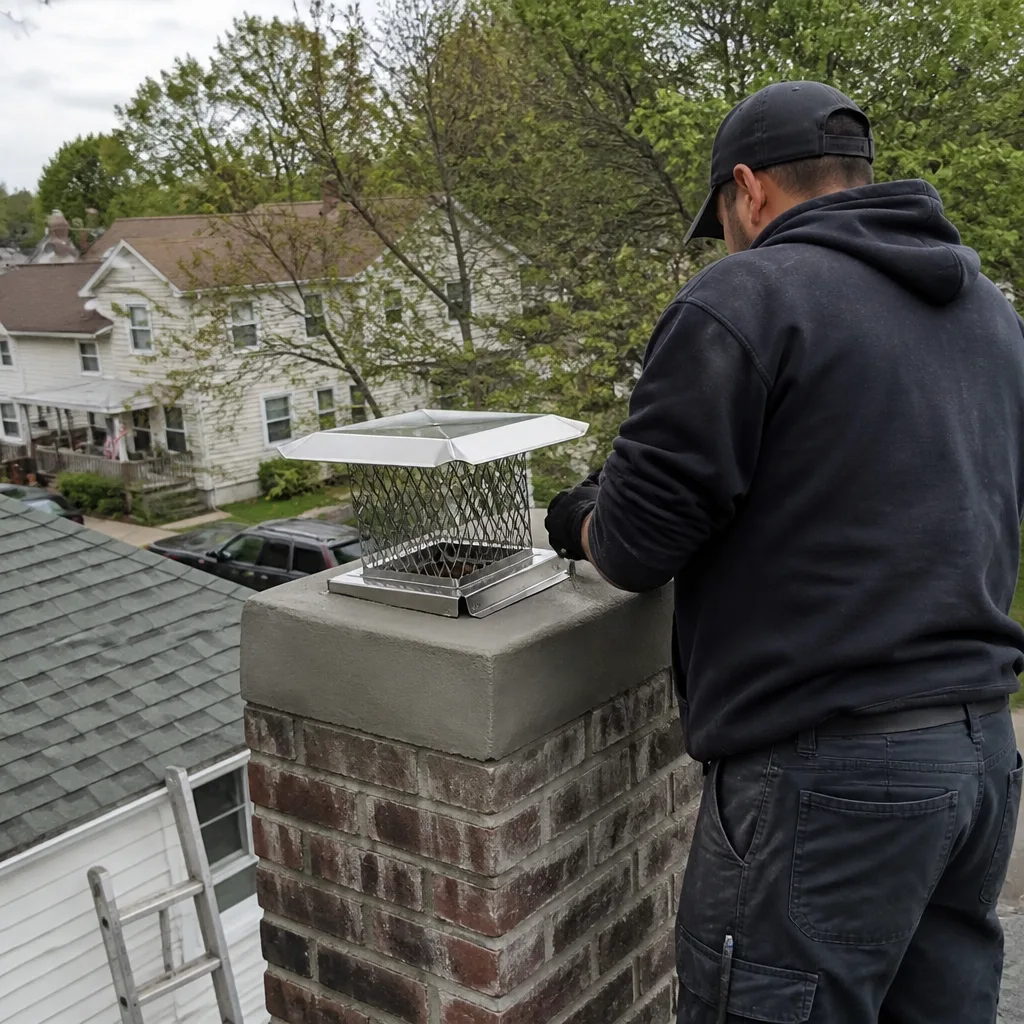 After
After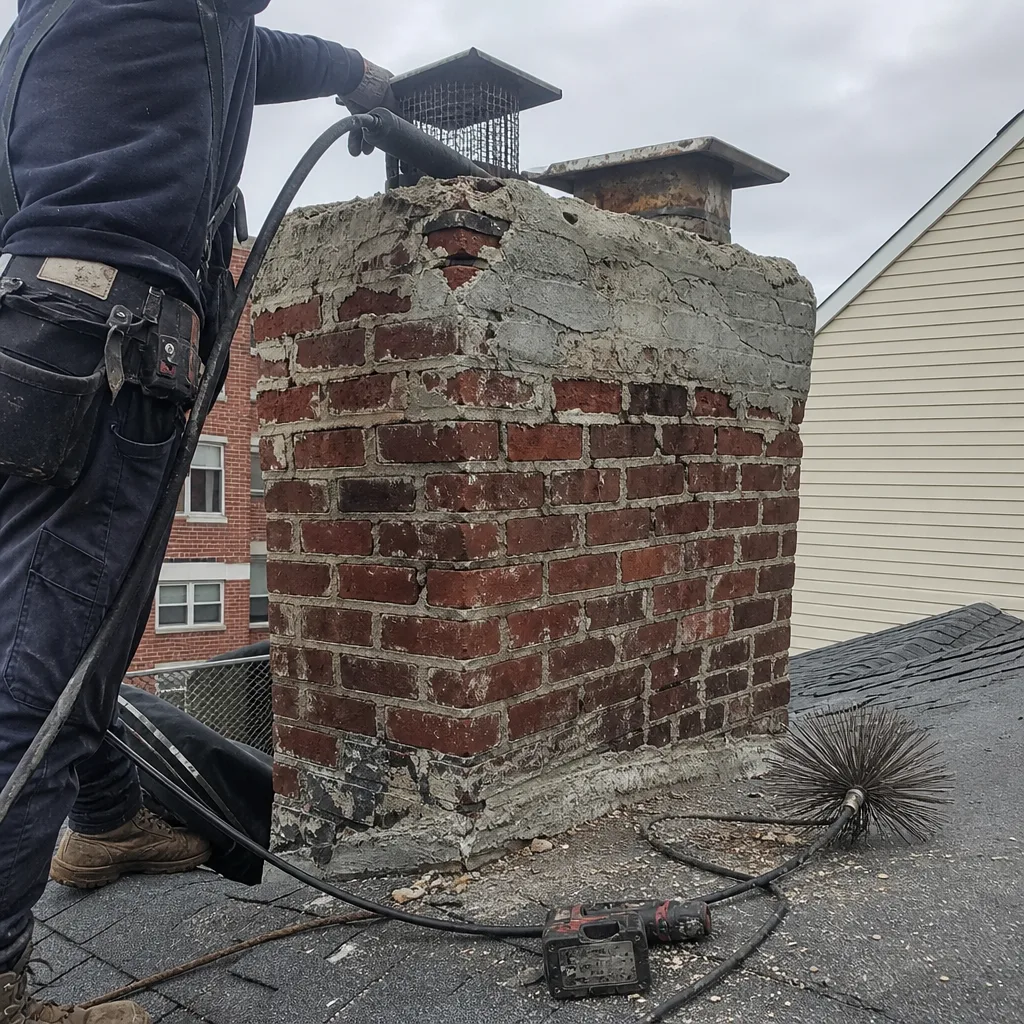 Before
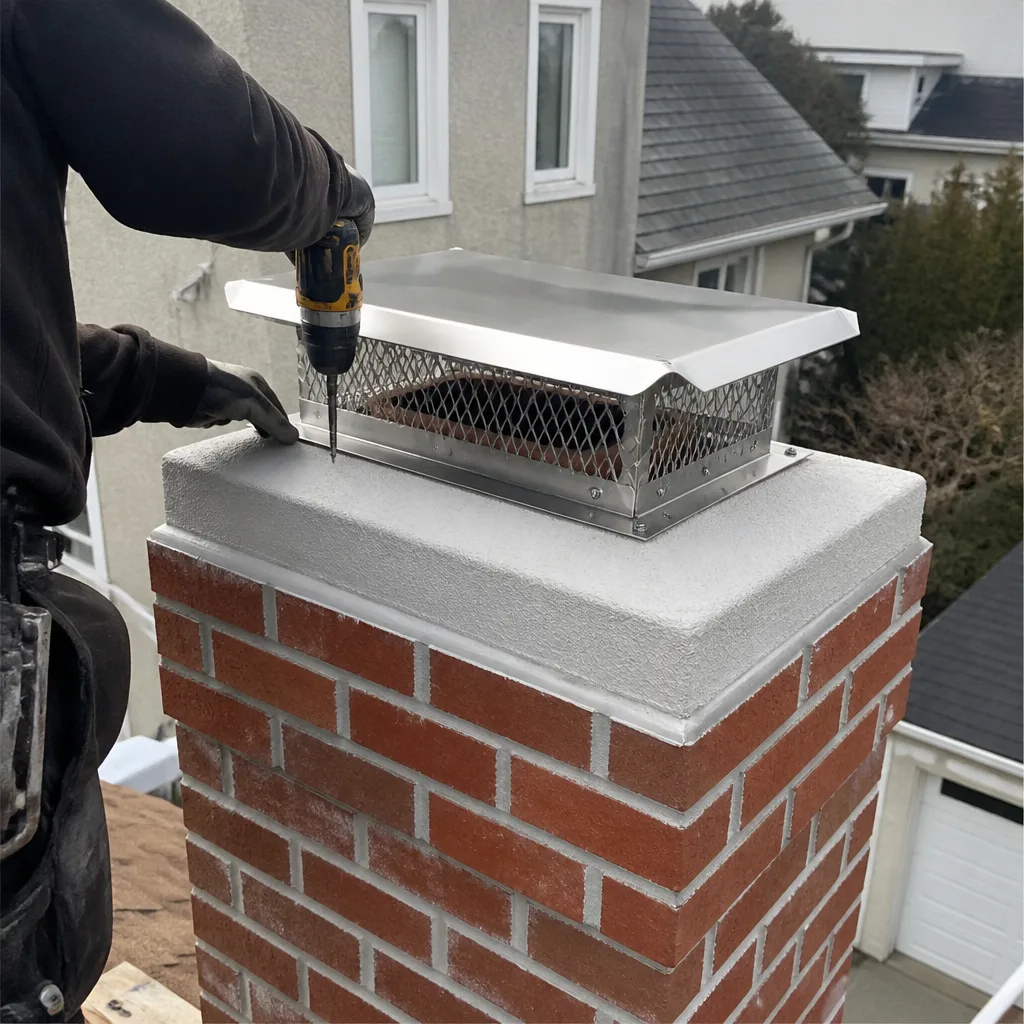 After
After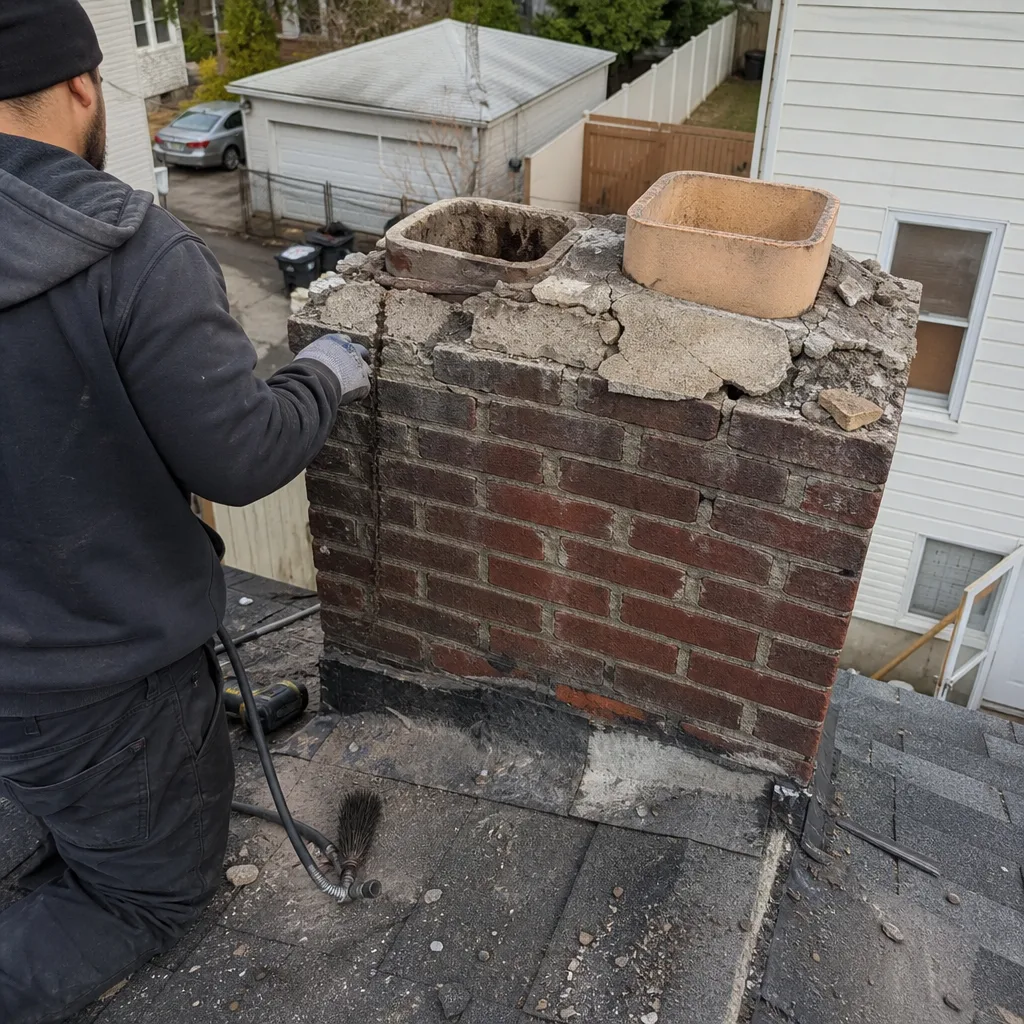 Before
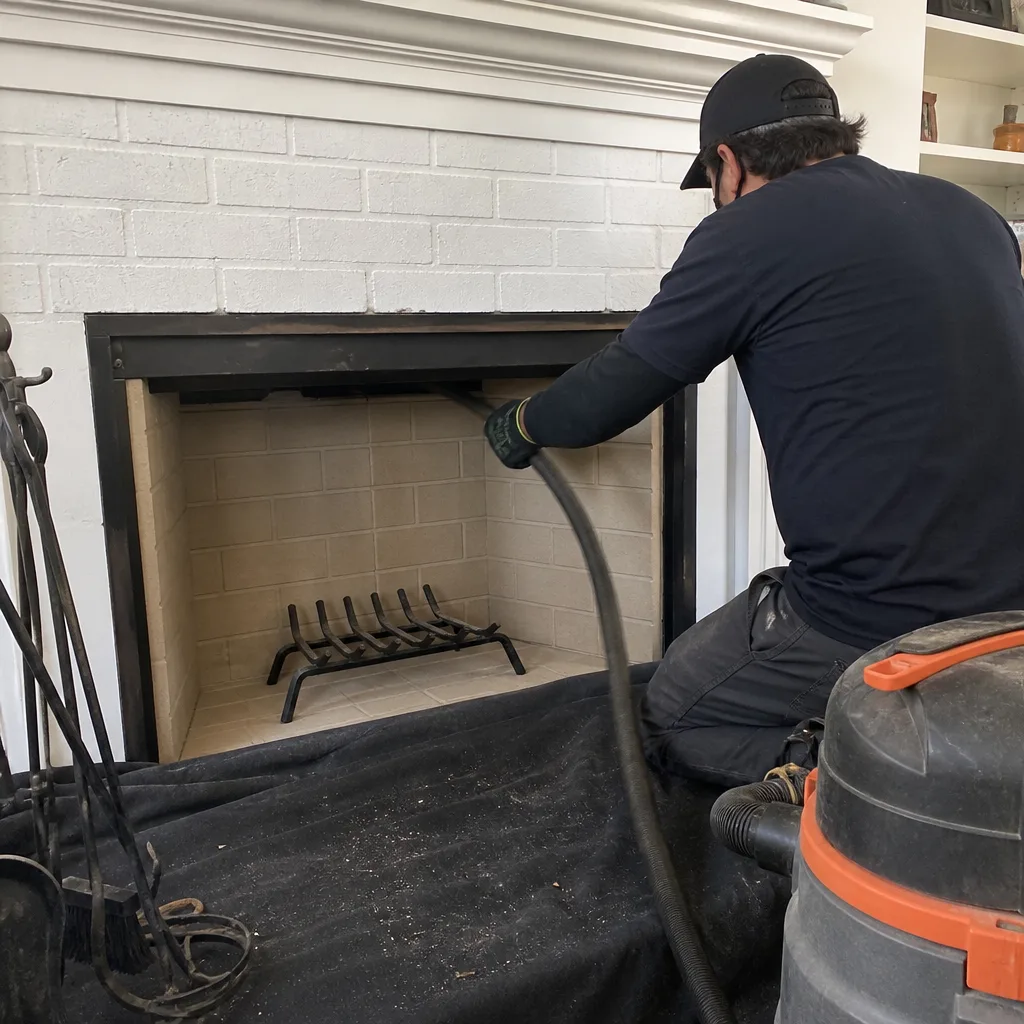 After
After