
Last updated October 15, 2026
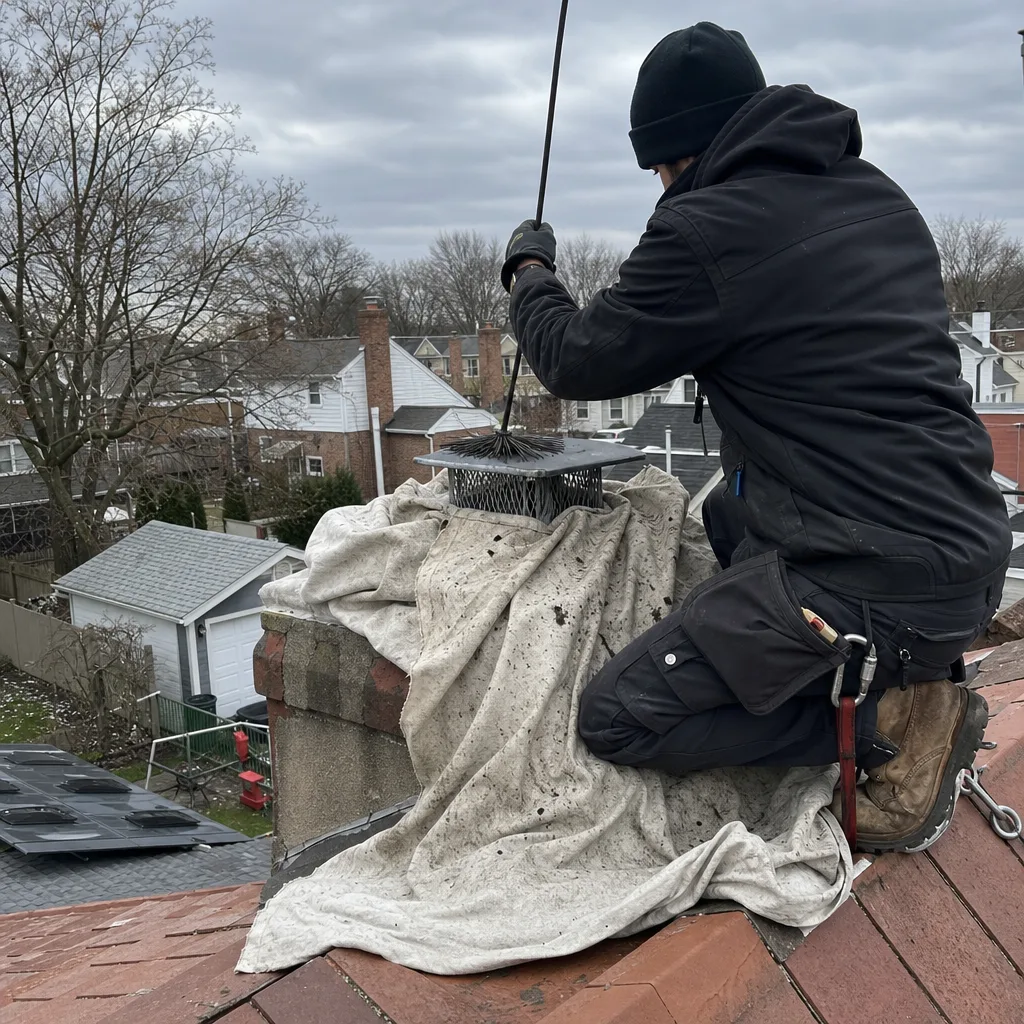
 Sweep & inspection
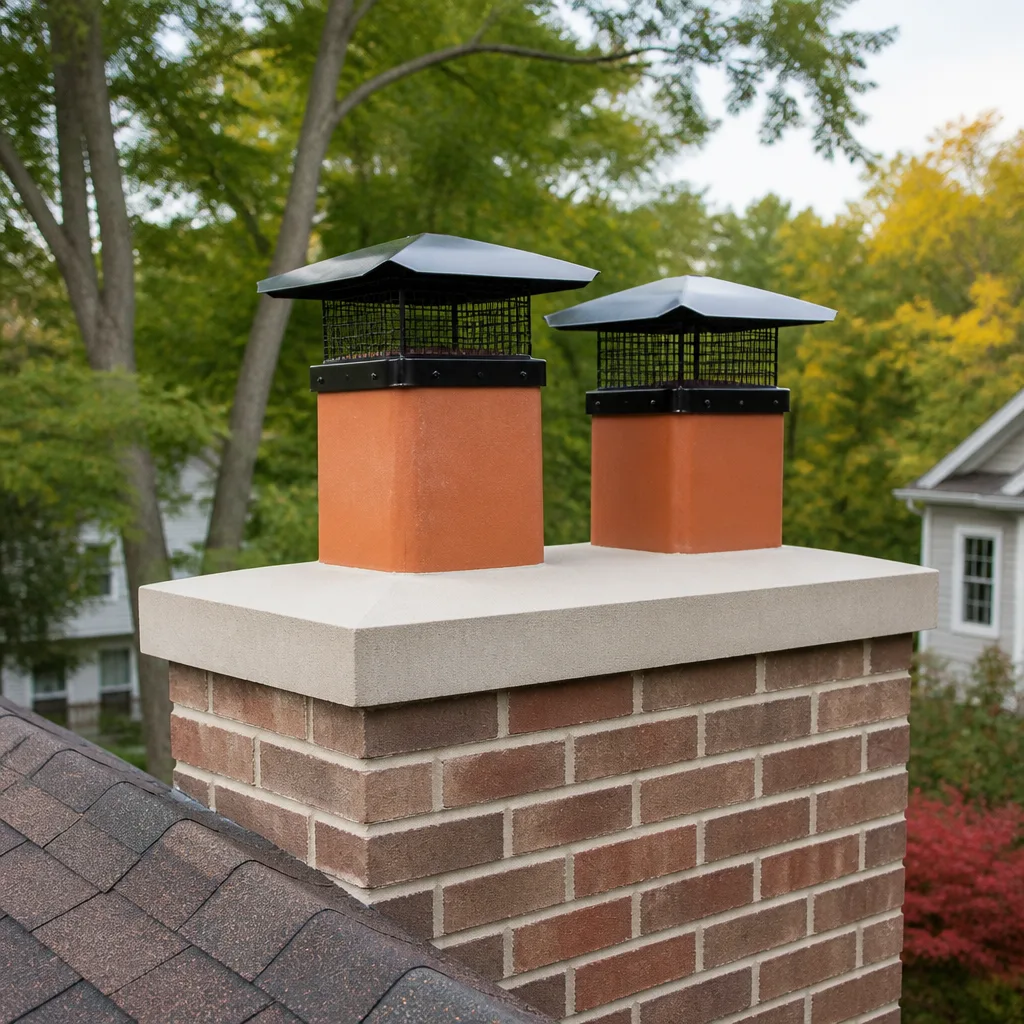 Caps & crowns
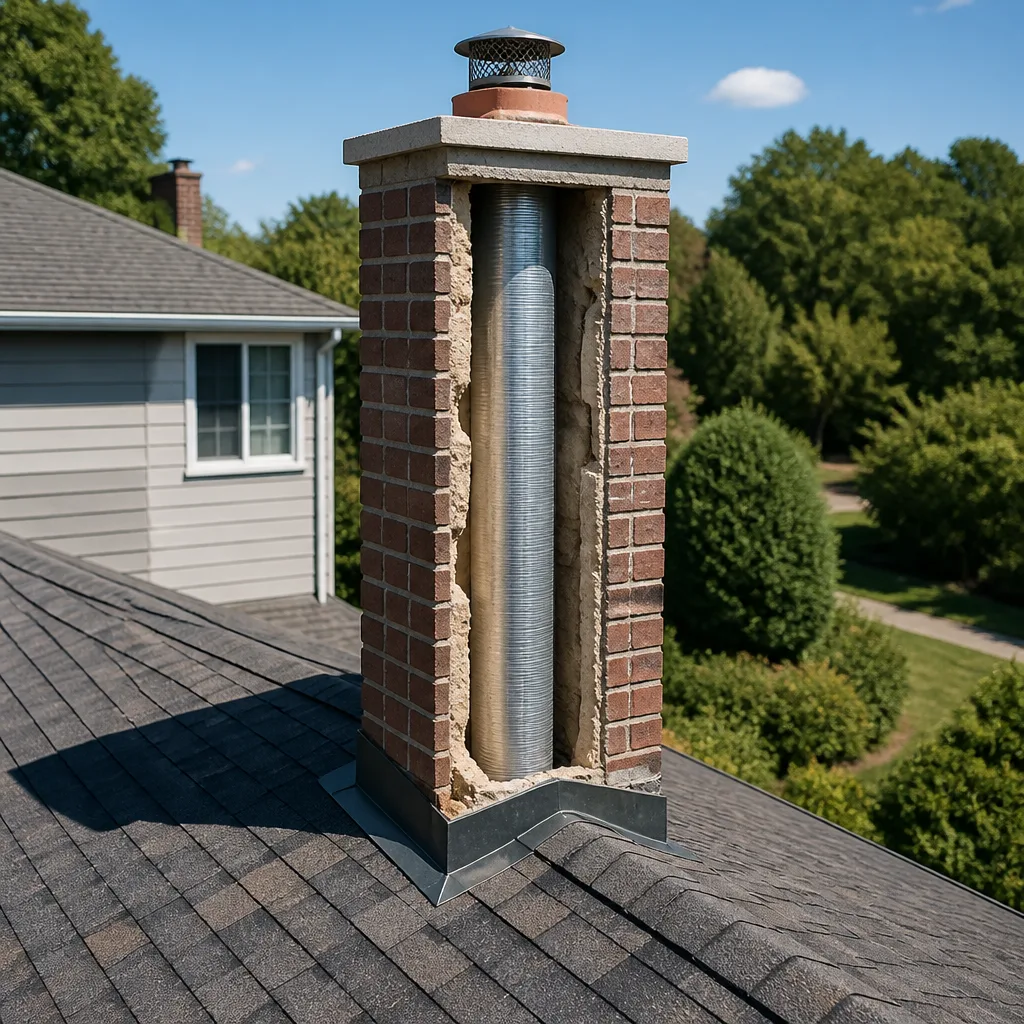 Flue relining
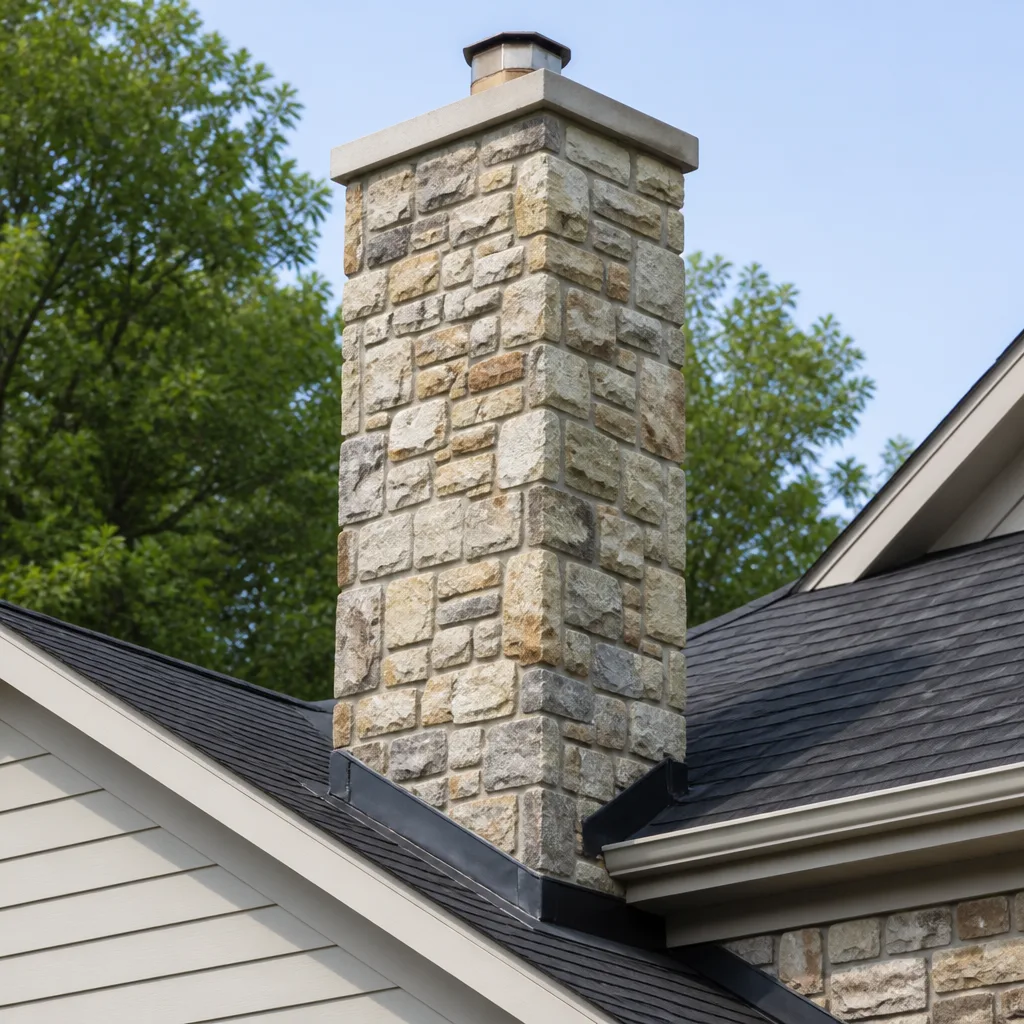 Masonry repair
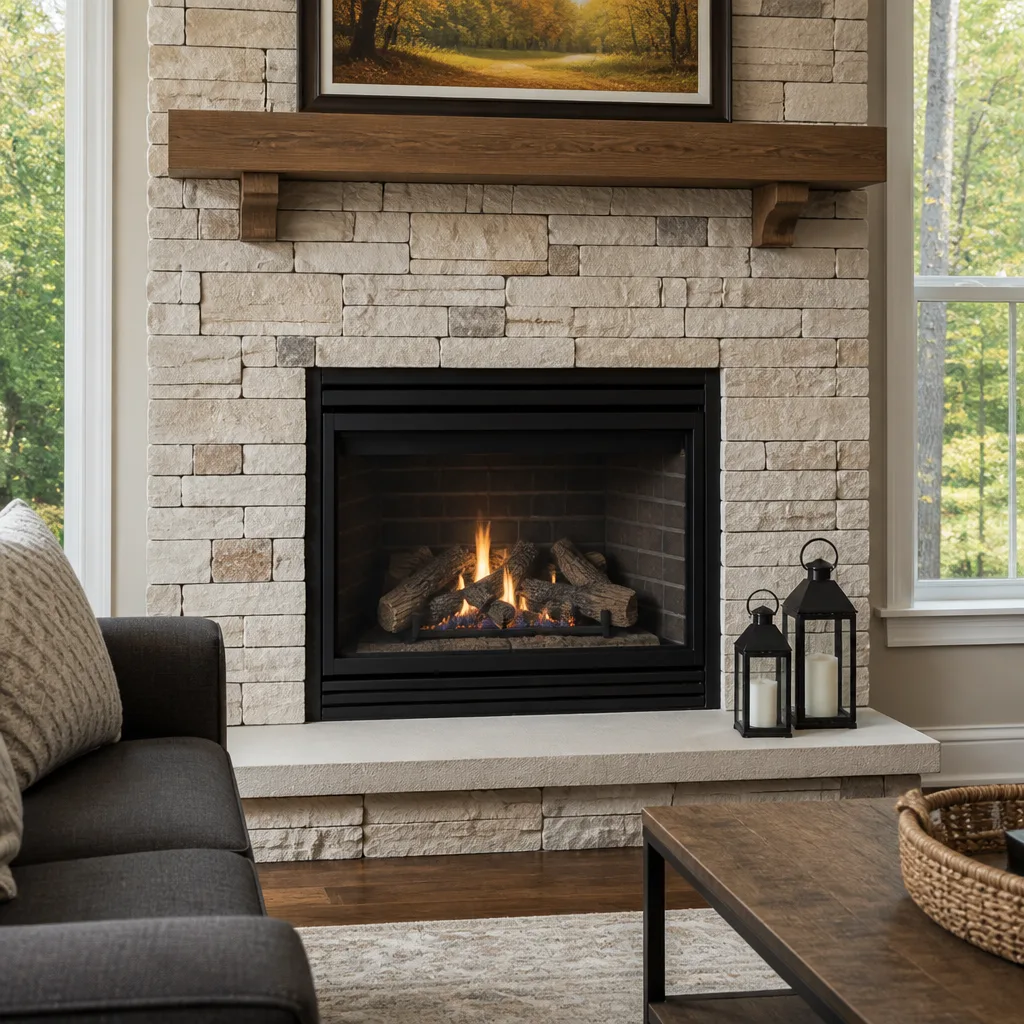 Gas fireplace service
Level 1 sweep and inspection to the NFPA 211 annual standard - flue, crown, cap, and flashing checked and photographed
Chimney sweep logs do not sweep chimneys. They loosen some creosote - which then falls where a brush and vacuum still have to collect it.
Seasonal Chimney Cleaning Care for Brooklyn: Year-Round Homeowner’s Guide
The worst time to schedule a chimney sweep in Brooklyn is the week before Thanksgiving. Not because sweeps are booked solid, though they are. It’s because any damage found that week can’t be repaired, cured, and dried before the fireplace is actually needed. That means either a family skips fires during the coldest stretch of December, or fires up a chimney with a known problem. Neither option is good. This guide lays out a four-season chimney care calendar for Brooklyn homeowners, so the work happens before the season demands it, not during the scramble. For more guides & resources, visit our blog.
Quick Answer
Brooklyn homeowners should sweep the chimney once a year during late August or September, inspect the exterior masonry every spring after the last freeze, watch for damp odors and animal activity between April and June, and keep an eye on humidity-related liner issues through the summer. Each season in Brooklyn presents one specific threat to a chimney, and handling that threat in its own window prevents small issues from stacking into major repair bills. A consistent four-season routine costs less annually than one emergency repair.
Styles & brands we work with
Table of Contents
- Why Late August Through September Is the Optimal Sweep Window in Brooklyn
- What Winter Freeze-Thaw Cycles Do to Brooklyn’s Brick Mortar Joints
- Why Spring Is Brooklyn’s Critical Inspection Window for Animals and Moisture
- What Summer Humidity Does to Clay Tile Liners in Brooklyn Homes
- How to Build a Four-Season Chimney Calendar That Costs Less Than One Emergency
- Common Mistakes to Avoid
- When to Call a Professional
- Frequently Asked Questions
Why Late August Through September Is the Optimal Sweep Window in Brooklyn
A chimney sweep is annual maintenance, not a pre-holiday errand. In Brooklyn, the smartest window for that sweep runs from the third week of August through the end of September. Here’s why the timing matters more than most homeowners realize.
Creosote builds up during the previous burning season. That’s true everywhere. But in Brooklyn, the summer months that follow are when that creosote interacts with humidity. Creosote absorbs moisture from the air, and moist creosote is both harder to remove and more corrosive to the flue lining. Waiting until October means the sweep has to work harder, and any cracks or gaps the sweep reveals now have to be repaired in an increasingly tight calendar.
October is the structural risk month. A sweep in late August or September leaves six to eight weeks before the first serious fire of the season. That’s enough time to book a repair, order materials, do the work, and let mortar or sealant cure properly. A sweep in late October leaves a week or two. If the sweep finds a cracked flue tile or a deteriorating mortar joint, the repair might not be done before Thanksgiving. And a chimney sweep in Brooklyn that uncovers damage in late October can’t fix what the calendar won’t allow. We’ve had homeowners in Park Slope and Bay Ridge tell us they just wanted a quick sweep before the holidays, and the sweep turned up a problem that needed two weeks of drying time. They either burned anyway or skipped the season.
August and September are also when Brooklyn’s humidity starts to ease. Dry air means the flue is dry, which means the sweep removes more creosote in less time, and any minor repairs bond correctly. The masonry is dry, the crown is dry, the flashing is dry. Everything works better when the chimney isn’t holding summer moisture.
Book the sweep before the weather turns. Brooklyn’s fall can be forgiving, but it can also drop into rain and coastal damp without much warning. A dry chimney in mid-September is a simpler job than a wet one in early November.
What Winter Freeze-Thaw Cycles Do to Brooklyn’s Brick Mortar Joints
Brooklyn winters are not the harshest in the country, but they are wet. Snow, sleet, and rain cycle through the borough from December to March, and the temperature bounces around the freezing point more often than homeowners think. That bounce is what damages brick.
Water gets into tiny cracks in the mortar joints and the brick face. When the temperature drops below 32 degrees, that water freezes and expands by about 9 percent. The expansion widens the crack. When the temperature rises, the ice melts and the water moves deeper. Freeze, thaw, widen, repeat. After one Brooklyn winter, a hairline crack becomes a visible gap. After three winters, the gap becomes spalling: brick faces popping off, crumbling mortar, and a chimney crown that looks like a broken cookie.
The damage moves from cosmetic to structural when spalling reaches the firebox area. Mortar joints that crumble near the top of the chimney can be repointed. But when the same freeze-thaw cycle attacks the bricks around the firebox, the repair becomes a rebuild. That’s a different price entirely.
Here’s the sequence to watch for during Brooklyn winters:
- Check the crown after every hard freeze. The chimney crown is the concrete cap at the top. Look for cracks, spalling along the edges, or pieces missing. Crown damage lets water run straight down into the flue system.
- Look for white staining on the brick below the crown. That’s efflorescence, salt left behind when water evaporates out of the masonry. It tells you water has already been inside the brick.
- Watch the mortar joints around the roofline. In Brooklyn’s attached and semi-attached homes, chimneys often rise through shared party walls or close to a neighbor’s roofline. Mortar joints in that zone get hit by both weather and runoff from adjoining roofs.
- Listen for small pieces of brick or mortar on the roof or in the gutters. Brooklyn roofs are flat or low-slope on many older homes, so debris doesn’t always wash away. What’s sitting in the gutter came from somewhere.
Catching freeze-thaw damage in March or April means a repointing job, not a rebuild. Catching it in December means a temporary patch and a prayer. A chimney inspection in Brooklyn in early spring tells you exactly what the winter did, and what needs to happen before the next one.
Why Spring Is Brooklyn’s Critical Inspection Window for Animals and Moisture
Spring in Brooklyn brings two things to a chimney at the same time: animals looking for a nesting site and rain looking for a way in. These two problems accelerate each other. A nesting squirrel or bird blocks the flue, which traps damp air inside, which softens the masonry from within, which makes the structure more inviting to moisture. One problem feeds the other.
Brooklyn’s animal activity is not a rural problem. Squirrels, raccoons, and birds work the neighborhoods continuously, and a chimney without a cap is an open door. Squirrels enter in April and May looking for a quiet place to raise young. Birds, especially chimney swifts in migration, will use an uncapped flue as roosting space. Raccoons are bolder in Brooklyn than almost anywhere else, and a raccoon in a chimney is not a DIY situation.
Signs that something moved in during the spring:
- Scratching or rustling sounds inside the flue, especially at dawn or dusk
- Debris falling into the fireplace: twigs, leaves, insulation, or animal droppings
- A new odor from the fireplace in April or May that wasn’t there during the winter
- Flies or insects gathering around the fireplace opening in late spring
- Visible nest material at the top of the flue when viewed from the street or a neighbor’s window
Moisture intrusion follows the same seasonal rhythm. April and May are wet months in Brooklyn, and any damage the crown or flashing took during the winter now starts to show up as leaks. Water stains on the ceiling near the chimney, damp drywall around the fireplace, or a musty smell that gets stronger after rain are all spring signals. Moisture inside the flue also amplifies creosote odor, so a house that smells like an old campfire in May is telling you water is already in the system. Learn the Chimney Cleaning Warning Signs: A Brooklyn Homeowner’s Reference Guide to catch problems early.
This is why spring is the inspection window. The freeze-thaw damage from winter is visible, the animal activity from April is detectable, and the moisture problems from spring rain are just beginning. Address all three in one inspection rather than discovering them separately across the rest of the year. Kindling Chimney Brooklyn includes a written price before any work begins on every inspection, so a spring check never turns into a surprise bill at the door.
What Summer Humidity Does to Clay Tile Liners in Brooklyn Homes
Brooklyn summers are humid. Not Southern-humid, but humid enough that clay tile liners start to behave differently. A chimney that smells damp in July is telling you something about the liner and the moisture load inside the flue.
Clay tile liners are the most common type in Brooklyn’s older housing stock. They work well for decades, but they are porous. Humidity moves through the tiles, and when the outside air is saturated, the tiles stay damp. That dampness does two things. It carries creosote odor down into the house, which is why a fireplace can smell like a wet ashtray in August when it hasn’t been used since March. And it accelerates the corrosion of any metal components in the system: the damper, the flashing, any connectors running from a wood stove insert.
A damp-smell chimney in July is a warning, not just an inconvenience. It means moisture is present inside the flue during the hottest, most humid stretch of the year. That moisture is active. It’s working on the mortar joints inside the flue, it’s working on the tiles themselves, and it’s carrying creosote residue deeper into the tile surface. Left unaddressed through August, that moist creosote hardens again in the fall and becomes even harder to remove during the annual sweep.
Brooklyn homeowners who run air conditioning all summer often notice the smell more, because the house is sealed tight and the only air moving through the chimney is humid air being drawn down from outside. Running a dehumidifier helps the room but doesn’t touch the flue. The real fix is a sweep to remove the creosote that’s holding the odor, followed by an inspection to confirm the liner tiles are still sound.
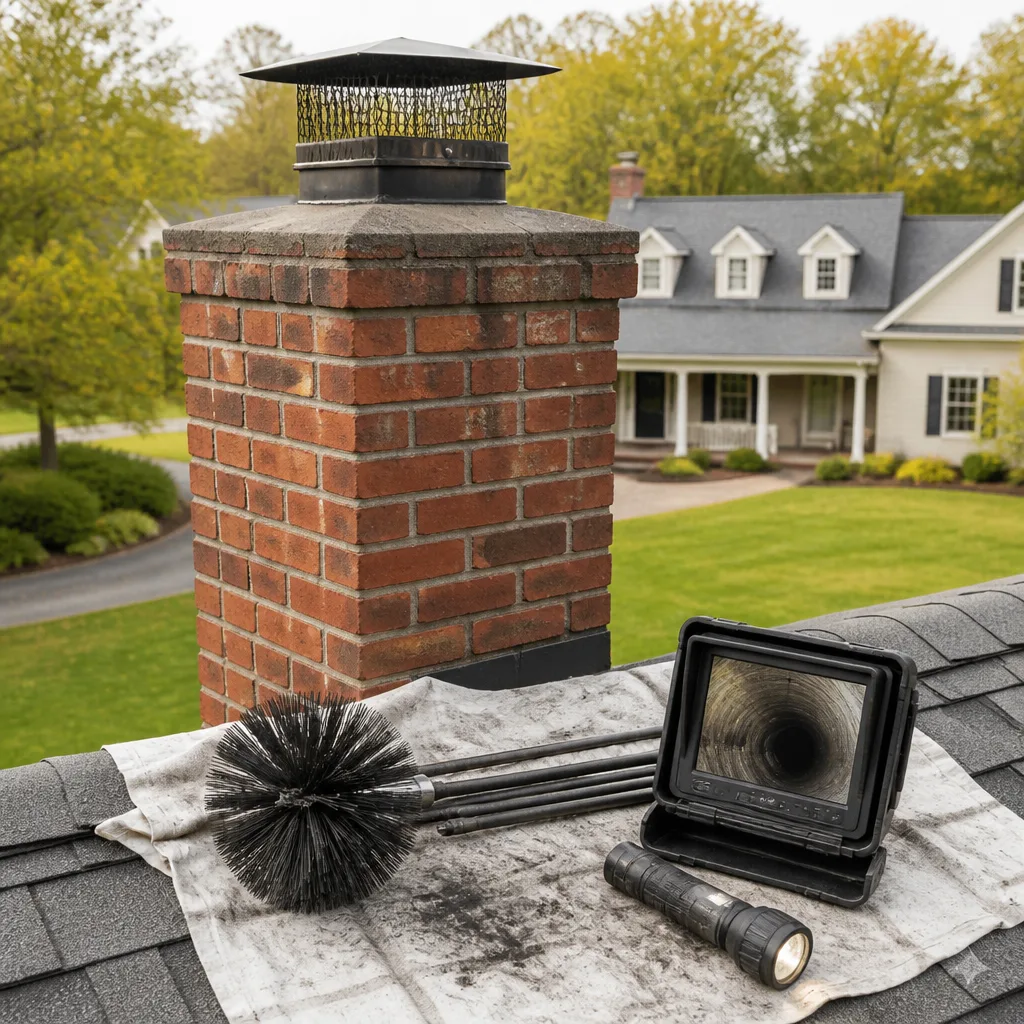
Some homes benefit from resurfacing the flue with a product like HeatShield, which seals the tile surface and reduces moisture absorption. Other homes need a full liner replacement. The right answer depends on what the inspection shows, and no one should recommend a liner without camera evidence the homeowner can see. Kindling Chimney Brooklyn performs camera inspections as part of the process, so any liner recommendation comes with photos you can actually look at.
How to Build a Four-Season Chimney Calendar That Costs Less Than One Emergency
Here’s the entire calendar on one page. Each season gets one action. No maintenance overload, no guesswork.
- Fall, late August through September: Annual chimney sweep. This is the one non-negotiable. The sweep removes creosote, confirms the flue is clear, and catches any damage early enough to repair before burning season. Book early in the window to leave time for repairs if the sweep finds something.
- Winter, December through February: Burn properly and watch the chimney. Burn seasoned hardwood only, keep fires moderate, and check the exterior brick from the sidewalk after any hard freeze. If you see new cracks or staining in January, don’t wait until spring to note it. Winter is for observing, not repairing.
- Spring, March through May: Exterior inspection and animal check. After the last freeze, look at the crown, the mortar joints, and the flashing. Listen for animal sounds inside the flue. Check for water stains inside near the fireplace. This is the season to book a fireplace repair in Brooklyn if the winter left damage behind.
- Summer, June through August: Humidity watch and odor check. Notice any damp or musty smell from the fireplace and treat it as a liner issue until proven otherwise. Keep the damper closed when the fireplace isn’t in use, and consider a dehumidifier in the room if the odor is strong. If the smell doesn’t clear, schedule an inspection rather than waiting for fall.
The math works because each season’s action catches the previous season’s damage before it compounds. A spring inspection catches freeze-thaw damage before it reaches the firebox. A fall sweep catches summer moisture damage before it becomes a liner replacement. Reacting to one emergency, like a spalled firebox or a cracked flue tile discovered in November, costs more than following this calendar for several years running.
Common Mistakes to Avoid
- Treating the annual sweep as a pre-holiday chore. Brooklyn sweeps book up by mid-October, and any repair work found in late October can’t be completed before the first real fire. A sweep in September leaves time. A sweep in November leaves you choosing between a cold fireplace and a risky one.
- Ignoring a damp smell in July because the fireplace isn’t in use. A damp chimney in summer means moisture is working on the liner and mortar all season long. The odor is the only symptom until the damage is already structural.
- Assuming animals can’t get into a Brooklyn chimney. Raccoons, squirrels, and birds all climb, and Brooklyn has all three in abundance. A missing or damaged chimney cap is an open door. Install a cap before spring, not after you hear scratching.
- Waiting to fix a cracked crown because the chimney still draws fine. The crown is the chimney’s rain hat. A cracked crown lets water into the flue system every time it rains, and Brooklyn gets rain in every season. Crown repair is a fraction of the cost of a liner rebuild.
- Burning unseasoned wood because it was cheap or convenient. Wet wood produces more creosote per fire than dry wood, and that creosote builds faster in a humid climate like Brooklyn’s. The annual sweep can’t keep up with a season of wet wood.
- Skipping the spring inspection because the chimney worked all winter. The damage from winter happens silently. Freeze-thaw cycles widen cracks that don’t affect draw or performance until they suddenly do. The fireplace worked because the damage hadn’t reached critical mass yet, not because it wasn’t there.
- Patching mortar with caulk or store-bought filler. Mortar joints need actual mortar, applied correctly. Caulk in a mortar joint fails within a season and often makes the water intrusion worse by trapping moisture behind the patch.
When to Call a Professional
Some chimney work is genuinely dangerous and no homeowner should attempt it. High-roof work in Brooklyn, especially on three-story brownstones or attached homes with steep pitches, is not a ladder job. Removing animals from a live flue is a health risk. Working with creosote that has hardened into a glaze requires professional tools and training. And any inspection that requires looking inside the flue needs a camera, not a flashlight. If you see water staining, hear animals, smell damp creosote in summer, or haven’t had a sweep in over a year, it’s time. Kindling Chimney Brooklyn offers free estimates in Brooklyn, call (607) 695-6218.
Frequently Asked Questions
Once a year, every year, regardless of how often the fireplace is used. Brooklyn’s humidity and freeze-thaw cycles mean even a lightly used chimney accumulates creosote and moisture damage. The sweep should happen in late August or September, before burning season. Call (607) 695-6218 to schedule a Brooklyn chimney sweep with a written price before any work begins.
A standard chimney sweep in Brooklyn typically runs between $200 and $400 depending on the fireplace type, accessibility, and creosote level. See our Chimney Cleaning Cost Breakdown: The Brooklyn Homeowner’s Reference for 2026 for detailed pricing. Additional work like crown repair, flashing replacement, or liner inspection is priced separately and should always be quoted in writing before the work starts. Kindling Chimney Brooklyn provides a written price before any work begins, every time, with no on-the-spot pressure.
The honest answer comes from a camera inspection, not a visual glance. A cracked clay tile liner can look fine from the top and still be dangerous. If a liner is recommended, ask to see the camera footage. Kindling Chimney Brooklyn shows homeowners the camera images during the inspection, so the recommendation is based on something you can see for yourself. No liner work is recommended without that evidence.
One skipped year usually means creosote buildup in the flue becomes heavier and harder to remove, and the next sweep costs more and takes longer. Two or more skipped years can mean the creosote has accumulated to a point where it poses a real fire risk and the liner may have sustained chemical damage. The cost of several annual sweeps is still less than one flue fire remediation or liner replacement.
You can, but a fireplace in Brooklyn’s humid summer pulls damp outside air through the flue and can intensify the smell of old creosote. If you’re burning through the summer, keep the fires small, burn only dry wood, and watch for moisture-related odors as the season progresses. A summer fireplace that suddenly smells damp is telling you the liner is holding moisture.
A sweep removes the creosote and soot from the flue so the fireplace is safe to use. An inspection examines the chimney structure, liner, crown, flashing, and clearances to find damage or hazards. Kindling Chimney Brooklyn often performs both together, and a Kindling Chimney Brooklyn home visit includes an honest report on what was found and what, if anything, needs attention. A live person answers calls 24/7 at (607) 695-6218.
The Bottom Line
Brooklyn’s chimney care calendar is four seasons, four actions, one homeowner. Sweep in the fall before October closes the repair window. Watch the brick through the winter freeze-thaw cycles. Inspect for animals and moisture in the spring. Keep an ear on humidity and damp odor through the summer. Missing one season’s task compounds into the next year’s bill. The cost of a consistent annual routine, with a written price before every job and a 365-Day Done Right Promise behind the work, is predictable. The cost of a November emergency is not. Brooklyn homeowners who follow the calendar spend less, burn safer, and never have to wonder what the crew will do or what the bill will be.
Written by Danny Cortes, Owner at Kindling Chimney Brooklyn, serving Brooklyn since 2003.
See the difference
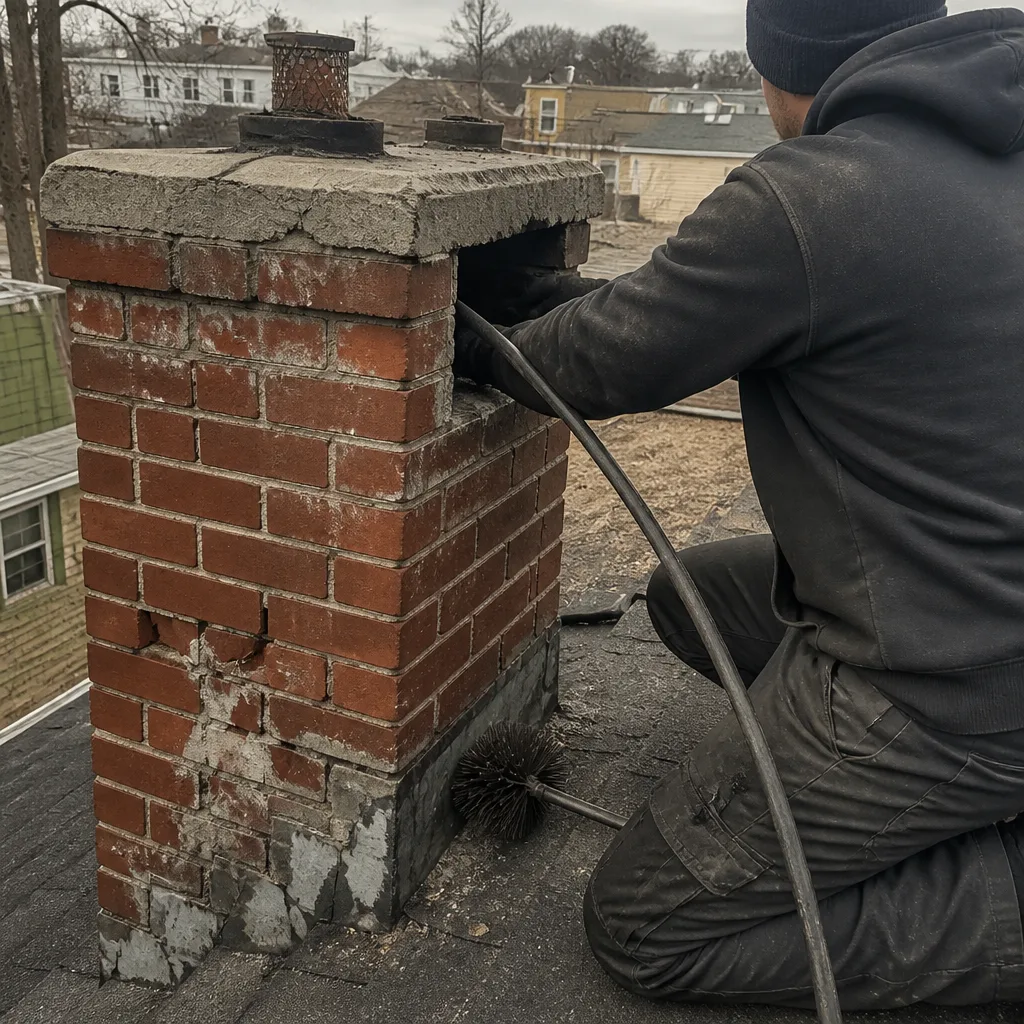 Before
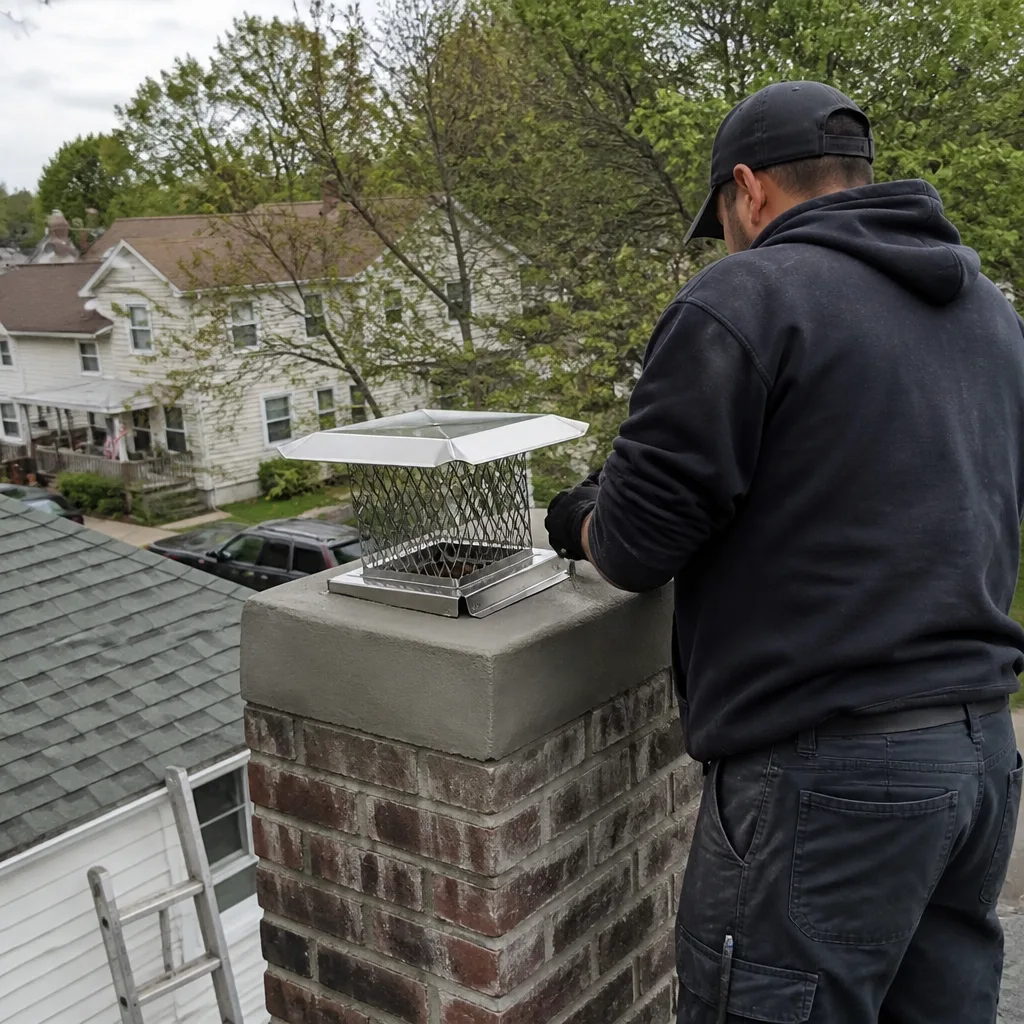 After
After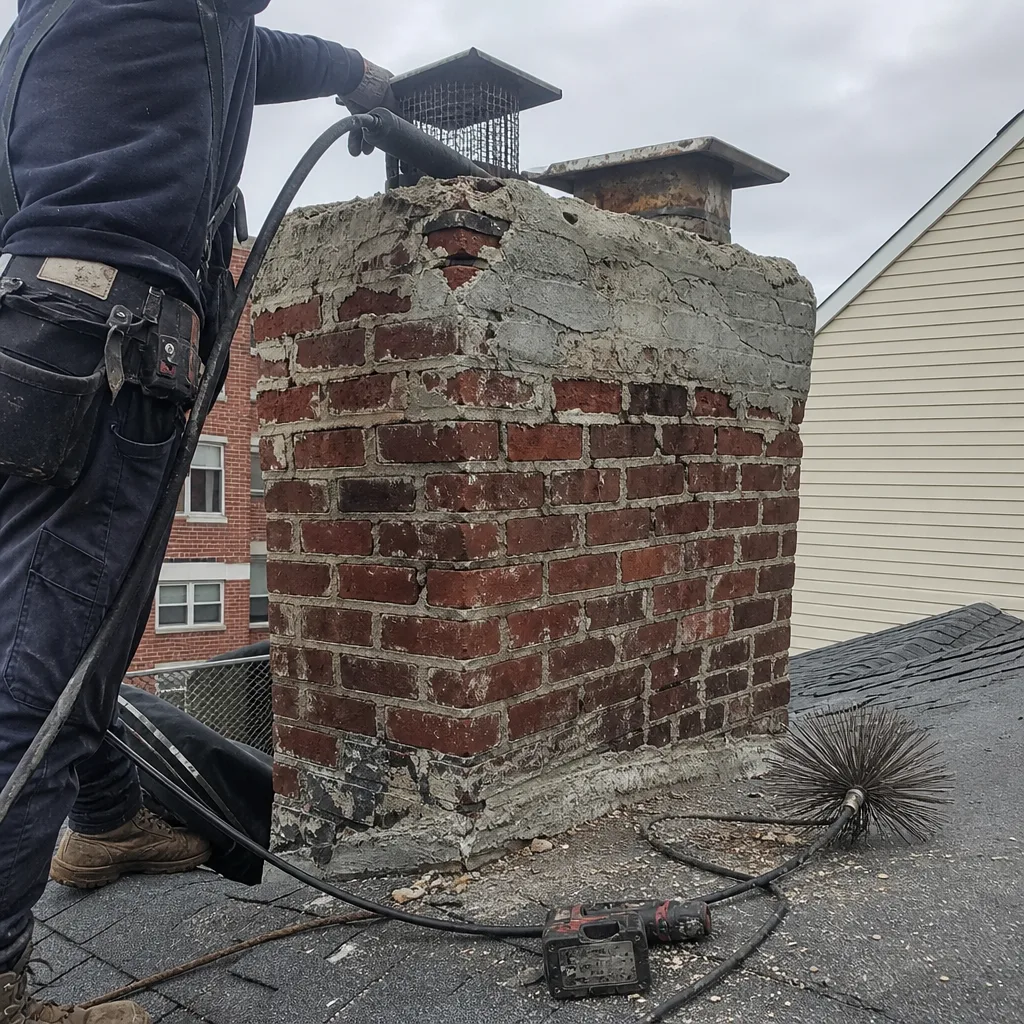 Before
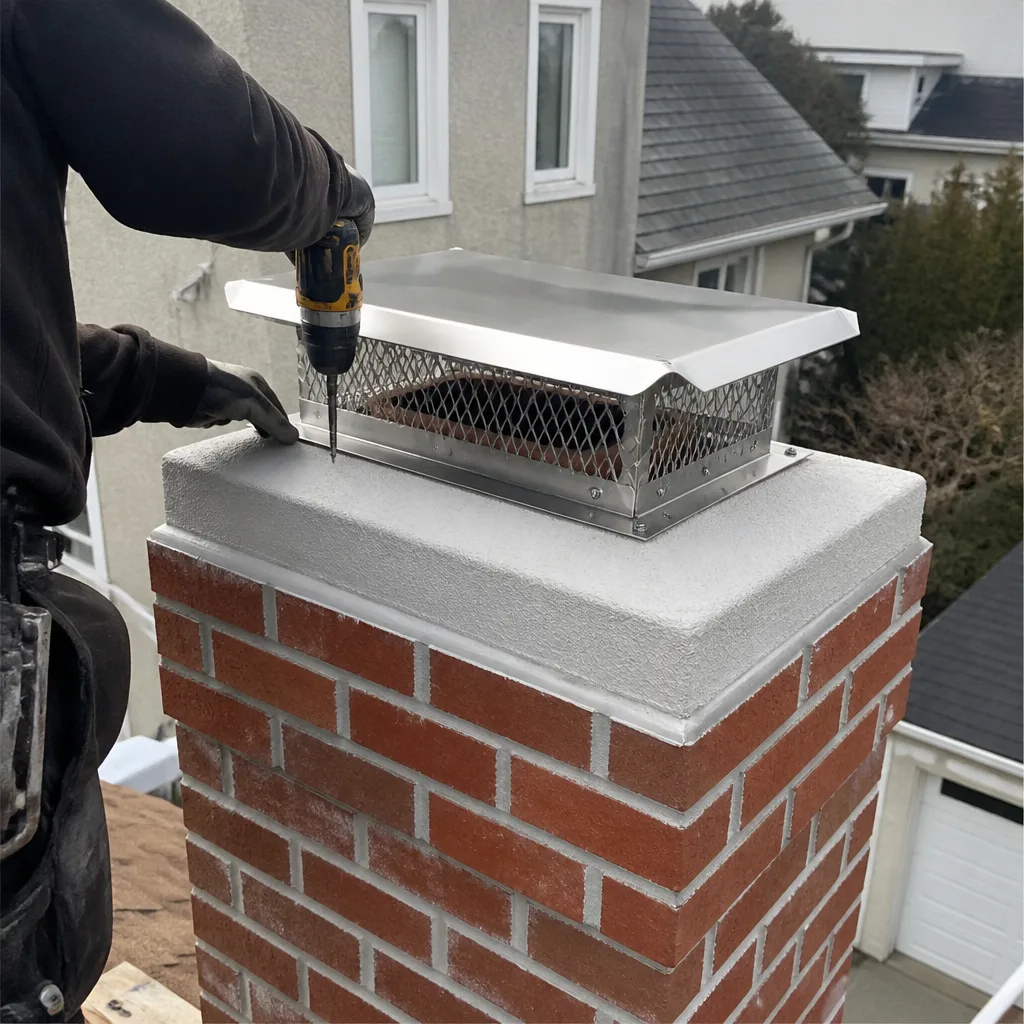 After
After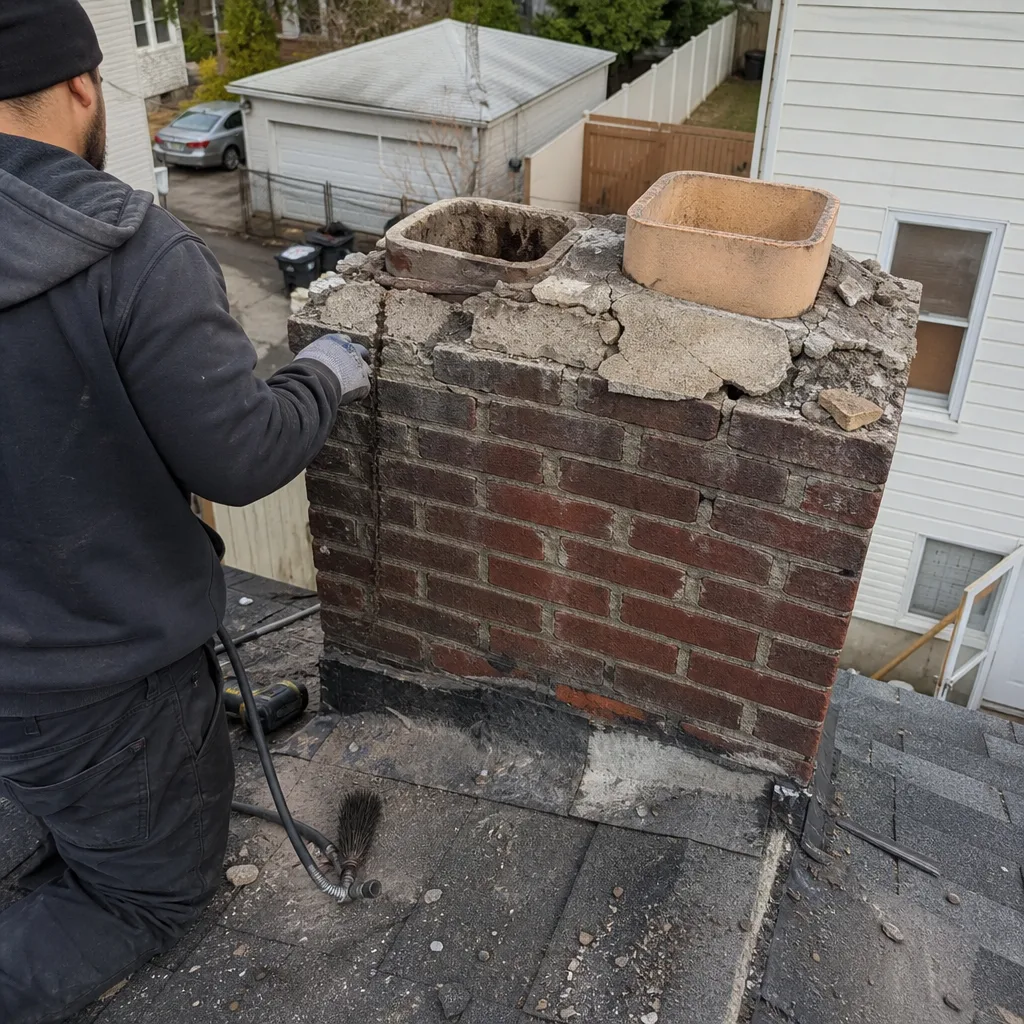 Before
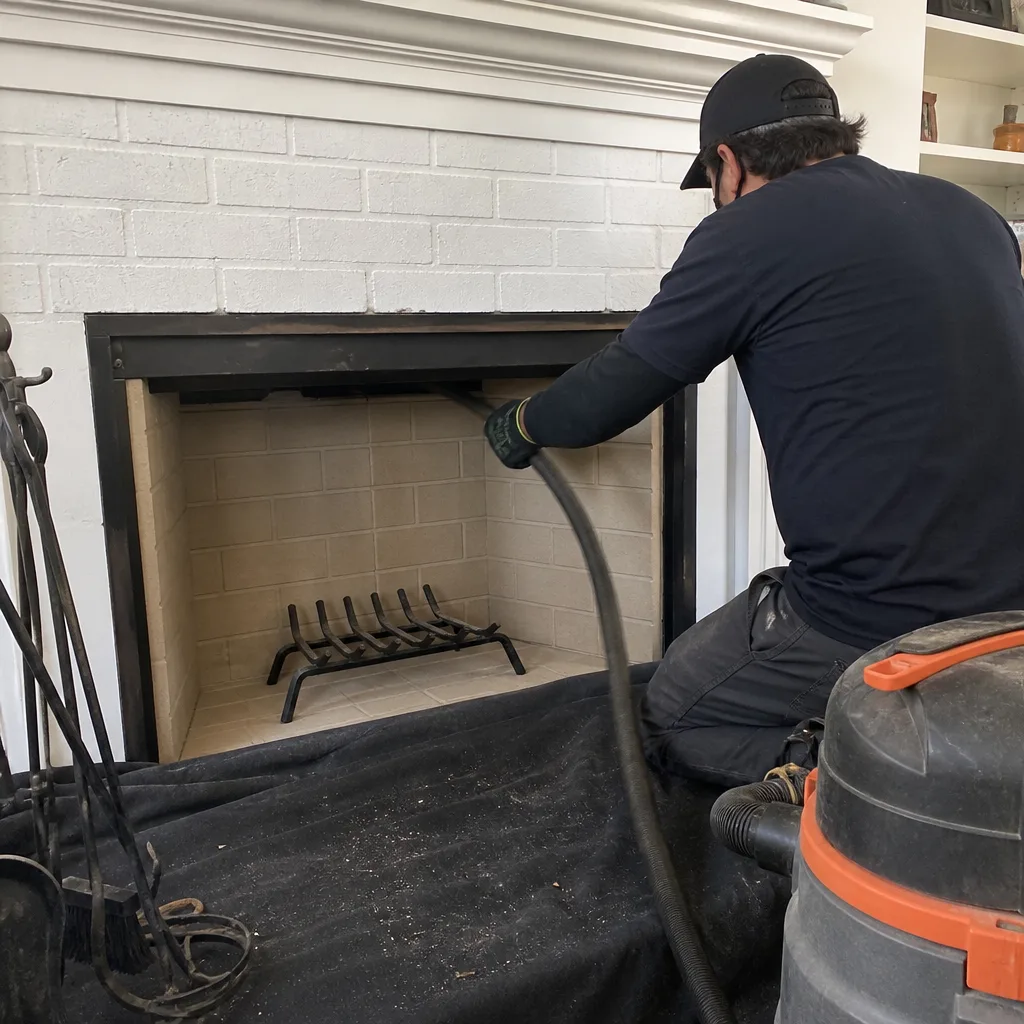 After
After