
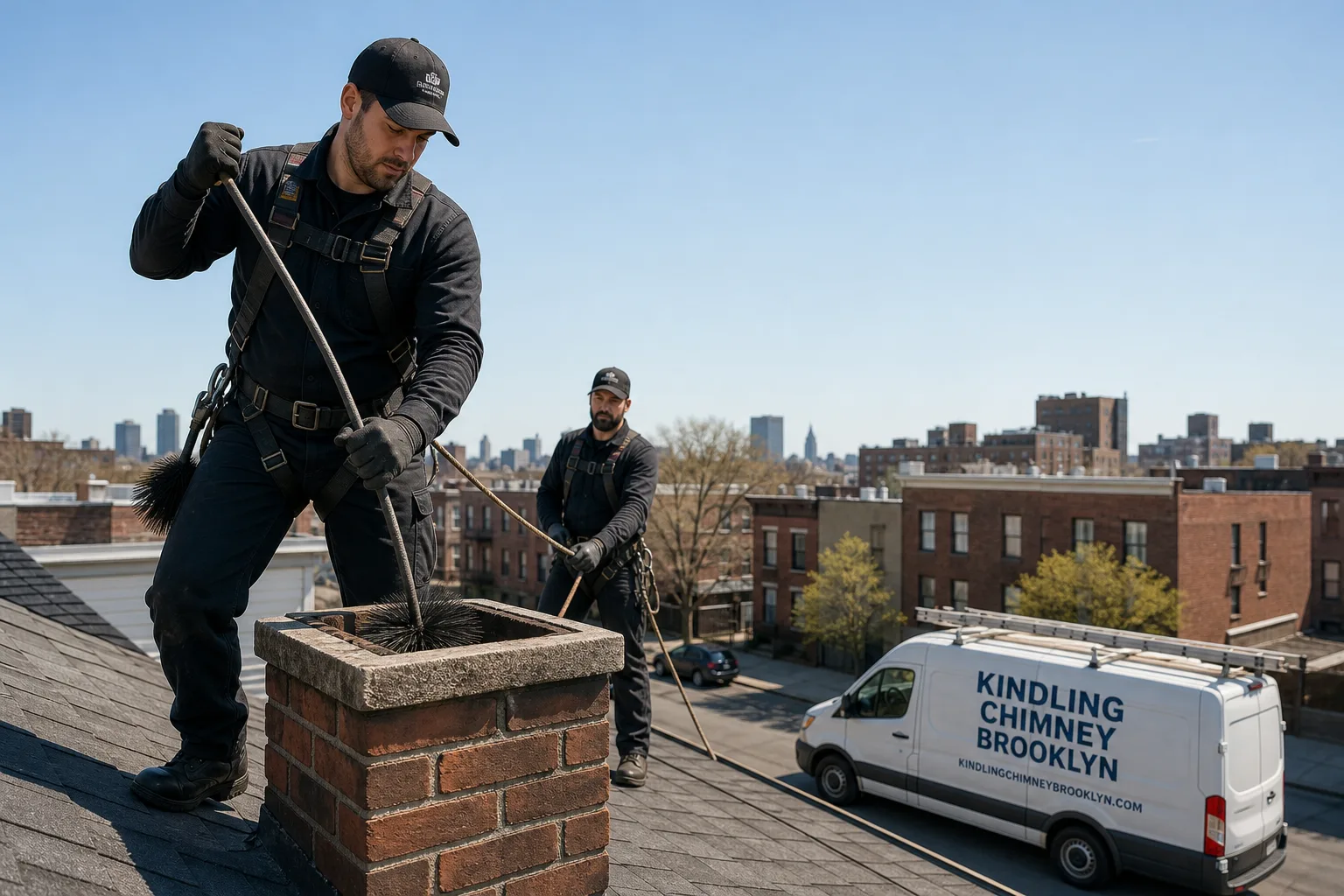
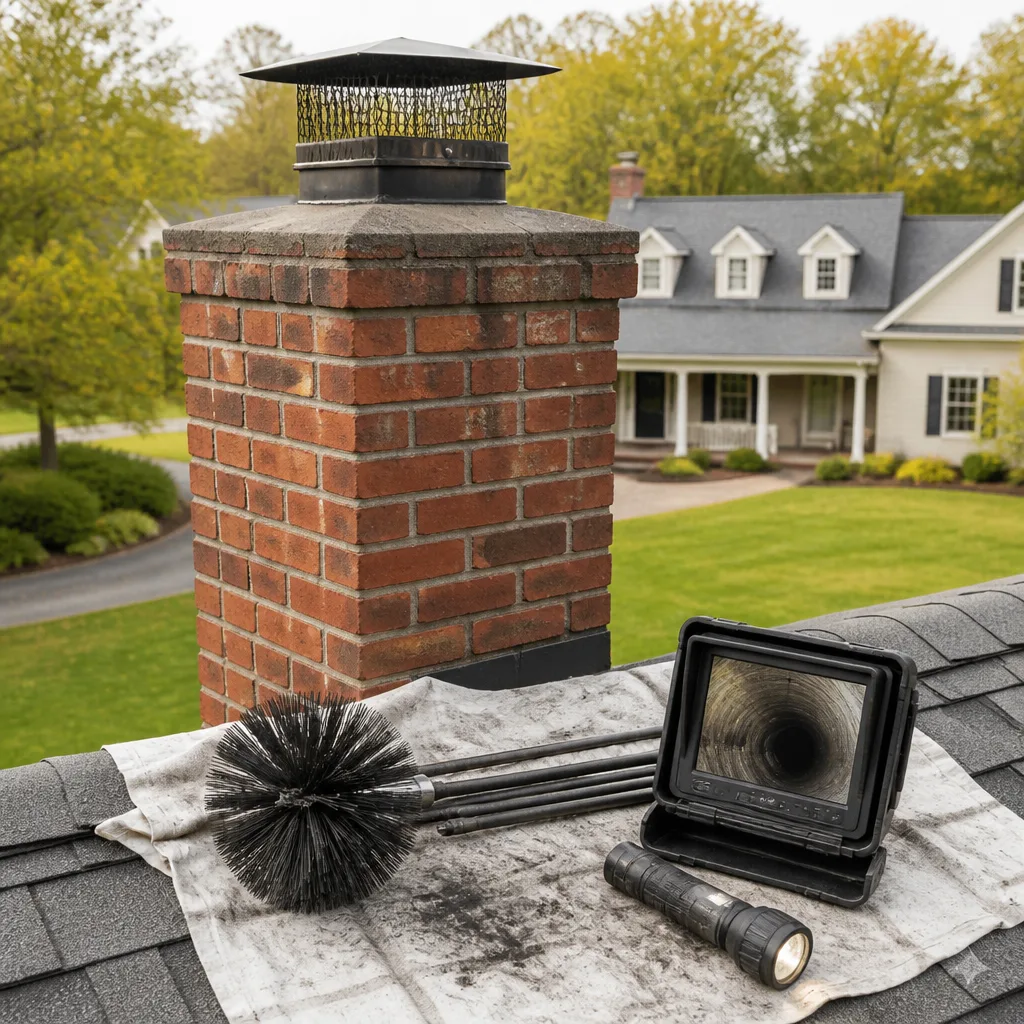
 Sweep & inspection
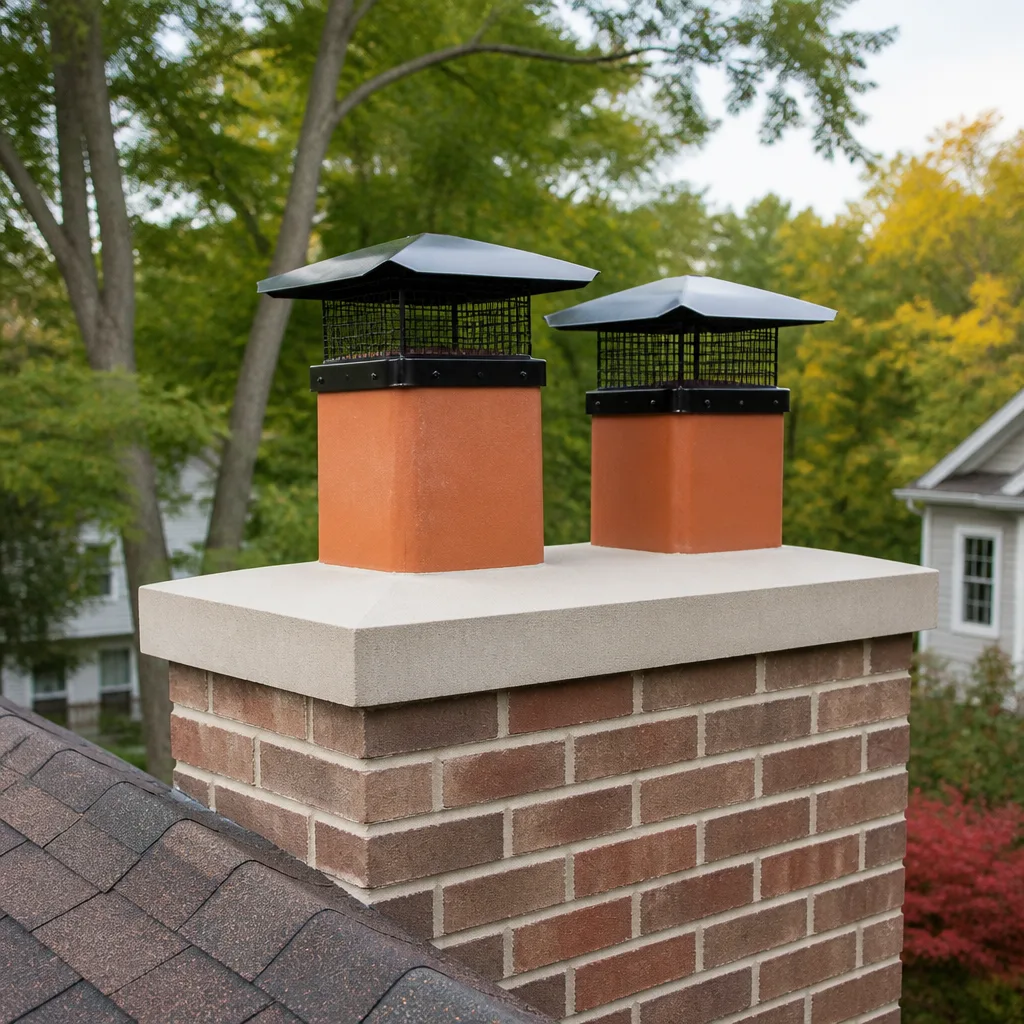 Caps & crowns
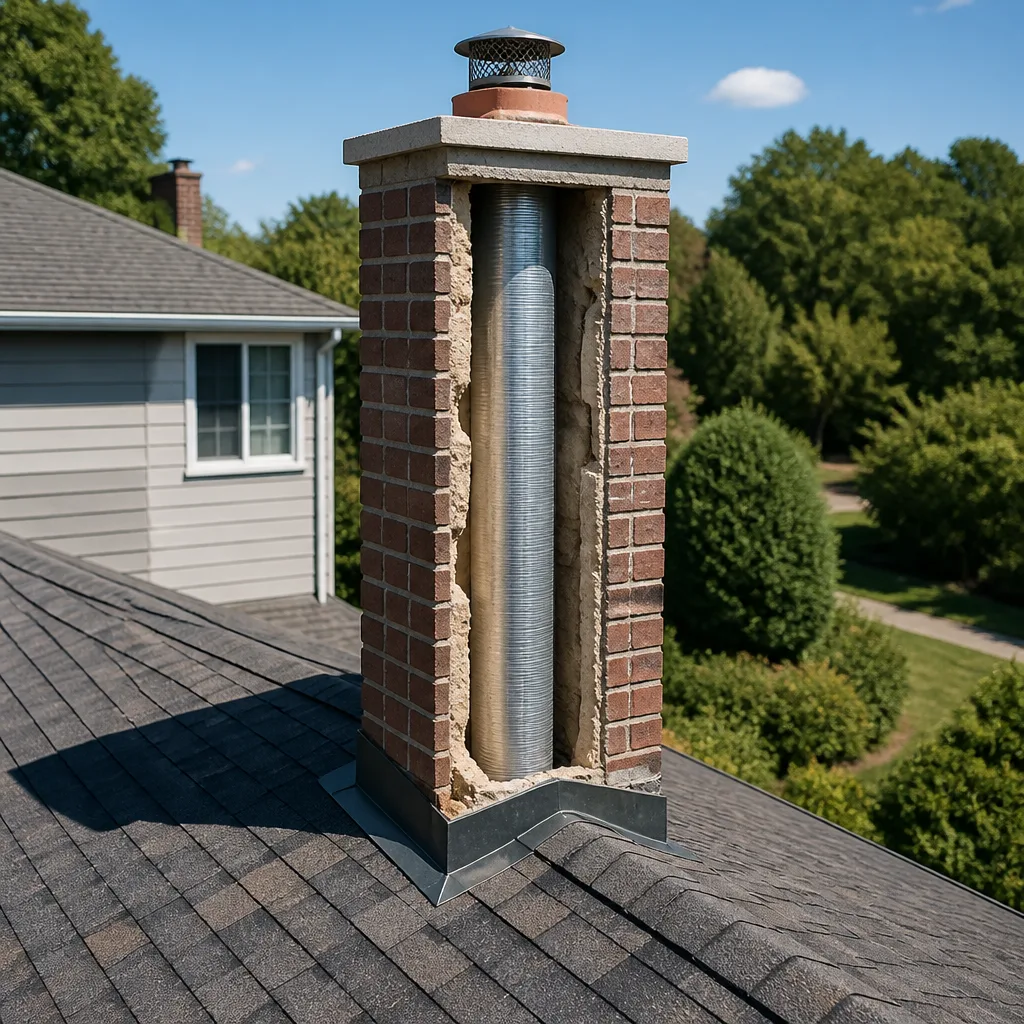 Flue relining
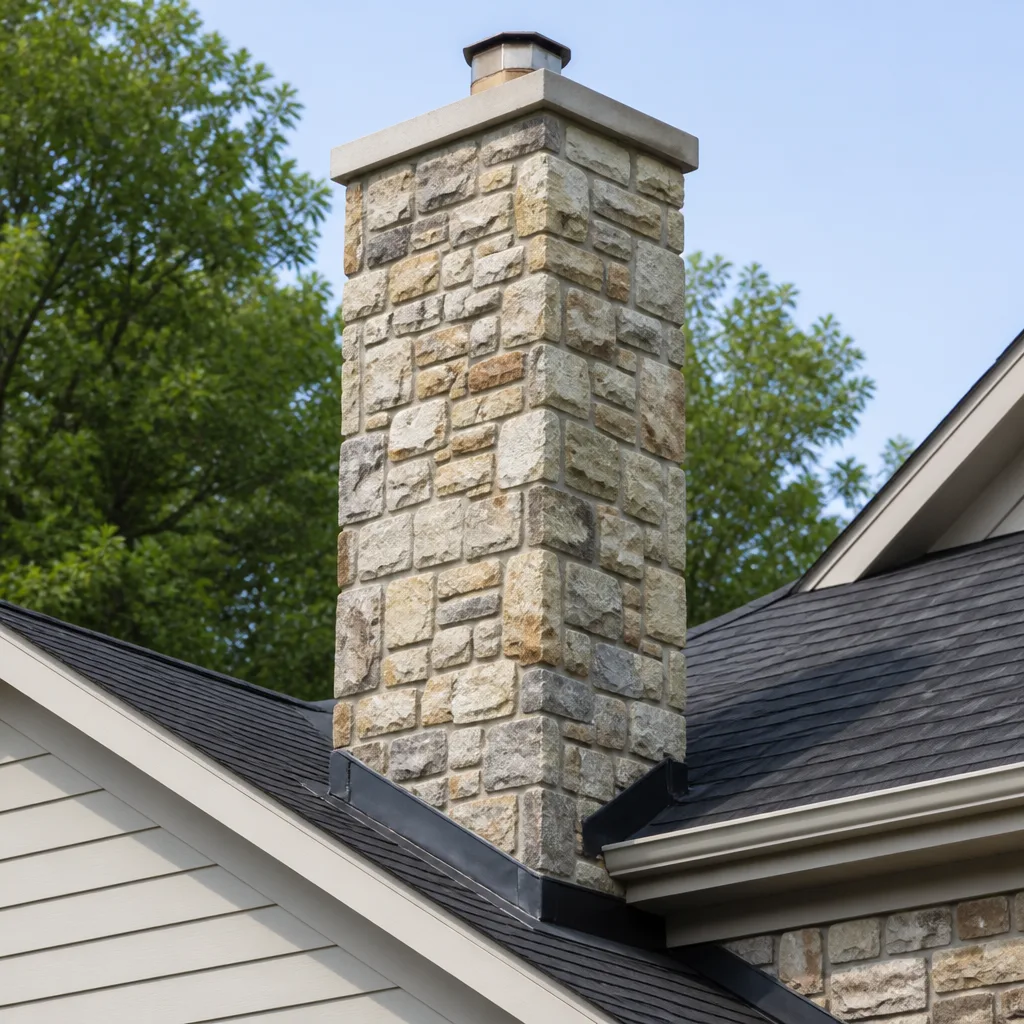 Masonry repair
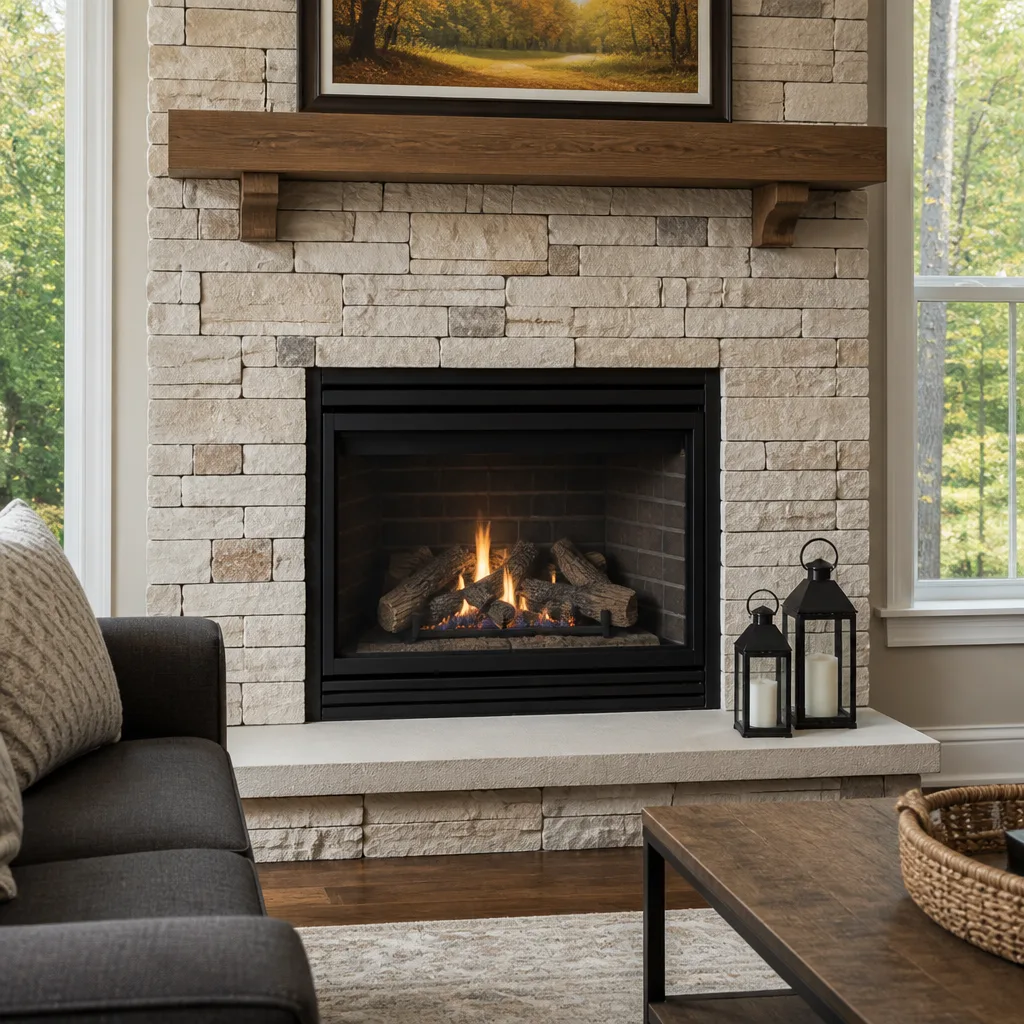 Gas fireplace service
Level 1 sweep and inspection to the NFPA 211 annual standard - flue, crown, cap, and flashing checked and photographed
Chimney sweep logs do not sweep chimneys. They loosen some creosote - which then falls where a brush and vacuum still have to collect it.
Fast, Reliable Chimney Inspection Across Long Island City
A chimney inspection in Long Island City typically costs $169 – $349 for a Level 1 visual check and $289 – $649 when a camera scope is needed, depending on how many flues the building has and what the camera reveals. Most inspections are booked within three to five business days. Call (607) 695-6218 for a written quote before we ever step inside.
Kindling Chimney Brooklyn serves Long Island City with chimney inspection work built around the buildings actually standing here: early-20th-century brick rowhouses, converted factories near the waterfront, and high-rise units where the fireplace is a gas insert, not a wood burner. That mix changes what an inspection has to look for. A boiler flue in a 1920s four-story walk-up on Vernon Boulevard needs different attention than a decorative gas fireplace on the 34th floor of a Court Square tower. Our Chimney Inspection team treats each one as its own job, not a checklist to rush through.
Key Takeaways
- A basic visual inspection in Long Island City runs $169 – $349; camera-assisted Level 2 inspections with a written report typically run $289 – $649 for a single flue.
- Long Island City’s coastal salt air, nor’easters, and freeze-thaw cycles attack masonry chimneys faster than inland locations, so annual inspection is the practical minimum for active fireplaces.
- Converted warehouses in Hunters Point often share flues with restaurant exhaust systems, producing grease-laden creosote that a standard sweeping cannot remove and a visual inspection can easily miss.
- Every inspection includes the Cedarwell Care Promise: written price first, shoe covers and drop cloths on arrival, and a photo of the clean-up before the crew leaves.
Styles & brands we work with
Why Kindling Chimney Brooklyn Is Long Island City’s Preferred Chimney Inspection Company
Long Island City homeowners call us because the inspection report means something specific to their building. We have worked inside converted factories on 44th Drive and prewar brick rowhouses off Jackson Avenue. We know that a chimney on a Hunters Point roof is not the same animal as one tucked inside a private house in Middle Village. That local familiarity shows up in what we flag and what we tell you can safely wait.
Every Chimney Inspection in Long Island City we perform comes with the 365-Day Done Right Promise. If the inspection misses something or the work we recommended isn’t done right, we make it right, no fine print. Danny Cortes leads the crew, and every technician who steps through your door is background-checked, uniformed, and works to the C.A.R.E. values: shoe covers and drop cloths go down on arrival, nothing moves without asking, and you get a photo of the clean-up before we leave. Families with kids and pets tend to notice that kind of care before they even hear the inspection findings.
We also answer the phone. A live person picks up 24 hours a day, 7 days a week, at (607) 695-6218. No voicemail tree, no waiting three days for a callback when you just want to know what a camera inspection costs.
Chimney Camera Inspection in Long Island City
Chimney Camera Inspection in Long Island City is the only way to see what is actually happening inside a flue before a problem becomes a repair bill. We run a high-resolution camera down the full length of the flue, from the fireplace or appliance opening to the chimney crown, and record what we find. You see the same footage we see, and every recommendation we make is backed by that image. In Long Island City that matters even more than usual, because the building stock hides things. A brick rowhouse on 45th Avenue may look fine from the street while sharing a chimney stack with a neighboring unit, or a converted factory in Hunters Point may have a flue carrying restaurant exhaust along with fireplace venting. You cannot see those conditions from the ground.
When a camera scope is necessary
We recommend a camera inspection before any fireplace insert is installed, after any chimney fire, when buying or selling a home in Long Island City, and whenever a standard visual inspection spots staining, draft issues, or damaged mortar that suggests something deeper. A Level 1 inspection confirms the accessible parts look right. A camera inspection confirms what is inside the parts you cannot reach. In Long Island City, we rarely recommend skipping the camera on prewar masonry chimneys, because cracked flue liners behind a shared wall are exactly the kind of problem a visual check misses.
What it costs in Long Island City
For most Long Island City properties, a camera inspection runs $289 – $649 for a single flue, with multi-flue buildings priced per additional flue. The report includes timestamped images and a written assessment. If the camera finds significant damage, we will show you the footage on the spot and explain what needs attention now versus what can be monitored.
Fireplace Inspection in Long Island City
Fireplace Inspection in Long Island City covers the firebox, damper, hearth, mantel clearances, and the flue directly above the fireplace, and for gas inserts, the venting, gas line connection, and log set positioning. We see a lot of gas fireplace inserts in Long Island City, especially in newer high-rises and renovated condos where the original wood-burning fireplace was converted for convenience. Those inserts still need an annual inspection. Gas fireplaces produce moisture and acidic exhaust that can corrode dampers and connectors, and a rusted damper on a gas insert on Center Boulevard is a draft failure waiting to happen.
What we check on a fireplace inspection
We confirm the damper opens and closes fully, the firebox has no cracked refractory panels, the flue is clear to the top, and clearances to combustible materials meet code. For gas inserts, we verify the pilot assembly, burners, and vent termination, and we check for carbon monoxide leaks at the appliance connection. If you have young children or pets, we will also flag screen and glass-front temperatures. And we leave the hearth cleaner than we found it.
Inspection frequency for LIC fireplaces
A fireplace used every weekend during the winter in Long Island City should be inspected once a year. A fireplace that never gets used still deserves a check every two years, because moisture, nesting animals, and salt-laden air do their work whether or not the fire burns. If you have a gas insert and an unused original flue behind it, that original flue may still be attached to a shared stack, and its condition affects your fire safety even if no fire burns in it.
Trusted Brands We Service in Long Island City
When an inspection turns up a cracked flue liner or a damaged crown, we repair it with materials we would put in our own homes. We use DuraFlex stainless steel liners for resleeving, Gelco and Olympia Chimney components for caps and termination, and Famco and Copperfield parts for dampers and chase covers where they fit the job. Because we stock these lines locally for Long Island City work, we are not waiting on a parts shipment from out of state when a repair is needed. You get a straight recommendation, a written price, and parts that are built for a coastal climate where salt and nor’easters are part of the deal.
See the difference
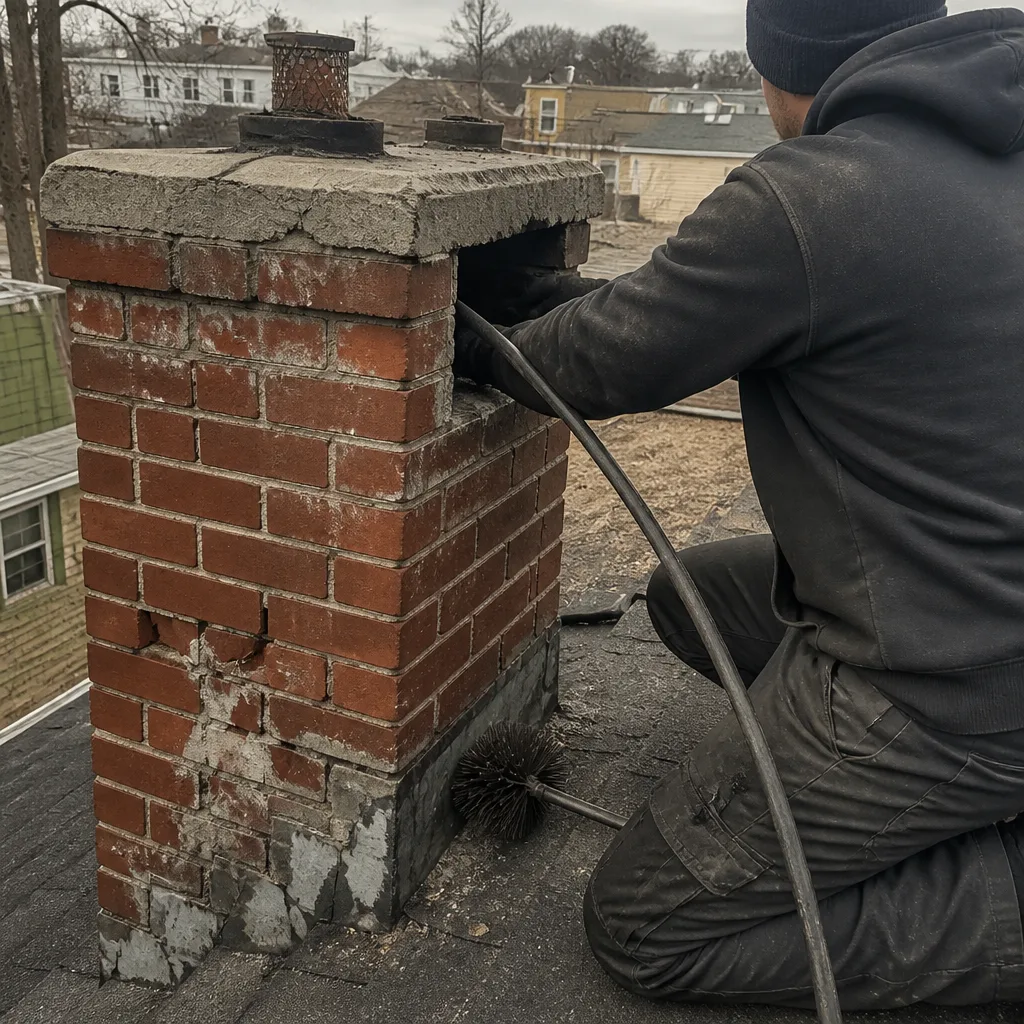 Before
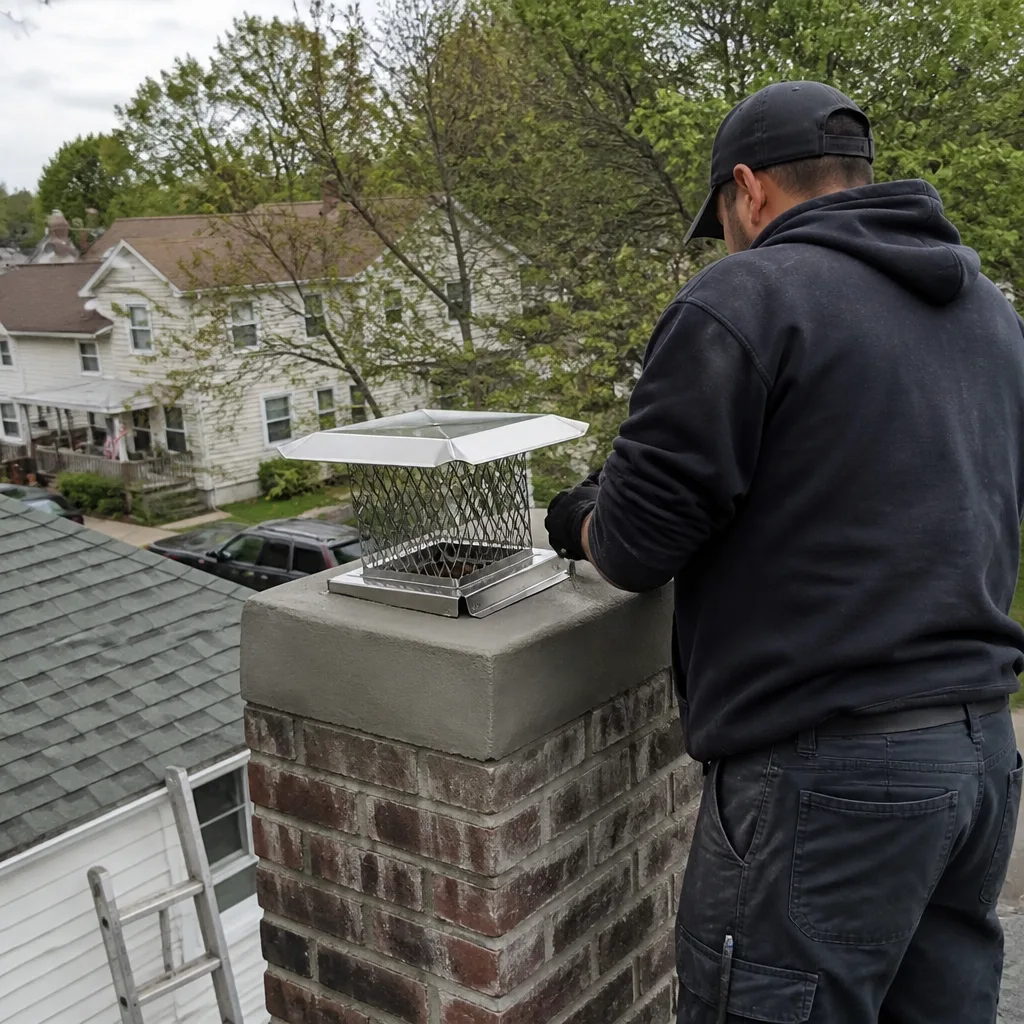 After
After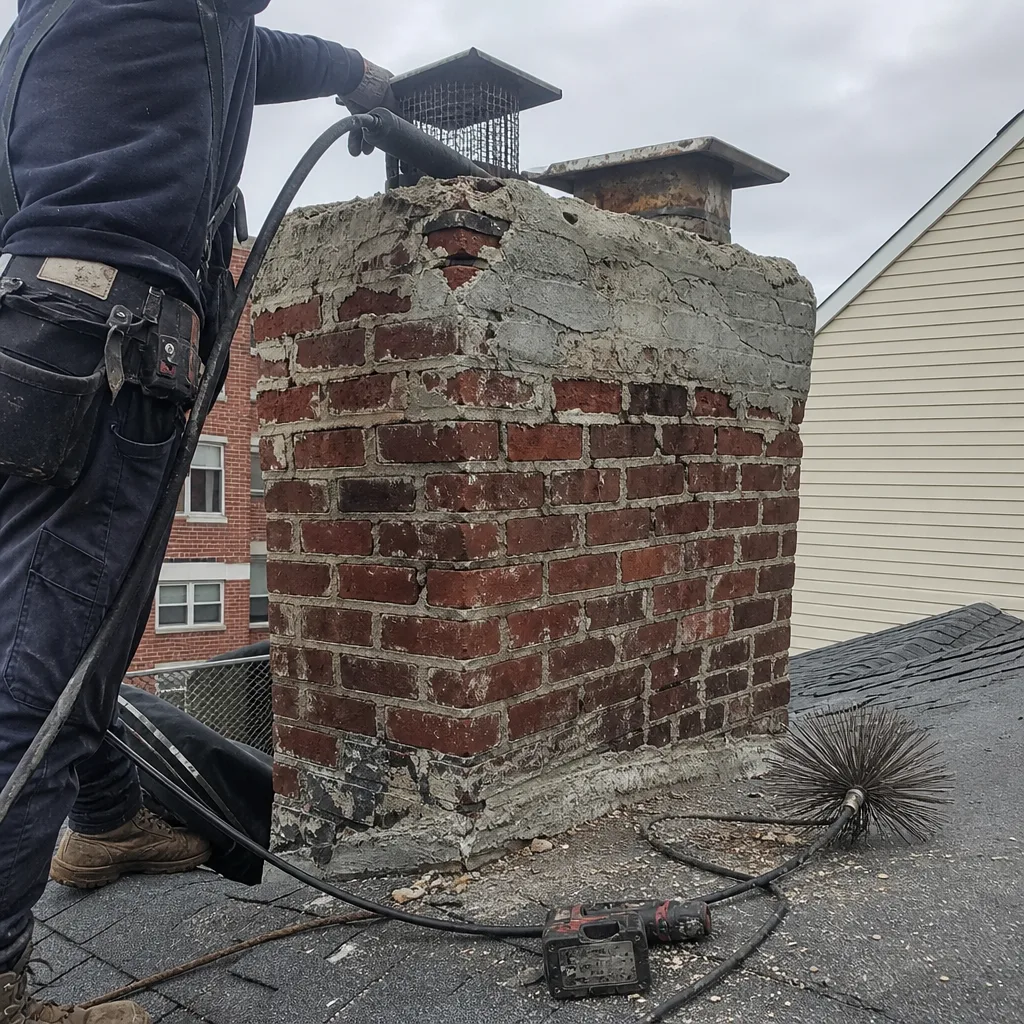 Before
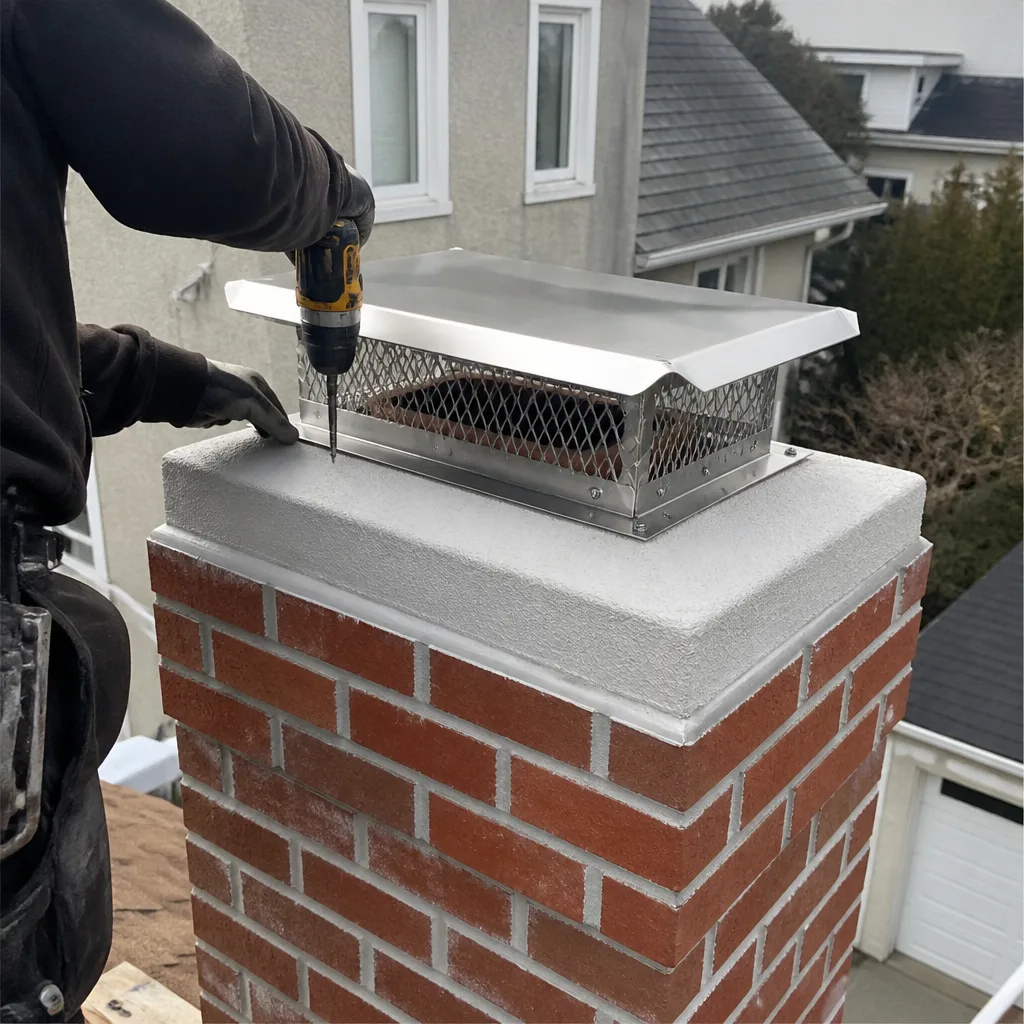 After
After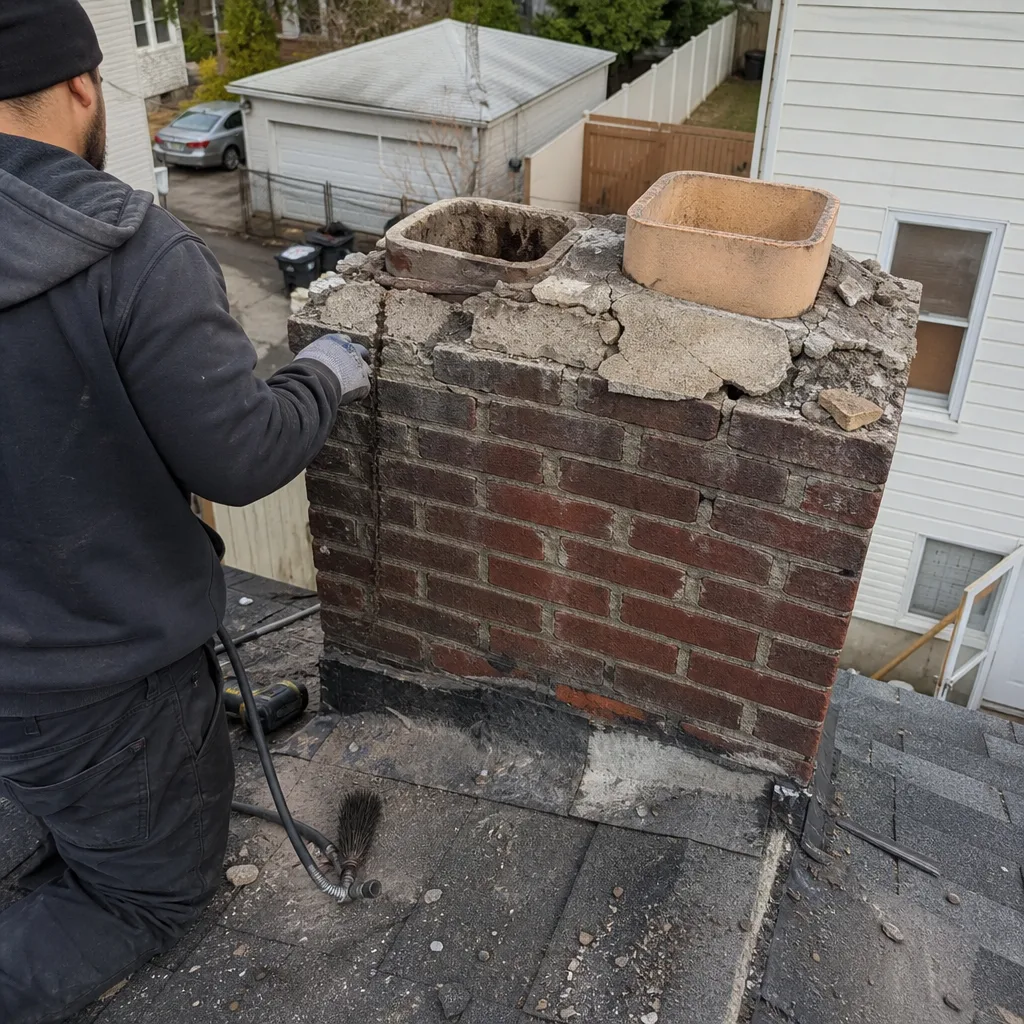 Before
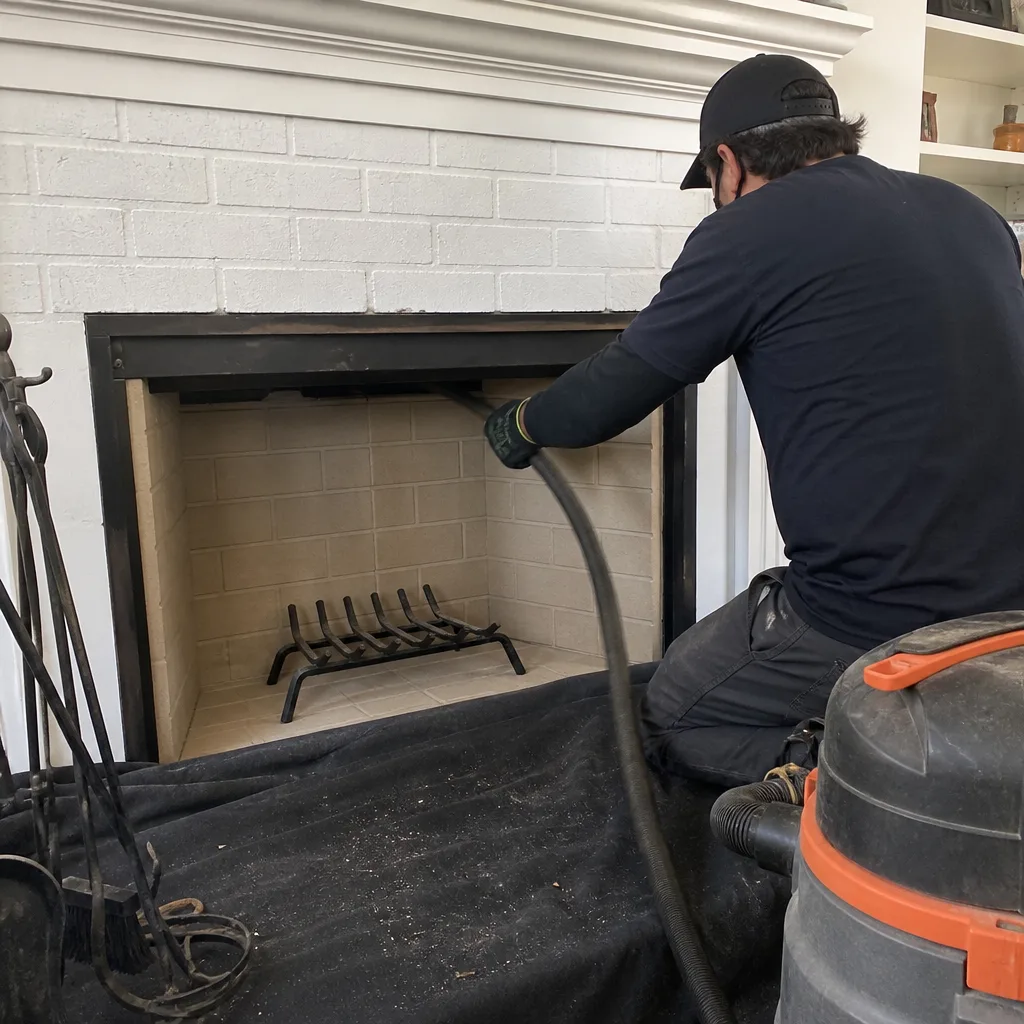 After
AfterCommon Chimney Inspection Problems We See in Long Island City Homes
- Shared flues in converted warehouses: In Hunters Point, rooftop chimneys on converted factories sometimes share flues with ground-floor restaurant exhaust. The result is grease-laden creosote on the flue walls, which standard brushes cannot remove and a visual check at the rooftop will not reveal. Camera inspection and chemical treatment are the only way to clear and document it.
- Freeze-thaw spalling on waterfront-facing crowns: The north-facing sides of masonry chimneys in Long Island City take the worst of winter nor’easters. Water gets into the crown, freezes, expands, and pops the surface off the brick. That lets water down into gas fireplace inserts, corroding dampers and rusting connector joints.
- Multi-flue masonry stacks with cracked internal liners: Early-20th-century rowhouses in Long Island City commonly have two or three flues stacked inside one masonry chimney. A cracked liner in one flue can allow carbon monoxide to migrate into an adjacent flue serving another unit. We see this often enough on prewar buildings near Queens Plaza that we recommend a camera inspection, not just a rooftop visual, whenever a property changes hands.
- Gas conversions sealing off old flues without proper termination: When a Long Island City rowhouse converts from oil or wood to gas, the old flue is sometimes capped or sealed incorrectly. Moisture builds up inside, the liner decays, and a future inspection finds a mess that could have been avoided with proper termination and a rain cap.
Pricing for Chimney Inspection in Long Island City, NY
A Level 1 visual inspection in Long Island City runs $169 – $349. A Level 2 camera inspection with a written report runs $289 – $649 per flue. If the property has multiple flues, a shared chimney stack, or a commercial exhaust component, the price moves toward the higher end because the inspection takes longer and the camera footage requires more careful review. Level 3 inspections, which involve accessing concealed portions of the flue, are quoted after we see what the camera reveals. We do not quote a Level 3 blind. The written price you get before work starts is the price you pay. No on-the-spot add-ons, no pressure to approve repairs on the day of the inspection. Call (607) 695-6218 and we will give you a straight number for your specific building.
We Also Serve Cities Near Long Island City
While this page focuses on Long Island City, our inspection crews also serve nearby neighborhoods and boroughs including New York, Middle Village, Brooklyn, and Forest Hills. If you live just outside Long Island City but still want the same camera inspection process and written price promise, we are likely already close by.
Serving Long Island City, NY - Our Local Coverage Area
We’re based in the Long Island City area and know this community well. Use the map below to see our service coverage - if you’re nearby, we can almost certainly help.
FAQs About Chimney Inspection in Long Island City
Salt-laden air from the East River accelerates mortar deterioration on exposed masonry, and nor’easters drive moisture into the north-facing sides of chimneys first. In Long Island City, we typically flag spalling brick, corroded flashing, and rusted caps earlier in a chimney’s life than we would for the same masonry in an inland neighborhood. Expect your inspection report to call out moisture intrusion and freeze-thaw damage even if the fireplace has not been used much. Call (607) 695-6218 if you want us to look at your specific masonry.
Yes, and it is often more important than for a wood-burning fireplace. The original flue may still be connected to a shared masonry stack serving other units, and a cracked liner in that unused flue can allow carbon monoxide from a neighboring unit to migrate into your walls. A Level 2 camera inspection shows the condition of both the active gas flue and the dormant original flue, so you are not guessing about a hidden passage inside your own house. Call (607) 695-6218 to schedule or ask about pricing.
Many converted warehouses in Hunters Point have rooftop chimneys that share flues with ground-floor restaurant exhaust systems. The grease from those exhaust systems mixes with creosote, forming a thick, glossy tar glaze that a standard chimney brush cannot remove. A visual inspection from the rooftop will not detect it. We use a camera inspection and, where needed, chemical treatment to break down the grease before cleaning. If you own or rent in a converted loft or factory building in Hunters Point, ask whether your flue is shared with any commercial exhaust before scheduling a standard sweep.
Every year, if the fireplace or gas insert is used at all during the heating season. Long Island City’s coastal exposure, combined with the age of many masonry chimneys, makes annual inspection the practical minimum. If the chimney is completely unused and permanently sealed, an inspection every two years is usually fine, but we recommend one sooner if you are buying or selling the property. Call (607) 695-6218 to book an inspection, and we will tell you what schedule fits your building.
Third-degree creosote is a hardened, tar-like glaze that forms when creosote is heated and cooled repeatedly without being removed. It is the most difficult form of creosote to clean and the most likely to ignite. In Long Island City, older brick chimneys with rough, unlined flues or long horizontal runs are more prone to this buildup than modern smooth-lined flues. We have seen it particularly in converted warehouses where grease enters the flue, but it can also form in a standard wood-burning rowhouse fireplace that has not been swept in years. Call (607) 695-6218 if your fireplace is overdue for a check.
If you own or manage a home in Long Island City and you want a chimney inspection that actually shows you what is inside the flue, call (607) 695-6218 for a written, no-pressure quote. We will schedule a time, arrive in uniform with shoe covers and drop cloths, and walk you through every finding on camera before we recommend anything.
Written by Danny Cortes, Owner at Kindling Chimney Brooklyn.