
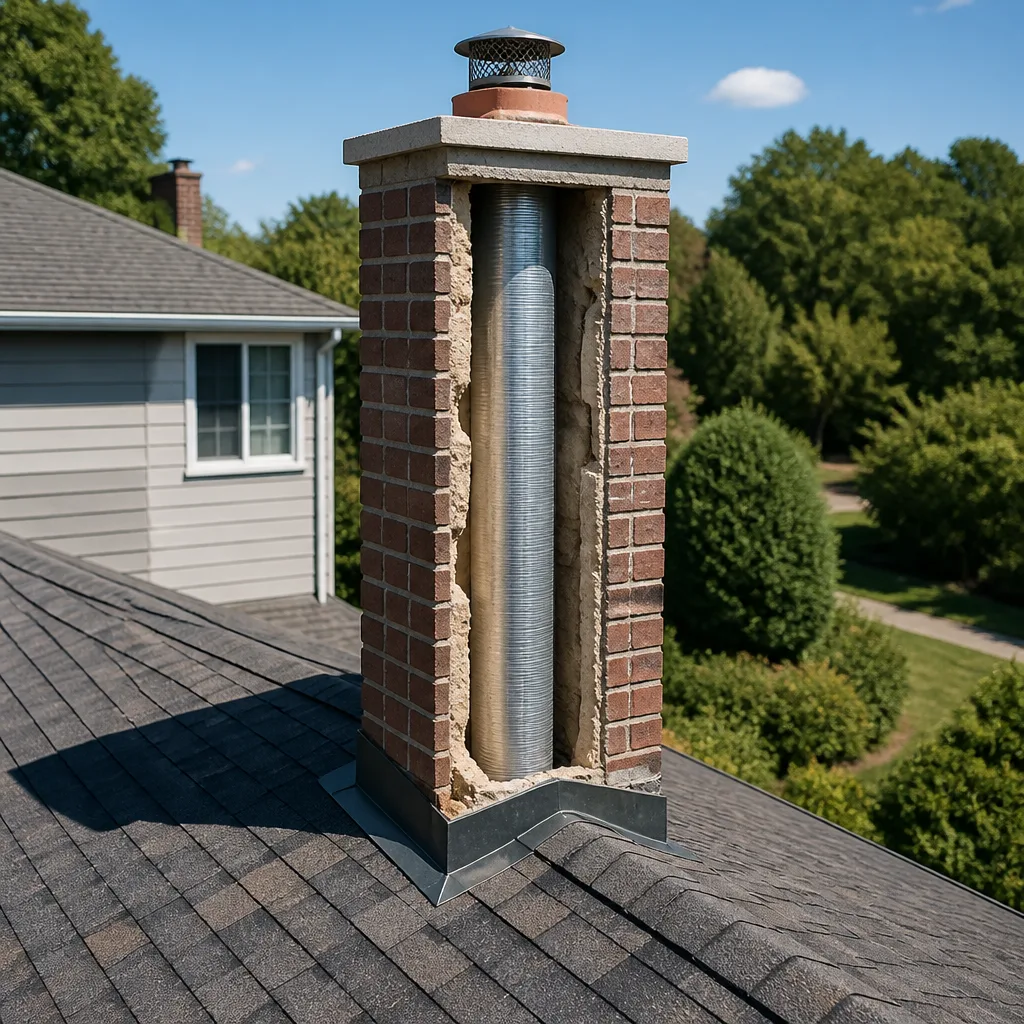
 Flue relining
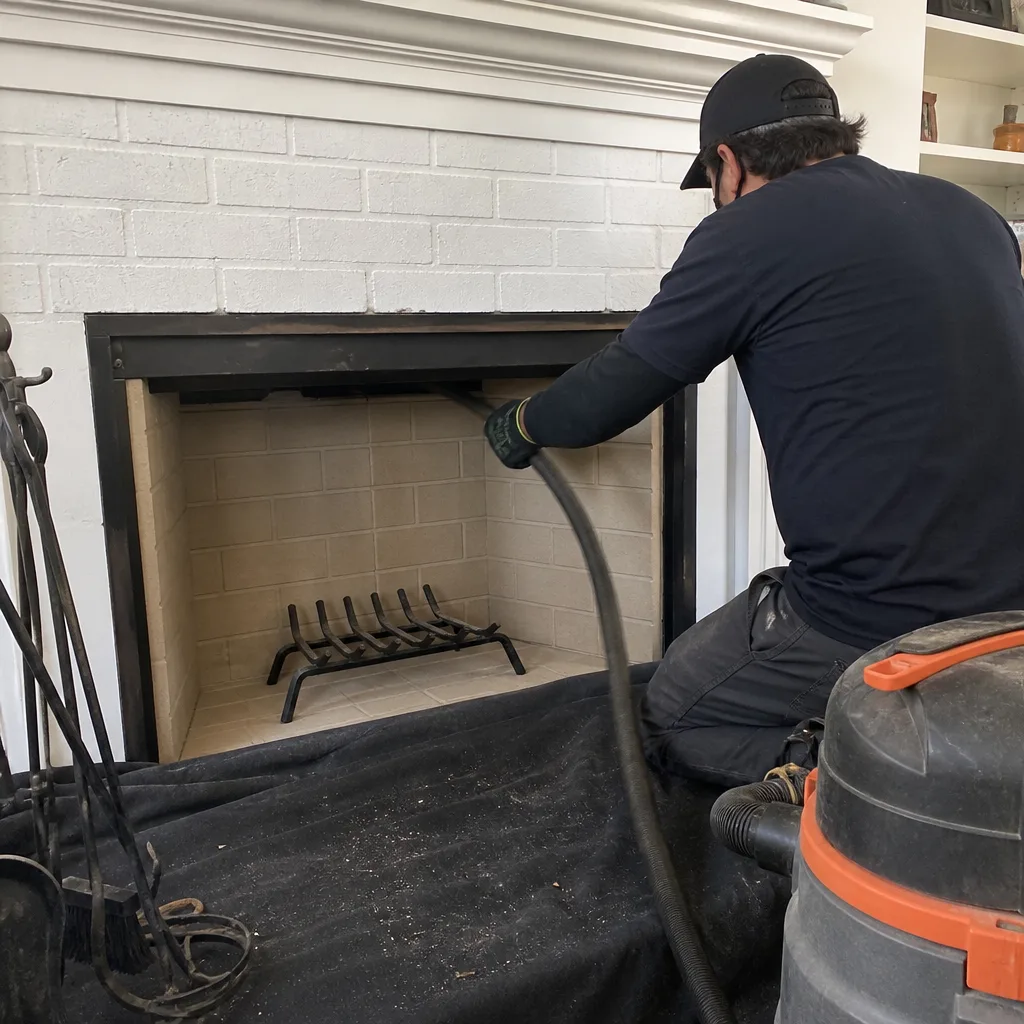
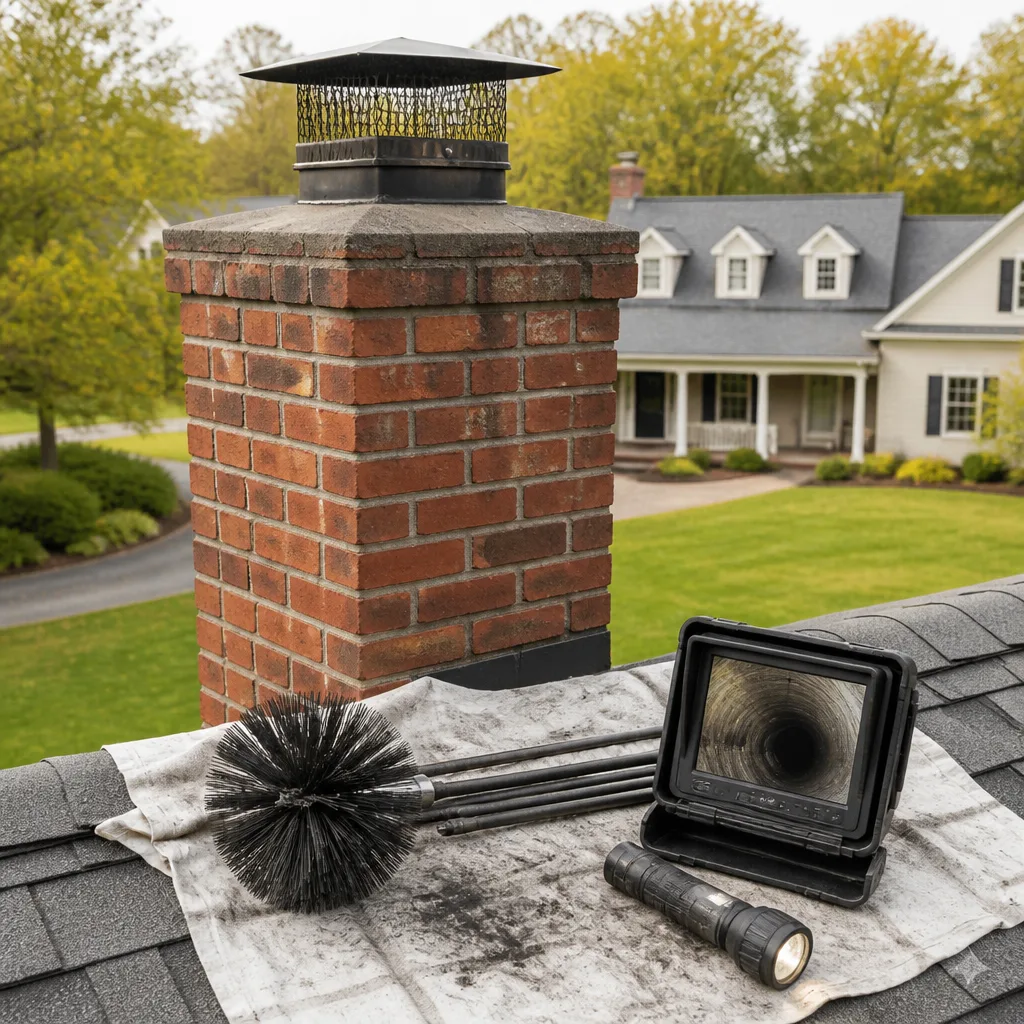 Sweep & inspection
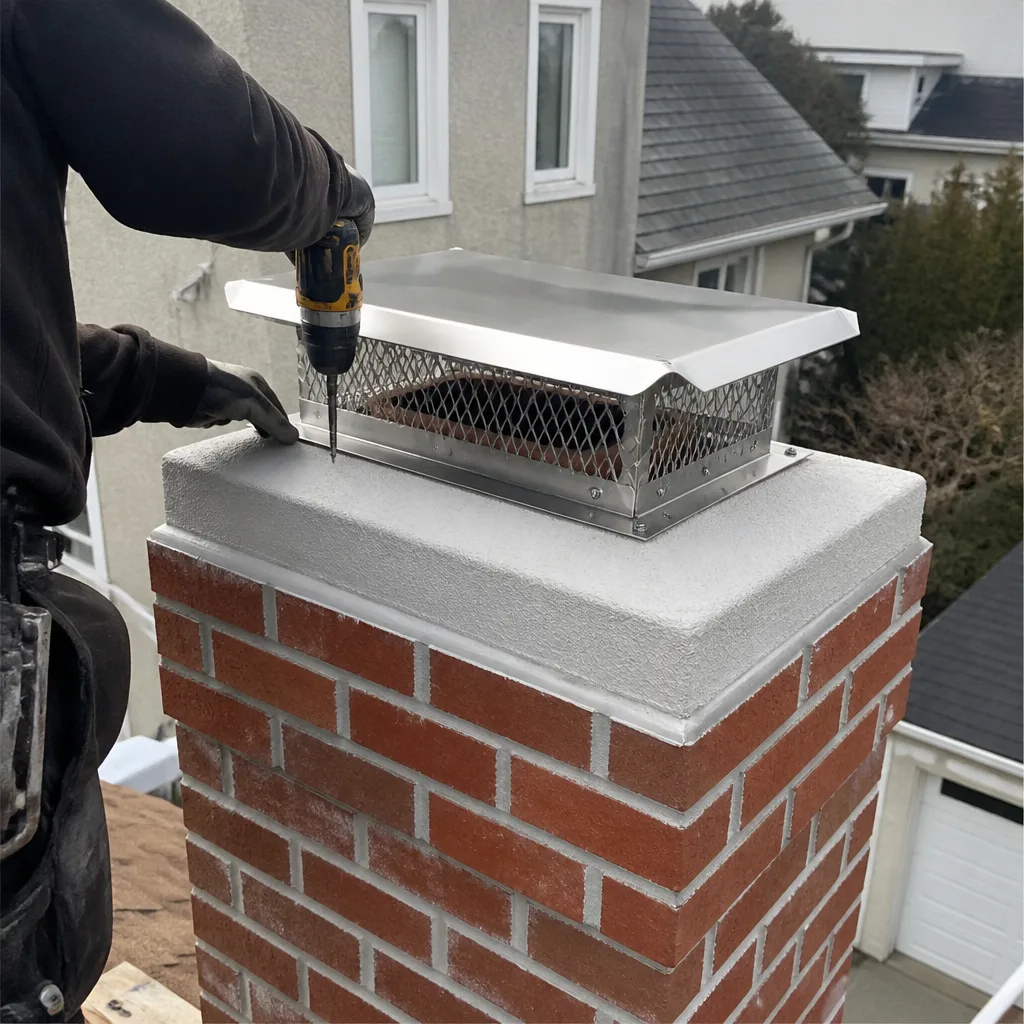
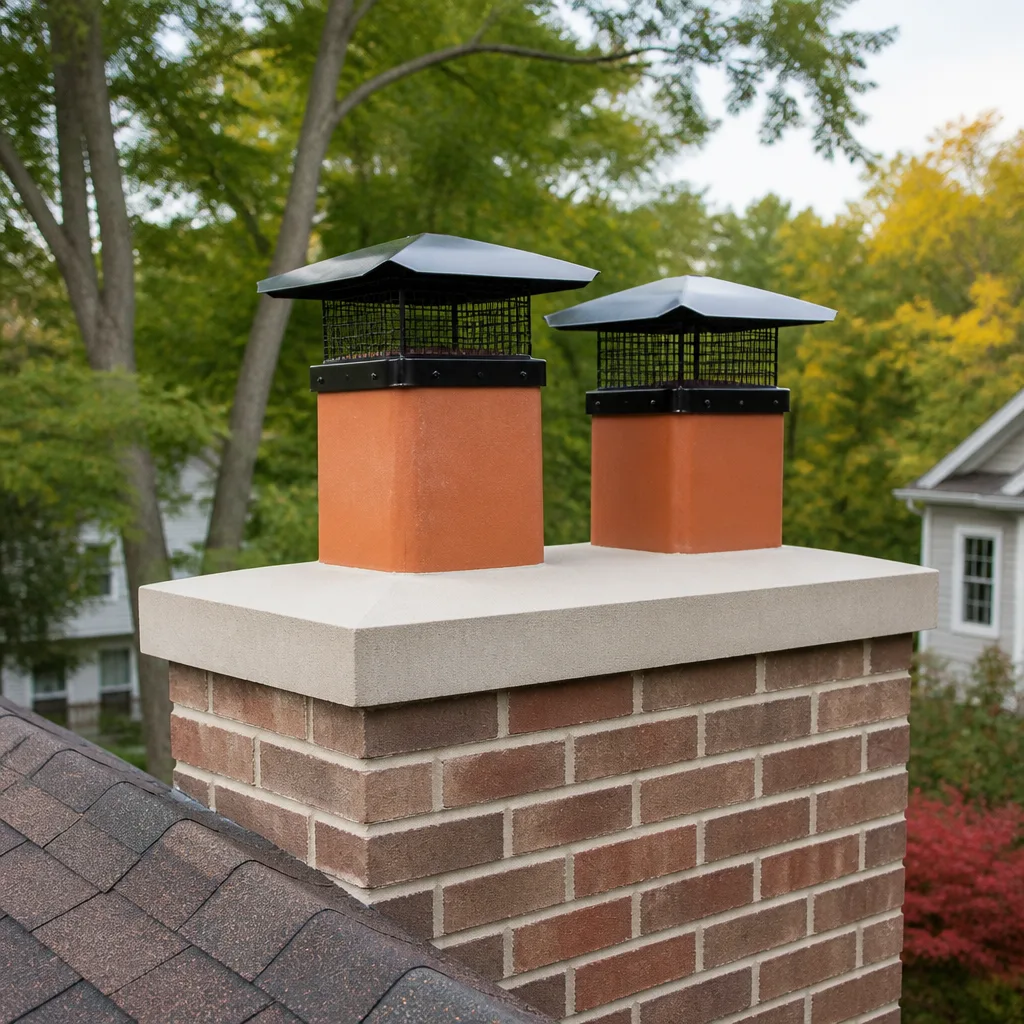 Caps & crowns
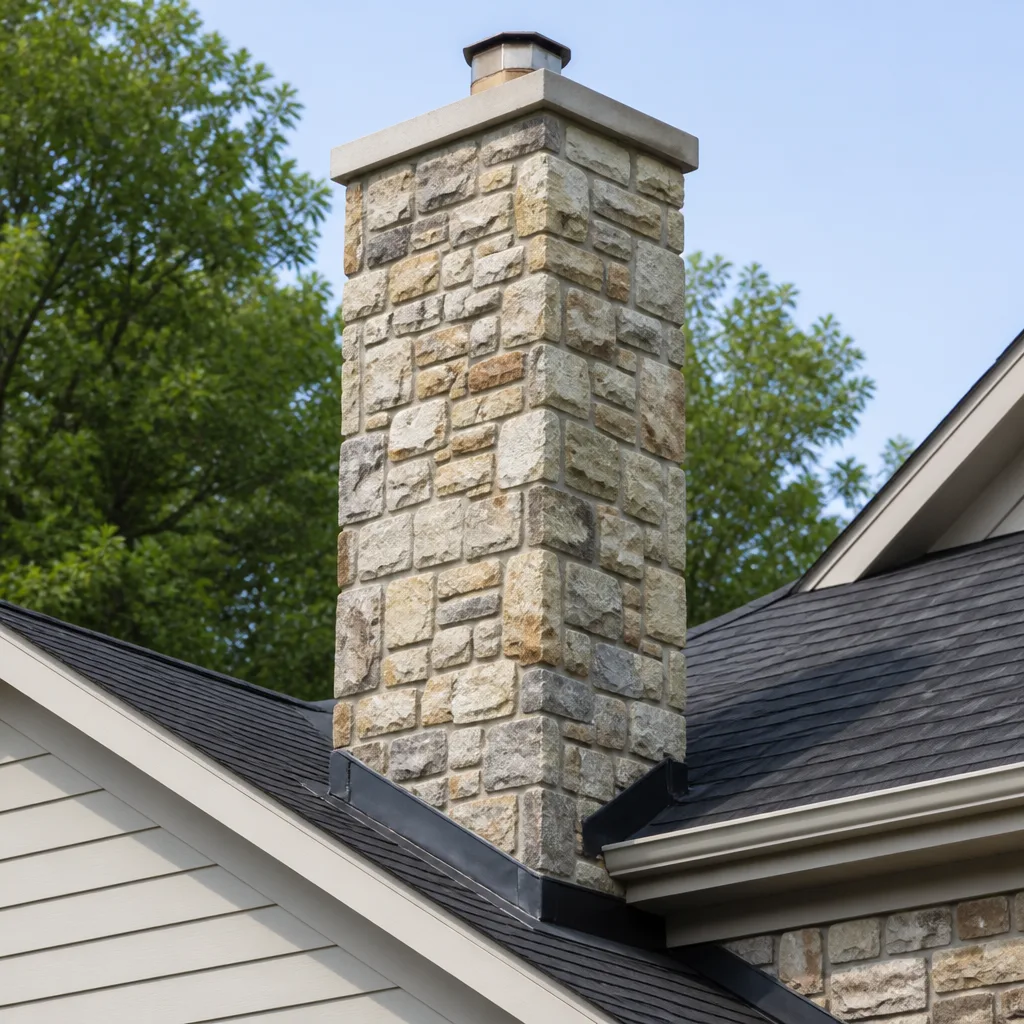 Masonry repair
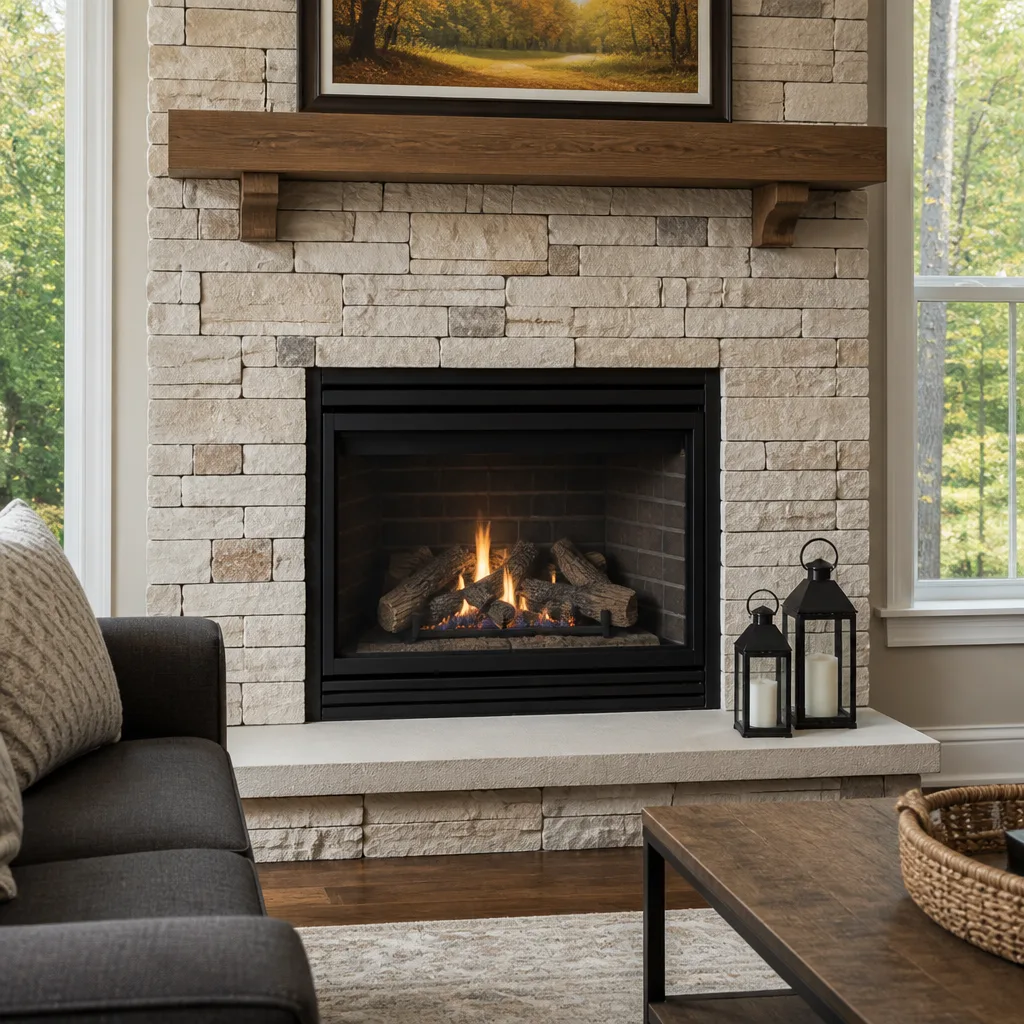 Gas fireplace service
Level 1 sweep and inspection to the NFPA 211 annual standard - flue, crown, cap, and flashing checked and photographed
Chimney sweep logs do not sweep chimneys. They loosen some creosote - which then falls where a brush and vacuum still have to collect it.
Gelco Flue Liner Replacement: The Brooklyn Owner’s Guide
We stock and install Gelco-compatible flue liner replacement in Brooklyn, with most standard single-story liner swaps running between $1,800 and $3,400 installed depending on the liner diameter, total flue height, and access from the roof or through the firebox. We carry common Gelco flex liner sizes on our trucks, so a straightforward replacement can often be scheduled within the week. Most Brooklyn homeowners discover their Gelco liner has failed during an annual sweep, when the brush comes back pulling flakes of rusted alloy, or when a level-two camera inspection shows a tear, separated seam, or pinhole corrosion that’s been quietly venting into the chase.
Which Gelco Models This Applies To
Gelco manufactures flexible stainless steel chimney liners in 316L and 316Ti alloys, and the replacement process we perform covers their common residential sizes: 4-inch, 5.5-inch, 6-inch, and 8-inch diameters in both smooth-wall and standard corrugated profiles. The compatibility gotcha we see often in Brooklyn: older Gelco liners in pre-war brownstones were frequently installed as uninsulated 4-inch liners venting converted coal fireplaces, and those are now too small by modern code for most gas inserts and open-burning stoves. An exact match isn’t always the right move. If you have the original install paperwork, the liner size is on the Gelco tag. No paperwork? We measure the existing liner ID through the firebox during a visual check, then confirm the flue height from the roof. We are an independent service provider, not affiliated with Gelco, and we’ll tell you plainly when an aftermarket 316Ti liner from HeatShield or DuraFlex does the same job at a better price.
Styles & brands we work with
Signs Your Gelco Flue Liner Replacement Is Failing
- Flaking metal in the firebox or on the smoke shelf. This is the most obvious sign: small curved slivers of stainless that match the corrugation pattern of your Gelco liner. It means the inner wall is oxidizing from condensation and flue gas exposure. The liner is thinning, not just dirty.
- Brown staining or dampness on the chimney chase wall. Water vapor is condensing inside the liner and seeping through pinholes into surrounding masonry or framing. While it can look like a roof leak near the chimney, in a Gelco setup it’s usually liner corrosion at a joint, especially after years of short fires that never got hot enough to push vapor all the way out.
- You see rust-colored dust in the cleanout door at the base of the chimney. Condensation inside a failing liner creates a mild acidic slurry that drips down and leaves residue. The dust is fine and bright, not the chunky black soot you’d sweep normally.
- The fireplace draws okay on cold days but smokes on mild ones. A liner with cracked seams or a partially collapsed section acts like a straw with a hole in it. It only works when atmospheric pressure does the heavy lifting. Brooklyn’s shoulder-season weather, mild and damp, is when this shows up first.
- Your CO monitor near the fireplace has chirped or shown elevated readings during burns. We won’t dramatize this, but a compromised liner is one of the few genuine carbon monoxide risks in a home chimney system. If that monitor has alarmed while the fireplace ran, stop burning until we or another sweep runs a camera through the liner.
See the difference
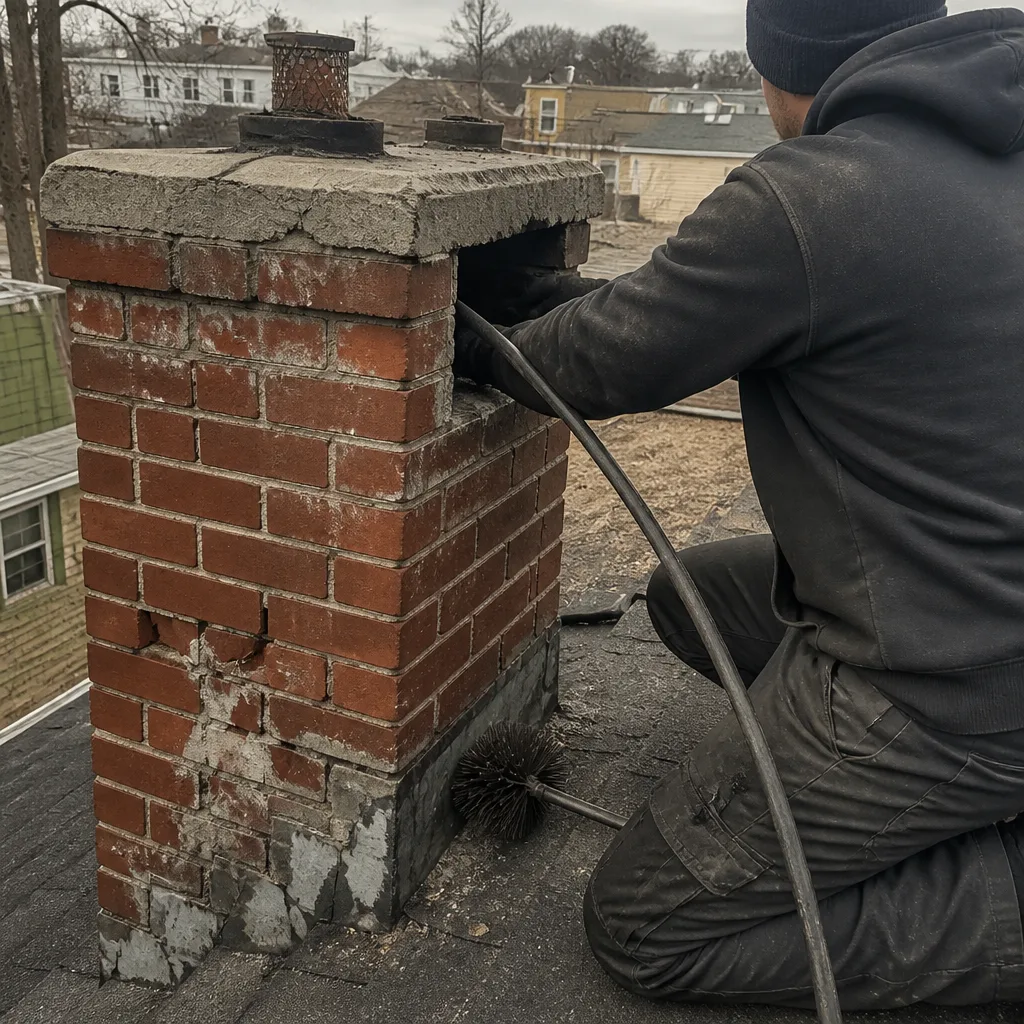 Before
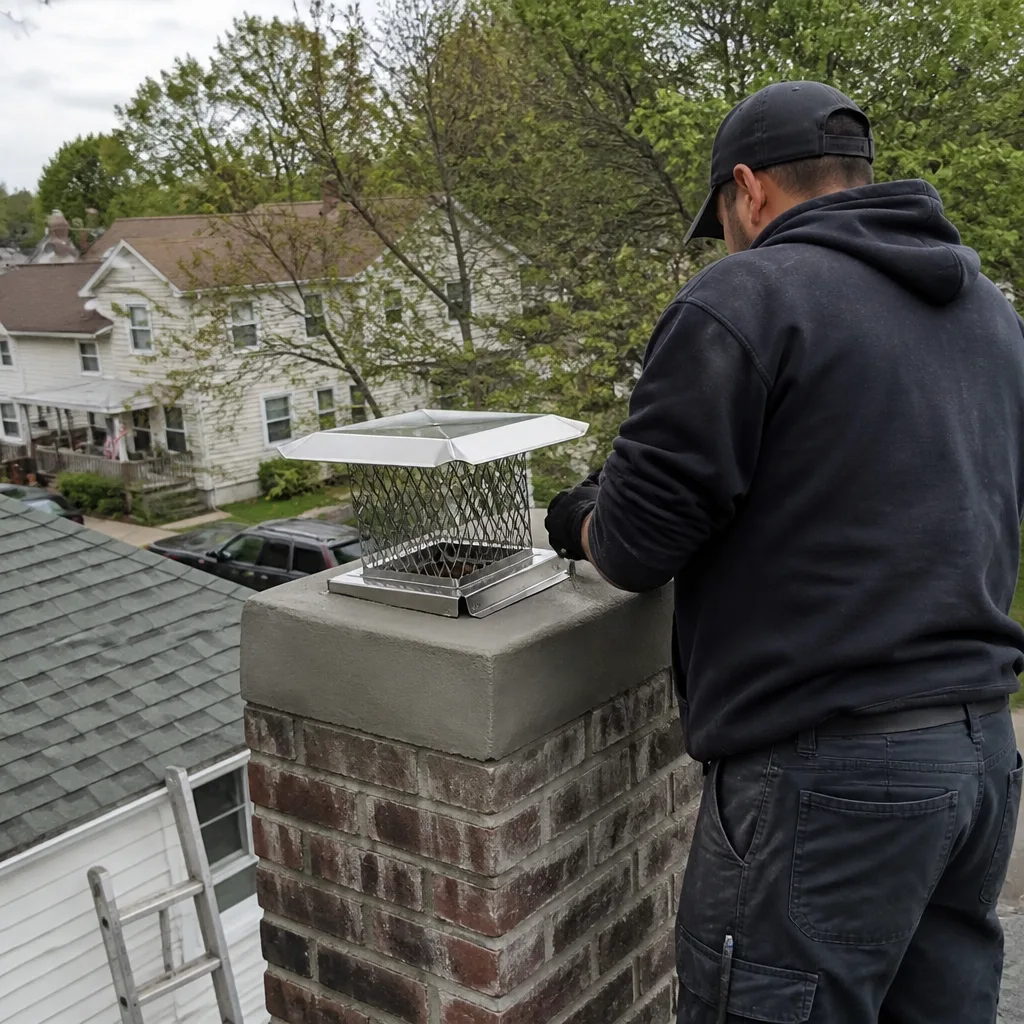 After
After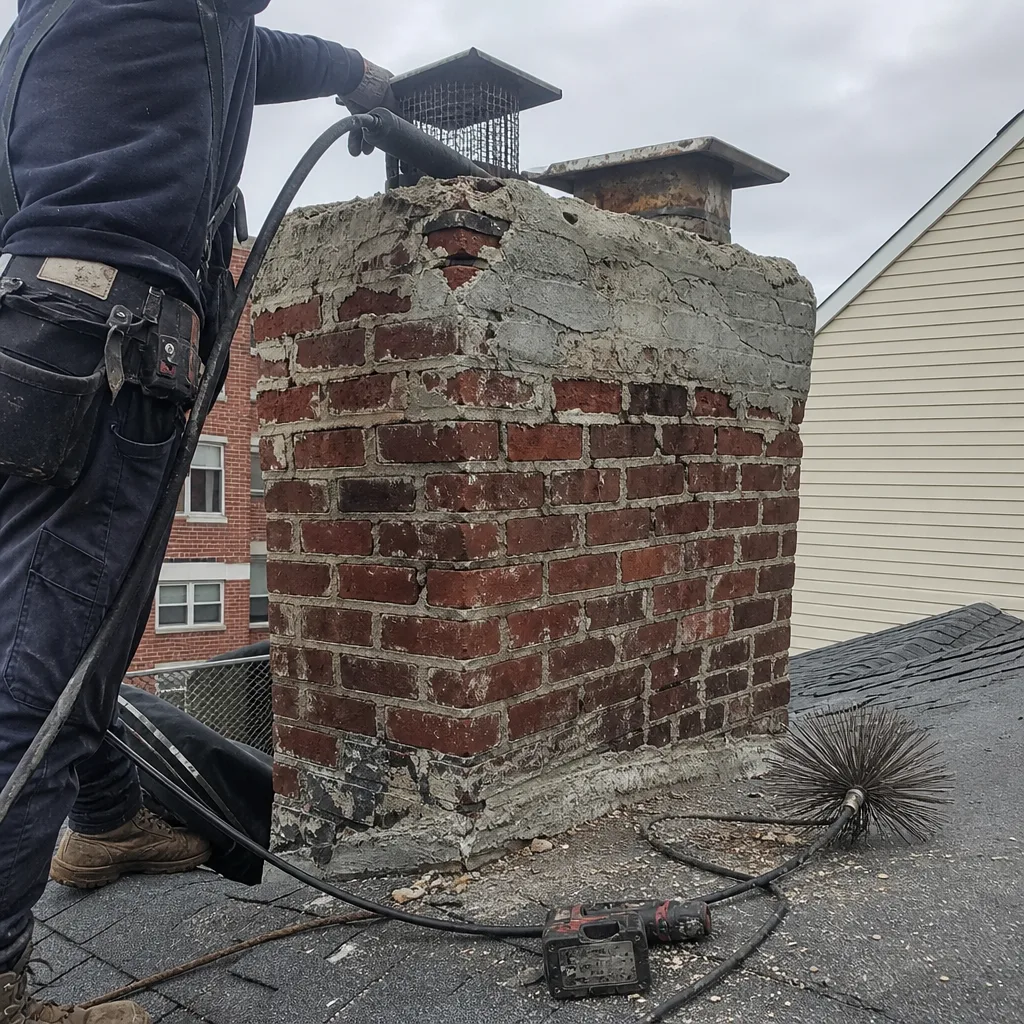 Before
 After
After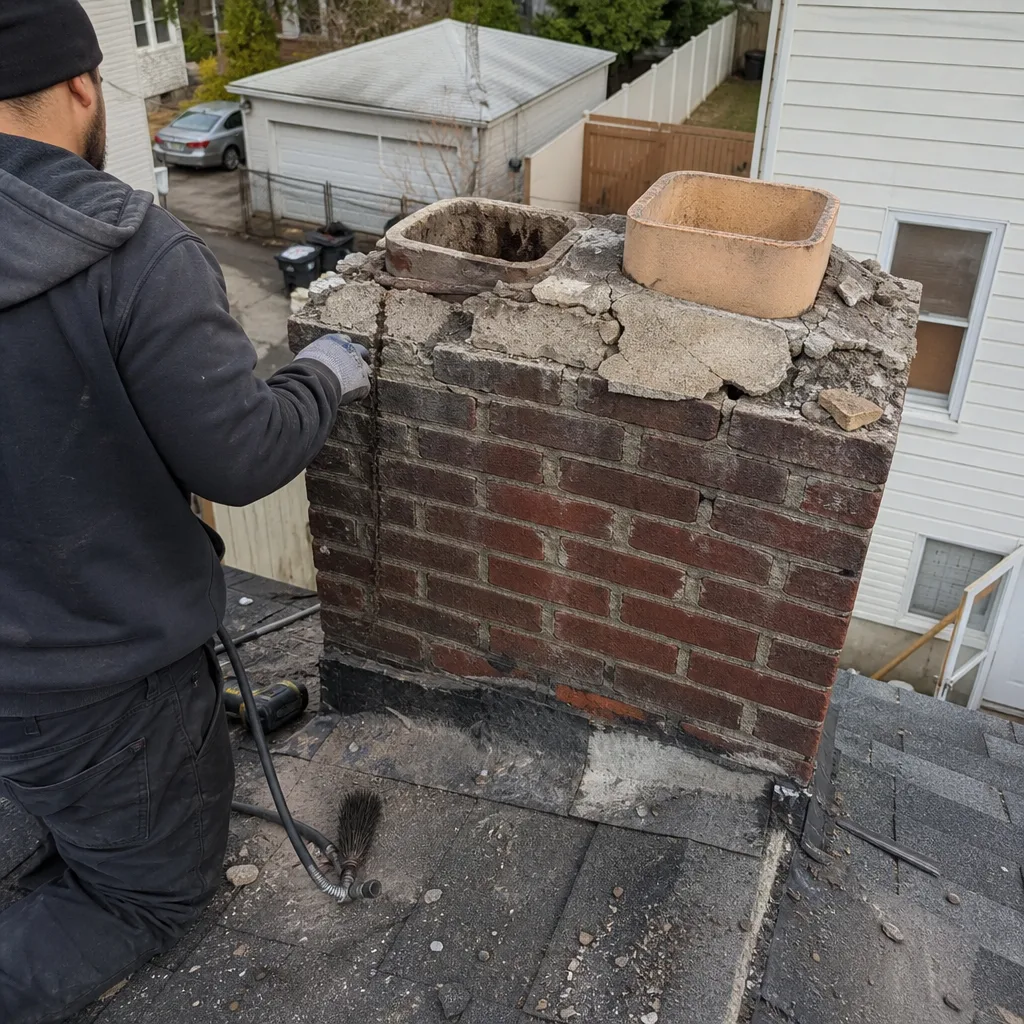 Before
 After
AfterReplacement Cost & What’s Included
A Gelco flue liner replacement in Brooklyn typically lands between $1,800 and $3,400 installed. What moves the number:
- Liner diameter and alloy. A 4-inch 316L liner for a small gas fireplace is the low end. An 8-inch 316Ti for a large wood-burning stove or open fireplace pushes the top.
- Flue height. A two-story Park Slope brownstone with a 35-foot flue needs more liner, more insulation wrap, and more roof time than a single-story in Bay Ridge.
- Access. Roof pitch, chimney crown condition, and whether we can pull the old liner from above or must work through the firebox all change labor. Some Brooklyn roofs are fine. Some are genuinely unkind to a crew hauling 40 pounds of steel.
- Insulation. Code now requires insulated liner in most exterior wall chases. We include a standard insulation wrap, and we’ll show you the temperature rating before we confirm anything.
Every quote is a written price before work begins. Every job includes removal of the old liner, a camera verification of the new one after install, a sweep to clear construction debris, and full clean-up with drop cloths through the work path and a photo of the clean-up before we leave. The work is covered under our 365-Day Done Right Promise: if it’s not right, we make it right.
DIY or Call Us?
What you can safely do: look for flaking metal in the firebox, check the cleanout for rust-colored dust, and confirm whether your CO monitor has triggered while the fireplace ran. Those three observations tell us a lot before we even climb up. What goes wrong when owners attempt a liner swap themselves: the old liner often breaks mid-pull inside the flue, a 35-foot coil of steel on a Brooklyn roof is genuinely dangerous to handle alone, and an improper seal at the appliance collar or top plate lets flue gas into the chase where you’ll never see it until a monitor complains. This is a job for a trained professional, on a roof, with the right cap and termination kit. If you’ve spotted any of the signs above, call us at (607) 695-6218 and we’ll work through what we’re seeing. Danny Cortes has handled liner inspections from Park Slope to Prospect Heights, and he’ll always start with what the camera shows before any dollar figure leaves his mouth.
FAQs
A properly sized and insulated Gelco liner in a Brooklyn chimney should last 15 to 20 years, but uninsulated liners venting gas appliances through exterior masonry in our damp winters can corrode in 10 to 12. The Brooklyn variable is condensation: our winters are not consistently cold enough to keep flue gas hot until it exits, so vapor cools inside the liner and sits against the steel. Insulation is the single biggest factor in lifespan. If you’re not sure whether yours was insulated, call (607) 695-6218 and we’ll confirm it with a camera.
Small isolated pinholes at a joint can sometimes be repaired with a stainless steel patch kit, but if corrosion is widespread or the liner shows more than two or three compromised spots along its length, a repair becomes patchwork on patchwork and we’ll tell you honestly that replacement is the better use of your money. Brooklyn chimneys rarely give us a single clean failure point to fix; they give us steady, even thinning from years of condensation cycles.
A typical single-family Brooklyn Gelco liner replacement takes one full work day, from arrival to final camera verification and clean-up. On rare jobs with complicated roof access or a stuck old liner that has to be extracted in pieces, we may be back the following morning to finish the termination cap and test the draft.
We keep common Gelco-compatible flex liner sizes, 4-inch through 6-inch, stocked along with insulation wrap and termination kits, so most jobs don’t need a separate parts order or a second visit. For 8-inch or specialized smooth-wall liners we’ll pull one from our supplier the same week, and the price we quote includes that ordering time. You won’t need to buy anything yourself, and we’ll never ask you to.
Written by Danny Cortes, Owner, Kindling Chimney Brooklyn at Kindling Chimney Brooklyn, serving Brooklyn and nearby areas.