
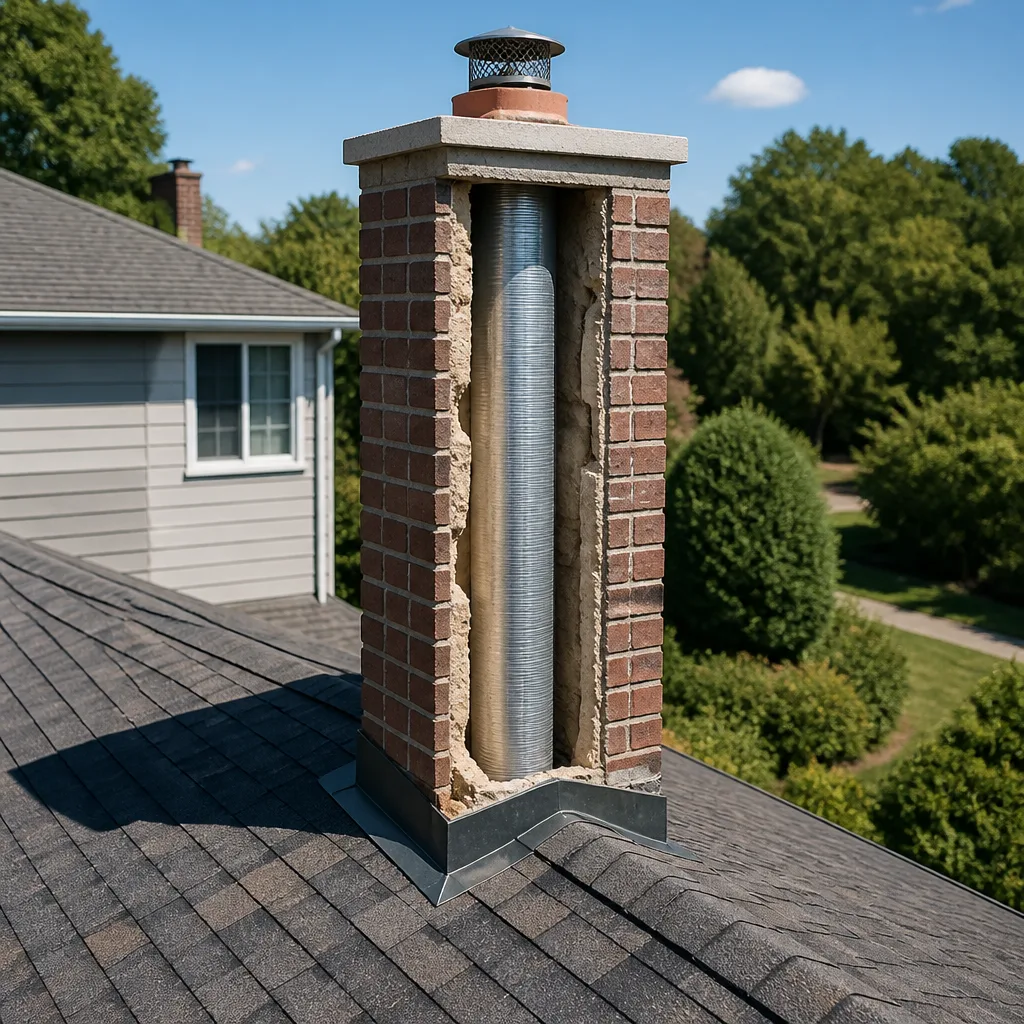
 Flue relining
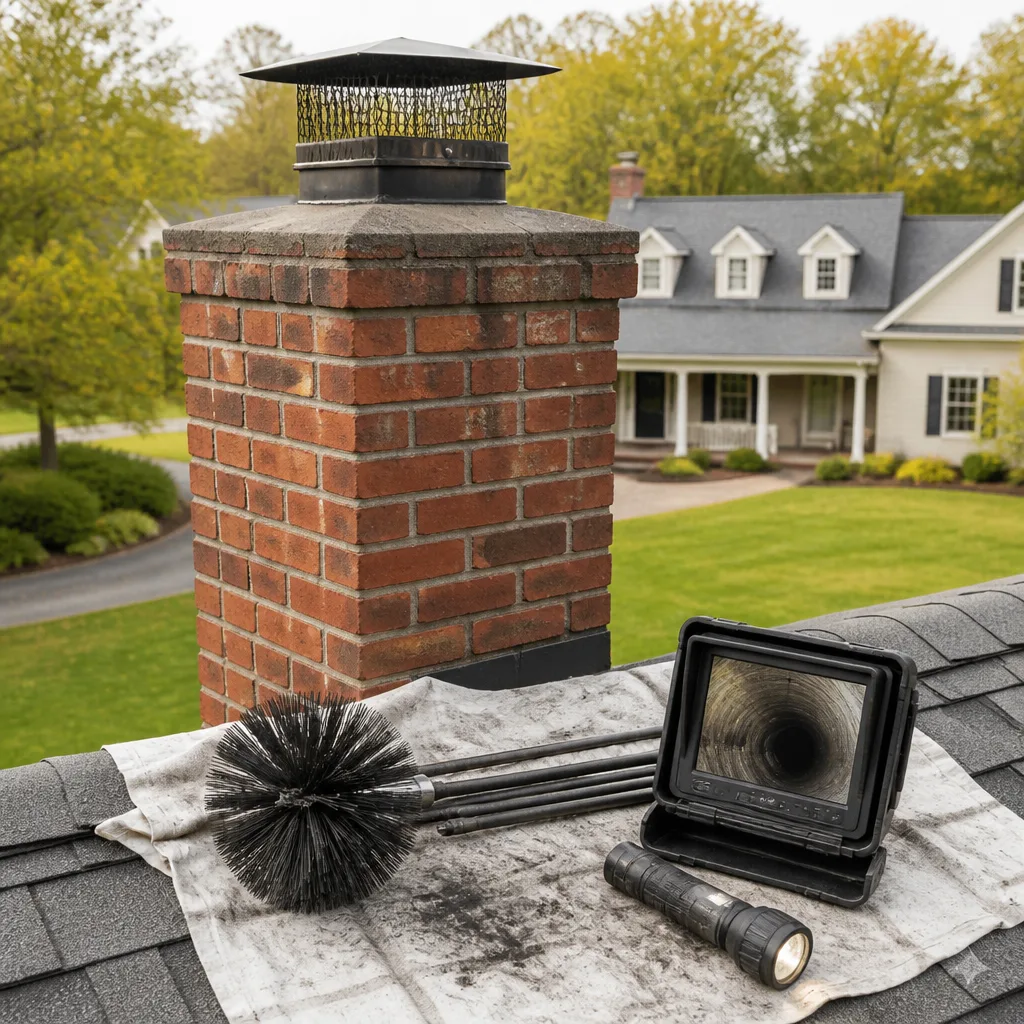 Sweep & inspection
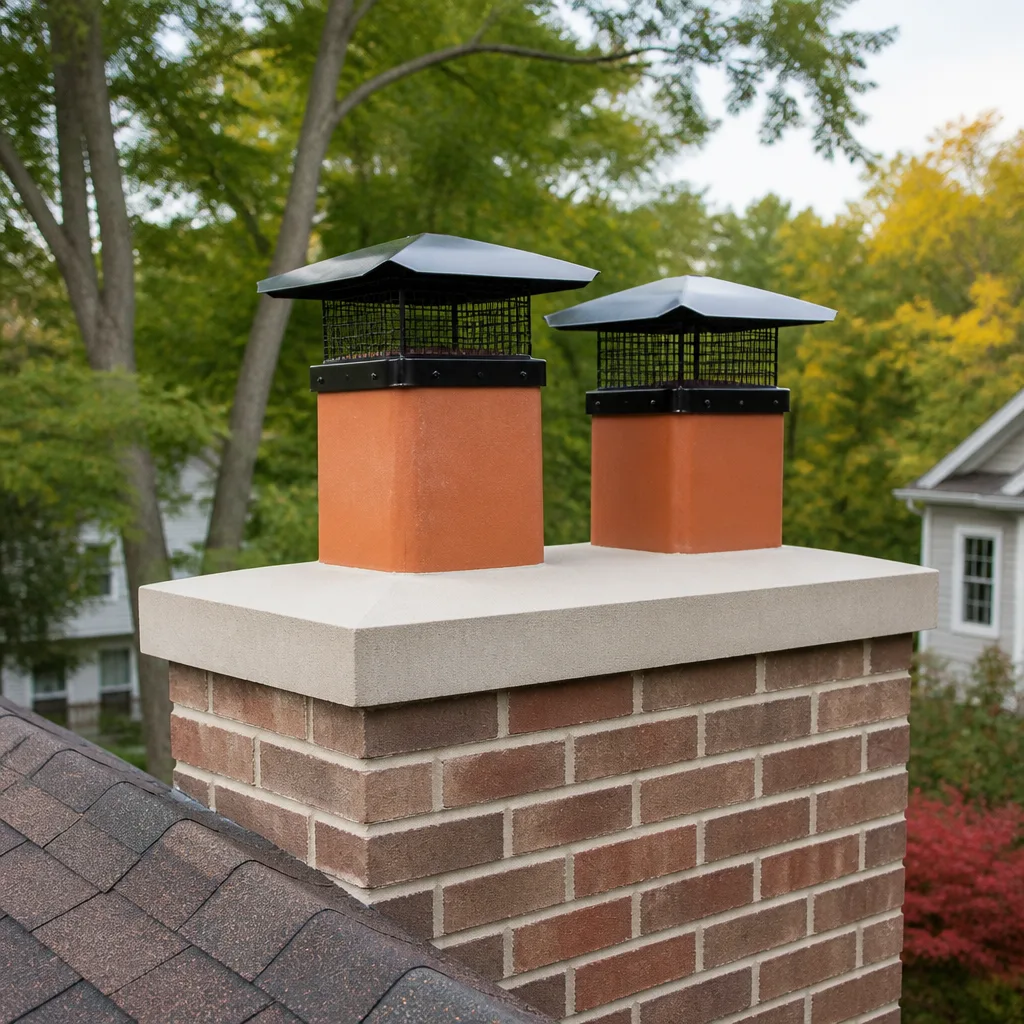 Caps & crowns
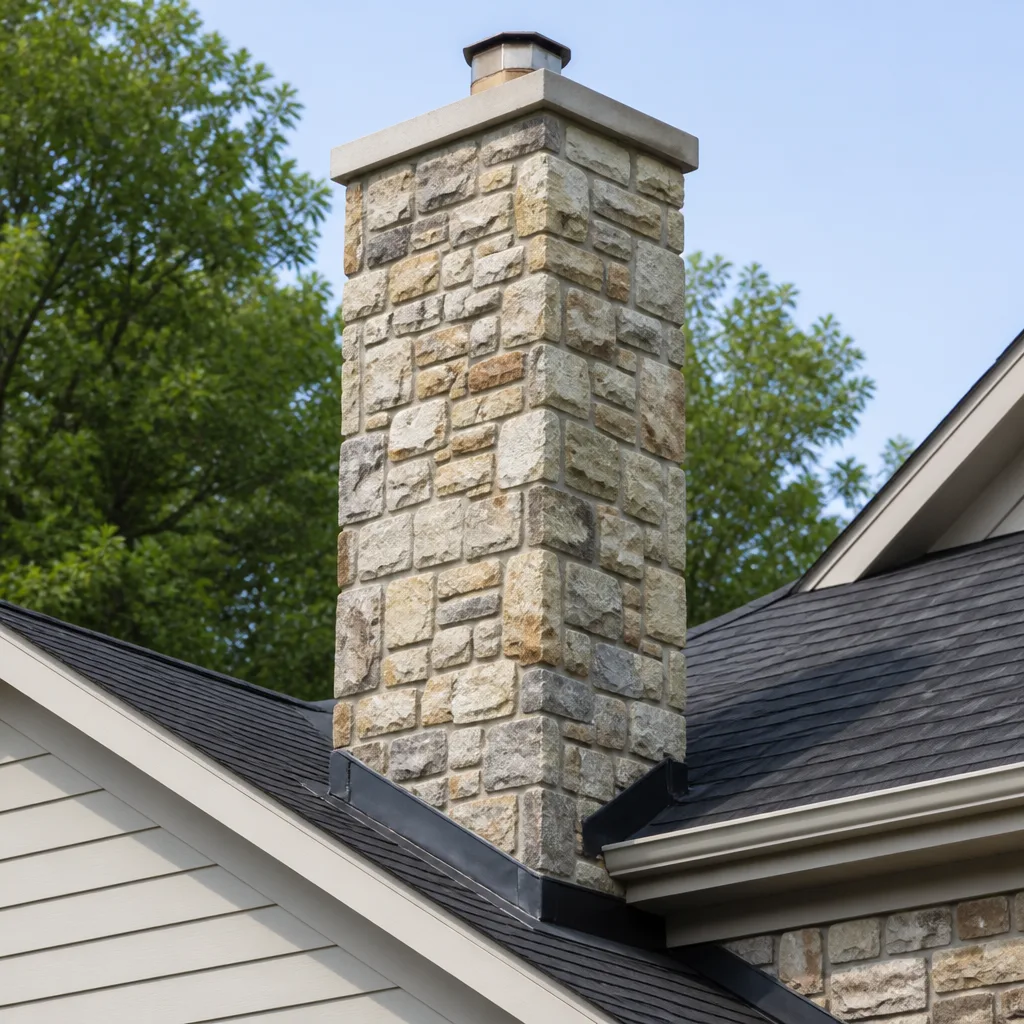 Masonry repair
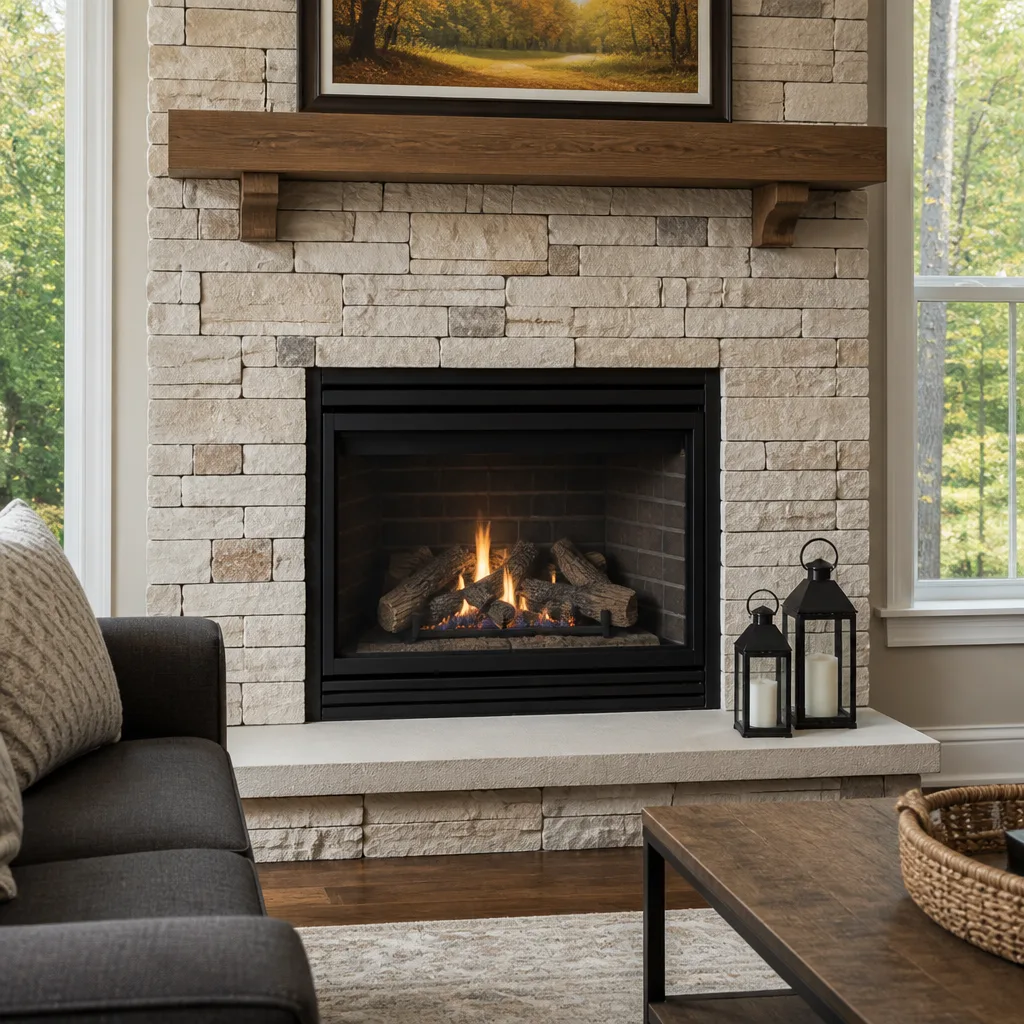 Gas fireplace service
Level 1 sweep and inspection to the NFPA 211 annual standard - flue, crown, cap, and flashing checked and photographed
Chimney sweep logs do not sweep chimneys. They loosen some creosote - which then falls where a brush and vacuum still have to collect it.
Famco Flue Liner Replacement: The Brooklyn Owner’s Guide
If your Famco flue liner has cracked, warped, or separated at a seam, a replacement installed in Brooklyn typically runs between $850 and $2,400 depending on liner diameter, length, and how much of the existing connector hardware can be reused. We stock Famco-compatible liners on the truck for the most common residential sizes, which means most replacements are completed same-day, not scheduled weeks out. Where owners usually discover the problem is during a sweep: the brush catches on a split seam, or our camera shows a liner section that has pulled apart just above the appliance outlet, leaving the connector pipe doing a job it was never meant to do.
Which Famco Models This Applies To
Famco manufactures appliance connectors and flue liners used across a wide range of gas and oil heating systems, and the replacement path depends on which series you have. The most common in Brooklyn brownstones and pre-war buildings are the Famco 4-inch and 5-inch round connector liners with rolled seams, along with the oval-to-round transitions that feed into masonry chimney tiles. Before calling, look at the label tag on the existing liner or connector: it will list a diameter in inches and sometimes a gauge (typically 26-gauge for residential, 24-gauge for commercial or high-temp oil applications). If the tag is missing, measure the inside diameter of the pipe where it enters the appliance, not the outside, since rolled seams can add a quarter inch. On the OEM-versus-aftermarket question: Famco parts are galvanized steel, and a quality domestic aftermarket liner in the same gauge and diameter performs identically. The fit decision matters more than the label. What you don’t want is an undersized liner, which creates backpressure and dramatically shortens the life of both the liner and the appliance.
Styles & brands we work with
Signs Your Famco Flue Liner Replacement Is Failing
- Rust streaks or flaking metal on the liner surface. Brooklyn’s humid summers and salt air near the waterfront accelerate galvanized steel corrosion. Once the zinc coating is compromised, rust pinholes follow within two to three heating seasons.
- A metallic popping or ticking sound when the system heats up. This is the liner expanding and contracting at a weakened seam. Seams on older Famco liners tend to fail before the surrounding metal, and the sound will get more pronounced each season.
- Soot or dust collecting around the base of the appliance. A separated seam lets combustion byproducts escape before they reach the chimney. You’ll see a fine dark residue on the floor or on the top of the unit where oil or gas equipment vents through the liner.
- Exhaust odor in the room when the appliance first fires. Before the liner heats up and the draft strengthens, gaps in the metal allow exhaust to spill into the living space. This is not normal startup behavior; it’s a sign the liner has opened somewhere.
- Visible separation at a liner joint or connector joint. A flashlight will show it. Joints on Famco liners are designed to stay tight under heat, but over decades in a Brooklyn basement with variable moisture, they can relax and pull apart by an eighth of an inch or more. That gap is enough to let exhaust escape.
See the difference
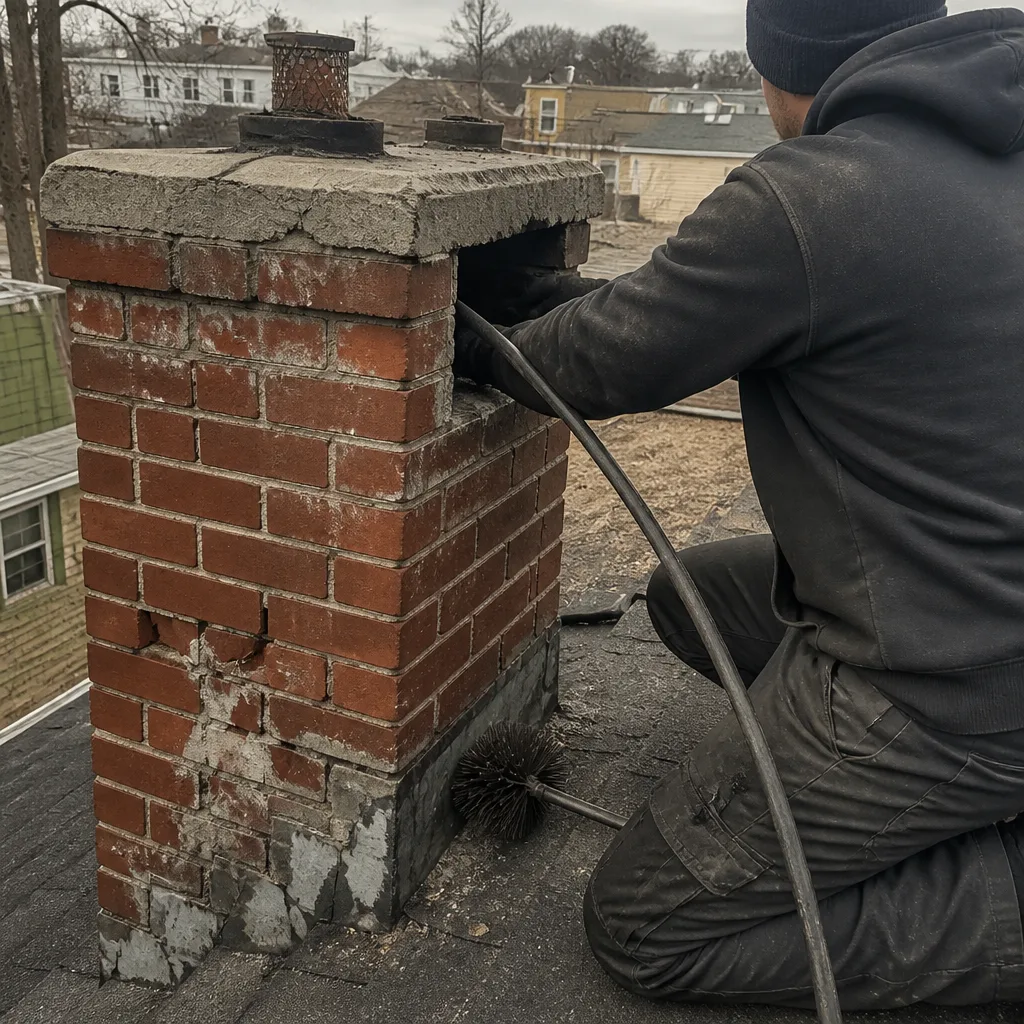 Before
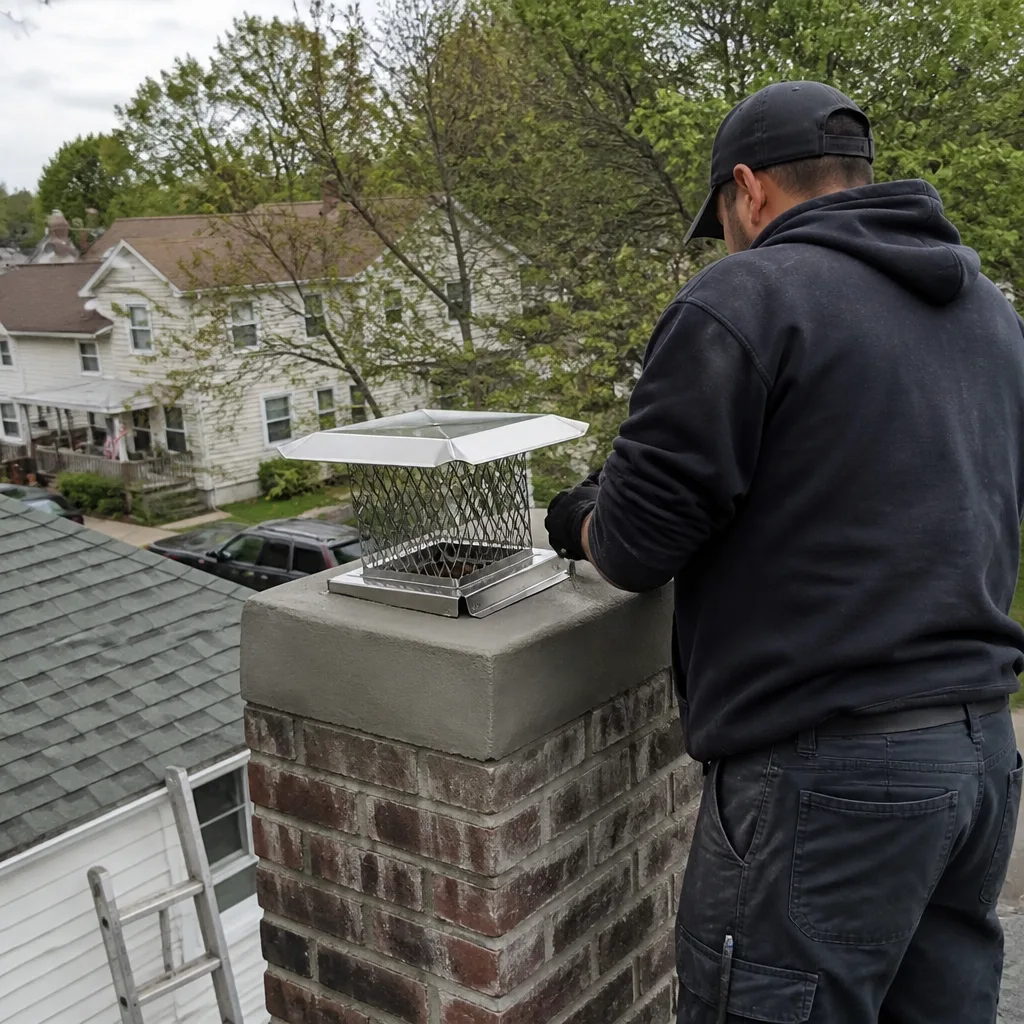 After
After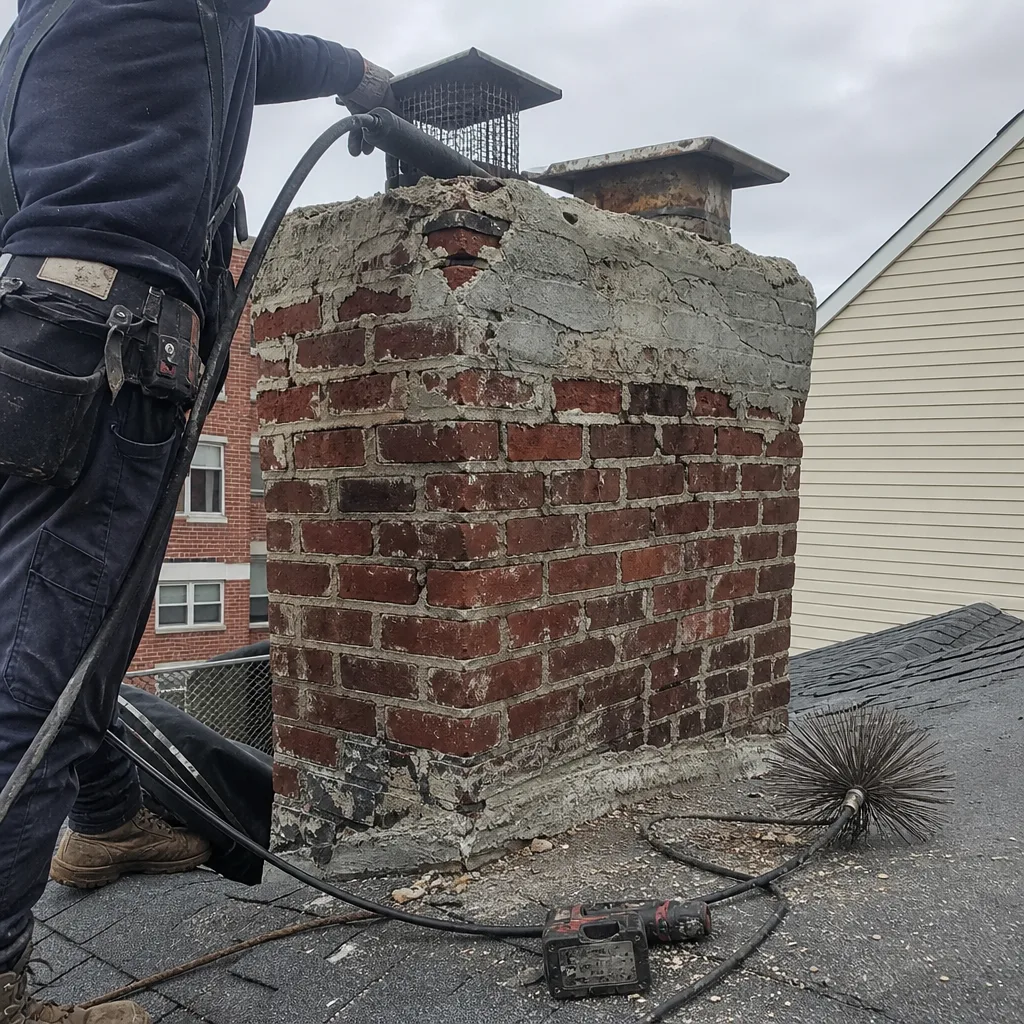 Before
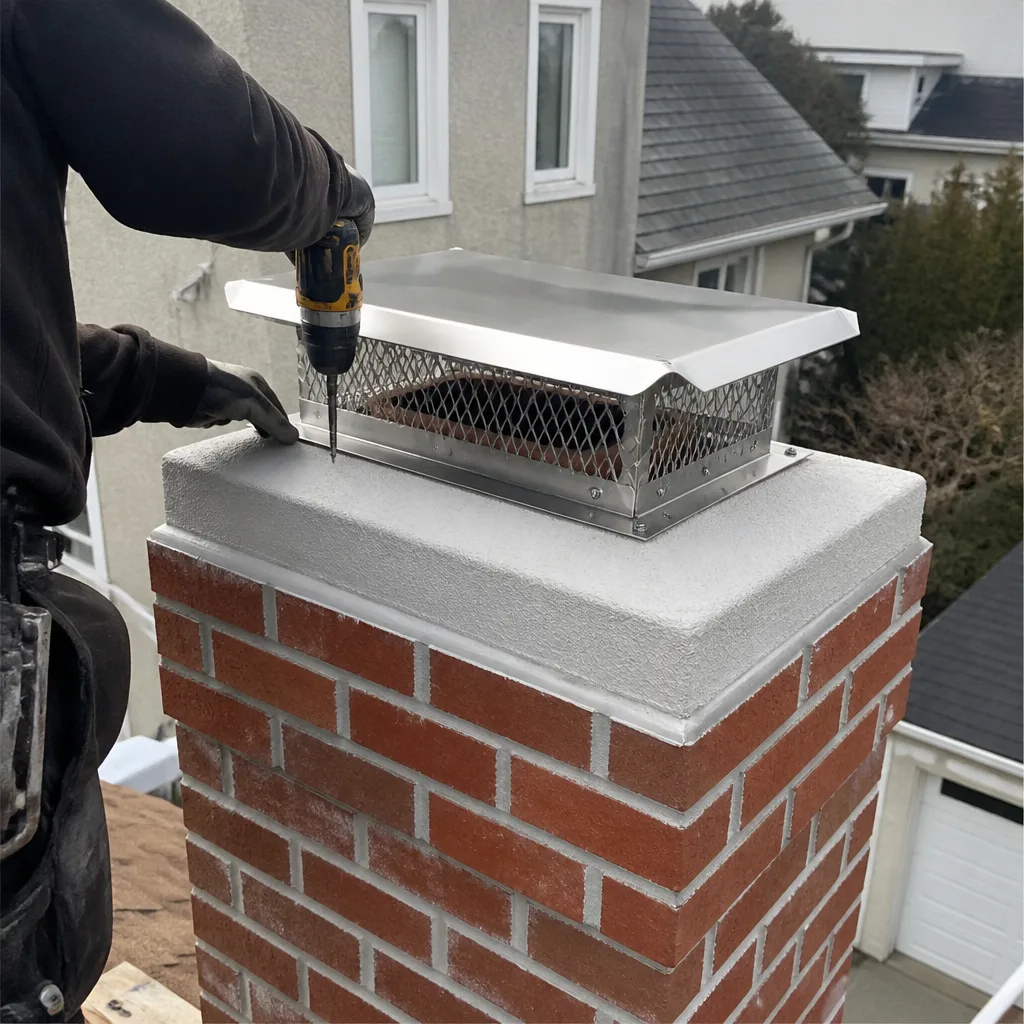 After
After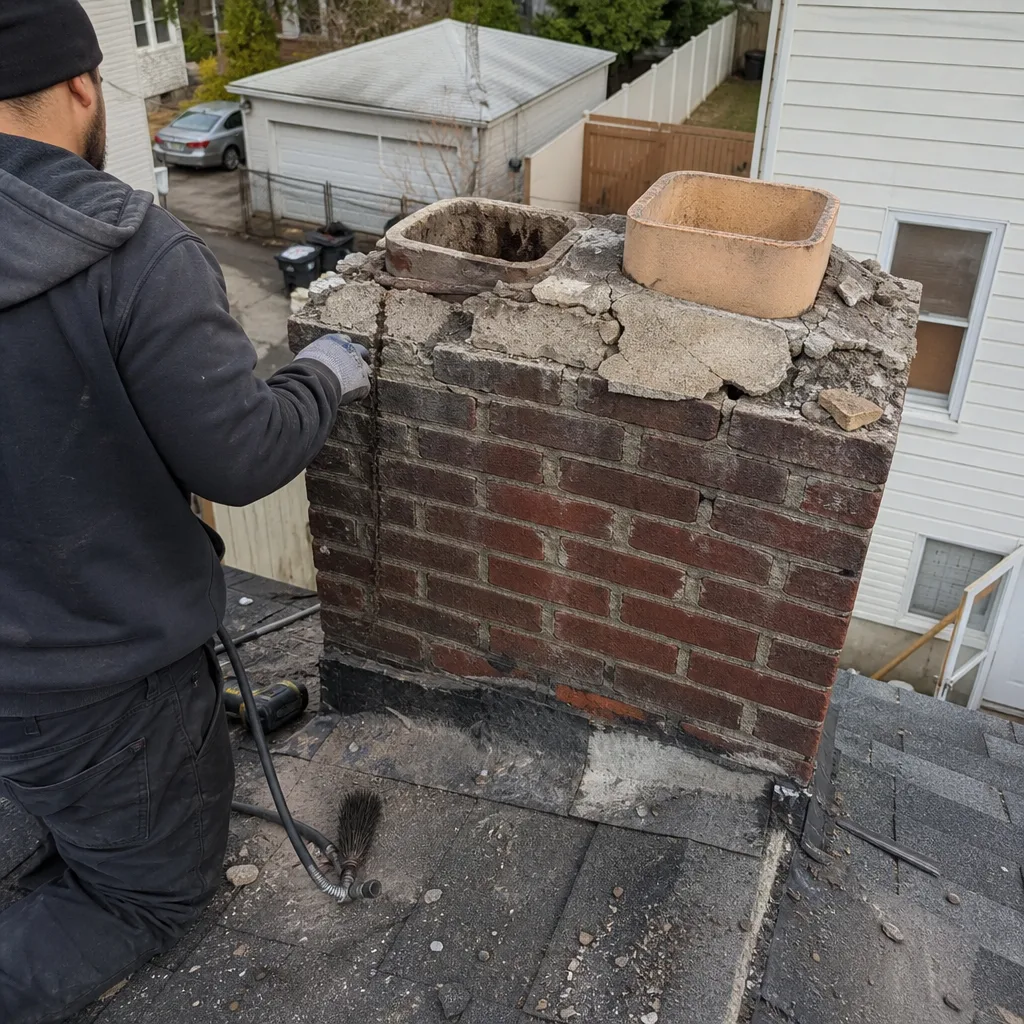 Before
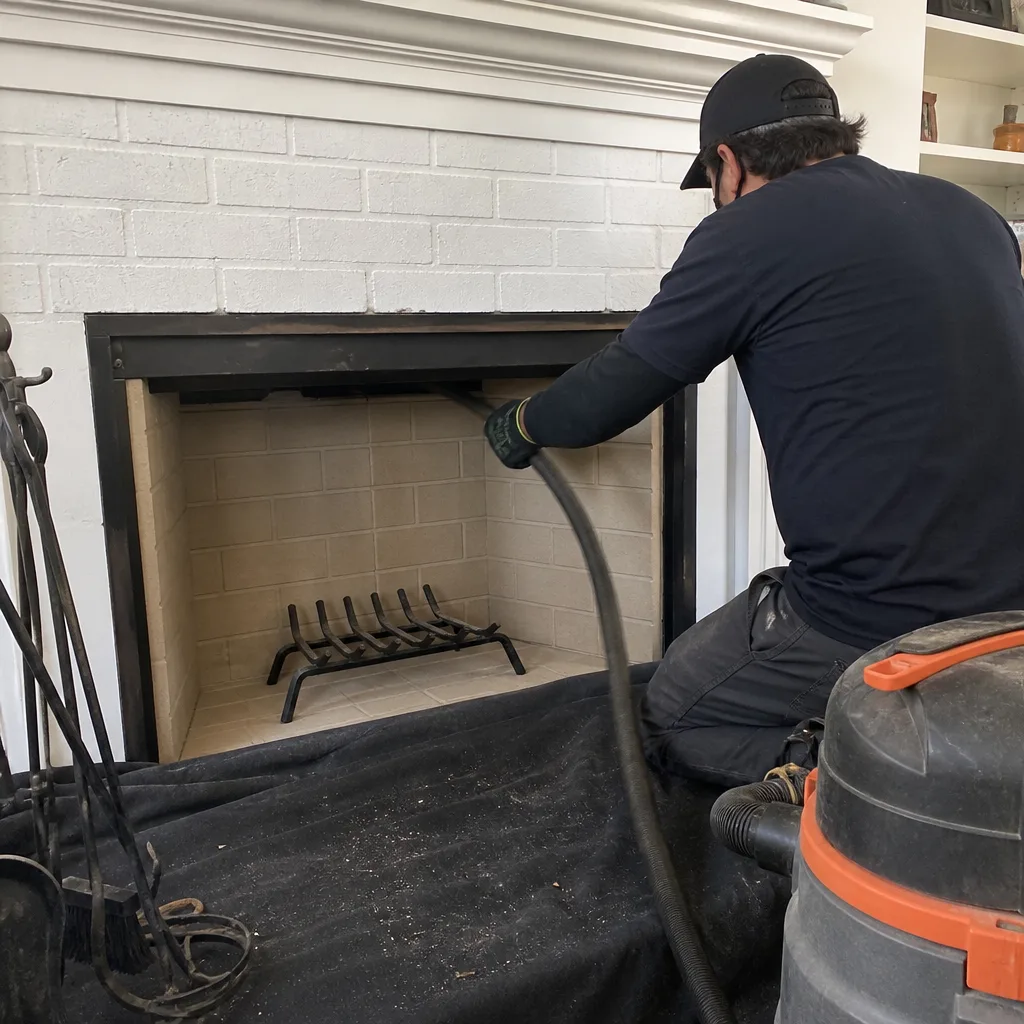 After
AfterReplacement Cost & What’s Included
For a straightforward Famco flue liner replacement in a typical Brooklyn home, expect $850 to $1,600 when the liner diameter is 4 or 5 inches and the run is under 15 feet. Larger-diameter liners, longer runs, or conversions from older riveted connectors to modern snap-lock styles can push the total to $1,800 to $2,400. The price includes the liner sections, any required elbows or transitions, sheet-metal screws, seam sealing, removal and disposal of the old liner, and a camera verification after installation so you can see the completed run yourself. We write the exact number down before any work starts, and that’s the number you pay. Labor and parts are itemized on the same sheet. Every replacement is covered by our 365-Day Done Right Promise: if the seam shifts, the liner warps, or the fit isn’t right, we come back and make it right at no charge.
DIY or Call Us?
A Famco liner replacement is not high-tension work like garage springs, and you won’t be electrocuted by it. But it is a combustion-safety component. A liner that leaks exhaust into a Brooklyn basement, particularly overnight when windows are closed, creates a carbon monoxide risk you cannot see or smell. What an owner can safely do is inspect: pull the access panel, look at the liner with a flashlight, and check for rust, separation, or debris in the pipe. If you find damage, stop there. The replacement involves matching the gauge and diameter, cutting sections to length, seating seams correctly, and confirming the draft with a meter after installation. A seam that looks tight but isn’t seated will leak. If you want the job inspected, priced, and finished the same day by a crew that lays down drop cloths and leaves your Brooklyn basement cleaner than they found it, call Danny and the team at (607) 695-6218.
FAQs
In Brooklyn’s climate, a galvanized Famco liner typically lasts 15 to 25 years before a replacement is needed, though salt air in waterfront neighborhoods like Red Hook or Sheepshead Bay can bring that down to 10 to 15 years. The biggest variable is how often the appliance runs and whether condensation sits inside the liner between cycles. A camera inspection will tell you exactly where yours stands.
In most cases, no. Seam separation and rust-through are not repairable in a way that restores safe function, and patching with tape or high-temp sealant is a temporary measure that fails within a season. If the damage is limited to a single connection joint, we may be able to replace one section rather than the whole run. The camera will show us whether a partial replacement is possible, and the written price will reflect exactly what was done.
Most Famco flue liner replacements in Brooklyn are completed in two to four hours, including removal of the old liner, cutting and fitting the new sections, and a camera check afterward. If the run is unusually long or access is tight (common in older Brooklyn basements with low ceilings), we’ll tell you that when we give you the written price, before any work begins.
We stock Famco-compatible liners on the truck in 4-inch and 5-inch diameters, which covers the majority of residential systems in Brooklyn. For larger or oval transition pieces, we pull from our local supplier network the same day in most cases. Call (607) 695-6218 and tell us the diameter and length you need, and we can usually confirm availability on the phone before we even schedule the visit.
Written by Danny Cortes, Owner, Kindling Chimney Brooklyn at Kindling Chimney Brooklyn, serving Brooklyn and nearby areas.