
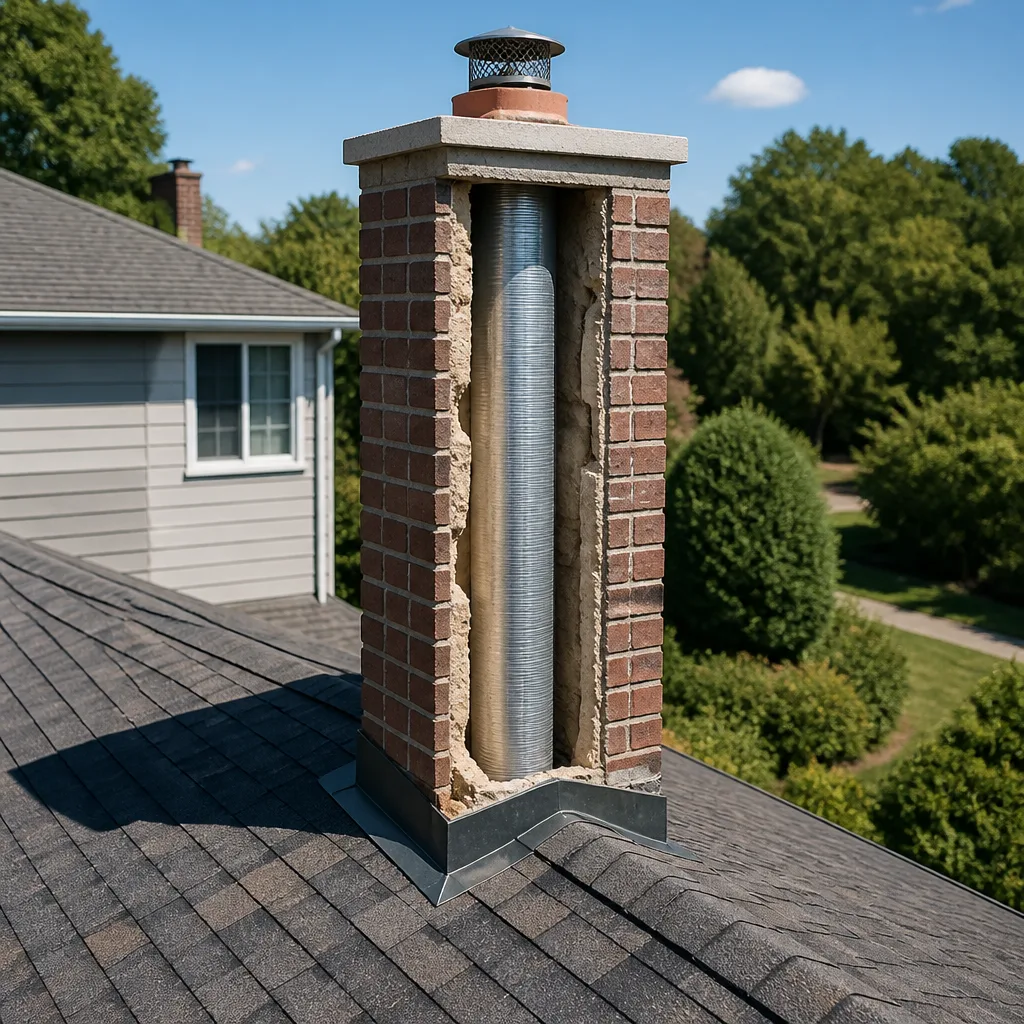
 Flue relining
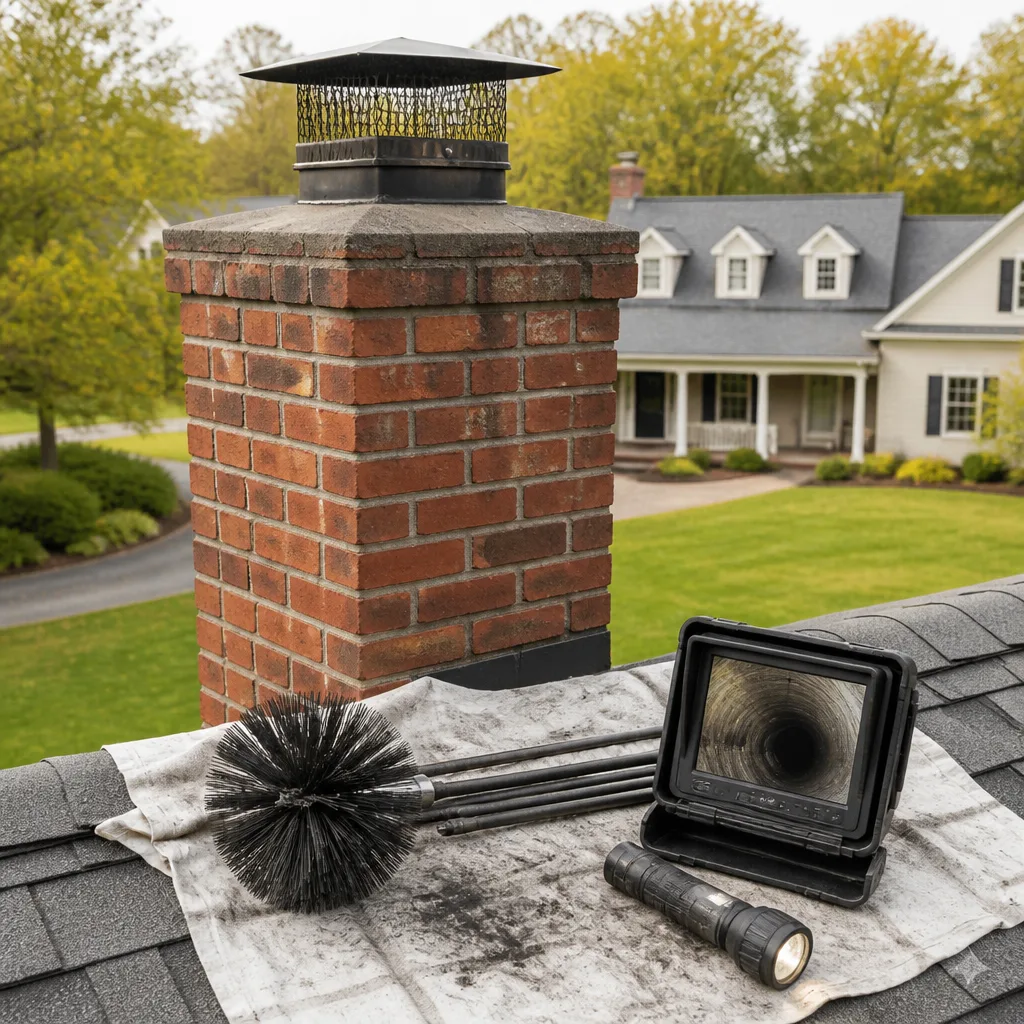 Sweep & inspection
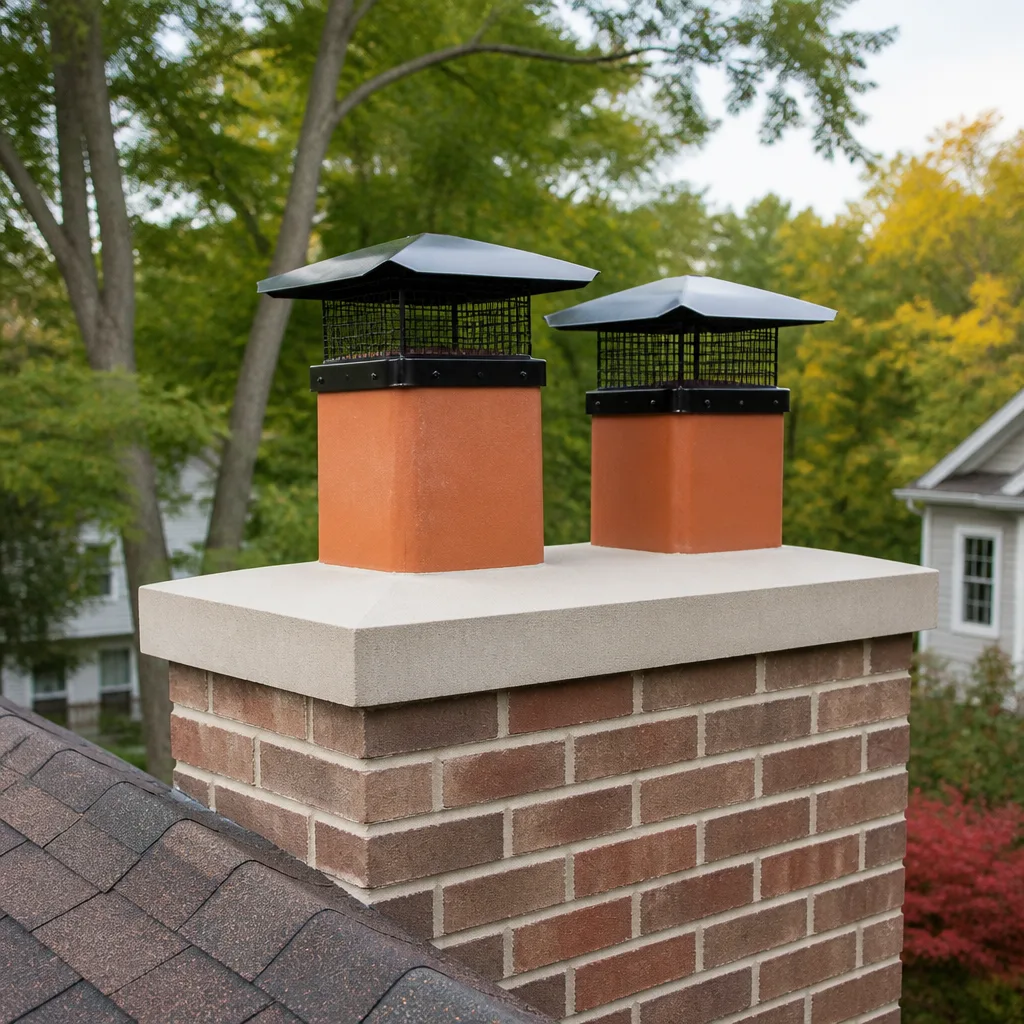 Caps & crowns
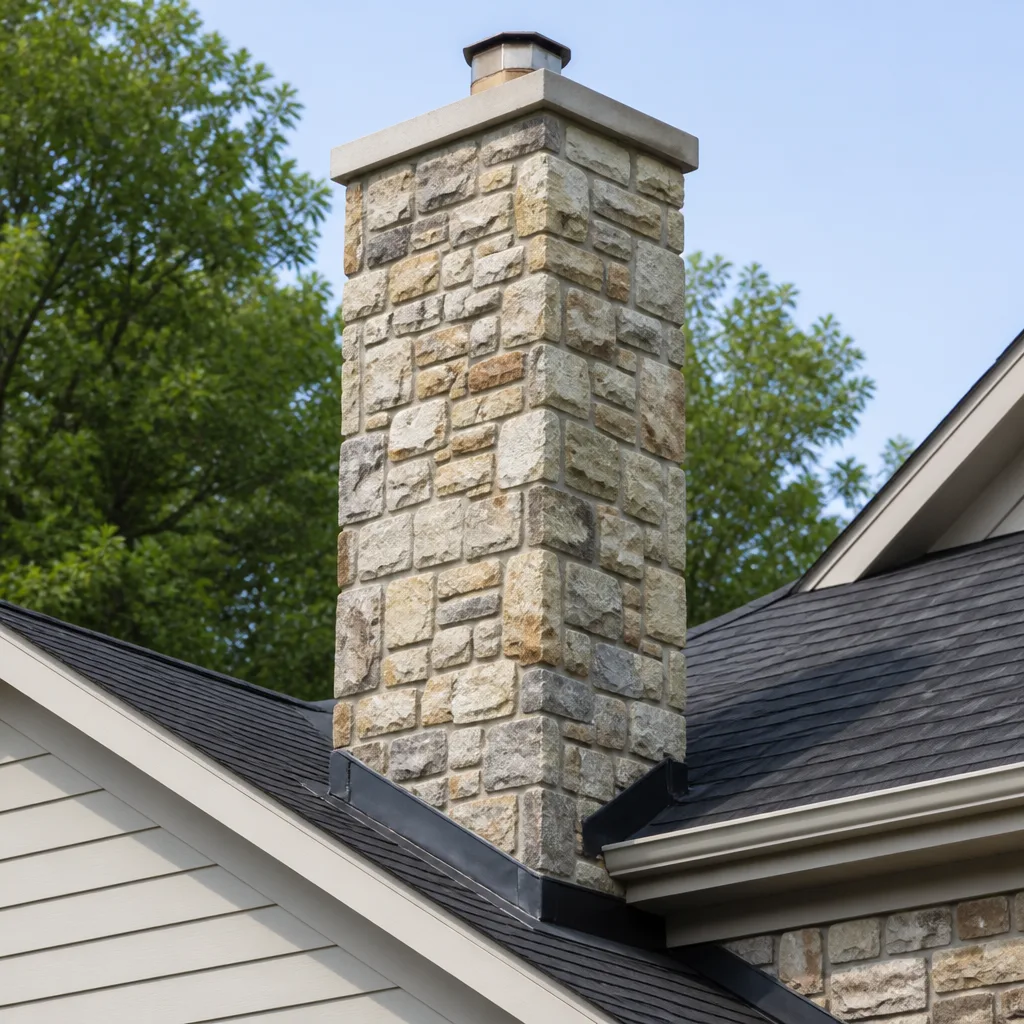 Masonry repair
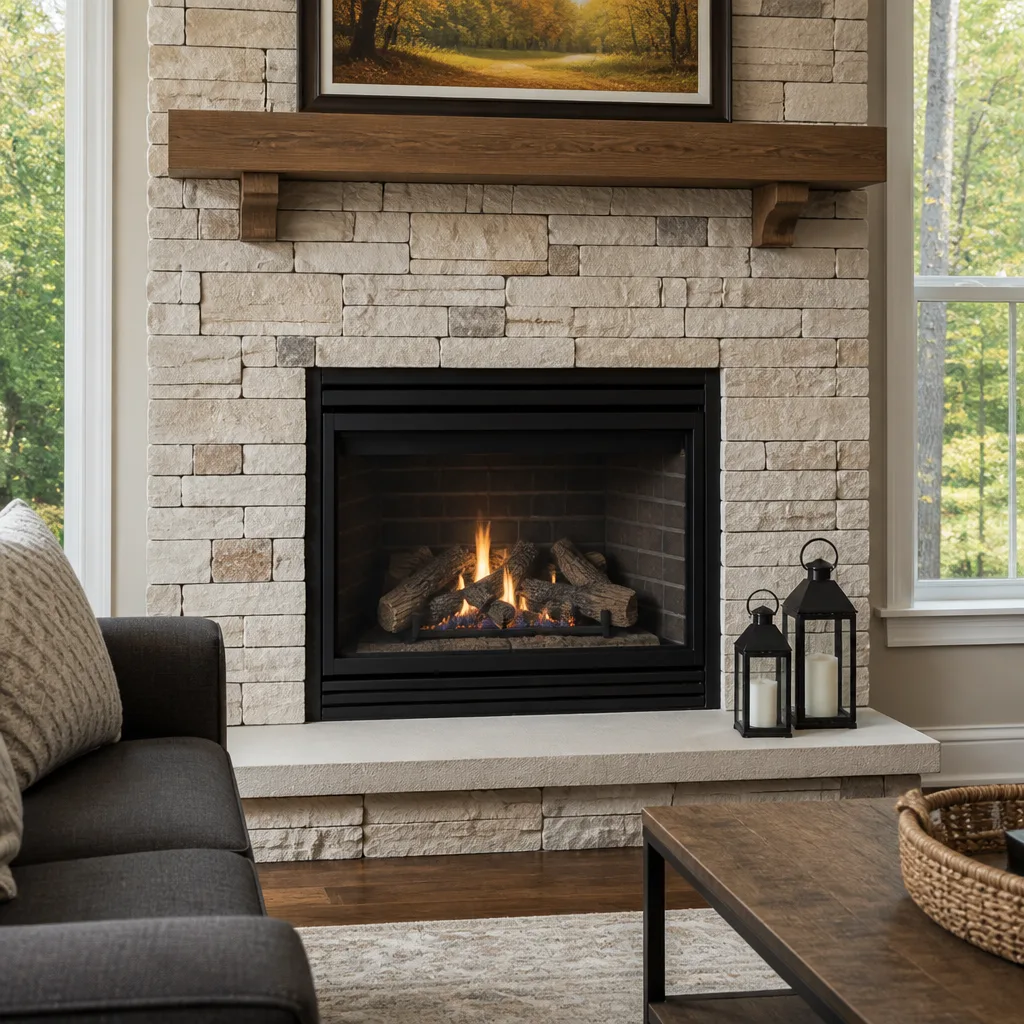 Gas fireplace service
Level 1 sweep and inspection to the NFPA 211 annual standard - flue, crown, cap, and flashing checked and photographed
Chimney sweep logs do not sweep chimneys. They loosen some creosote - which then falls where a brush and vacuum still have to collect it.
DuraFlex Flue Liner Replacement: The Brooklyn Owner’s Guide
If your DuraFlex liner has a cracked seam, a separated coupling, or corrosion eating through the flex pipe, we can replace it. Most DuraFlex flue liner replacements in Brooklyn run between $1,800 and $4,200 installed, depending on the liner length, diameter, and whether the old liner fights us on the way out. We stock DuraFlex-compatible replacement parts on our trucks, which means most swaps happen in a single visit, not three.
Here’s how most Brooklyn homeowners figure out the liner failed: they smell wood smoke in a room that isn’t the living room, they notice white flakes falling into the firebox, or their last Level 2 inspection came back with photos showing a tear. Sometimes it’s quieter than that. A liner can crack behind the damper plate and sit there for a whole season before anyone notices. That’s why we photograph everything and show you the images on the spot.
Key Takeaways
- We replace DuraFlex liners with genuine DuraFlex or spec-matched aftermarket components, never a generic “whatever’s on the shelf” substitute.
- Your written price comes before any work begins, including the liner type, length, and labor.
- Every replacement includes the Cedarwell Care Promise: shoe covers, drop cloths, and a photo of the clean-up before we leave.
- If the liner is still safe, we’ll tell you. We do not recommend replacement unless camera evidence shows it’s needed.
Which DuraFlex Models This Applies To
DuraFlex makes their liners in a few series that look similar but don’t always interchange. The most common in Brooklyn’s pre-war brownstones and mid-century rowhouses are the DuraFlex 316L alloy liners for wood and pellet stoves, the DuraFlex Pro for high-efficiency gas appliances, and the heavier DuraFlex 304 alloy for coal and oil. Each has a different wall thickness and temperature rating. A 316L liner in a gas application might be overkill but safe; a Pro liner in a wood stove is not, and we’ll flag that before quoting anything.
The gotcha most people miss: DuraFlex liners are stamped with their diameter and alloy along the outer ribbing, but fifty years of soot can hide those markings. If you can’t read the stamp, we measure the inside diameter and the wall thickness with a caliper on site. The aftermarket question matters here. DuraFlex’s own replacement liners are well made, but there are spec-matched aftermarket stems from Gelco and HeatShield that we use when they fit the application exactly. If your liner is still under a DuraFlex manufacturer’s warranty, we’ll tell you how that process looks, but Kindling Chimney Brooklyn is an independent service provider. We are not a DuraFlex dealer or warranty center.
One Brooklyn-specific durability note: salt air from the harbor doesn’t reach most of the borough, but the humidity swings in basements and near the Gowanus absolutely do. A stainless liner that would last twenty years in Arizona might show pitting after twelve to fifteen in a damp Brooklyn cellar or an unlined masonry chase. We see it most often on liners that run through an exterior chimney wall, where freeze-thaw cycles do the same thing to the masonry around the liner.
Styles & brands we work with
Signs Your DuraFlex Flue Liner Replacement Is Failing
- Flakes or scales in the firebox: When the inner wall of a flex liner starts spalling, small bits of oxidized stainless drop down into the firebox. They look like silver or rust-colored confetti. That’s the liner eroding from the inside, usually due to condensation mixing with creosote acids.
- Smoke smell in upper rooms or adjoining walls: A liner with a torn seam lets exhaust bleed into the chimney cavity instead of the flue outlet. If kids’ bedrooms on the second floor smell faintly of last night’s fire, the liner is a likely route.
- Water streaks or rust staining on the fireplace face: Flex liners should be watertight. When a seam separates, rain finds it. Streaks that keep returning after the rain stops usually mean the liner, not the cap, is the entry point.
- Visible sagging or bulging when inspected with a camera: During a Level 2 inspection, we sometimes see the liner has shifted or bellied partway down the chimney. That’s a mechanical failure, not just wear. It changes how the replacement has to be pulled and relined.
- The appliance burns differently than it used to: A wood stove that suddenly needs the air control wide open to keep a flame going may have a draft problem, and a compromised liner is one of the first things we check. It’s not always the liner, but it’s faster to rule it out than to keep feeding a stove that’s not drafting right.
See the difference
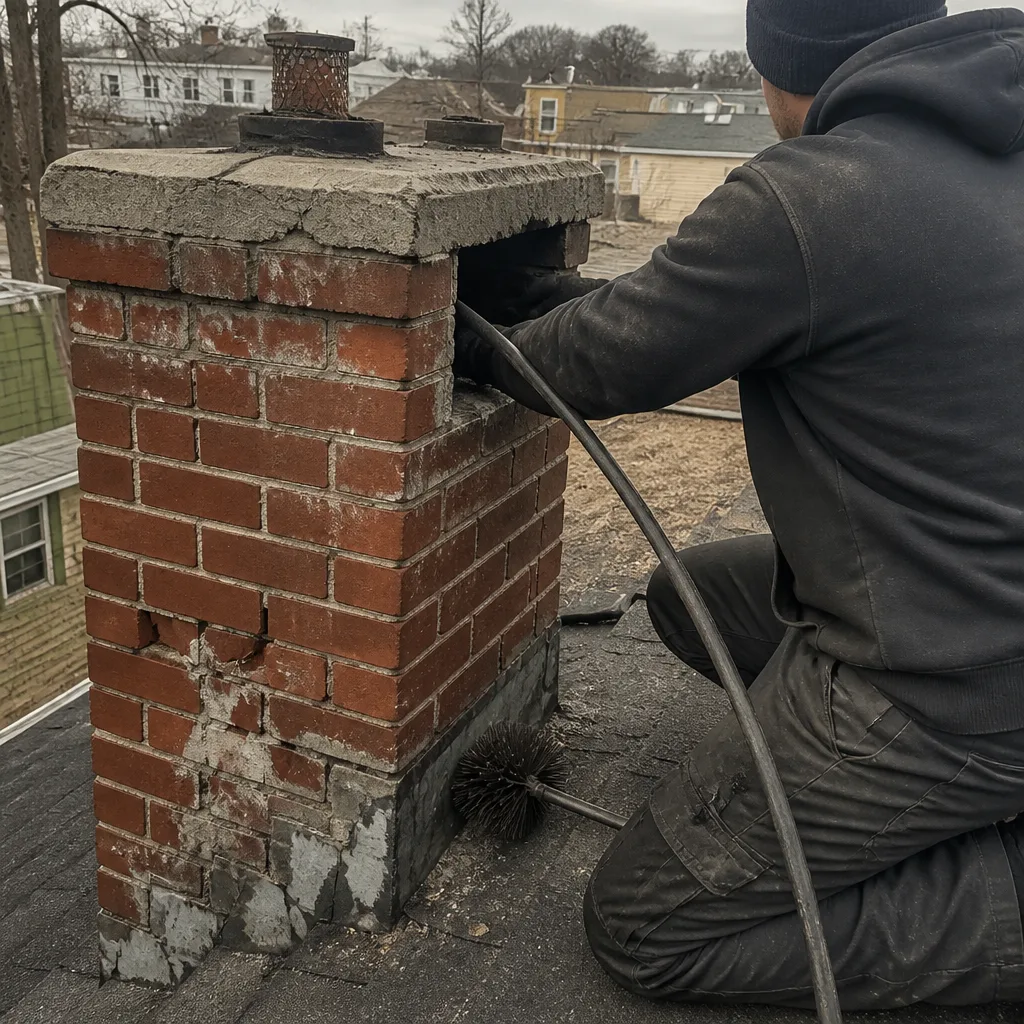 Before
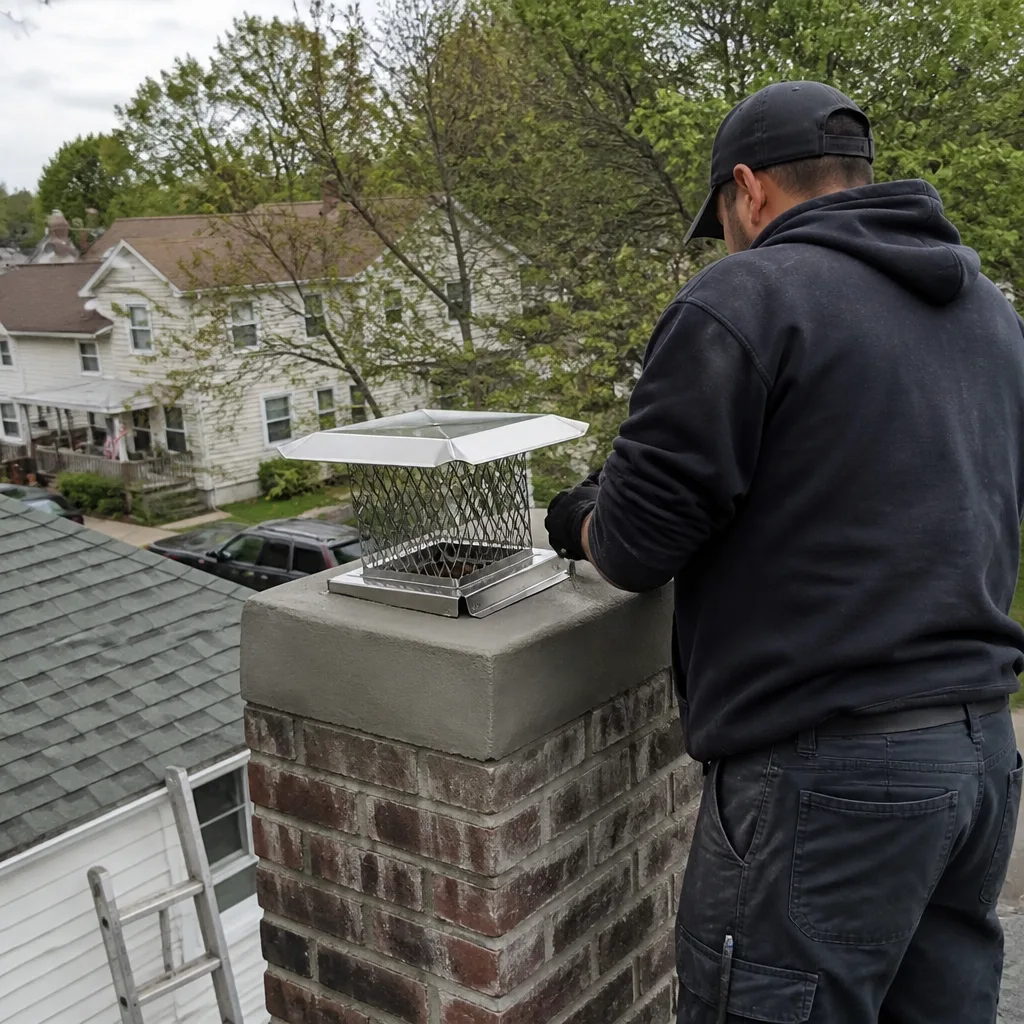 After
After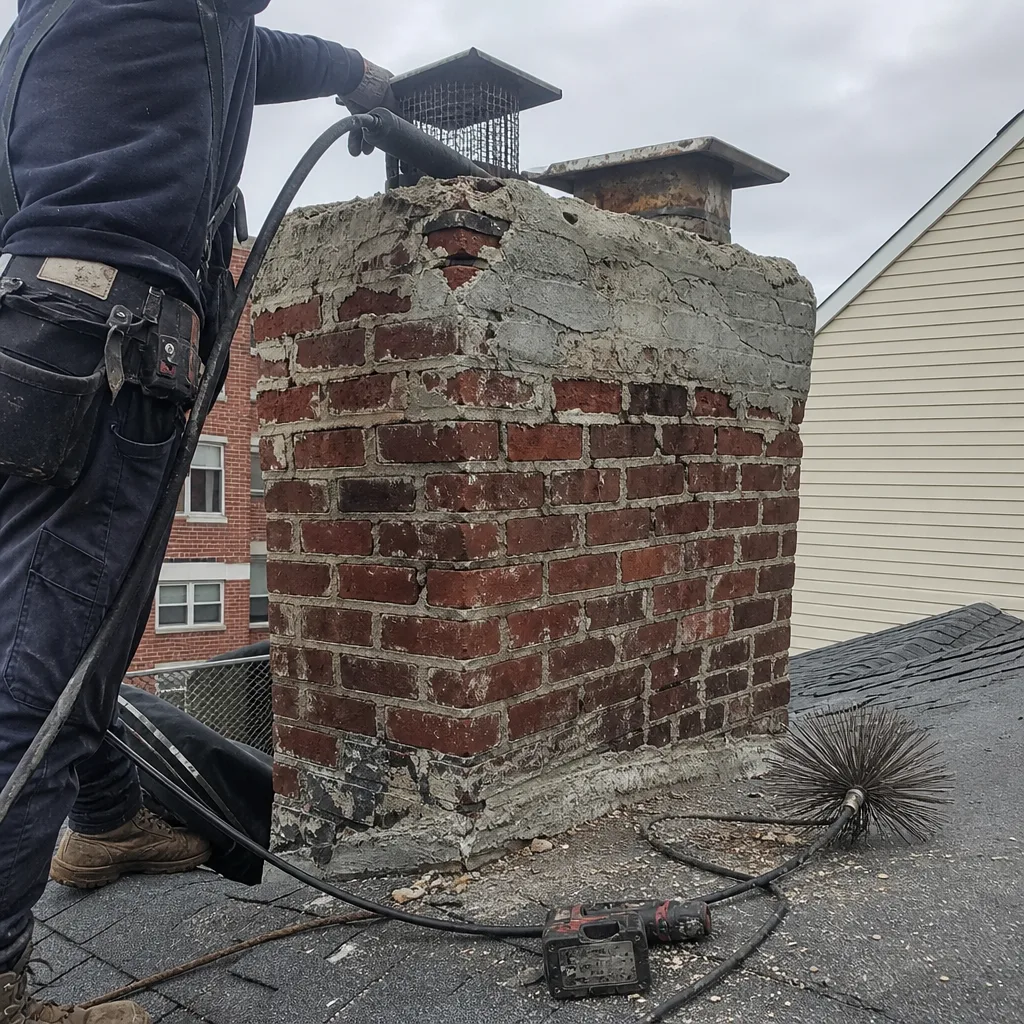 Before
 After
After Before
 After
AfterReplacement Cost & What’s Included
In Brooklyn, expect a DuraFlex flue liner replacement to land between $1,800 and $4,200 installed. Shorter runs on straight chimneys sit at the low end. Longer runs, multiple offsets, a liner that needs to be broken out rather than pulled, or an appliance that requires a specific alloy all push the price up. The single biggest variable is access. A liner that runs through a clean, open chase is a different job than one wedged behind a coal boiler in a Carroll Gardens cellar.
Here’s what the price includes on every Kindling Chimney Brooklyn job:
- The liner itself: Genuine DuraFlex or a spec-matched alternative, cut to your exact measured length. No splicing two short pieces to save cost unless the chimney physically demands it, which we’ll explain and show you.
- Removal of the old liner and disposal of the debris. We use drop cloths from the fireplace opening to the door. Scrap liner goes out in our truck, not your trash bins.
- Installation and connection to the appliance and the cap, with all seams checked before we call the job done.
- A camera inspection after the install, with photos you keep. You see what we see, including the final result.
- The 365-Day Done Right Promise: if the liner work isn’t right, we make it right. No fine print, no call-tag runaround.
We give you a written price before any work starts. Not a range after the fact. The number we quote is the number you pay, unless we find something genuinely dangerous behind the liner and have to talk it through with you first.
DIY or Call Us?
You can safely check some things yourself. Look for flakes in the firebox, scan the liner with a flashlight if you have a straight shot from the top, and take note of any new smoke smells. But replacing a flue liner is not a weekend job. This is a part that carries combustion exhaust out of your home. If a DIY liner install fails, you’re not looking at a drafty fireplace. You’re looking at carbon monoxide inside the living space, and that’s the conversation nobody wants to have at 2 a.m.
Pulling a liner takes two people, proper PPE, and the right lifting technique, especially on a Brooklyn roof where the chimney is three stories up and the wind off the East River is doing its best to push you around. We handle this every week. If you’d rather watch from the warm side of the window, call (607) 695-6218 and we’ll give you an honest assessment first.
FAQs
In most Brooklyn homes, a properly installed DuraFlex liner lasts 15 to 25 years for wood-burning appliances and longer for gas. Homes with damp basements, exterior chimney walls, or irregular cleanings fall toward the lower end. We’ve replaced liners that were installed two decades ago and still had years left, and we’ve replaced liners that were shot after eight years because a previous owner never swept the flue and let creosote acids eat at the alloy.
Small seam separations can sometimes be resecured with the right coupler, but any pitting, tearing, or alloy breakdown through the wall means replacement. Patching a flex liner that’s losing structural integrity puts a bandage over the very thing that keeps exhaust moving out of your home. We’ll show you the camera footage and explain exactly which situation you have. Call (607) 695-6218 and we’ll schedule a time to take a look.
Most single-story replacements finish in four to six hours, including removal, install, camera verification, and clean-up. A three-story Brooklyn brownstone with a tight chase or a difficult appliance connection can stretch to a full day. We’ll give you our time commitment on the written estimate before we start, and we stick to it.
Our trucks carry the most common DuraFlex liner diameters and the couplers, caps, and connectors we reach for daily. We also stock compatible components from HeatShield and Gelco. If your liner needs a non-standard size, we’ll quote the lead time honestly and lock in the price before ordering anything.
If your DuraFlex liner is showing any of the signs above, or if your last inspection came back with notes you didn’t fully understand, call us at (607) 695-6218. Danny Cortes and the crew will walk you through what we’re seeing, take photos, and give you a straight number. No pressure, no mystery, just a clear picture of your chimney and what it needs.
Written by Danny Cortes, Owner, Kindling Chimney Brooklyn at Kindling Chimney Brooklyn, serving Brooklyn and nearby areas.