
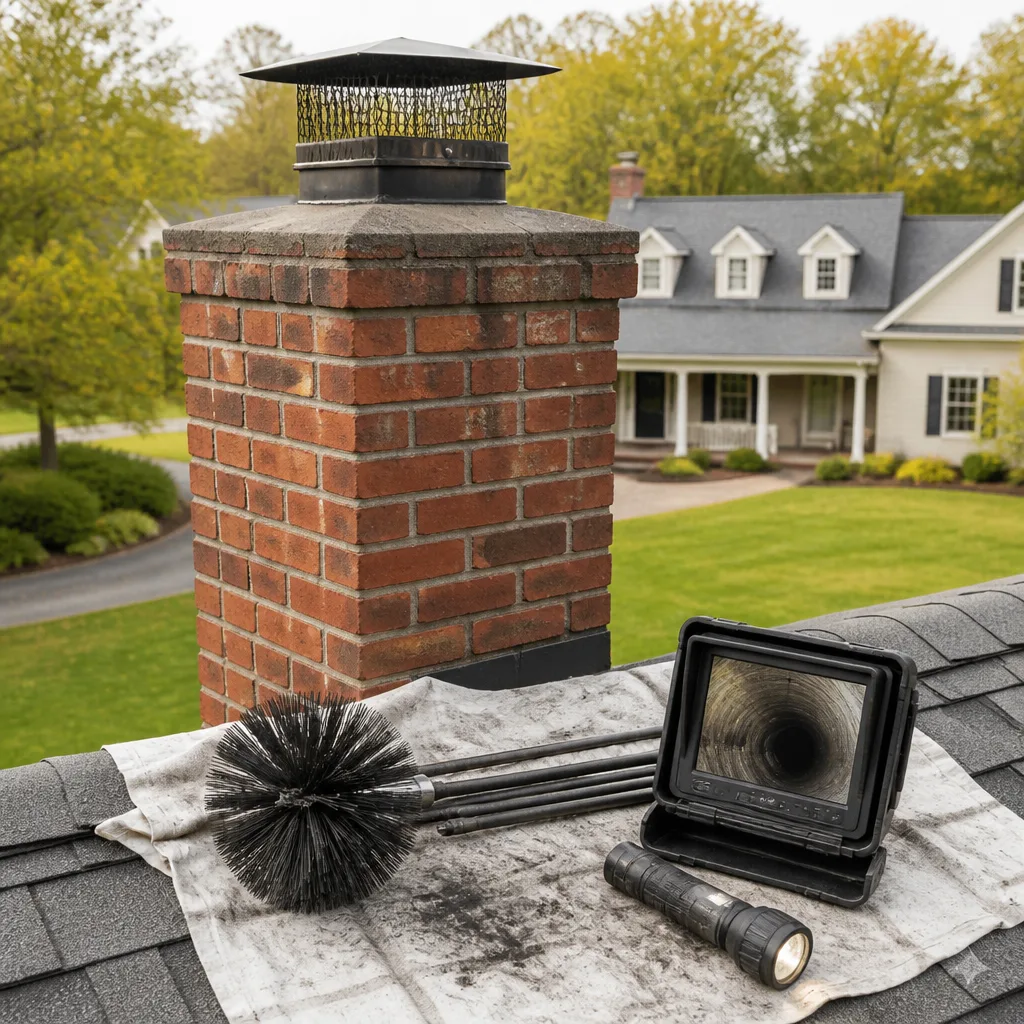
 Sweep & inspection
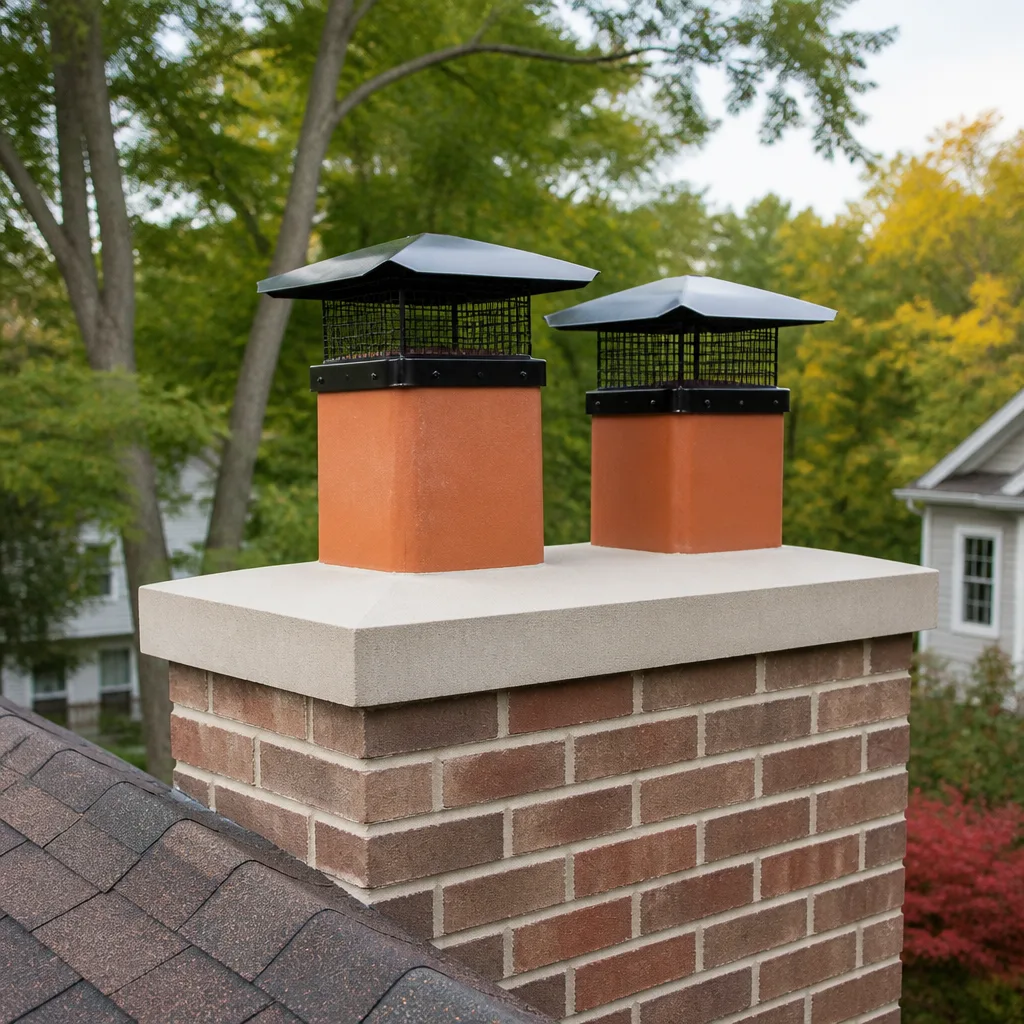 Caps & crowns
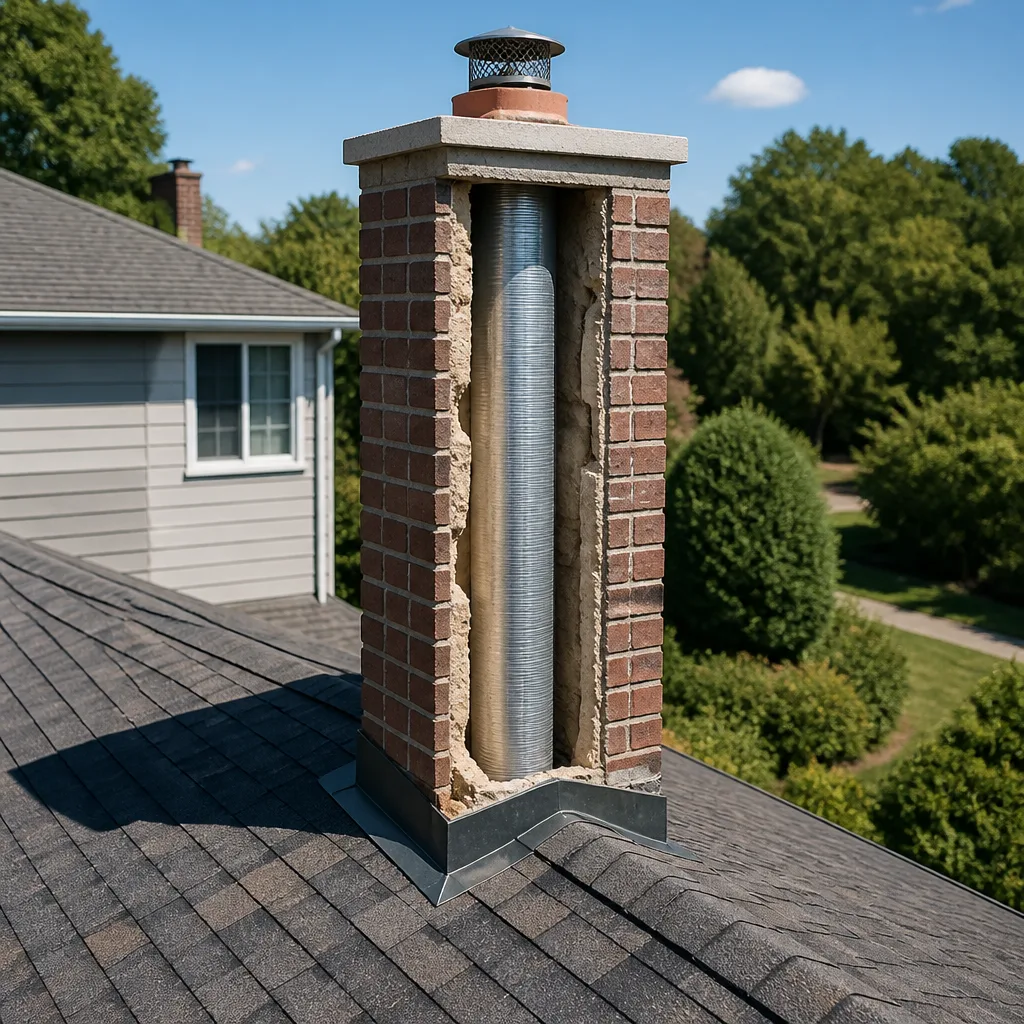 Flue relining
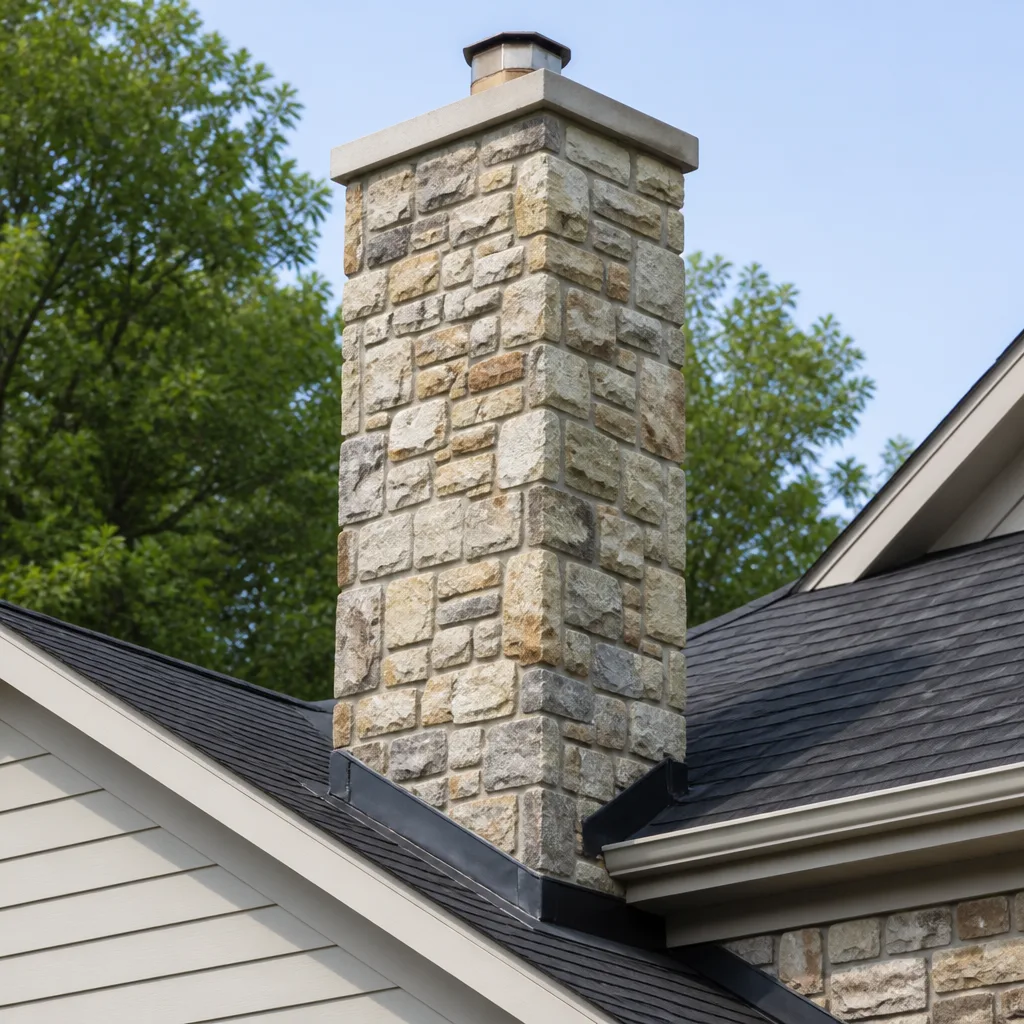 Masonry repair
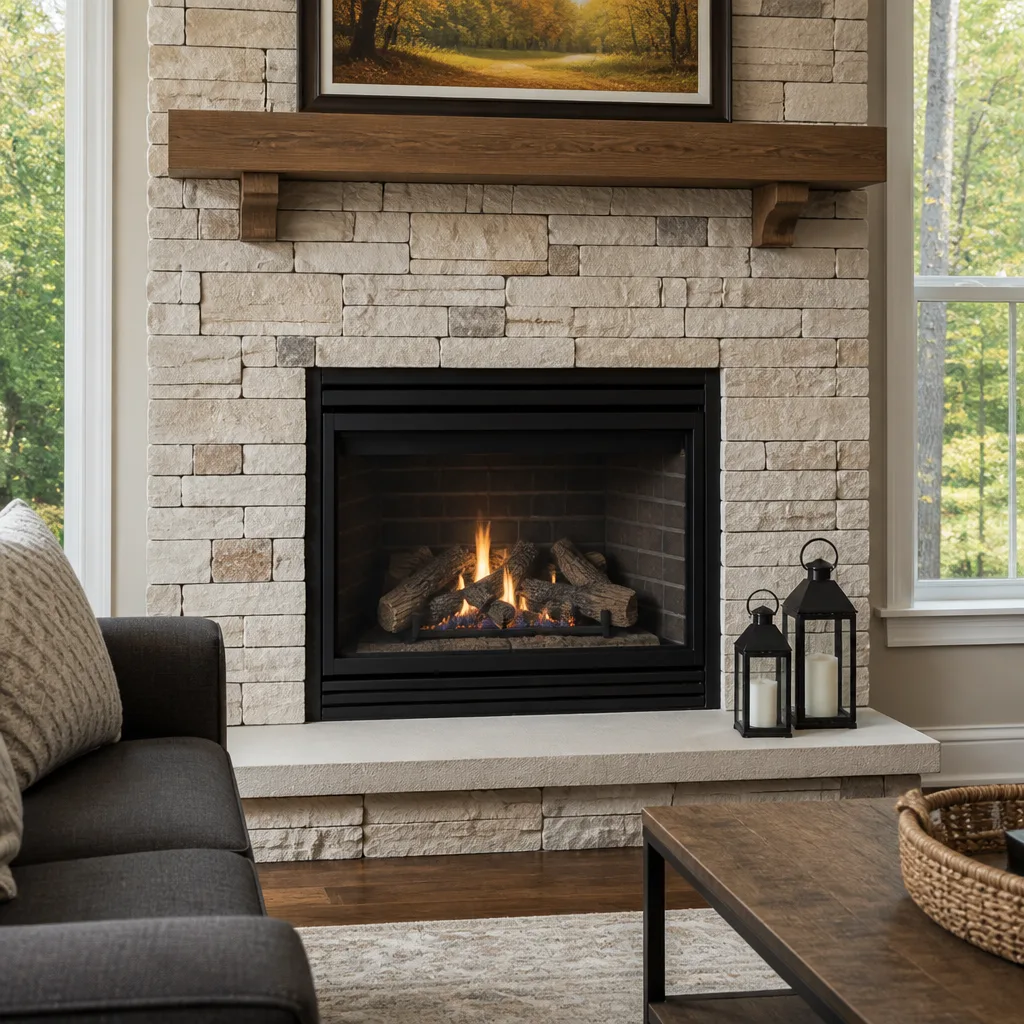 Gas fireplace service
Level 1 sweep and inspection to the NFPA 211 annual standard - flue, crown, cap, and flashing checked and photographed
Chimney sweep logs do not sweep chimneys. They loosen some creosote - which then falls where a brush and vacuum still have to collect it.
DuraFlex Chimney Inspection in Brooklyn: What to Know First
We provide independent DuraFlex chimney inspection across Brooklyn, typically completing most Level 1 and Level 2 inspections within 60 to 90 minutes, with a written report and camera footage you can see for yourself the same day. A standard DuraFlex flue inspection in Brooklyn runs between $189 and $349 depending on the liner’s age, access points, and whether the system has multiple appliances venting through it. You’ll get a written price before any work starts, and we take photos of every finding so nothing is a surprise.
This page is for Brooklyn homeowners who have a DuraFlex liner or connector already installed and want to know it’s still safe to burn. If you’re not sure what’s in your flue, that’s fine too. Call (607) 695-6218 and we’ll help you figure out what you’re looking at.
How DuraFlex Products Fail – and How We Fix Them
DuraFlex is a solid liner system, but it has specific failure patterns that show up in Brooklyn chimneys. We know what to look for because we’ve seen these liners in brownstone flues from Bay Ridge to Williamsburg, and the borough’s climate has a way of exposing every weak point.
- DuraFlex 316L stainless liner pitting at the first elbow above the appliance. Brooklyn’s damp winters and salt air work their way down older masonry chimneys, and condensation collects at that first directional change. We see shallow pitting there long before the rest of the liner shows wear. We scope that elbow first, not last, and if the pitting is surface-level, we document it and set a recheck interval rather than selling a replacement you don’t need yet.
- DuraFlex 304 series (legacy installs) showing teardrop distortion in the corrugations. The 304 alloy was common in Brooklyn installations 15 to 20 years ago, and it doesn’t love the temperature swings of an old brownstone flue that breathes moisture all winter. The corrugation peaks can start to flatten and pull, which eventually compromises the liner’s structural rigidity. We look for that specific deformation pattern during camera inspection because it reads differently than creosote buildup and tells us whether the liner is aging out or just dirty.
- DuraFlex rain cap and top plate leaks at the flue termination. The liner’s lower sections often outlast the top hardware. Brooklyn roofs take real weather, and the storm collar and top plate can shift over years of freeze-thaw cycles. Water then follows the liner down and shows up as rust staining on the damper or appliance. We check the termination from the roof on every Level 2 inspection, and when the cap has failed, we replace with a matching DuraFlex top plate rather than a universal part that sits wrong.
- DuraFlex smooth-wall to corrugated junction separation on oil-to-gas conversions. Brooklyn has thousands of homes that converted from oil to gas in the 2000s and 2010s, and many retrofits used a mix of DuraFlex smooth-wall sections and corrugated connectors. The junction where those two profiles meet can work loose over time due to thermal expansion cycles. During inspection we measure that connection specifically, because even a quarter-inch gap there changes draft behavior and can spill exhaust.
- DuraFlex connectors installed with non-OEM band clamps. This is one we mention to owners because it’s hard to spot without experience. Some past installs used generic stainless clamps that grip the corrugations unevenly, creating micro-gaps that leak over time. We flag any non-DuraFlex clamp during inspection, note it in the report with a photo, and replace with proper DuraFlex connectors if the gap is active. If it’s just cosmetic, we say that plainly.
What We Check That Most Inspections Miss
Two things matter on DuraFlex systems that never show up in a generic inspection checklist. First, the liner’s clearance to the original masonry walls. DuraFlex liners are flexible, and in Brooklyn’s older chimneys with offsets and irregular flue dimensions, sections can rest against the masonry in ways that trap moisture and creosote against the liner wall. We measure clearance at the top, middle, and bottom, not just visually confirm the liner exists. Second, the appliance connection point. On most Brooklyn homes with a DuraFlex liner, the connector between the furnace or boiler and the liner base is where leaks actually start. We scope upward from that connection and pay close attention to the first 18 inches, because that’s where exhaust gases are hottest and condensation is most aggressive. Those two checkpoints catch problems before they become liner replacements.
Styles & brands we work with
Our DuraFlex Chimney Inspection Process
Every DuraFlex inspection in Brooklyn follows the same sequence, so you always know what’s happening inside your flue. Danny Cortes runs the inspection calls personally when his schedule allows, and the crew follows his same method on every job.
- 1
We confirm what you have before we touch anything. You’d be surprised how many Brooklyn homeowners think they have one liner type and actually have another. We look at the appliance connection, the top plate, and any visible liner sections first, and we tell you exactly what we’re seeing.
- 2
We protect the work area completely. Drop cloths go down from the front door to the fireplace or furnace, and shoe covers go on before the first step inside. This is our Cedarwell Care Promise, and it’s on every single visit.
- 3
We run the camera from the cleanout to the cap. A full-length DuraFlex liner gets scoped from bottom to top, not just spot-checked. We’re looking for the failure patterns listed above, and we record the footage so you can watch it with us.
- 4
We assess the mechanical connections and hardware. Band clamps, rain cap, top plate, storm collar, and the appliance connector. We check torque on accessible clamps and flag anything loose or aftermarket that doesn’t belong.
- 5
We review the footage together and give you a written report. You see what we see. If the liner is fine, we tell you that and recommend the next inspection interval. If something is failing, we show you exactly where, what it means, and what your options are, including repair versus replacement with a straight dollar range for each.
- 6
We leave the space cleaner than we found it. Photo of the cleanup before we walk out, every time. If we made a recommendation that can wait, we tell you that in writing with a recheck timeframe, not a sales pitch.
See the difference
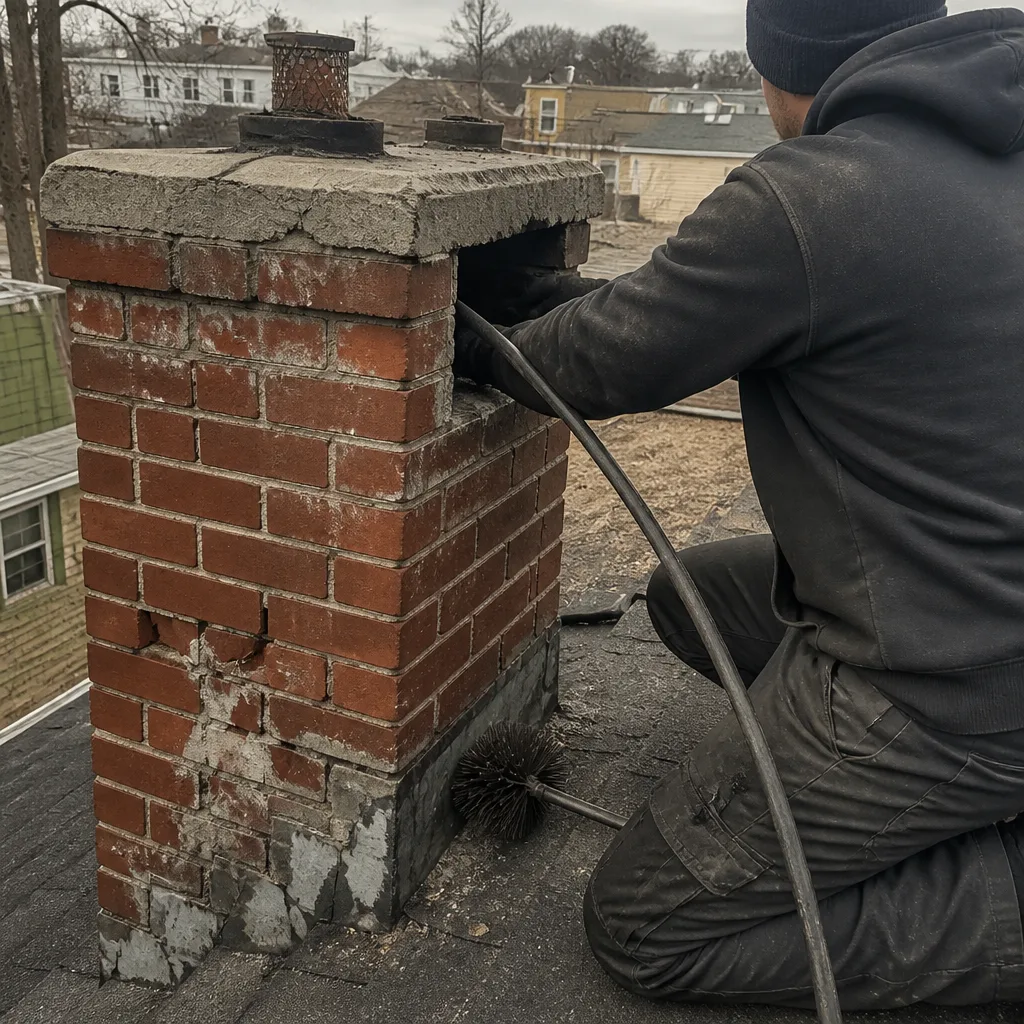 Before
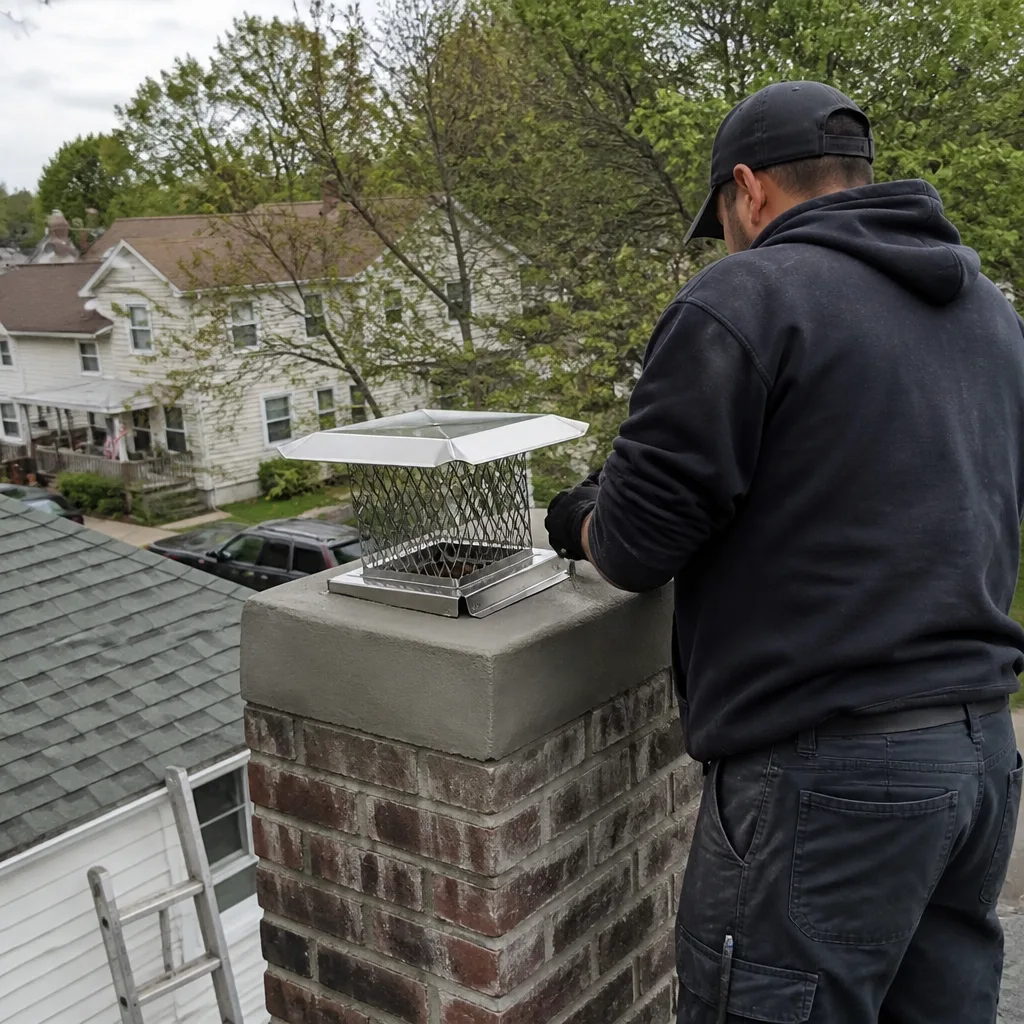 After
After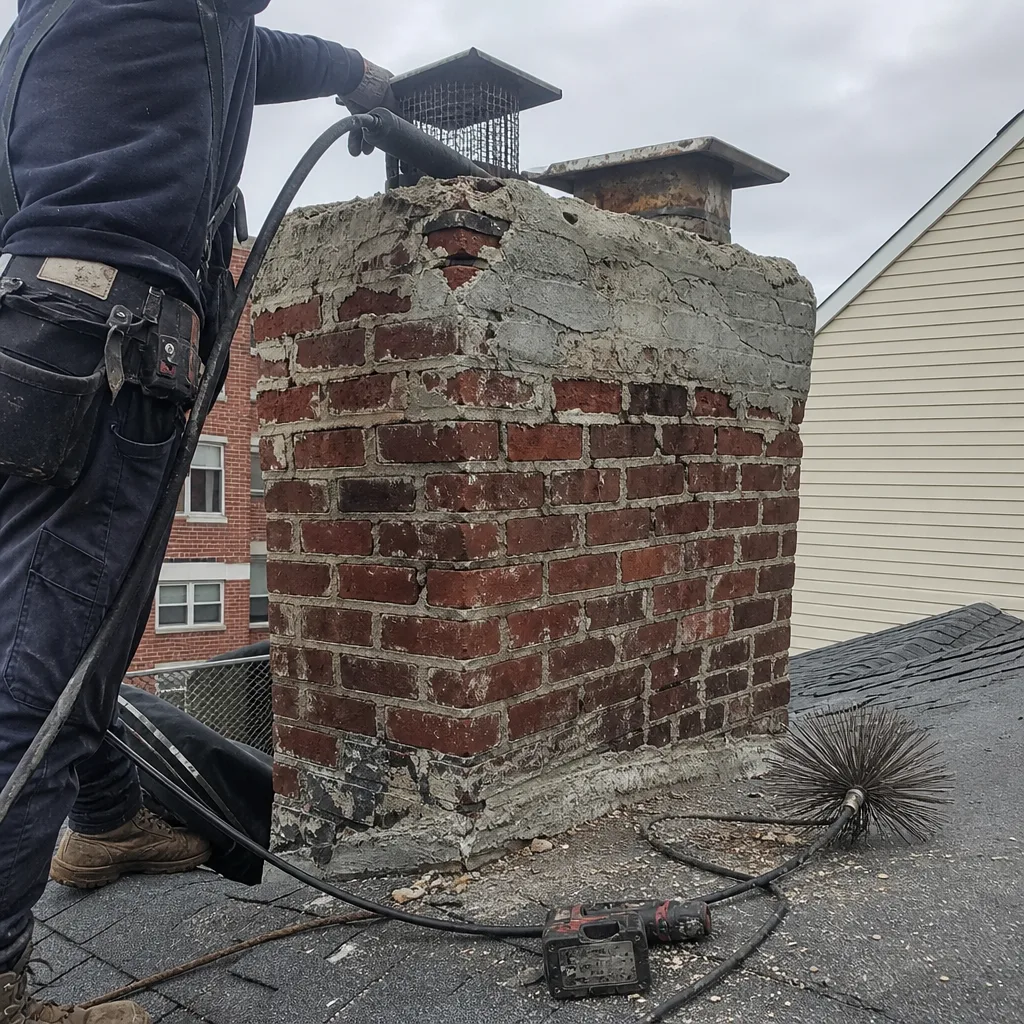 Before
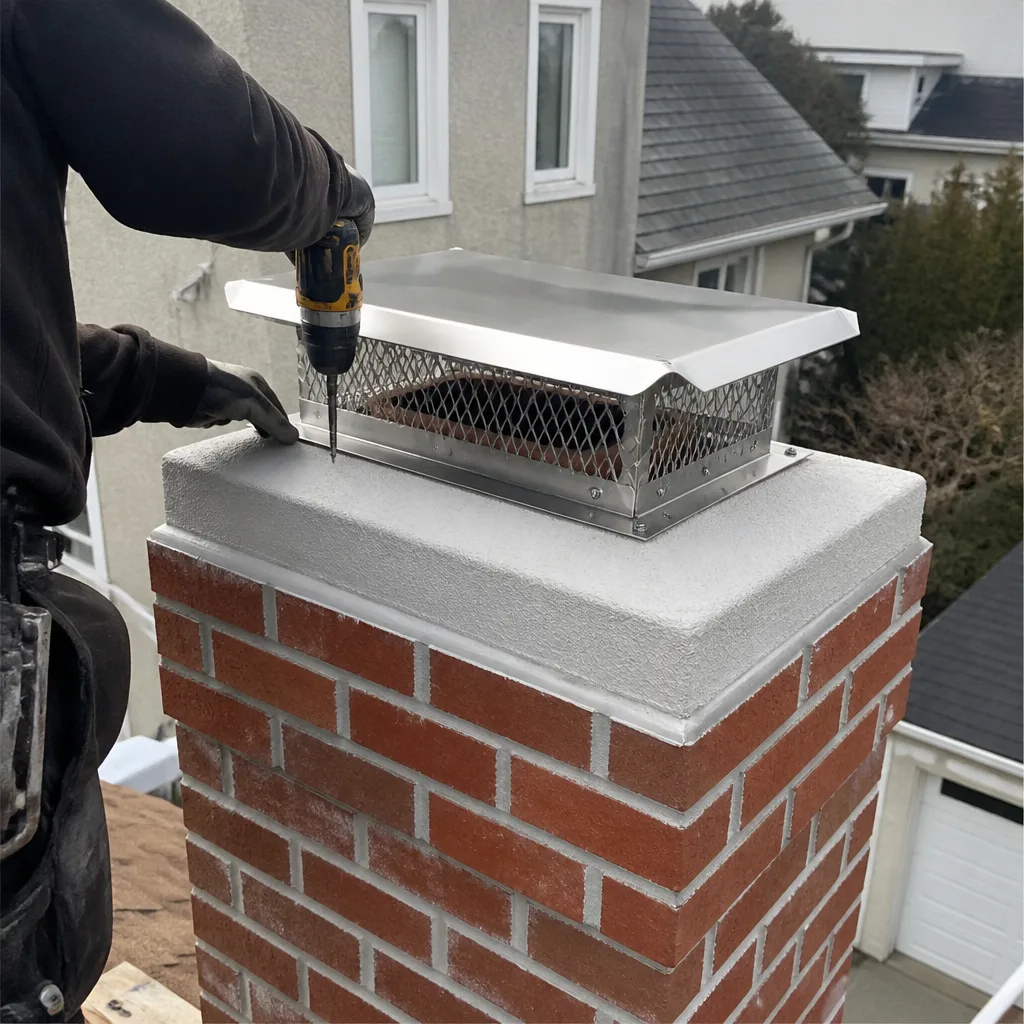 After
After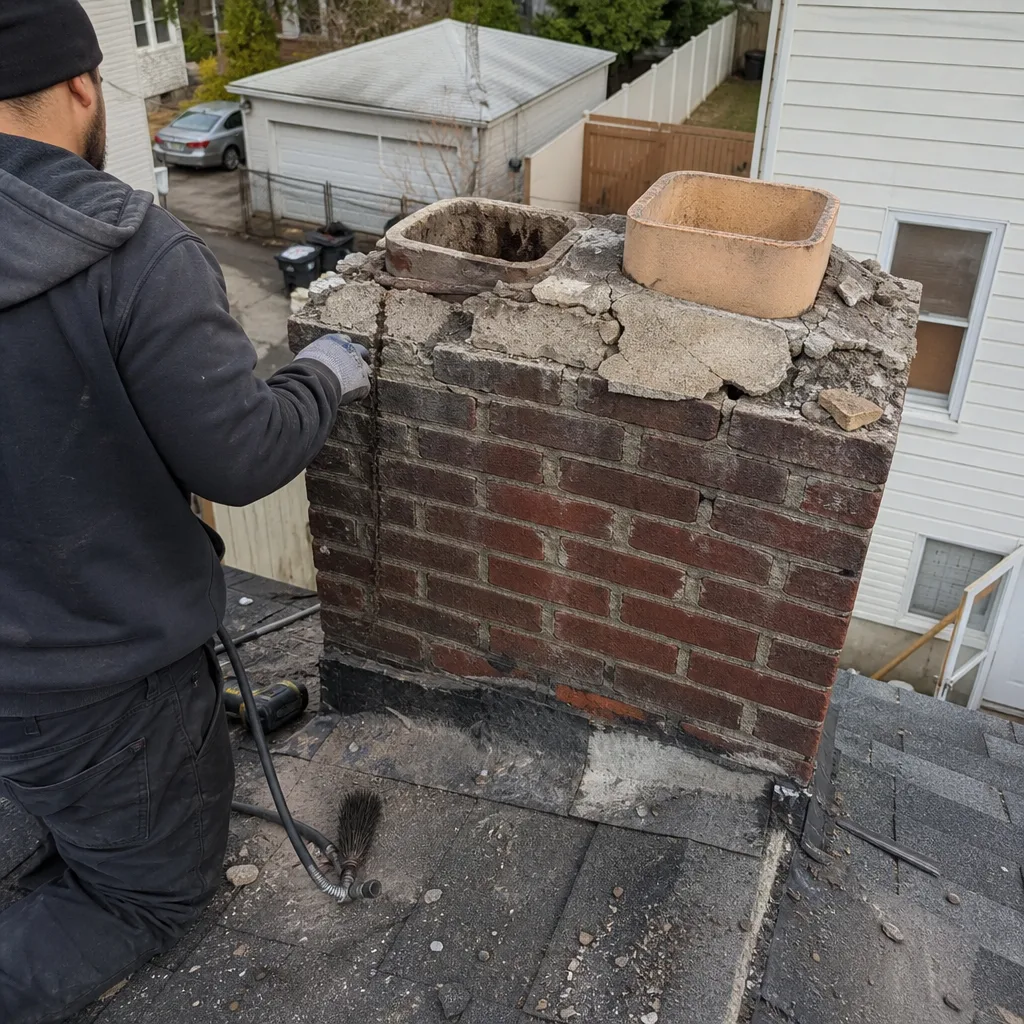 Before
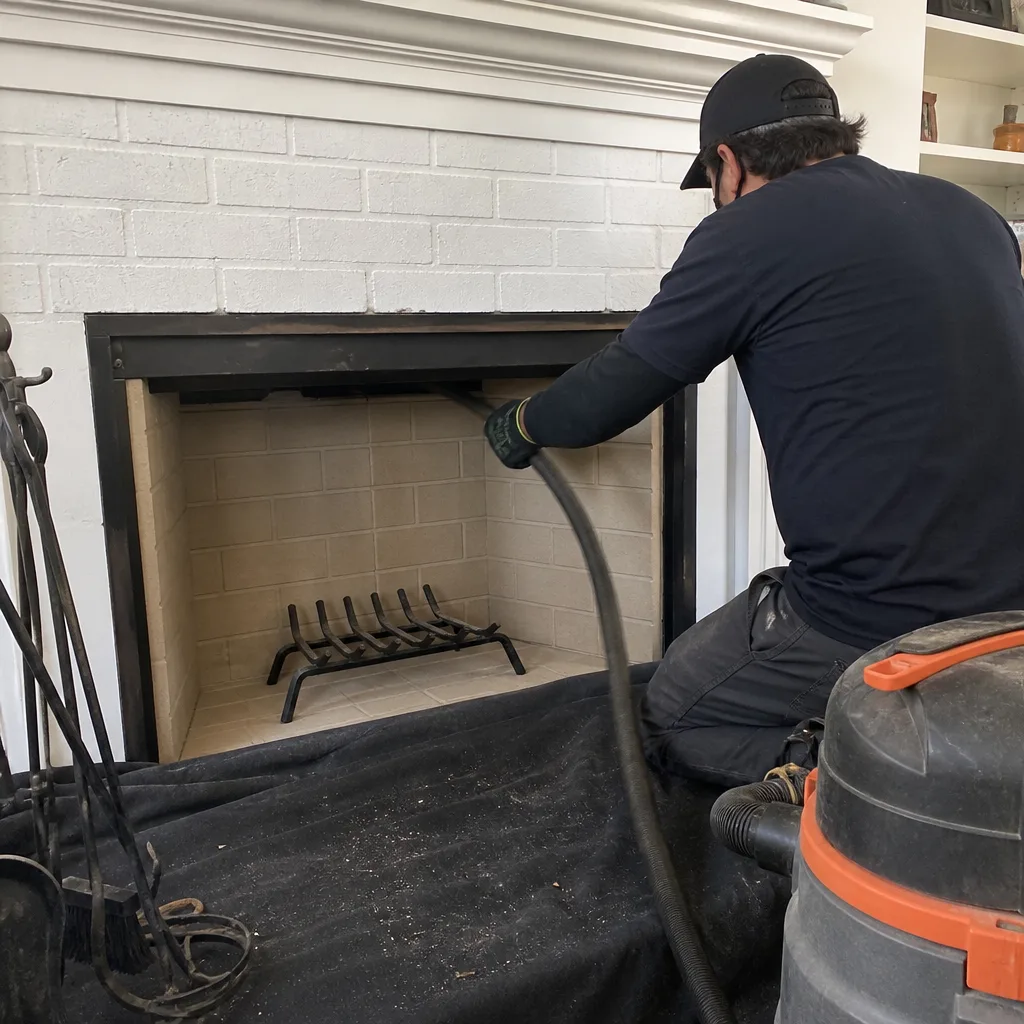 After
AfterWhat DuraFlex Chimney Inspection Costs in Brooklyn
Here’s what you can expect to pay for DuraFlex inspection work in Brooklyn. These are real ranges based on what we see in the borough, not national averages.
| Service | Typical Range | What’s Included |
|---|---|---|
| Level 1 Inspection (single appliance, accessible liner) | $189 – $249 | Visual check, accessible sections, written report |
| Level 2 Inspection (camera scope, full liner) | $289 – $349 | Full camera footage, mechanical check, written report |
| DuraFlex connector replacement (parts + labor) | $120 – $240 | New DuraFlex connector, proper clamps, draft test |
| Rain cap / top plate replacement | $180 – $310 | Matching DuraFlex hardware, roof access, sealant |
| Full liner replacement (DuraFlex to DuraFlex) | $3,800 – $5,600 | Complete liner system, removal of old liner, draft test |
What moves the price: roof access difficulty (Brooklyn roofs range from flat and easy to steep townhouse pitches), liner length, appliance count, and whether repairs need to happen immediately or can be scheduled separately. We give you a written price before any work starts, and if the camera shows your liner is solid, we tell you that and charge only for the inspection. Call (607) 695-6218 for an exact quote – estimates are free and come with no pressure.
Why Brooklyn Homeowners Call Kindling Chimney Brooklyn for DuraFlex Work
We’re not a DuraFlex dealer and we don’t pretend to be. As an independent DuraFlex service provider, we give you straight answers about what your liner needs, and we’re equally comfortable working with HeatShield and Gelco systems when a Brooklyn home has more than one chimney product in play. Our background-checked, uniformed technicians know how DuraFlex behaves in this borough’s older masonry flues, and our 365-Day Done Right Promise means if the inspection or repair isn’t right, we make it right, no fine print, no runaround. A live person answers every call at (607) 695-6218, 24 hours a day, seven days a week.
We work to a written care promise on every visit, which means your floors, your air, and your furniture are protected by the same standard every single time. Drop cloths go down, nothing gets moved without asking, and pet-safe products are used where there’s a choice. Brooklyn families with kids and pets shouldn’t have to wonder what the crew will do or what the bill will be. With our written pricing and the Cedarwell Care Promise, you never have to.
DuraFlex Chimney Inspection FAQs
No. An inspection by an independent Brooklyn chimney company does not void a DuraFlex manufacturer warranty. Warranty claims are tied to proper installation and material defects, not to who performs routine inspection. What can void a warranty is installation with non-DuraFlex connectors or hardware, which is one reason we flag non-OEM clamps and mismatched sections during inspection. Our reports include photos and written documentation that can support a warranty claim if we find a material defect, and we’re glad to walk you through what the manufacturer will need from you.
Every 12 months if you burn regularly during the heating season, and every 24 months at minimum for seasonal use. Brooklyn’s older masonry chimneys run cooler than modern insulated flues, which means more condensation and faster creosote accumulation at the base of a DuraFlex liner. If your home is near the waterfront in neighborhoods like Red Hook or Sheepshead Bay, the salt air adds another reason to stay on an annual schedule. Call (607) 695-6218 and we’ll set an inspection interval that fits your actual burn habits.
Repair is often possible when the damage is isolated to connectors, top hardware, or a single section. We can replace a failed band clamp, rain cap, storm collar, or a short connector section without relining the entire flue. Full replacement is only warranted when the liner body itself shows structural deformation, deep pitting across multiple feet, or separation at the seam. We show you the camera footage and tell you plainly which category your liner falls into. If it can wait, we say so in writing.
Most standard DuraFlex connectors, clamps, rain caps, and top plates arrive within 3 to 5 business days from our regional suppliers. Full liner kits are typically 5 to 7 business days out. We stock the most common DuraFlex hardware on the truck so connector and cap replacements can often be done the same day as the inspection. We do not use universal aftermarket hardware on DuraFlex systems unless an owner explicitly requests it and understands the trade-off, which we’ll explain first.
You get a written report with photos, a plain-language explanation of what’s wrong, and a written price for the fix before you decide anything. Nothing is recommended without camera evidence you can see for yourself. If the finding is a safety issue, we’ll tell you exactly what makes it unsafe and what needs to happen before the fireplace or furnace runs again. If it’s a maintenance item that can wait, we’ll tell you that too, and give you a recheck window. No scare tactics, no pressure, no work starts without your written approval.
Written by Danny Cortes, Owner, Kindling Chimney Brooklyn at Kindling Chimney Brooklyn, serving Brooklyn and nearby areas.